Yemen’s Houthis Show Growing Sophistication and Self-Reliance in Weaponry
New York Times
N
New York Times
Original Source
Yemen's Houthi militants are increasingly developing advanced weaponry independently using artificial intelligence and other sophisticated means, reducing their reliance on Iranian sponsorship. The group has become the most lethal nonstate actor across the entire Middle East region.
Yemen’s Houthis Show Growing Sophistication and Self-Reliance in Weaponry - The New York Times
Skip to contentSkip to site index
Middle East
Today’s Paper
War in the
Middle East
* Diplomatic Efforts
* Iran’s Aggressive Approach
* Inside the Conflict in Lebanon
* Timeline of War
Advertisement
SKIP ADVERTISEMENT
You have a preview view of this article while we are checking your access. When we have confirmed access, the full article content will load.
Supported by
SKIP ADVERTISEMENT
Yemen’s Houthi Militants Are Learning to Arm Themselves
The Houthis are increasingly using artificial intelligence and other tools to produce advanced weaponry on their own, making them less reliant on Iran.
Listen · 8:21 min
*
*
*
*
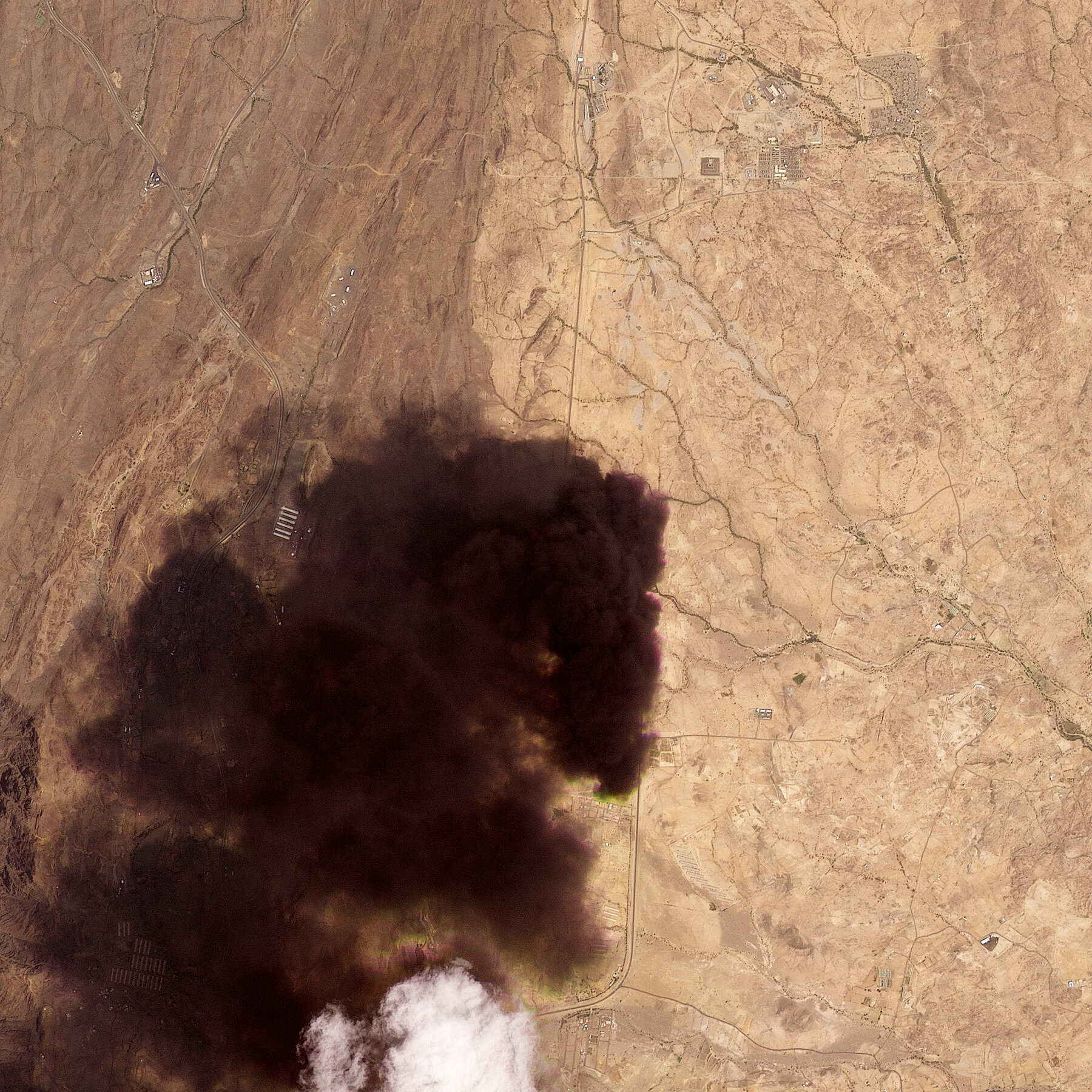
!Dark brown smoke obscures a Saudi oil refinery.
*Smoke from an oil refinery in Saudi Arabia after a Houthi attack last week.
Credit...
Planet Labs PBC*
By
Nicholas Kulish
Nicholas Kulish writes about the changing technologies and tactics used in conflicts around the world.
Sept. 15, 2026, 10:02 a.m. ET
See more of our coverage in your search results. Encuentra más de nuestra cobertura en los resultados de búsqueda. Add The New York Times on Google Agrega The New York Times en Google
The popular image of Yemen’s Houthi rebels is of men on the backs of pickup trucks, firing AK-47s into the desert air.
Yet the group has launched long-range missile strikes at Israel, more than a thousand miles away. The Houthis prey on ship traffic in the Red Sea with naval drones. And evidence points to their growing ambition to use artificial intelligence and other means to produce more advanced weaponry themselves, making them less reliant on their sponsors in Iran.
Though they are backed by Iran, for months the Houthis remained on the sidelines of this year’s fighting in the region. That ended in July, when they declared a maritime blockade on Saudi Arabia. Since then, they have marched south, seizing the historic port city of Mokha last week while capturing islands near the narrow strait known as the Bab al-Mandab, tightening the group’s grip on the choke point at the southern end of the Red Sea.
“They use every opportunity to build their capability, to test their capability, such that they are now the most lethal nonstate actor in the entire Middle East,” said Timothy A. Lenderking, the former U.S. special envoy for Yemen, speaking at a Middle East Institute forum on Friday.
A report by Anthropic last week on the misuse of A.I. said that “a cell of threat actors based in northern Yemen,” where the Houthis have their stronghold, used Claude for “a sustained effort to develop guided weapons.” Despite Anthropic’s safeguards, the company said, the cell proceeded as far as the test firing of a guided rocket.
The Houthis still rely on their Iranian sponsors for the most sophisticated components in their drones and ballistic missiles, but as the Anthropic report suggested, in recent years they have become much more advanced at building their own weapons systems.
---
Thank you for your patience while we verify access. If you are in Reader mode please exit andlog intoyour Times account, orsubscribefor all of The Times.
---
Thank you for your patience while we verify access.
Already a subscriber?Log in.
Want all of The Times?Subscribe.
Related Content
*
*
*
*
*
*
*
*
*
*
*
*
*
*
*
*
*
*
*
Advertisement
SKIP ADVERTISEMENT
Site Index
Site Information Navigation
* ©2026 The New York Times Company
* NYTCo
* Contact Us
* Accessibility
* Work with us
* Advertise
* T Brand Studio
* Privacy Policy
* Cookie Policy
* Terms of Service
* Terms of Sale
* Site Map
* Canada
* International
* Help
* Subscriptions
* Manage Privacy Preferences
Skip to contentSkip to site index
Middle East
Today’s Paper
War in the
Middle East
* Diplomatic Efforts
* Iran’s Aggressive Approach
* Inside the Conflict in Lebanon
* Timeline of War
Advertisement
SKIP ADVERTISEMENT
You have a preview view of this article while we are checking your access. When we have confirmed access, the full article content will load.
Supported by
SKIP ADVERTISEMENT
Yemen’s Houthi Militants Are Learning to Arm Themselves
The Houthis are increasingly using artificial intelligence and other tools to produce advanced weaponry on their own, making them less reliant on Iran.
Listen · 8:21 min
*
*
*
*
!Dark brown smoke obscures a Saudi oil refinery.
*Smoke from an oil refinery in Saudi Arabia after a Houthi attack last week.
Credit...
Planet Labs PBC*
By
Nicholas Kulish
Nicholas Kulish writes about the changing technologies and tactics used in conflicts around the world.
Sept. 15, 2026, 10:02 a.m. ET
See more of our coverage in your search results. Encuentra más de nuestra cobertura en los resultados de búsqueda. Add The New York Times on Google Agrega The New York Times en Google
The popular image of Yemen’s Houthi rebels is of men on the backs of pickup trucks, firing AK-47s into the desert air.
Yet the group has launched long-range missile strikes at Israel, more than a thousand miles away. The Houthis prey on ship traffic in the Red Sea with naval drones. And evidence points to their growing ambition to use artificial intelligence and other means to produce more advanced weaponry themselves, making them less reliant on their sponsors in Iran.
Though they are backed by Iran, for months the Houthis remained on the sidelines of this year’s fighting in the region. That ended in July, when they declared a maritime blockade on Saudi Arabia. Since then, they have marched south, seizing the historic port city of Mokha last week while capturing islands near the narrow strait known as the Bab al-Mandab, tightening the group’s grip on the choke point at the southern end of the Red Sea.
“They use every opportunity to build their capability, to test their capability, such that they are now the most lethal nonstate actor in the entire Middle East,” said Timothy A. Lenderking, the former U.S. special envoy for Yemen, speaking at a Middle East Institute forum on Friday.
A report by Anthropic last week on the misuse of A.I. said that “a cell of threat actors based in northern Yemen,” where the Houthis have their stronghold, used Claude for “a sustained effort to develop guided weapons.” Despite Anthropic’s safeguards, the company said, the cell proceeded as far as the test firing of a guided rocket.
The Houthis still rely on their Iranian sponsors for the most sophisticated components in their drones and ballistic missiles, but as the Anthropic report suggested, in recent years they have become much more advanced at building their own weapons systems.
---
Thank you for your patience while we verify access. If you are in Reader mode please exit andlog intoyour Times account, orsubscribefor all of The Times.
---
Thank you for your patience while we verify access.
Already a subscriber?Log in.
Want all of The Times?Subscribe.
Related Content
*
*
*
*
*
*
*
*
*
*
*
*
*
*
*
*
*
*
*
Advertisement
SKIP ADVERTISEMENT
Site Index
Site Information Navigation
* ©2026 The New York Times Company
* NYTCo
* Contact Us
* Accessibility
* Work with us
* Advertise
* T Brand Studio
* Privacy Policy
* Cookie Policy
* Terms of Service
* Terms of Sale
* Site Map
* Canada
* International
* Help
* Subscriptions
* Manage Privacy Preferences
🔗 Share Article
Tags:#الحوثيون#اليمن#الأسلحة#الذكاء الاصطناعي#البحر الأحمر#إيران
Source: New York Times
For Context
Related reads from the same topic or latest developments