Along Himalayan Floods’ Path, Wiped Out Towns and Mounting Grief
New York Times
N
New York Times
Original Source
Violent floods swept through Nepal, obliterating entire towns and claiming hundreds of lives, leaving survivors to recount the stories of communities and loved ones buried under the rubble. Local officials describe unprecedented destruction along the rivers' paths of devastation.
Along Himalayan Floods’ Path, Wiped Out Towns and Mounting Grief - The New York Times
Skip to contentSkip to site index
Asia Pacific
|
Along Himalayan Floods’ Path, Wiped Out Towns and Mounting Grief
https://www.nytimes.com/2026/09/13/world/asia/nepal-tibet-floods-school-children.html
*
*
*
You have a preview view of this article while we are checking your access. When we have confirmed access, the full article content will load.
Along Himalayan Floods’ Path, Wiped Out Towns and Mounting Grief
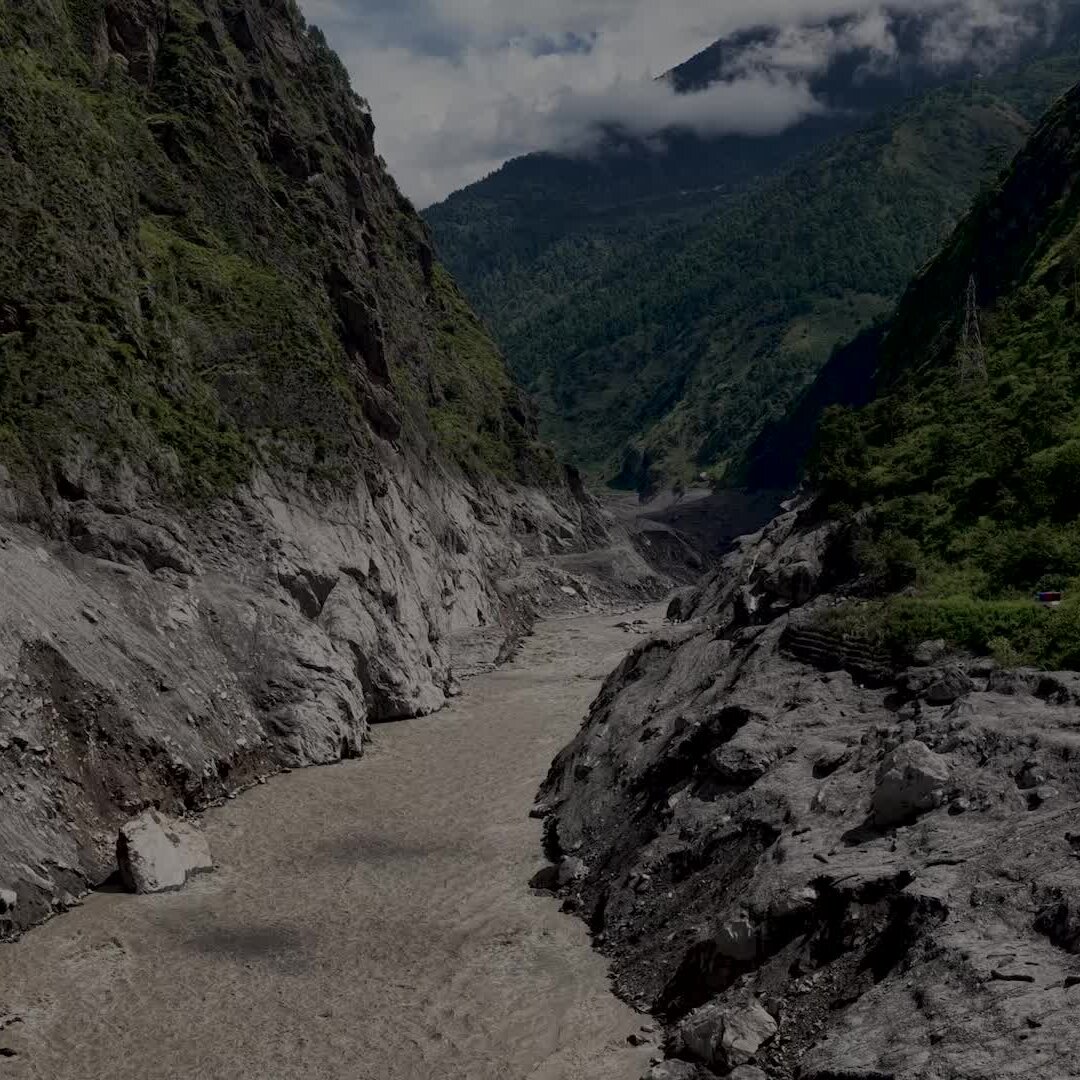
Survivors tell the stories of the people and places buried under the mud after a disaster in Nepal.
Along Himalayan Floods’ Path, Wiped Out Towns and Mounting Grief
Survivors tell the stories of the people and places buried under the mud after a disaster in Nepal.
Credit...
Supported by
SKIP ADVERTISEMENT
Listen · 11:40 min
*
*
*
!Binod Ghimire!Lam Yik Fei
By
Mujib Mashal and Binod Ghimire
Visuals by
Lam Yik Fei
Over three days, Mujib Mashal and Binod Ghimire traveled along the path of destruction cut through Nepal by violent floods.
Sept. 13, 2026
Taking a break from the noisy work of leading a school of over 500 students, Madhav Lamichhane would ride his motorbike down to the riverside Betrawati Bazaar every week. The principal skipped the busy shops around the town’s clock tower, preferring a quiet moment by the Ram temple to take in the “very beautiful flow” of the Trishuli River.
But on Aug. 26, as he was in school preparing for the first morning bell, the river below suddenly became a violent torrent that obliterated much of the town of Betrawati, erasing its square from the map. It left no trace of the temple, the market or the concrete bridges, and only fragments of the hundreds of homes that dotted either side of the river.
Mr. Lamichhane and the school, up on a hillside, escaped its wrath.
But about 200 students did not. The younger children, ages 5 to 11, had been waiting in the riverside town for a yellow school bus. The oldest, backpacks strapped on, had been slowly making their way uphill to the school when the deluge swallowed them.
“What can I say to the river?” Mr. Lamichhane sighed. He said that fewer than a third of the town’s families had scraped through without losing anyone, with many wiped out entirely.
“It was very beautiful previously,” he said. “It is a cultural and historical place, too. But all that became the past.”
Image
!A muddy river flows through a landscape, with damaged buildings and an overturned yellow bus. Several people walk on a debris-filled road, green mountains in the distance.
*The Trishuli River became a violent torrent that obliterated much of Betrawati Bazaar.*
CHINA
TIBET
Avalanche site
NEPAL
Last reachable point before border
Area of flooding
Detour around steep hills toward Betrawati
Reporters’ journey
Kathmandu
Route starting point
CHINA
TIBET
Avalanche site
NEPAL
Area of flooding
Betrawati
Dhunge Bazaar
Reporters’ journey
Kathmandu
CHINA
TIBET
Avalanche site
NEPAL
Flood site where a
Buddhist monk’s
family members
were lost
Thulo Bharkhu
Area of flooding
Reporters’ journey
Kathmandu
---
Thank you for your patience while we verify access. If you are in Reader mode please exit andlog intoyour Times account, orsubscribefor all of The Times.
---
Thank you for your patience while we verify access.
Already a subscriber?Log in.
Want all of The Times?Subscribe.
Related Content
*
*
*
*
*
*
*
*
*
*
*
*
*
*
*
*
*
*
*
Advertisement
SKIP ADVERTISEMENT
Site Index
Site Information Navigation
* ©2026 The New York Times Company
* NYTCo
* Contact Us
* Accessibility
* Work with us
* Advertise
* T Brand Studio
* Privacy Policy
* Cookie Policy
* Terms of Service
* Terms of Sale
* Site Map
* Canada
* International
* Help
* Subscriptions
* Manage Privacy Preferences
Skip to contentSkip to site index
Asia Pacific
|
Along Himalayan Floods’ Path, Wiped Out Towns and Mounting Grief
https://www.nytimes.com/2026/09/13/world/asia/nepal-tibet-floods-school-children.html
*
*
*
You have a preview view of this article while we are checking your access. When we have confirmed access, the full article content will load.
Along Himalayan Floods’ Path, Wiped Out Towns and Mounting Grief
Survivors tell the stories of the people and places buried under the mud after a disaster in Nepal.
Along Himalayan Floods’ Path, Wiped Out Towns and Mounting Grief
Survivors tell the stories of the people and places buried under the mud after a disaster in Nepal.
Credit...
Supported by
SKIP ADVERTISEMENT
Listen · 11:40 min
*
*
*
!Binod Ghimire!Lam Yik Fei
By
Mujib Mashal and Binod Ghimire
Visuals by
Lam Yik Fei
Over three days, Mujib Mashal and Binod Ghimire traveled along the path of destruction cut through Nepal by violent floods.
Sept. 13, 2026
Taking a break from the noisy work of leading a school of over 500 students, Madhav Lamichhane would ride his motorbike down to the riverside Betrawati Bazaar every week. The principal skipped the busy shops around the town’s clock tower, preferring a quiet moment by the Ram temple to take in the “very beautiful flow” of the Trishuli River.
But on Aug. 26, as he was in school preparing for the first morning bell, the river below suddenly became a violent torrent that obliterated much of the town of Betrawati, erasing its square from the map. It left no trace of the temple, the market or the concrete bridges, and only fragments of the hundreds of homes that dotted either side of the river.
Mr. Lamichhane and the school, up on a hillside, escaped its wrath.
But about 200 students did not. The younger children, ages 5 to 11, had been waiting in the riverside town for a yellow school bus. The oldest, backpacks strapped on, had been slowly making their way uphill to the school when the deluge swallowed them.
“What can I say to the river?” Mr. Lamichhane sighed. He said that fewer than a third of the town’s families had scraped through without losing anyone, with many wiped out entirely.
“It was very beautiful previously,” he said. “It is a cultural and historical place, too. But all that became the past.”
Image
!A muddy river flows through a landscape, with damaged buildings and an overturned yellow bus. Several people walk on a debris-filled road, green mountains in the distance.
*The Trishuli River became a violent torrent that obliterated much of Betrawati Bazaar.*
CHINA
TIBET
Avalanche site
NEPAL
Last reachable point before border
Area of flooding
Detour around steep hills toward Betrawati
Reporters’ journey
Kathmandu
Route starting point
CHINA
TIBET
Avalanche site
NEPAL
Area of flooding
Betrawati
Dhunge Bazaar
Reporters’ journey
Kathmandu
CHINA
TIBET
Avalanche site
NEPAL
Flood site where a
Buddhist monk’s
family members
were lost
Thulo Bharkhu
Area of flooding
Reporters’ journey
Kathmandu
---
Thank you for your patience while we verify access. If you are in Reader mode please exit andlog intoyour Times account, orsubscribefor all of The Times.
---
Thank you for your patience while we verify access.
Already a subscriber?Log in.
Want all of The Times?Subscribe.
Related Content
*
*
*
*
*
*
*
*
*
*
*
*
*
*
*
*
*
*
*
Advertisement
SKIP ADVERTISEMENT
Site Index
Site Information Navigation
* ©2026 The New York Times Company
* NYTCo
* Contact Us
* Accessibility
* Work with us
* Advertise
* T Brand Studio
* Privacy Policy
* Cookie Policy
* Terms of Service
* Terms of Sale
* Site Map
* Canada
* International
* Help
* Subscriptions
* Manage Privacy Preferences
🔗 Share Article
Tags:#نيبال#الفيضانات#الهيمالايا#الكوارث الطبيعية#الخسائر البشرية#آسيا
Source: New York Times
For Context
Related reads from the same topic or latest developments