25 Years After 9/11, What Are We Failing to Imagine Now?
Foreign Policy

Foreign Policy
Original Source
The counterterrorism community faces growing challenges in anticipating how emerging technologies might be weaponized in novel terrorist attacks. Experts warn that failures of strategic imagination could leave nations vulnerable to threats they have yet to envision.
New Terrorist Technologies 25 Years After 9/11
By using this website, you agree to our use of cookies. This use includes personalization of content and ads, and traffic analytics. Review our Privacy Policy for more information.
!Foreign Policy
Foreign Policy
Get analysis and alerts more quickly in the mobile app.
Install
Back to Foreign Policy Magazine home page
* Latest
* Regions
+ Asia & the Pacific
+ China
+ Middle East & Africa
+ Americas
+ Europe
* Newsletters
Editors’ Picks
Evening roundup with our editors’ favorite stories of the day
!World Brief Icon
World Brief
Your guide to the most important world stories of the day
!China Brief Icon
China Brief
The latest news, analysis, and data from the country each week
Situation Report
Weekly update on what’s driving U.S. national security policy
FP Weekend
A curation of our best book reviews, deep dives, and other reads
!Africa Brief Icon
Africa Brief
Essential analysis of the stories shaping geopolitics on the continent
!South Asia Brief Icon
South Asia Brief
Weekly update on developments in India and its neighbors
The Reading List
Curated guides on geopolitics and current affairs
FP Bookshelf
A monthly guide to FP’s book reviews, excerpts, and reading recommendations
!Latin America Brief Icon
Latin America Brief
One-stop digest of politics, economics, and culture
!Southeast Asia Brief Icon
Southeast Asia Brief
A weekly dispatch with news from the region’s 11 countries
The New Geopolitics
A five-part masterclass in IR theory with Harvard Professor Stephen M. Walt
View All Newsletters
* FP Live
* Latest
* Trending:
* Nepal floods
* Strait of Hormuz attacks
* Venezuela oil deal
Search this website
* Preferences
* My FP Feed
* Saved Articles
* Newsletters
* Magazine Archive
* Subscription Settings
* FAQs
* Log Out
Sign In
Sign In
Partner with FP at UNGA81 Partner with FP at UNGA81
Subscribe SubscribePartner with FP at UNGA81 Partner with FP at UNGA81
Analysis:
25 Years After 9/11, What Are We Failing to Imagine Now?
*
*
* Facebook
* Bluesky
* X
* LinkedIn
* WhatsApp
* Reddit
Save
Save
1. Create an FP account to save articles to read later.
Sign Up
ALREADY AN FP SUBSCRIBER? LOGIN
PDF
PDF
1. **Downloadable PDFs** are a benefit of an FP subscription.
Subscribe Now
ALREADY AN FP SUBSCRIBER? LOGIN
Gift
Gift
*
*
* WhatsApp
1. Gifting articles is a subscriber benefit.
Subscribe Now
ALREADY AN FP SUBSCRIBER? LOGIN
2. This article is an Insider exclusive.
Contact us at [email protected] to learn about upgrade options, unlocking the ability to gift this article.
Analysis
25 Years After 9/11, What Are We Failing to Imagine Now?
The counterterrorism community struggles with how technology might be applied to novel use cases.
September 7, 2026, 12:28 AM
By **Colin P. Clarke**, the director of research at the Soufan Group and a senior research fellow at the Soufan Center, and **Clara Broekaert**, a security researcher focused on foreign interference, technology, and terrorism.
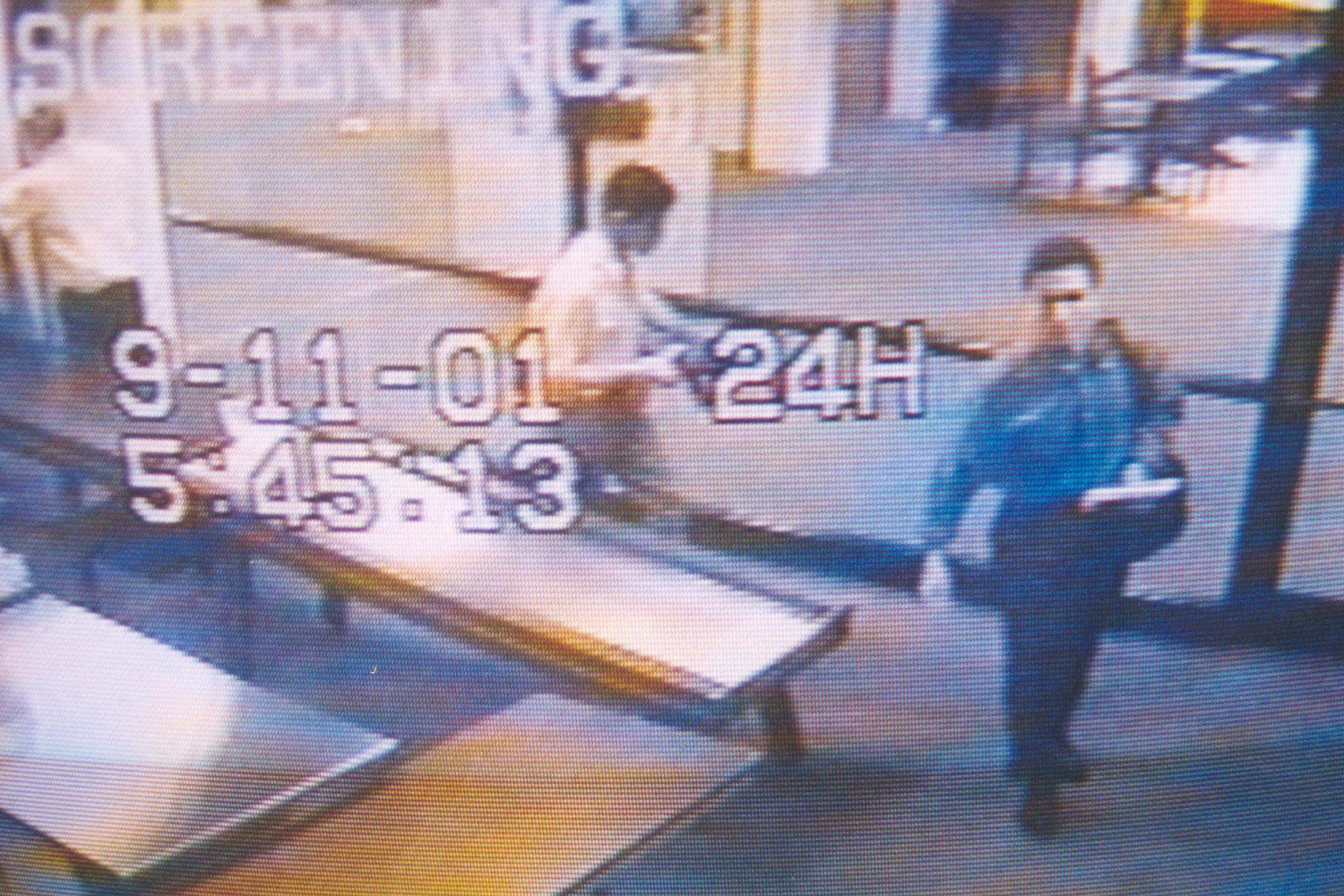
!A surveillance camera photograph of two men Identified by authorities as suspected hijackers Abdulaziz Alomari and Mohammed Atta as they pass through airport security September 11, 2001.
*A surveillance camera photograph of two men Identified by authorities as suspected hijackers Abdulaziz Alomari and Mohammed Atta as they pass through airport security September 11, 2001.*
A surveillance camera shows two men identified by authorities as suspected hijackers (from left) Abdulaziz Alomari and Mohammed Atta as they pass through airport security on Sept. 11, 2001. Getty Images/U.S. Navy
Listen to this article
1.0x
00:00
/ 15:33
Listen to this article
To hear more, download the Noa app
Your browser does not support the audio element.
By using this website, you agree to our use of cookies. This use includes personalization of content and ads, and traffic analytics. Review our Privacy Policy for more information.
!Foreign Policy
Foreign Policy
Get analysis and alerts more quickly in the mobile app.
Install
Back to Foreign Policy Magazine home page
* Latest
* Regions
+ Asia & the Pacific
+ China
+ Middle East & Africa
+ Americas
+ Europe
* Newsletters
Editors’ Picks
Evening roundup with our editors’ favorite stories of the day
!World Brief Icon
World Brief
Your guide to the most important world stories of the day
!China Brief Icon
China Brief
The latest news, analysis, and data from the country each week
Situation Report
Weekly update on what’s driving U.S. national security policy
FP Weekend
A curation of our best book reviews, deep dives, and other reads
!Africa Brief Icon
Africa Brief
Essential analysis of the stories shaping geopolitics on the continent
!South Asia Brief Icon
South Asia Brief
Weekly update on developments in India and its neighbors
The Reading List
Curated guides on geopolitics and current affairs
FP Bookshelf
A monthly guide to FP’s book reviews, excerpts, and reading recommendations
!Latin America Brief Icon
Latin America Brief
One-stop digest of politics, economics, and culture
!Southeast Asia Brief Icon
Southeast Asia Brief
A weekly dispatch with news from the region’s 11 countries
The New Geopolitics
A five-part masterclass in IR theory with Harvard Professor Stephen M. Walt
View All Newsletters
* FP Live
* Latest
* Trending:
* Nepal floods
* Strait of Hormuz attacks
* Venezuela oil deal
Search this website
* Preferences
* My FP Feed
* Saved Articles
* Newsletters
* Magazine Archive
* Subscription Settings
* FAQs
* Log Out
Sign In
Sign In
Partner with FP at UNGA81 Partner with FP at UNGA81
Subscribe SubscribePartner with FP at UNGA81 Partner with FP at UNGA81
Analysis:
25 Years After 9/11, What Are We Failing to Imagine Now?
*
*
* Bluesky
* X
Save
Save
1. Create an FP account to save articles to read later.
Sign Up
ALREADY AN FP SUBSCRIBER? LOGIN
1. **Downloadable PDFs** are a benefit of an FP subscription.
Subscribe Now
ALREADY AN FP SUBSCRIBER? LOGIN
Gift
Gift
*
*
1. Gifting articles is a subscriber benefit.
Subscribe Now
ALREADY AN FP SUBSCRIBER? LOGIN
2. This article is an Insider exclusive.
Contact us at [email protected] to learn about upgrade options, unlocking the ability to gift this article.
Analysis
25 Years After 9/11, What Are We Failing to Imagine Now?
The counterterrorism community struggles with how technology might be applied to novel use cases.
September 7, 2026, 12:28 AM
By **Colin P. Clarke**, the director of research at the Soufan Group and a senior research fellow at the Soufan Center, and **Clara Broekaert**, a security researcher focused on foreign interference, technology, and terrorism.
!A surveillance camera photograph of two men Identified by authorities as suspected hijackers Abdulaziz Alomari and Mohammed Atta as they pass through airport security September 11, 2001.
*A surveillance camera photograph of two men Identified by authorities as suspected hijackers Abdulaziz Alomari and Mohammed Atta as they pass through airport security September 11, 2001.*
A surveillance camera shows two men identified by authorities as suspected hijackers (from left) Abdulaziz Alomari and Mohammed Atta as they pass through airport security on Sept. 11, 2001. Getty Images/U.S. Navy
Listen to this article
1.0x
00:00
/ 15:33
Listen to this article
To hear more, download the Noa app
Your browser does not support the audio element.
🔗 Share Article
Tags:#الإرهاب#التكنولوجيا#الأمن القومي#مكافحة الإرهاب#الاستخبارات#الأمن السيبراني
Source: Foreign Policy
For Context
Related reads from the same topic or latest developments


