Risk and Reward Along Africa’s Red Sea Littoral
By using this website, you agree to our use of cookies. This use includes personalization of content and ads, and traffic analytics. Review our Privacy Policy for more information.
Foreign Policy Get analysis and alerts more quickly in the mobile app.
Install
Back to Foreign Policy Magazine home page
Evening roundup with our editors’ favorite stories of the day
World Brief
Your guide to the most important world stories of the day
China Brief
The latest news, analysis, and data from the country each week
Situation Report
Weekly update on what’s driving U.S. national security policy
FP Weekend
A curation of our best book reviews, deep dives, and other reads
Africa Brief
Essential analysis of the stories shaping geopolitics on the continent
South Asia Brief
Weekly update on developments in India and its neighbors
The Reading List
Curated guides on geopolitics and current affairs
FP Bookshelf
A monthly guide to FP’s book reviews, excerpts, and reading recommendations
Latin America Brief
One-stop digest of politics, economics, and culture
Southeast Asia Brief
A weekly dispatch with news from the region’s 11 countries
The New Geopolitics
A five-part masterclass in IR theory with Harvard Professor Stephen M. Walt
View All Newsletters
Give a gift Give a gift
Subscribe Subscribe Give a gift Give a gift
Essay: Risk and Reward Along Africa’s Red Sea Littoral
1. Create an FP account to save articles to read later.
Sign Up
ALREADY AN FP SUBSCRIBER? LOGIN
PDF
1. **Downloadable PDFs** are a benefit of an FP subscription.
ALREADY AN FP SUBSCRIBER? LOGIN
Gift
1. Gifting articles is a subscriber benefit.
ALREADY AN FP SUBSCRIBER? LOGIN
2. This article is an Insider exclusive.
Contact us at [email protected] to learn about upgrade options, unlocking the ability to gift this article.
Essay
Risk and Reward Along Africa’s Red Sea Littoral
What the arrival of Middle Eastern rivalries means for Somaliland, Puntland, and Eritrea.
November 24, 2026, 12:15 PM
By **Michael Woldemariam**, an associate professor and the Ph.D. program director in the University of Maryland’s School of Public Policy, and **Biruk Terrefe**, a lecturer in African politics at the University of Bayreuth and a research associate at Oxford’s African Studies Centre.
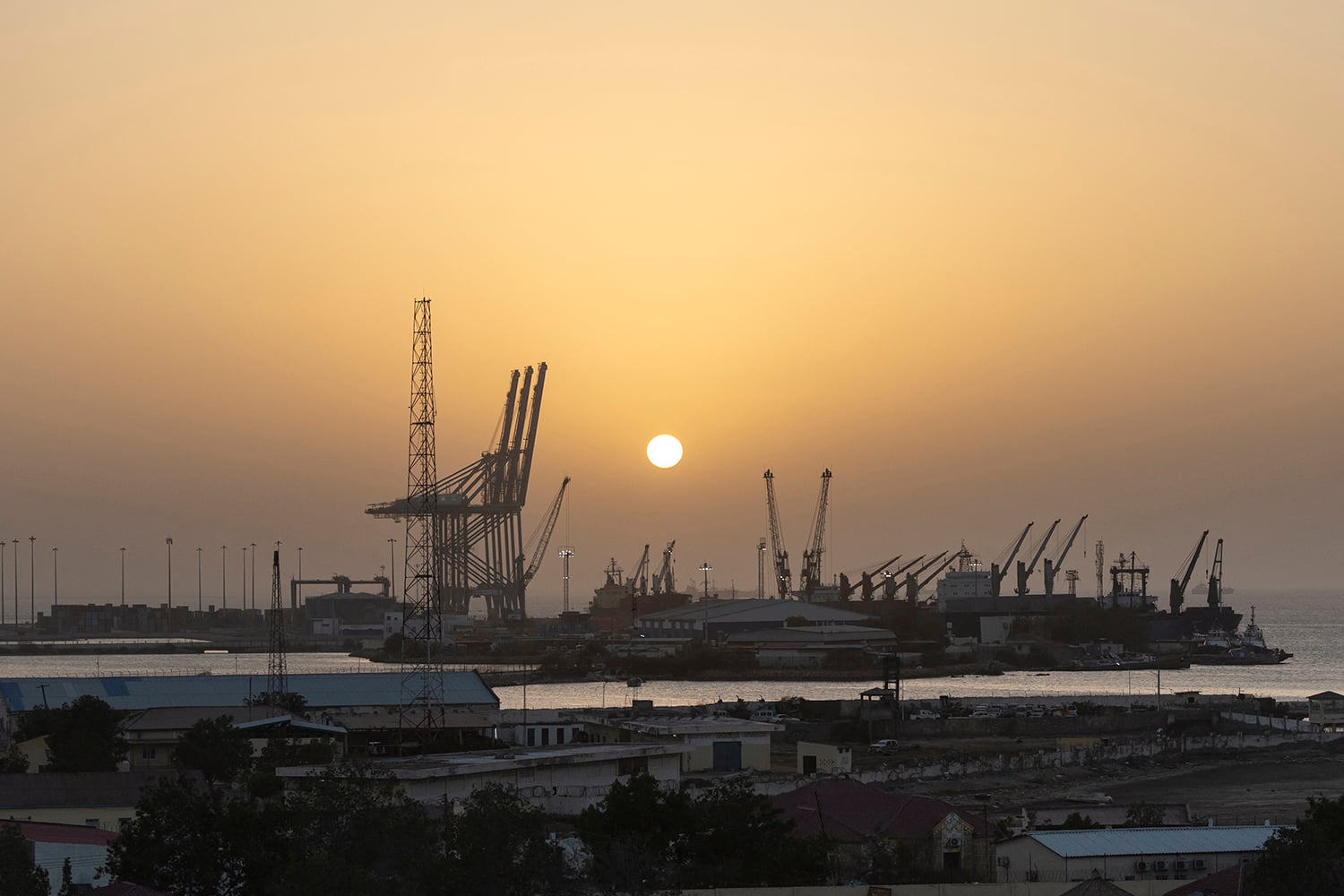
*Silhouetted shipping cranes and cargo vessels at a waterfront port beneath a hazy, warm-toned sky with a low sun.*
A view of Berbera port in Somaliland, a breakaway region of Somalia, on Feb. 18. Tony Karumba/AFP via Getty Images
1. Get audio access with any FP subscription.
ALREADY AN FP SUBSCRIBER? LOGIN
The new era of maritime chokepoint disruption has, in many ways, highlighted the importance of Africa’s Red Sea and Gulf of Aden states. The Houthis’ ability to hold the Bab el-Mandeb at risk, combined with the deepening rivalry between the Abraham and Mecca blocs of the Middle East, have created powerful incentives for a range of extra-regional actors to further expand their partnerships along the Horn of Africa’s coastline. This is particularly clear in the southern Red Sea and Gulf of Aden, where the United Arab Emirates, Israel, and the United States have grown their diplomatic and military engagement in Puntland and Somaliland, and where the United States has pursued a diplomatic rapprochement with Eritrea.
What does this mean for the Horn of Africa’s littoral states? Although their geographic proximity to what Bruno Macaes called “the strait at the center of the world” has emerged as valuable strategic currency, it is not hard to see how the attempt to coopt Africa’s Red Sea states into one alliance or another could go wrong. The concerns are threefold: that the Horn’s littoral states might become entrapped in conflicts that are not their own; that the intra-Horn rivalries the littoral states are already enmeshed in are made more acute; and that internal governance conditions in the Horn’s states further deteriorate.
The Horn’s littoral states cannot wish away geography or the incentives that it creates. But they do have room to maneuver. Robust public debate among Horn publics, prudent decision-making from ruling elites, and conscientious engagement from key external partners can ensure that this new chapter of geopolitical centrality does not further destabilize a region that is already at the precipice.
Lori Kelley map/Foreign Policy
The Horn of Africa has been a critical node since the inauguration of the Suez Canal in 1869. But the intensity with which this fact has been felt has waxed and waned over time. The start of the Yemen War in 2015 initiated another period of growing entanglement between the Horn of Africa and a range of outside powers, each of whom sought a strategic perch near the Red Sea corridor from which to project their security and commercial interests.
But the turmoil in the Middle East after Oct. 7, 2023, has sharpened this dynamic. Two developments have been particularly consequential. The first is the Houthi campaign to interrupt maritime traffic in the southern Red Sea and Gulf of Aden, with a first wave of attacks beginning in November 2023 and a second wave targeting Saudi shipping starting in the summer of 2026. The second dynamic has been the deepening rivalry between the Abraham and Mecca blocs of the Middle East. Although these respective blocs are not entirely coherent, there are clear divisions over Israel’s increasingly muscular security policy; the Iran crisis; and their respective interventions in conflicts between national governments and subnational armed actors across the region.
In the face of new strategic pressures, s
Risk and Reward Along Africa’s Red Sea Littoral
This essay examines how spillover from Middle Eastern rivalries is reshaping the Red Sea coast of the Horn of Africa, with Somaliland, Puntland, and Eritrea at the center of competing external partnerships. The authors warn that the region's newfound geopolitical value could deepen instability in an already fragile neighborhood unless local elites, publics, and outside partners act with restraint.
Cross Lines newsroom
Share this article
#القرن الأفريقي#البحر الأحمر#أرض الصومال#بونتلاند#إريتريا#الحوثيون
Original source: Foreign Policy