Fact Check Team: Trump and Xi expected to discuss trade, Iran, Taiwan and AI - National News Desk
أخبار الصين
أ
أخبار الصين
Original Source
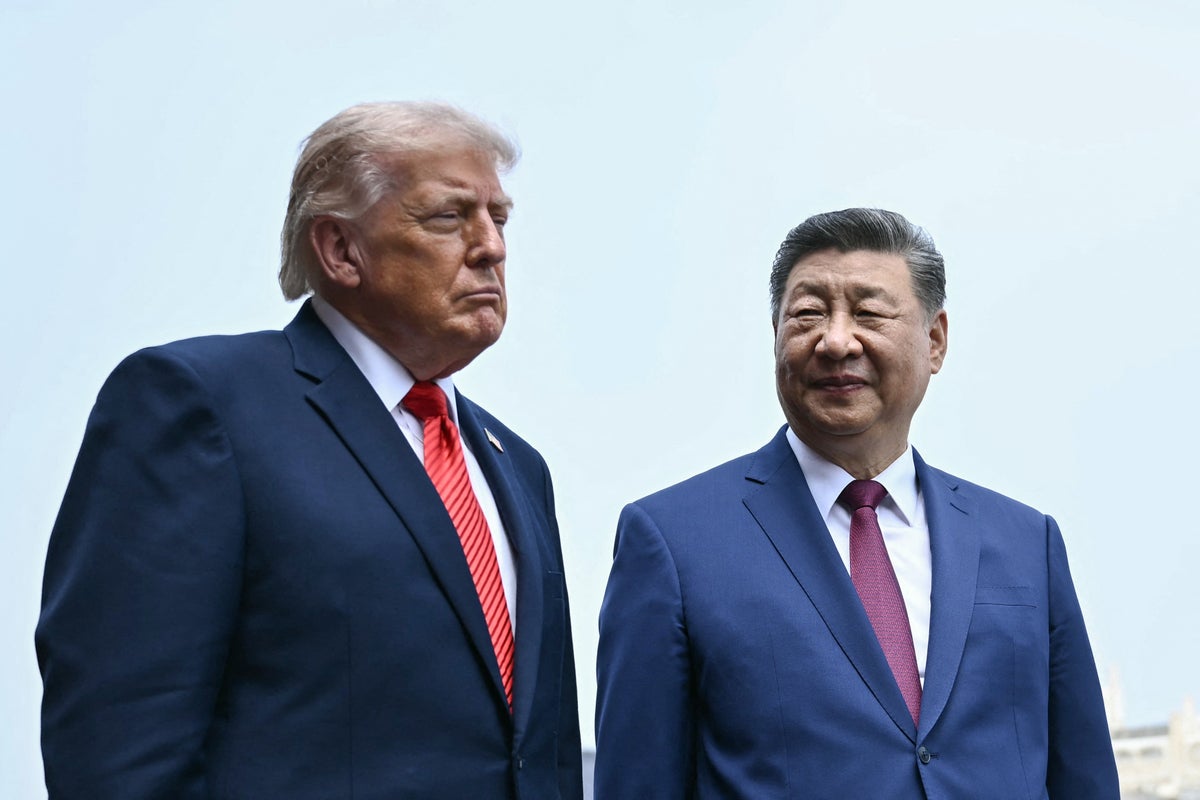
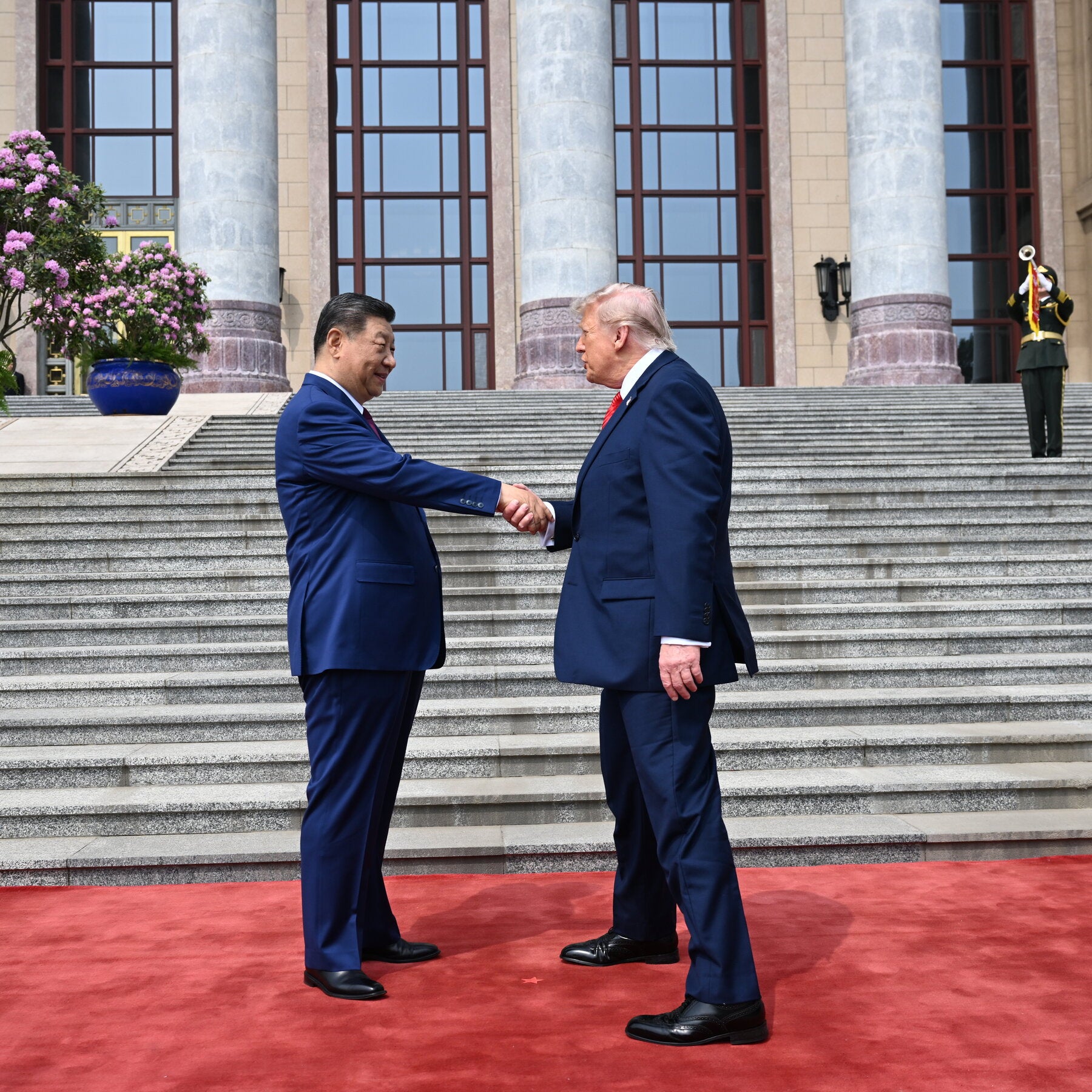
President Donald Trump and Chinese President Xi Jinping are set to meet at the White House on Thursday, September 24, to discuss major geopolitical issues including trade tensions, Iran policy, Taiwan's status, and artificial intelligence competition. The bilateral talks come amid heightened U.S.-China friction over tariffs, technology restrictions, and security concerns.
WASHINGTON (TNND) —President Donald Trump and Chinese President Xi Jinping are set to meet at the White House Thursday, Sept. 24, with trade, Taiwan, Iran and artificial intelligence among the major issues expected to shape their talks.
The meeting comes as the U.S.-China relationship remains strained over tariffs, technology restrictions and security issues, while the war with Iran has added another geopolitical complication.
Here is what The Fact Check Team found about thebiggest issueson the agenda.
China has significanteconomic leveragewith Iran because it is the country's dominant buyer of oil.
The U.S. Treasury Department said in April that China purchases approximately 90% of Iran's oil exports, with independent Chinese refineries accounting for most of those imports.
Reuters reports that Washington wants Beijing to use that economic relationship to pressure Tehran as the U.S. and Iran remain at odds. Chinahas also been discussingthe Middle East with U.S. officials and has called for restraint and a return to diplomatic negotiations, even hosting Iranian officials days before the bilateral.
But having economic leverage does not mean Beijing will necessarily use it in the way Washington wants.
China has continued buying Iranian oil despite U.S. sanctions, making the oil relationship an important part of the broader U.S.-China-Iran dynamic.
China has substantial economic leverage with Iran. What Beijing is willing to do with that leverage — and whether it aligns with U.S. objectives — is a matter for the negotiations.
Taiwan is anothermajor point of disagreementbetween Washington and Beijing.
China considers Taiwan part of its territory and has pressed the United States to take a harder line against what Beijing describes as support for Taiwanese independence.
Washington's longstanding "one China" policy is guided by theTaiwan Relations Act,the three U.S.-China Joint Communiquésandthe Six Assurances.The State Department has said the United States does not support Taiwan independence and opposes unilateral changes to the status quo across the Taiwan Strait.
At the same time, the United States maintains an unofficial relationship with Taiwan and provides defense articles and services to help Taiwan maintain its self-defense capability under the Taiwan Relations Act.
Reuters reported that Xi is expected to press Trump over U.S. arms sales to Taiwan and the language Washington uses to describe its Taiwan policy.
That means a change in rhetoric at the summit could matter politically and diplomatically, but it would not by itself erase the laws and agreements that form the foundation of U.S. policy toward Taiwan.
The United States does not simply "defer to China" on Taiwan's sovereignty. Washington maintains its own "one China" policy and does not endorse Beijing's position that Taiwan is part of China.
Artificial intelligence is another major area of competition between Washington and Beijing.
The two governmentssee AI as importantto economic and national-security capabilities, but they disagree over issues including advanced semiconductor access, technology transfers and regulation.
The countries are also discussing ways to reduce the risks associated with increasinglypowerfulAI systems.
Ahead of the summit, U.S. Treasury Secretary Scott Bessent said Washington had proposed an AI safety notification mechanism that could allow the two countries to communicate about serious AI-related incidents. China had not clearly committed to the proposal as of the talks.
The AI competition is also playing out domestically in the United States.
Data centers that power AI systems require enormous amounts of electricity, promptinga political debateover who should pay for the additional infrastructure needed to support them. The House recently passed legislation addressing potential electricity costs associated with large power users such as data centers, while the issue has also become part of the broader debate over AI ahead of the2026 midterm elections.
So the AI issue at the Trump-Xi summit is about more than chatbots. It involves advanced chips, national security, AI safety, technological competition and the infrastructure needed to power the technology.
The Trump-Xi meeting is taking place against a backdrop of disagreements over trade, technology and security.
Reutersidentifiestrade, Taiwan, Iran and artificial intelligence as key issues surrounding the summit.
For viewers, the biggest takeaway is that this is not simply a conversation about tariffs. The two countries are negotiating over a much broader relationship involving technology, energy, military security and competing interests around the world.
The meeting comes as the U.S.-China relationship remains strained over tariffs, technology restrictions and security issues, while the war with Iran has added another geopolitical complication.
Here is what The Fact Check Team found about thebiggest issueson the agenda.
China has significanteconomic leveragewith Iran because it is the country's dominant buyer of oil.
The U.S. Treasury Department said in April that China purchases approximately 90% of Iran's oil exports, with independent Chinese refineries accounting for most of those imports.
Reuters reports that Washington wants Beijing to use that economic relationship to pressure Tehran as the U.S. and Iran remain at odds. Chinahas also been discussingthe Middle East with U.S. officials and has called for restraint and a return to diplomatic negotiations, even hosting Iranian officials days before the bilateral.
But having economic leverage does not mean Beijing will necessarily use it in the way Washington wants.
China has continued buying Iranian oil despite U.S. sanctions, making the oil relationship an important part of the broader U.S.-China-Iran dynamic.
China has substantial economic leverage with Iran. What Beijing is willing to do with that leverage — and whether it aligns with U.S. objectives — is a matter for the negotiations.
Taiwan is anothermajor point of disagreementbetween Washington and Beijing.
China considers Taiwan part of its territory and has pressed the United States to take a harder line against what Beijing describes as support for Taiwanese independence.
Washington's longstanding "one China" policy is guided by theTaiwan Relations Act,the three U.S.-China Joint Communiquésandthe Six Assurances.The State Department has said the United States does not support Taiwan independence and opposes unilateral changes to the status quo across the Taiwan Strait.
At the same time, the United States maintains an unofficial relationship with Taiwan and provides defense articles and services to help Taiwan maintain its self-defense capability under the Taiwan Relations Act.
Reuters reported that Xi is expected to press Trump over U.S. arms sales to Taiwan and the language Washington uses to describe its Taiwan policy.
That means a change in rhetoric at the summit could matter politically and diplomatically, but it would not by itself erase the laws and agreements that form the foundation of U.S. policy toward Taiwan.
The United States does not simply "defer to China" on Taiwan's sovereignty. Washington maintains its own "one China" policy and does not endorse Beijing's position that Taiwan is part of China.
Artificial intelligence is another major area of competition between Washington and Beijing.
The two governmentssee AI as importantto economic and national-security capabilities, but they disagree over issues including advanced semiconductor access, technology transfers and regulation.
The countries are also discussing ways to reduce the risks associated with increasinglypowerfulAI systems.
Ahead of the summit, U.S. Treasury Secretary Scott Bessent said Washington had proposed an AI safety notification mechanism that could allow the two countries to communicate about serious AI-related incidents. China had not clearly committed to the proposal as of the talks.
The AI competition is also playing out domestically in the United States.
Data centers that power AI systems require enormous amounts of electricity, promptinga political debateover who should pay for the additional infrastructure needed to support them. The House recently passed legislation addressing potential electricity costs associated with large power users such as data centers, while the issue has also become part of the broader debate over AI ahead of the2026 midterm elections.
So the AI issue at the Trump-Xi summit is about more than chatbots. It involves advanced chips, national security, AI safety, technological competition and the infrastructure needed to power the technology.
The Trump-Xi meeting is taking place against a backdrop of disagreements over trade, technology and security.
Reutersidentifiestrade, Taiwan, Iran and artificial intelligence as key issues surrounding the summit.
For viewers, the biggest takeaway is that this is not simply a conversation about tariffs. The two countries are negotiating over a much broader relationship involving technology, energy, military security and competing interests around the world.
🔗 Share Article
Tags:#الصين#الولايات المتحدة#ترامب#شي جينبينغ#العلاقات الدولية#الذكاء الاصطناعي
Source: أخبار الصين
For Context
Related reads from the same topic or latest developments