From uneasy partners to open distrust: Aoun and Hezbollah struggle to rebuild ties
Middle East Eye
M
Middle East Eye
Original Source
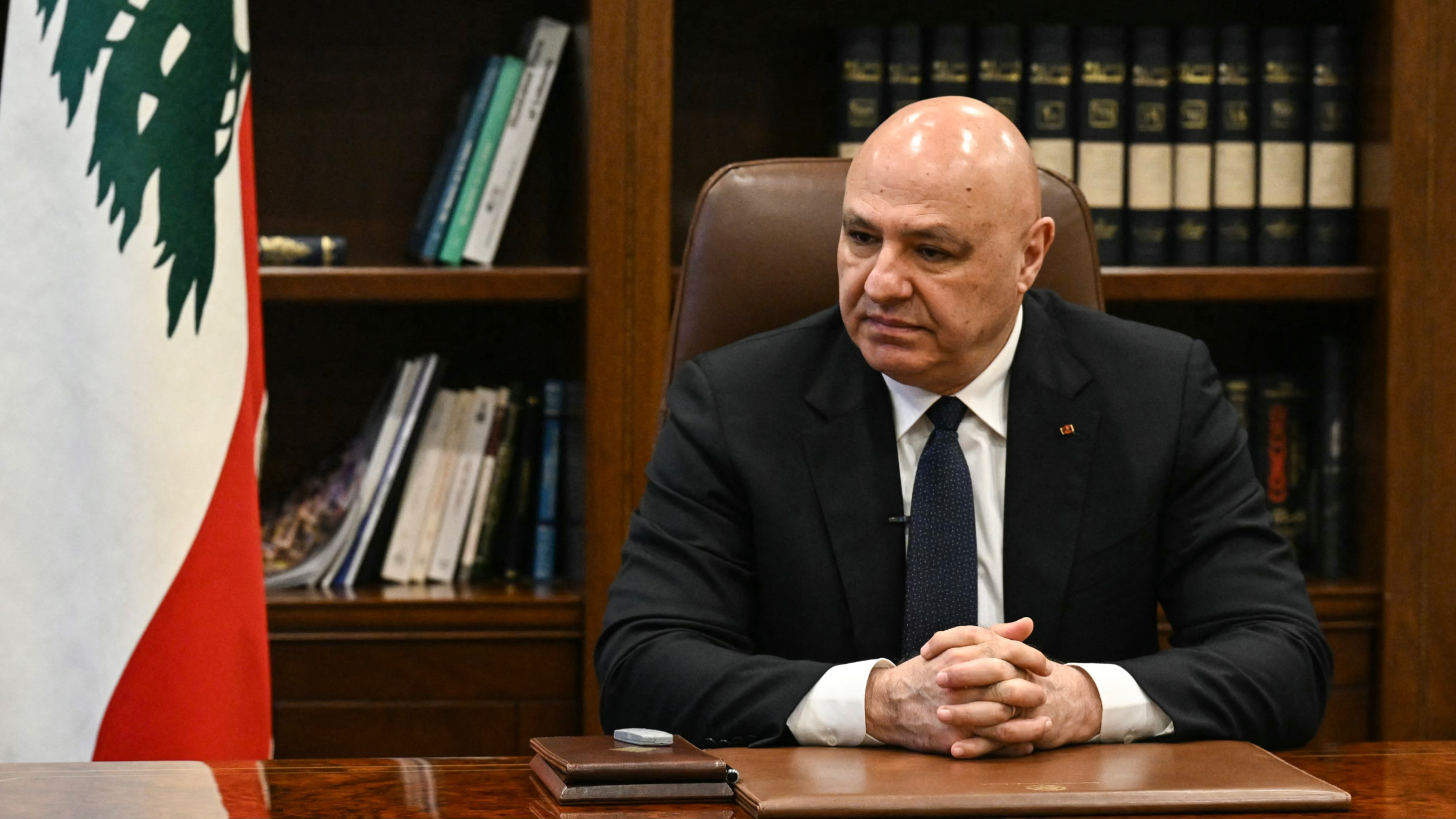
Relations between Lebanese President Joseph Aoun and Hezbollah have deteriorated into a dispute over weapons, sovereignty and Lebanon's security future, with trust largely collapsed despite ongoing communication channels. The rift deepened after Hezbollah's rocket attack on Israel in March 2025 prompted the government to ban the party's military activities, leaving both sides locked in competing demands that show little sign of resolution.
The relationship between Lebanese President Joseph Aoun and Hezbollah has deteriorated into a dispute over weapons, sovereignty and the future of Lebanon’s security, with sources on both sides acknowledging that communication continues but trust has largely collapsed.
When Aoun was elected president in January 2025, Hezbollah supported his election, helping end a prolonged presidential vacancy. But the political understanding that facilitated his election did not resolve the fundamental disagreement over Hezbollah’s independent military structure and the state’s authority to decide matters of war and peace.
From the beginning of his presidency, Aoun made clear that he wanted weapons brought under state control. In his inaugural address, he pledged to affirm the state’s right to monopolise arms, linking the principle to strengthening the Lebanese Armed Forces, protecting the country’s borders and implementing international resolutions.
His position became more explicit in a speech marking Army Day in July 2025, when he called for the army and security forces to have the exclusive right to bear arms, urging Hezbollah and its supporters to “place your bet solely on the Lebanese state”.
The disagreement deepened in January 2026, when Aoun said the circumstances that had once justified weapons outside state control no longer existed, and that their continued presence had become a burden on Hezbollah’s own community and Lebanon as a whole.
Hezbollah criticised the remarks, expressing “disappointment” with Aoun’s position.
Party spokesperson Youssef al-Zein argued that Hezbollah was exercising restraint in the face of Israeli attacks and that further disarmament should not be discussed before Israel withdrew from positions it continued to occupy in southern Lebanon.
The dispute extended beyond disarmament.
In late January, Hezbollah's leader Naim Qassem said the party was “not neutral” in a potential conflict involving the United States and Iran. The presidency reiterated that decisions on war and peace belonged to the Lebanese state, underscoring the tension between Hezbollah’s regional commitments and Aoun’s insistence that such decisions be made by state institutions.
The decisive rupture came on 2 March, when Hezbollah launched rockets at Israel following the US-Israeli assassination of Iran's Supreme Leader Ali Khamenei.
The government responded by banning Hezbollah’s military and security activities, calling on the group to surrender its weapons and directing the army to advance its plan to bring all weapons under state control north of the Litani River. Aoun condemned the rocket launch, further straining relations with the party that had supported his election.
'Aoun 1, Aoun 2'
A source close to Hezbollah said trust in the presidency had been exhausted, citing what the source described as Aoun’s failure to honour previous understandings and his support for the government’s response.
“The first step is to reverse the decision,” the source said, arguing that normal engagement was impossible while Hezbollah’s military and security activities remained banned. The source also accused Aoun of placing excessive faith in Washington, saying he appeared to believe that meeting US President Donald Trump had made the United States his ally.
The source offered a pointed assessment of the president’s transformation: “You could say there is Joseph Aoun 1, the army commander, and a different Joseph Aoun 2, the president. The first is not like the second.”
The presidency disputes Hezbollah’s account of the relationship. A source close to Baabda said ties had not been severed, but remained below the level required given the sensitivity of the current period. Communication continued through an established channel, the source said, but there had been no return to high-level engagement.
“Nothing” prevents direct communication from the presidency’s side, the source said, adding that Hezbollah’s demands were unrealistic under the current circumstances.
The source also said that attempts to communicate with Hezbollah had been made on several occasions, but questioned who was making decisions within the organisation.
“To be frank, we do not know who is leading the party today, or whether they themselves even know who actually makes the decisions within Hezbollah,” the source said.
The competing accounts reveal a relationship in which both sides believe the other must make the first move. Hezbollah wants the government to reverse its March decision before trust can be restored, while the presidency maintains that state authority over weapons and decisions of war and peace cannot be negotiable.
The deeper question is whether the two sides can agree on a security arrangement that places decisions firmly in the hands of the Lebanese state while addressing Hezbollah’s argument that its weapons remain necessary in the face of Israeli occupation and attacks.
For now, neither side describes relations as formally severed. But the gap between their positions, and the distrust expressed by sources close to both, suggests that restoring ties will require more than reopening a channel of communication. It will require agreement on the limits of Hezbollah’s military role and the authority of the Lebanese state.
When Aoun was elected president in January 2025, Hezbollah supported his election, helping end a prolonged presidential vacancy. But the political understanding that facilitated his election did not resolve the fundamental disagreement over Hezbollah’s independent military structure and the state’s authority to decide matters of war and peace.
From the beginning of his presidency, Aoun made clear that he wanted weapons brought under state control. In his inaugural address, he pledged to affirm the state’s right to monopolise arms, linking the principle to strengthening the Lebanese Armed Forces, protecting the country’s borders and implementing international resolutions.
His position became more explicit in a speech marking Army Day in July 2025, when he called for the army and security forces to have the exclusive right to bear arms, urging Hezbollah and its supporters to “place your bet solely on the Lebanese state”.
The disagreement deepened in January 2026, when Aoun said the circumstances that had once justified weapons outside state control no longer existed, and that their continued presence had become a burden on Hezbollah’s own community and Lebanon as a whole.
Hezbollah criticised the remarks, expressing “disappointment” with Aoun’s position.
Party spokesperson Youssef al-Zein argued that Hezbollah was exercising restraint in the face of Israeli attacks and that further disarmament should not be discussed before Israel withdrew from positions it continued to occupy in southern Lebanon.
The dispute extended beyond disarmament.
In late January, Hezbollah's leader Naim Qassem said the party was “not neutral” in a potential conflict involving the United States and Iran. The presidency reiterated that decisions on war and peace belonged to the Lebanese state, underscoring the tension between Hezbollah’s regional commitments and Aoun’s insistence that such decisions be made by state institutions.
The decisive rupture came on 2 March, when Hezbollah launched rockets at Israel following the US-Israeli assassination of Iran's Supreme Leader Ali Khamenei.
The government responded by banning Hezbollah’s military and security activities, calling on the group to surrender its weapons and directing the army to advance its plan to bring all weapons under state control north of the Litani River. Aoun condemned the rocket launch, further straining relations with the party that had supported his election.
'Aoun 1, Aoun 2'
A source close to Hezbollah said trust in the presidency had been exhausted, citing what the source described as Aoun’s failure to honour previous understandings and his support for the government’s response.
“The first step is to reverse the decision,” the source said, arguing that normal engagement was impossible while Hezbollah’s military and security activities remained banned. The source also accused Aoun of placing excessive faith in Washington, saying he appeared to believe that meeting US President Donald Trump had made the United States his ally.
The source offered a pointed assessment of the president’s transformation: “You could say there is Joseph Aoun 1, the army commander, and a different Joseph Aoun 2, the president. The first is not like the second.”
The presidency disputes Hezbollah’s account of the relationship. A source close to Baabda said ties had not been severed, but remained below the level required given the sensitivity of the current period. Communication continued through an established channel, the source said, but there had been no return to high-level engagement.
“Nothing” prevents direct communication from the presidency’s side, the source said, adding that Hezbollah’s demands were unrealistic under the current circumstances.
The source also said that attempts to communicate with Hezbollah had been made on several occasions, but questioned who was making decisions within the organisation.
“To be frank, we do not know who is leading the party today, or whether they themselves even know who actually makes the decisions within Hezbollah,” the source said.
The competing accounts reveal a relationship in which both sides believe the other must make the first move. Hezbollah wants the government to reverse its March decision before trust can be restored, while the presidency maintains that state authority over weapons and decisions of war and peace cannot be negotiable.
The deeper question is whether the two sides can agree on a security arrangement that places decisions firmly in the hands of the Lebanese state while addressing Hezbollah’s argument that its weapons remain necessary in the face of Israeli occupation and attacks.
For now, neither side describes relations as formally severed. But the gap between their positions, and the distrust expressed by sources close to both, suggests that restoring ties will require more than reopening a channel of communication. It will require agreement on the limits of Hezbollah’s military role and the authority of the Lebanese state.
🔗 Share Article
Tags:#لبنان#جوزيف عون#حزب الله#الأمن اللبناني#الصراع الإقليمي
Source: Middle East Eye
For Context
Related reads from the same topic or latest developments