Trump: ‘Iran wants to make a deal’ but Tehran ‘not ready’ yet - Gulf News
أخبار إيران
أ
أخبار إيران
Original Source
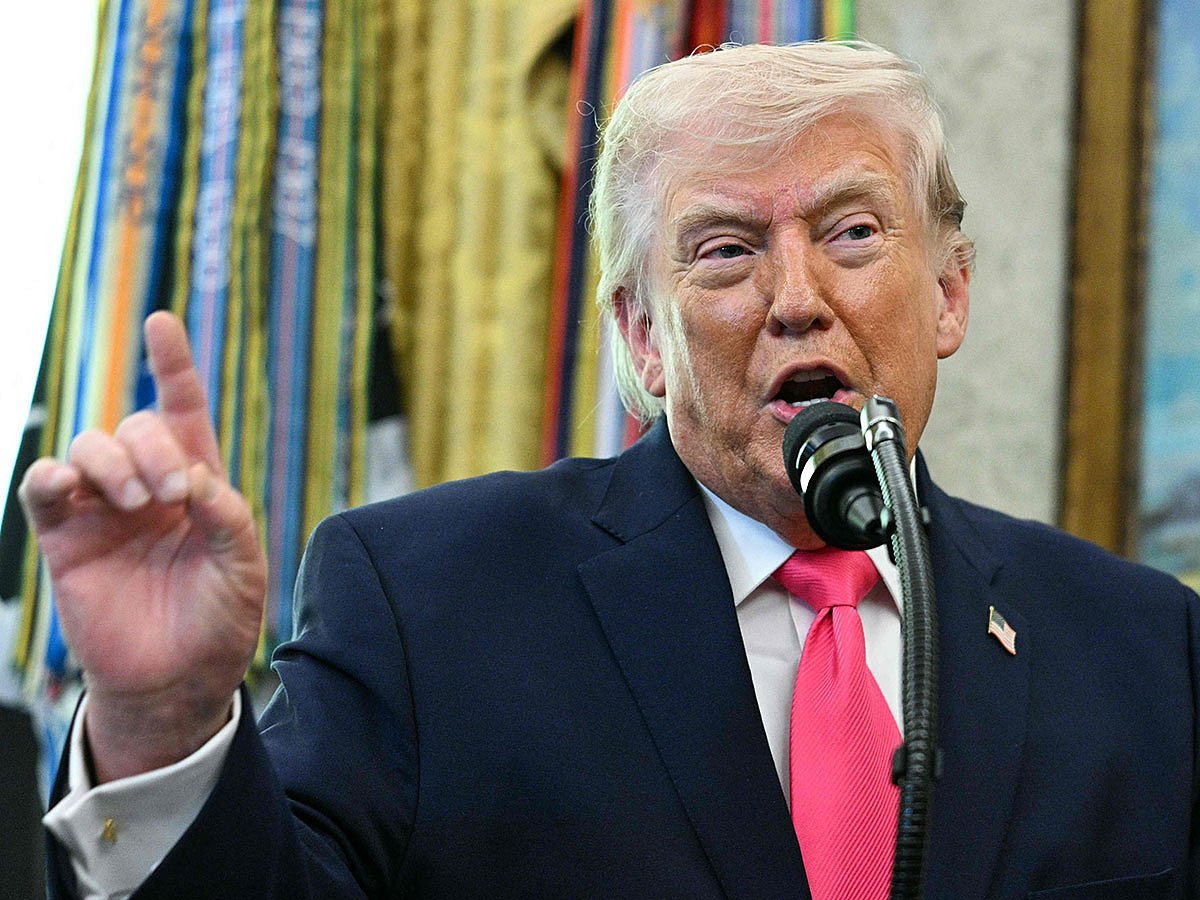
US President Donald Trump said Iran wants to strike a deal with Washington but remains unprepared to accept terms he deems necessary, leaving diplomatic channels open despite ongoing hostilities. Trump reiterated that America will accept only a "good" agreement or no agreement at all.
Washington will accept only a deal he considers ‘good’ as war enters its 7th month
US President Donald Trump has said Iran wants to reach a deal with Washington but is not yet prepared to accept the terms he considers necessary, signaling that diplomacy remains possible even as the US-Iran war continues.
“Iran wants to make a deal; they're not ready, in my opinion. We're gonna either make a deal that's good, or we're not gonna make a deal at all,” Trump said in a statement posted by the White House @RapidResponse X account.
The comments came as Trump has increasingly portrayed the conflict as approaching a possible diplomatic end while simultaneously warning that the US could resume or intensify military action.
Trump said Thursday that the US was “hopefully toward the end” of the war and claimed that he had communicated directly with Iranian officials. Tehran has not publicly confirmed the details of the contact.
In an interview with Axios, Trump said he was approaching a major decision over whether to resume large-scale military operations against Iran.
“Do I want to go in and annihilate them ... or do I not? It's a big decision. Anything could happen with me,” Trump said, according to Axios.
The comments underscore the uncertainty surrounding the diplomatic track. Trump is simultaneously saying Iran wants an agreement and warning that Washington will not accept an arrangement that falls short of his demands.
The war, which began with US and Israeli attacks on Iran on February 28, has now entered its seventh month. Iran subsequently launched attacks against Israel and Gulf states hosting US forces.
One of the biggest issues is the Strait of Hormuz, the strategic waterway through which a substantial share of global oil shipments normally passes.
Commercial traffic remains severely disrupted.
Onlythree commercial vesselstransited the Strait of Hormuz on Wednesday, compared with 12 the previous day and a 10-day average of about 17, according to preliminary Kpler data cited by Reuters. Some vessels were using routes with their automatic identification systems switched off.
The disruption has kept pressure on global energy markets, with Brent crude recently trading above $100 a barrel amid continuing concerns about oil supplies.
For Gulf countries, reopening the waterway is therefore likely to be a central issue in any eventual settlement.
Trump is also expected to meet leaders or foreign ministers from the six Gulf Cooperation Council countries —Saudi Arabia, the UAE, Qatar, Bahrain, Kuwait and Oman— in New York during the UN General Assembly next week.
The discussions are expected to cover the war and US thinking about a postwar strategy.
The planned meeting gives Gulf states a direct channel to discuss the security and economic consequences of the conflict, including attacks on energy infrastructure and disruption to shipping.
Washington's decision to allow Iran's President Masoud Pezeshkian and Foreign Minister Abbas Araghchi to attend the UN General Assembly has also created a potential diplomatic opening.
The US State Department approved visas for Iran's core delegation despite the ongoing war, although the delegation faces restrictions on travel and purchases in the United States.
That could bring senior American and Iranian officials into the same diplomatic environment at a particularly sensitive moment.
Trump's formulation —“a deal that's good, or ... no deal at all”— suggests that Washington is presenting negotiations as conditional rather than as an agreement at any cost.
Iran's nuclear programme:What restrictions would Tehran accept on enrichment and nuclear-related activities?
Strait of Hormuz:How and when would commercial shipping return to normal?
Sanctions:What US economic restrictions could be lifted, and under what conditions?
Iranian military capabilities:What limits, if any, would apply to missiles and other weapons?
Regional armed groups:What would happen to Iran's support for groups operating in Yemen, Lebanon and elsewhere?
US military presence:What security guarantees or troop deployments would remain in the Gulf?
Washington and Tehran have previously disagreed over what any settlement should contain. Earlier negotiations have also stalled, while military pressure and economic sanctions have continued.
Diplomatic tensions surrounding Iran have also intensified at the UN.
Russia and China on Thursday vetoed a resolutionthat would have extended the mandate of an independent panel monitoring sanctions violations involving Iran. Eleven Security Council members voted for the extension, while Pakistan and Somalia abstained.
The vote highlighted the wider geopolitical divide surrounding the conflict, with Moscow and Beijing arguing that the Iranian nuclear issue should be resolved through diplomacy.
Trump's latest remarks leave two tracks open:negotiation or renewed military escalation.
The immediate test will be whether Washington and Tehran can translate reported contacts into formal negotiations and whether they can bridge fundamental disagreements over Iran's nuclear programme, sanctions, military capabilities and the Strait of Hormuz.
For the Gulf, the stakes extend beyond the battlefield. Prolonged disruption to Hormuz threatens energy exports, shipping, insurance costs and regional aviation and trade.
What next? Trump squeezes Iran, Tehran vows offensive
Trump's ‘economic D-Day’: Is the war nearing an end?
Iran ex-presidents call for ‘dignified end to war'
Trump's Iran war drags on as goals shift, talks stall
US ‘hopefully toward the end’ of war with Iran: Trump
US-Iran war: What UAE residents need to know
Trump shuts door on Iran deal: Diplomacy hits a wall
Iran-Oman talks on Strait of Hormuz: What we know
US President Donald Trump has said Iran wants to reach a deal with Washington but is not yet prepared to accept the terms he considers necessary, signaling that diplomacy remains possible even as the US-Iran war continues.
“Iran wants to make a deal; they're not ready, in my opinion. We're gonna either make a deal that's good, or we're not gonna make a deal at all,” Trump said in a statement posted by the White House @RapidResponse X account.
The comments came as Trump has increasingly portrayed the conflict as approaching a possible diplomatic end while simultaneously warning that the US could resume or intensify military action.
Trump said Thursday that the US was “hopefully toward the end” of the war and claimed that he had communicated directly with Iranian officials. Tehran has not publicly confirmed the details of the contact.
In an interview with Axios, Trump said he was approaching a major decision over whether to resume large-scale military operations against Iran.
“Do I want to go in and annihilate them ... or do I not? It's a big decision. Anything could happen with me,” Trump said, according to Axios.
The comments underscore the uncertainty surrounding the diplomatic track. Trump is simultaneously saying Iran wants an agreement and warning that Washington will not accept an arrangement that falls short of his demands.
The war, which began with US and Israeli attacks on Iran on February 28, has now entered its seventh month. Iran subsequently launched attacks against Israel and Gulf states hosting US forces.
One of the biggest issues is the Strait of Hormuz, the strategic waterway through which a substantial share of global oil shipments normally passes.
Commercial traffic remains severely disrupted.
Onlythree commercial vesselstransited the Strait of Hormuz on Wednesday, compared with 12 the previous day and a 10-day average of about 17, according to preliminary Kpler data cited by Reuters. Some vessels were using routes with their automatic identification systems switched off.
The disruption has kept pressure on global energy markets, with Brent crude recently trading above $100 a barrel amid continuing concerns about oil supplies.
For Gulf countries, reopening the waterway is therefore likely to be a central issue in any eventual settlement.
Trump is also expected to meet leaders or foreign ministers from the six Gulf Cooperation Council countries —Saudi Arabia, the UAE, Qatar, Bahrain, Kuwait and Oman— in New York during the UN General Assembly next week.
The discussions are expected to cover the war and US thinking about a postwar strategy.
The planned meeting gives Gulf states a direct channel to discuss the security and economic consequences of the conflict, including attacks on energy infrastructure and disruption to shipping.
Washington's decision to allow Iran's President Masoud Pezeshkian and Foreign Minister Abbas Araghchi to attend the UN General Assembly has also created a potential diplomatic opening.
The US State Department approved visas for Iran's core delegation despite the ongoing war, although the delegation faces restrictions on travel and purchases in the United States.
That could bring senior American and Iranian officials into the same diplomatic environment at a particularly sensitive moment.
Trump's formulation —“a deal that's good, or ... no deal at all”— suggests that Washington is presenting negotiations as conditional rather than as an agreement at any cost.
Iran's nuclear programme:What restrictions would Tehran accept on enrichment and nuclear-related activities?
Strait of Hormuz:How and when would commercial shipping return to normal?
Sanctions:What US economic restrictions could be lifted, and under what conditions?
Iranian military capabilities:What limits, if any, would apply to missiles and other weapons?
Regional armed groups:What would happen to Iran's support for groups operating in Yemen, Lebanon and elsewhere?
US military presence:What security guarantees or troop deployments would remain in the Gulf?
Washington and Tehran have previously disagreed over what any settlement should contain. Earlier negotiations have also stalled, while military pressure and economic sanctions have continued.
Diplomatic tensions surrounding Iran have also intensified at the UN.
Russia and China on Thursday vetoed a resolutionthat would have extended the mandate of an independent panel monitoring sanctions violations involving Iran. Eleven Security Council members voted for the extension, while Pakistan and Somalia abstained.
The vote highlighted the wider geopolitical divide surrounding the conflict, with Moscow and Beijing arguing that the Iranian nuclear issue should be resolved through diplomacy.
Trump's latest remarks leave two tracks open:negotiation or renewed military escalation.
The immediate test will be whether Washington and Tehran can translate reported contacts into formal negotiations and whether they can bridge fundamental disagreements over Iran's nuclear programme, sanctions, military capabilities and the Strait of Hormuz.
For the Gulf, the stakes extend beyond the battlefield. Prolonged disruption to Hormuz threatens energy exports, shipping, insurance costs and regional aviation and trade.
What next? Trump squeezes Iran, Tehran vows offensive
Trump's ‘economic D-Day’: Is the war nearing an end?
Iran ex-presidents call for ‘dignified end to war'
Trump's Iran war drags on as goals shift, talks stall
US ‘hopefully toward the end’ of war with Iran: Trump
US-Iran war: What UAE residents need to know
Trump shuts door on Iran deal: Diplomacy hits a wall
Iran-Oman talks on Strait of Hormuz: What we know
🔗 Share Article
Tags:#إيران#الولايات المتحدة#ترامب#الدبلوماسية#مضيق هرمز#الخليج
Source: أخبار إيران
For Context
Related reads from the same topic or latest developments