Iran accused of blocking SIM cards, digital access to silence dissent
DW World
D
DW World
Original Source
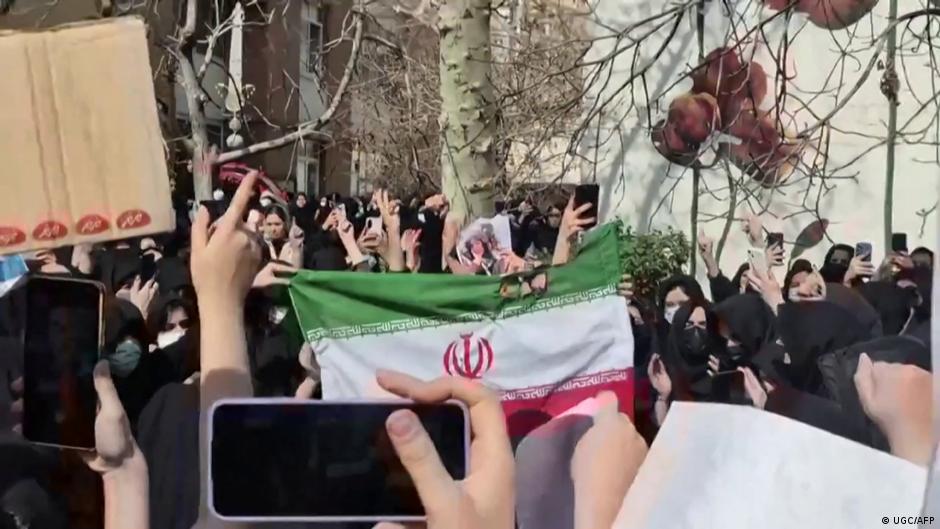
Iran is accused of systematically blocking SIM cards and digital access to suppress dissent and force activists into silence or submission. The measure cuts off access to essential banking, government, and judicial services without formal judicial orders or clear accountability.
In Iran, cell phone numbers are a key tool for digital identity verification and access to banking, judicial, administrative and insurance services, as well as many everyday activities.
As a result, disconnecting a SIM card can do more than block calls and text messages. It can also cut off access to a wide range of digital services.
Some Iranians said the restrictions on their cell phones were accompanied by the blocking of user accounts and access to banking and government services. They said access was restored only after they deleted critical content or pledged to stop participating in protest-related activities.
DW spoke to three people in Iran about the issue. They have used pseudonyms out of concern for their safety.
'Six hours of interrogation'
Sina told DW that he realized his SIM card had been disconnected while returning from university and trying to book a taxi by phone.
The 25-year-old said that after visiting a telecommunications center, he received a call from someone claiming to be from the Intelligence Organization of the Islamic Revolutionary Guard Corps (IO-IRGC), who instructed him to go to a specified location to have his SIM card reconnected.
Sina said he was interrogated for about six hours and that his mobile phone was confiscated.
He said the return of his SIM card and phone was made conditional on signing a pledge expressing "remorse" for his activist activities and online "propaganda against the system." He said he was also required to publish posts supporting the Islamic Republic to "prove his brotherhood with the system."
Several hours later, he said, his family discovered that posts on his Instagram account had been deleted. Only one remained, stating that "the activities of the page are in accordance with the laws of the Islamic Republic of Iran."
A month later, he said, he had still not received his SIM card or mobile phone back and was unable to access his social media accounts.
Sorour, a 41-year-old translator at an official translation office in Tehran, said that after her SIM card was disconnected, she went to a location designated by the IO-IRGC, where she was interrogated for hours about her activities on Instagram and X.
Sorour said she was told to make her account private and pledge to refrain from activities critical of the authorities, including advocating for political prisoners, protesting executions and supporting demonstrators during nationwide anti-government protests that began in late December 2025.
Mina, who lives in Isfahan, said she was summoned by an institution she identified as the IO-IRGC after posting a comment supporting one of the country's political currents under a post by a foreign-based news outlet.
The 63-year-old said her SIM card and national identification card were blocked after she refused to comply with the summons.
According to Mina, the restrictions disrupted her access to bank transfers, administrative systems, online purchases and services that require electronic identity verification and one-time passwords.
She told DW she had also been denied access to Sana, the judiciary's electronic system, and was therefore unable to determine whether a case or charges had been filed against her.
SIM cards: the key to digital life in Iran
Several other Iranian citizens also posted similar complaints on social media.
Zia Nabavi, a former political prisoner, said in an Instagram post that his SIM card had been suddenly disconnected.
He said he discovered the issue while at a doctor's office, where he needed access to his mobile phone and banking text messages.
"For a long time, I have come to the conclusion that the government's policy toward critics and opponents is to apply pressure that pushes them toward obedience or withdrawing from their activities," Nabavi wrote.
Reyhaneh Saeedi, a physician and activist, also said on Instagram that her SIM card has been blocked for months and that this is the second time she has faced such restrictions.
She said the measure has effectively prevented her from practicing medicine, issuing prescriptions and renewing her Medical Council and medical office licenses.
Saeedi said her identification card had also been deactivated. She added that no ruling had been formally served on her, she had not been informed of any charges or judicial proceedings, and her efforts to determine the reason for the restrictions had yielded no results.
Actress Shaghayegh Dehghan said on Instagram that her SIM card had been blocked and that she did not know which institution or authority was behind the move.
Cutting communications
The disconnection of SIM cards and other digital restrictions has become part of a broader set of tools that the Islamic Republic has used over the past four decades to exert pressure on opponents, critics, journalists, and civil and human rights activists.
The Defending Free Flow of Information (DeFFI) organization reported in 2025 that journalists and activists had their SIM cards blocked without judicial orders.
The measures have raised concerns about the powers exercised by security institutions to deny citizens access to communication tools and essential services.
They have also highlighted the absence of a clear accountability mechanism, leaving those affected with no obvious avenue to challenge the restrictions or seek an explanation.
This article was originally published in Farsi
As a result, disconnecting a SIM card can do more than block calls and text messages. It can also cut off access to a wide range of digital services.
Some Iranians said the restrictions on their cell phones were accompanied by the blocking of user accounts and access to banking and government services. They said access was restored only after they deleted critical content or pledged to stop participating in protest-related activities.
DW spoke to three people in Iran about the issue. They have used pseudonyms out of concern for their safety.
'Six hours of interrogation'
Sina told DW that he realized his SIM card had been disconnected while returning from university and trying to book a taxi by phone.
The 25-year-old said that after visiting a telecommunications center, he received a call from someone claiming to be from the Intelligence Organization of the Islamic Revolutionary Guard Corps (IO-IRGC), who instructed him to go to a specified location to have his SIM card reconnected.
Sina said he was interrogated for about six hours and that his mobile phone was confiscated.
He said the return of his SIM card and phone was made conditional on signing a pledge expressing "remorse" for his activist activities and online "propaganda against the system." He said he was also required to publish posts supporting the Islamic Republic to "prove his brotherhood with the system."
Several hours later, he said, his family discovered that posts on his Instagram account had been deleted. Only one remained, stating that "the activities of the page are in accordance with the laws of the Islamic Republic of Iran."
A month later, he said, he had still not received his SIM card or mobile phone back and was unable to access his social media accounts.
Sorour, a 41-year-old translator at an official translation office in Tehran, said that after her SIM card was disconnected, she went to a location designated by the IO-IRGC, where she was interrogated for hours about her activities on Instagram and X.
Sorour said she was told to make her account private and pledge to refrain from activities critical of the authorities, including advocating for political prisoners, protesting executions and supporting demonstrators during nationwide anti-government protests that began in late December 2025.
Mina, who lives in Isfahan, said she was summoned by an institution she identified as the IO-IRGC after posting a comment supporting one of the country's political currents under a post by a foreign-based news outlet.
The 63-year-old said her SIM card and national identification card were blocked after she refused to comply with the summons.
According to Mina, the restrictions disrupted her access to bank transfers, administrative systems, online purchases and services that require electronic identity verification and one-time passwords.
She told DW she had also been denied access to Sana, the judiciary's electronic system, and was therefore unable to determine whether a case or charges had been filed against her.
SIM cards: the key to digital life in Iran
Several other Iranian citizens also posted similar complaints on social media.
Zia Nabavi, a former political prisoner, said in an Instagram post that his SIM card had been suddenly disconnected.
He said he discovered the issue while at a doctor's office, where he needed access to his mobile phone and banking text messages.
"For a long time, I have come to the conclusion that the government's policy toward critics and opponents is to apply pressure that pushes them toward obedience or withdrawing from their activities," Nabavi wrote.
Reyhaneh Saeedi, a physician and activist, also said on Instagram that her SIM card has been blocked for months and that this is the second time she has faced such restrictions.
She said the measure has effectively prevented her from practicing medicine, issuing prescriptions and renewing her Medical Council and medical office licenses.
Saeedi said her identification card had also been deactivated. She added that no ruling had been formally served on her, she had not been informed of any charges or judicial proceedings, and her efforts to determine the reason for the restrictions had yielded no results.
Actress Shaghayegh Dehghan said on Instagram that her SIM card had been blocked and that she did not know which institution or authority was behind the move.
Cutting communications
The disconnection of SIM cards and other digital restrictions has become part of a broader set of tools that the Islamic Republic has used over the past four decades to exert pressure on opponents, critics, journalists, and civil and human rights activists.
The Defending Free Flow of Information (DeFFI) organization reported in 2025 that journalists and activists had their SIM cards blocked without judicial orders.
The measures have raised concerns about the powers exercised by security institutions to deny citizens access to communication tools and essential services.
They have also highlighted the absence of a clear accountability mechanism, leaving those affected with no obvious avenue to challenge the restrictions or seek an explanation.
This article was originally published in Farsi
🔗 Share Article
Tags:#إيران#حقوق الإنسان#الحريات الرقمية#الناشطون#قمع الاحتجاجات#الخدمات الحكومية
Source: DW World
For Context
Related reads from the same topic or latest developments