In Peru, the Trump Administration Sees the Limits of Its Anti-China Push
New York Times
N
New York Times
Original Source
As Secretary of State Marco Rubio visits Peru, the Trump administration confronts the limits of its anti-China agenda: Peruvian economic ties to Beijing continue deepening despite U.S. pressure, with little prospect of reversal. The $1.3 billion Chinese-operated port at Chancay exemplifies how Latin American nations are choosing pragmatic economic partnerships over geopolitical alignment with Washington.
In Peru, the Trump Administration Sees the Limits of Its Anti-China Push - The New York Times
Skip to contentSkip to site index
Americas
Today’s Paper
Trump
Administration
* Outpacing the Courts
* Voting by Mail
* Venezuelan Oil
* Video: Big Bend Construction Analysis
* Approval Rating
Advertisement
SKIP ADVERTISEMENT
You have a preview view of this article while we are checking your access. When we have confirmed access, the full article content will load.
Supported by
SKIP ADVERTISEMENT
Peru Shows the Limits of Washington’s Anti-China Push
As Secretary of State Marco Rubio travels this week to Peru, its growing economic ties to China have raised tensions with the U.S., but show no signs of reversing course.
Listen · 10:26 min
*
*
*
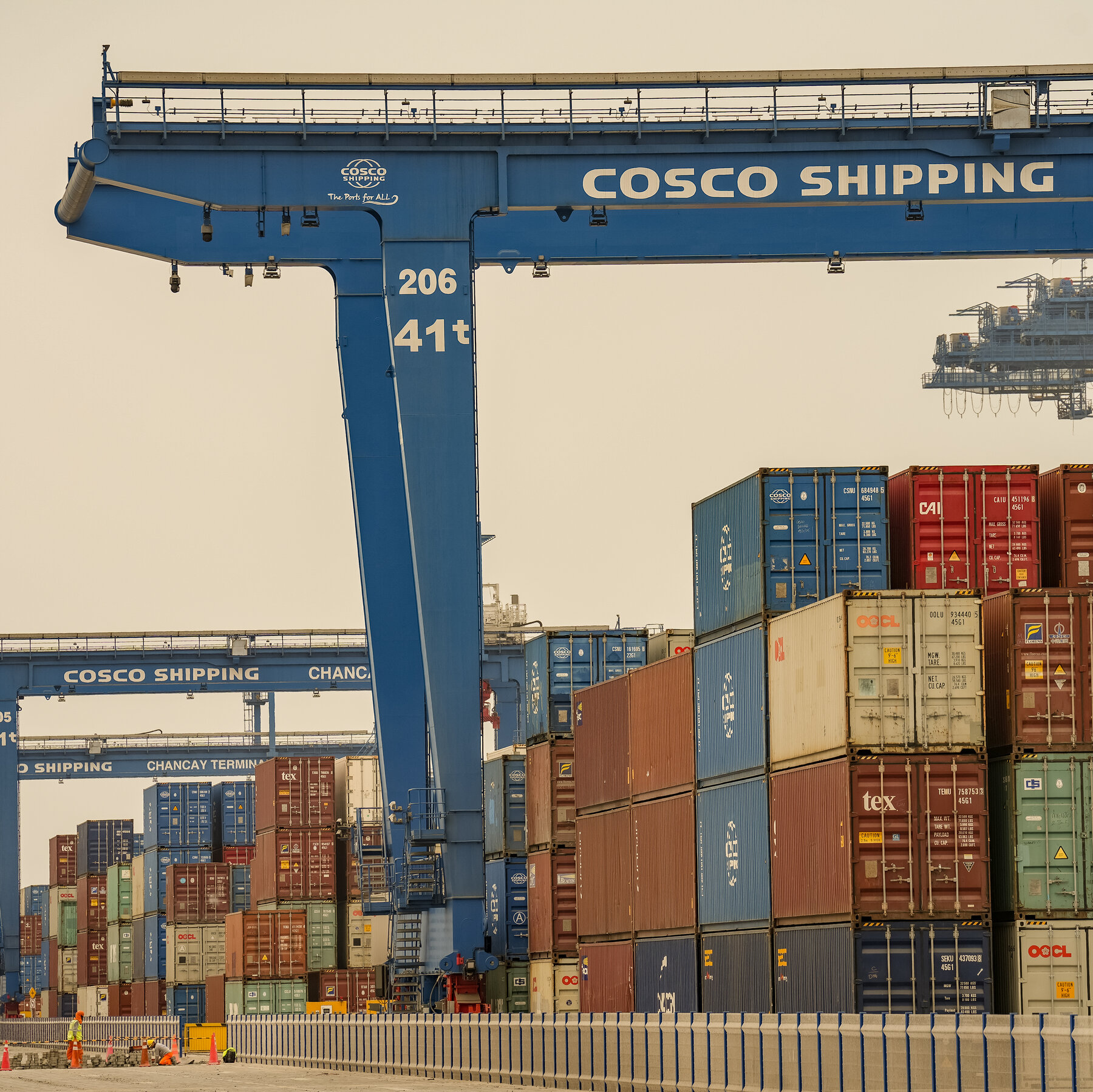
!Huge blue cranes with the words “Cosco Shipping” loom over stacks of shipping containers stretching into the distance.
*The enormous new Chinese-operated cargo port at Chancay, Peru, is a source of tension with Washington, but Peruvians see it as economically vital.
Credit...
Sara Wayra for The New York Times*
By
Genevieve Glatsky
Photographs by
Sara Wayra
Genevieve Glatsky and Sara Wayra reported from Lima and Chancay Port.
Sept. 7, 2026, 5:00 a.m. ET
Leer en español
See more of our coverage in your search results. Encuentra más de nuestra cobertura en los resultados de búsqueda. Add The New York Times on Google Agrega The New York Times en Google
Peru’s ambassador in Washington, Luis Miguel Castilla, received a stern phone call in 2015 from the State Department, after U.S. officials learned that a Chinese firm would finance a sprawling new Pacific Coast port project.
Why, they asked, was Peru handing Beijing a strategic foothold in South America?
Mr. Castilla’s answer was blunt: Western investors had already passed.
The port’s Peruvian private sector promoters “came to knock on doors here and in Europe, and no one opened the door,” Mr. Castilla said. “So, any space left behind is space that someone else takes.”
Today, the $1.3 billion Chinese-backed mega-port in Chancay, north of Lima, the capital, has become the most visible symbol of China’s expanding economic presence in Peru.
It is also a key reason the country, which Secretary of State Marco Rubio is planning to visit this week, has emerged as a testing ground for one of President Trump’s core objectives in Latin America: rolling back Beijing’s influence in the Western Hemisphere.
Image
*Workers remotely controlling and monitoring port operations in April at Chancay.
Credit...
Sara Wayra for The New York Times*
---
Thank you for your patience while we verify access. If you are in Reader mode please exit andlog intoyour Times account, orsubscribefor all of The Times.
---
Thank you for your patience while we verify access.
Already a subscriber?Log in.
Want all of The Times?Subscribe.
Related Content
*
*
*
*
*
*
*
*
*
*
*
*
*
*
*
*
*
*
*
Advertisement
SKIP ADVERTISEMENT
Site Index
Site Information Navigation
* ©2026 The New York Times Company
* NYTCo
* Contact Us
* Accessibility
* Work with us
* Advertise
* T Brand Studio
* Privacy Policy
* Cookie Policy
* Terms of Service
* Terms of Sale
* Site Map
* Canada
* International
* Help
* Subscriptions
* Manage Privacy Preferences
Skip to contentSkip to site index
Americas
Today’s Paper
Trump
Administration
* Outpacing the Courts
* Voting by Mail
* Venezuelan Oil
* Video: Big Bend Construction Analysis
* Approval Rating
Advertisement
SKIP ADVERTISEMENT
You have a preview view of this article while we are checking your access. When we have confirmed access, the full article content will load.
Supported by
SKIP ADVERTISEMENT
Peru Shows the Limits of Washington’s Anti-China Push
As Secretary of State Marco Rubio travels this week to Peru, its growing economic ties to China have raised tensions with the U.S., but show no signs of reversing course.
Listen · 10:26 min
*
*
*
!Huge blue cranes with the words “Cosco Shipping” loom over stacks of shipping containers stretching into the distance.
*The enormous new Chinese-operated cargo port at Chancay, Peru, is a source of tension with Washington, but Peruvians see it as economically vital.
Credit...
Sara Wayra for The New York Times*
By
Genevieve Glatsky
Photographs by
Sara Wayra
Genevieve Glatsky and Sara Wayra reported from Lima and Chancay Port.
Sept. 7, 2026, 5:00 a.m. ET
Leer en español
See more of our coverage in your search results. Encuentra más de nuestra cobertura en los resultados de búsqueda. Add The New York Times on Google Agrega The New York Times en Google
Peru’s ambassador in Washington, Luis Miguel Castilla, received a stern phone call in 2015 from the State Department, after U.S. officials learned that a Chinese firm would finance a sprawling new Pacific Coast port project.
Why, they asked, was Peru handing Beijing a strategic foothold in South America?
Mr. Castilla’s answer was blunt: Western investors had already passed.
The port’s Peruvian private sector promoters “came to knock on doors here and in Europe, and no one opened the door,” Mr. Castilla said. “So, any space left behind is space that someone else takes.”
Today, the $1.3 billion Chinese-backed mega-port in Chancay, north of Lima, the capital, has become the most visible symbol of China’s expanding economic presence in Peru.
It is also a key reason the country, which Secretary of State Marco Rubio is planning to visit this week, has emerged as a testing ground for one of President Trump’s core objectives in Latin America: rolling back Beijing’s influence in the Western Hemisphere.
Image
*Workers remotely controlling and monitoring port operations in April at Chancay.
Credit...
Sara Wayra for The New York Times*
---
Thank you for your patience while we verify access. If you are in Reader mode please exit andlog intoyour Times account, orsubscribefor all of The Times.
---
Thank you for your patience while we verify access.
Already a subscriber?Log in.
Want all of The Times?Subscribe.
Related Content
*
*
*
*
*
*
*
*
*
*
*
*
*
*
*
*
*
*
*
Advertisement
SKIP ADVERTISEMENT
Site Index
Site Information Navigation
* ©2026 The New York Times Company
* NYTCo
* Contact Us
* Accessibility
* Work with us
* Advertise
* T Brand Studio
* Privacy Policy
* Cookie Policy
* Terms of Service
* Terms of Sale
* Site Map
* Canada
* International
* Help
* Subscriptions
* Manage Privacy Preferences
🔗 Share Article
Tags:#بيرو#الصين#أمريكا اللاتينية#إدارة ترامب#الاستثمارات الصينية#التنافس الجيوسياسي
Source: New York Times
For Context
Related reads from the same topic or latest developments


