Mexico City Has a Toxic ‘Sacrifice Zone’ Where Cancer Is Surging
New York Times
N
New York Times
Original Source
For decades, Mexican authorities sacrificed a rural valley near Mexico City to dispose of waste and fuel economic growth, forcing surrounding communities to bear a devastating health toll. Today, cancer surges through more than 20 communities around the Endhó Dam reservoir, revealing a decades-long environmental catastrophe.
Mexico City Has a Toxic ‘Sacrifice Zone’ Where Cancer Is Surging - The New York Times
Skip to contentSkip to site index
Americas
|
Mexico City Has a Toxic ‘Sacrifice Zone’ Where Cancer Is Surging
https://www.nytimes.com/2026/09/17/world/americas/mexico-city-endho-dam.html
*
*
*
*
You have a preview view of this article while we are checking your access. When we have confirmed access, the full article content will load.
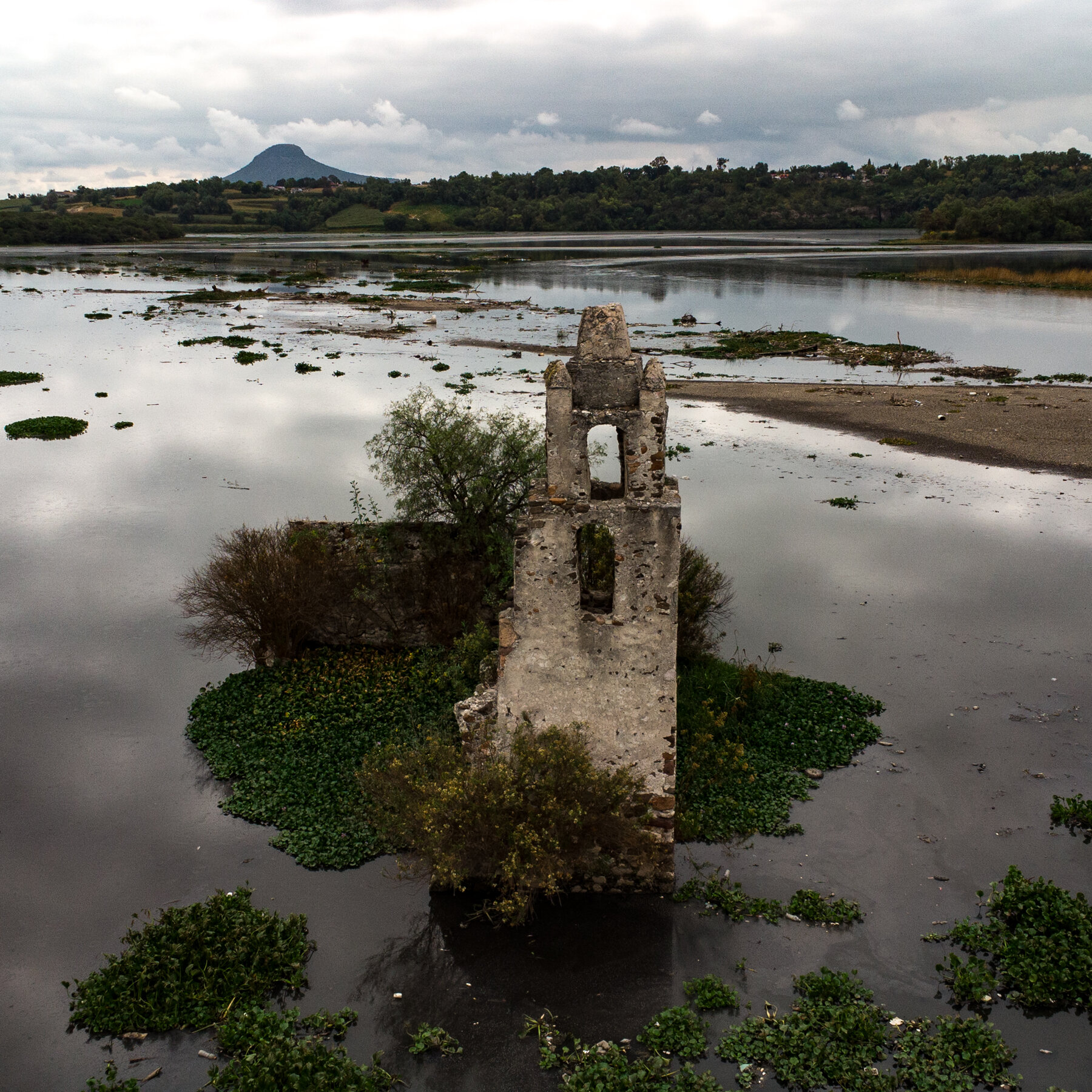
!A ruined stone structure stands in a wide, dark lake, with patches of green plants. Hills and a cloudy sky form the distant background.
Mexico City Has a Toxic ‘Sacrifice Zone’ Where Cancer Is Surging
For decades, the Mexican authorities have sacrificed a rural valley to flush away the capital’s waste and power the economy. Now, local communities are paying for that decision — often with peoples’ lives.
*The old church of San Francisco Bojay in Hidalgo state, in Mexico, was partially submerged after the area was flooded in the 1950s for a reservoir called the Endhó Dam.*
Mexico City Has a Toxic ‘Sacrifice Zone’ Where Cancer Is Surging
For decades, the Mexican authorities have sacrificed a rural valley to flush away the capital’s waste and power the economy. Now, local communities are paying for that decision — often with peoples’ lives.
The old church of San Francisco Bojay in Hidalgo state, in Mexico, was partially submerged after the area was flooded in the 1950s for a reservoir called the Endhó Dam.
Credit...
Supported by
SKIP ADVERTISEMENT
Listen · 10:26 min
*
*
*
*
By
Emiliano Rodríguez Mega
Visuals by
Alejandro Cegarra
The reporters visited several communities surrounding the Endhó Dam, in central Mexico, which locals call the world’s largest cesspool.
Sept. 17, 2026
Leer en español
Yury Uribe traced an invisible map of death in her neighborhood, pointing to house after house, nearly all of them touched by cancer, she said.
On that corner lived Doña Agustina, claimed by cancer in her stomach just like Coco, her neighbor across the street. Farther down was Eva, whose death from a ruptured throat tumor left her autistic son on his own. Colon cancer took Doña Juanita, who went to the hospital on a Friday and died the following Monday. And Estela lived over there until about two years ago, when lung cancer spread through her body.
By the end of the tour of her hometown, General Pedro María Anaya, Ms. Uribe had tallied an incomplete yet grim ledger: at least 42 cancer-related deaths, 15 survivors and six active cases, all clustered within a few blocks.
“It’s a lot of pain,” said Ms. Uribe, 45, a former seamstress who turned to activism after seeing her town besieged by unexplained illness. “It’s not normal to have this many sick people in a community”
Image
!A person in a blue-green shirt sits at a table, looking forward. In the background, a sofa, a television, and framed art are visible.
*Yury Uribe at her home in General Pedro María Anaya, Mexico.*
For many residents of more than 20 communities surrounding a reservoir known as the Endhó Dam in Mexico’s Hidalgo State, cancer is just another symptom of a crisis decades in the making.
---
Thank you for your patience while we verify access. If you are in Reader mode please exit andlog intoyour Times account, orsubscribefor all of The Times.
---
Thank you for your patience while we verify access.
Already a subscriber?Log in.
Want all of The Times?Subscribe.
Related Content
*
*
*
*
*
*
*
*
*
*
*
*
*
*
*
*
*
*
*
Advertisement
SKIP ADVERTISEMENT
Site Index
Site Information Navigation
* ©2026 The New York Times Company
* NYTCo
* Contact Us
* Accessibility
* Work with us
* Advertise
* T Brand Studio
* Privacy Policy
* Cookie Policy
* Terms of Service
* Terms of Sale
* Site Map
* Canada
* International
* Help
* Subscriptions
* Manage Privacy Preferences
Skip to contentSkip to site index
Americas
|
Mexico City Has a Toxic ‘Sacrifice Zone’ Where Cancer Is Surging
https://www.nytimes.com/2026/09/17/world/americas/mexico-city-endho-dam.html
*
*
*
*
You have a preview view of this article while we are checking your access. When we have confirmed access, the full article content will load.
!A ruined stone structure stands in a wide, dark lake, with patches of green plants. Hills and a cloudy sky form the distant background.
Mexico City Has a Toxic ‘Sacrifice Zone’ Where Cancer Is Surging
For decades, the Mexican authorities have sacrificed a rural valley to flush away the capital’s waste and power the economy. Now, local communities are paying for that decision — often with peoples’ lives.
*The old church of San Francisco Bojay in Hidalgo state, in Mexico, was partially submerged after the area was flooded in the 1950s for a reservoir called the Endhó Dam.*
Mexico City Has a Toxic ‘Sacrifice Zone’ Where Cancer Is Surging
For decades, the Mexican authorities have sacrificed a rural valley to flush away the capital’s waste and power the economy. Now, local communities are paying for that decision — often with peoples’ lives.
The old church of San Francisco Bojay in Hidalgo state, in Mexico, was partially submerged after the area was flooded in the 1950s for a reservoir called the Endhó Dam.
Credit...
Supported by
SKIP ADVERTISEMENT
Listen · 10:26 min
*
*
*
*
By
Emiliano Rodríguez Mega
Visuals by
Alejandro Cegarra
The reporters visited several communities surrounding the Endhó Dam, in central Mexico, which locals call the world’s largest cesspool.
Sept. 17, 2026
Leer en español
Yury Uribe traced an invisible map of death in her neighborhood, pointing to house after house, nearly all of them touched by cancer, she said.
On that corner lived Doña Agustina, claimed by cancer in her stomach just like Coco, her neighbor across the street. Farther down was Eva, whose death from a ruptured throat tumor left her autistic son on his own. Colon cancer took Doña Juanita, who went to the hospital on a Friday and died the following Monday. And Estela lived over there until about two years ago, when lung cancer spread through her body.
By the end of the tour of her hometown, General Pedro María Anaya, Ms. Uribe had tallied an incomplete yet grim ledger: at least 42 cancer-related deaths, 15 survivors and six active cases, all clustered within a few blocks.
“It’s a lot of pain,” said Ms. Uribe, 45, a former seamstress who turned to activism after seeing her town besieged by unexplained illness. “It’s not normal to have this many sick people in a community”
Image
!A person in a blue-green shirt sits at a table, looking forward. In the background, a sofa, a television, and framed art are visible.
*Yury Uribe at her home in General Pedro María Anaya, Mexico.*
For many residents of more than 20 communities surrounding a reservoir known as the Endhó Dam in Mexico’s Hidalgo State, cancer is just another symptom of a crisis decades in the making.
---
Thank you for your patience while we verify access. If you are in Reader mode please exit andlog intoyour Times account, orsubscribefor all of The Times.
---
Thank you for your patience while we verify access.
Already a subscriber?Log in.
Want all of The Times?Subscribe.
Related Content
*
*
*
*
*
*
*
*
*
*
*
*
*
*
*
*
*
*
*
Advertisement
SKIP ADVERTISEMENT
Site Index
Site Information Navigation
* ©2026 The New York Times Company
* NYTCo
* Contact Us
* Accessibility
* Work with us
* Advertise
* T Brand Studio
* Privacy Policy
* Cookie Policy
* Terms of Service
* Terms of Sale
* Site Map
* Canada
* International
* Help
* Subscriptions
* Manage Privacy Preferences
🔗 Share Article
Tags:#المكسيك#السرطان#التلوث البيئي#الصحة العامة#الأزمة الإنسانية#سد إندو
Source: New York Times
For Context
Related reads from the same topic or latest developments