Climate
Unexpected Fallout From the Iran War
Global oil shocks are accelerating the shift to electric vehicles and renewable energy, a new report finds.
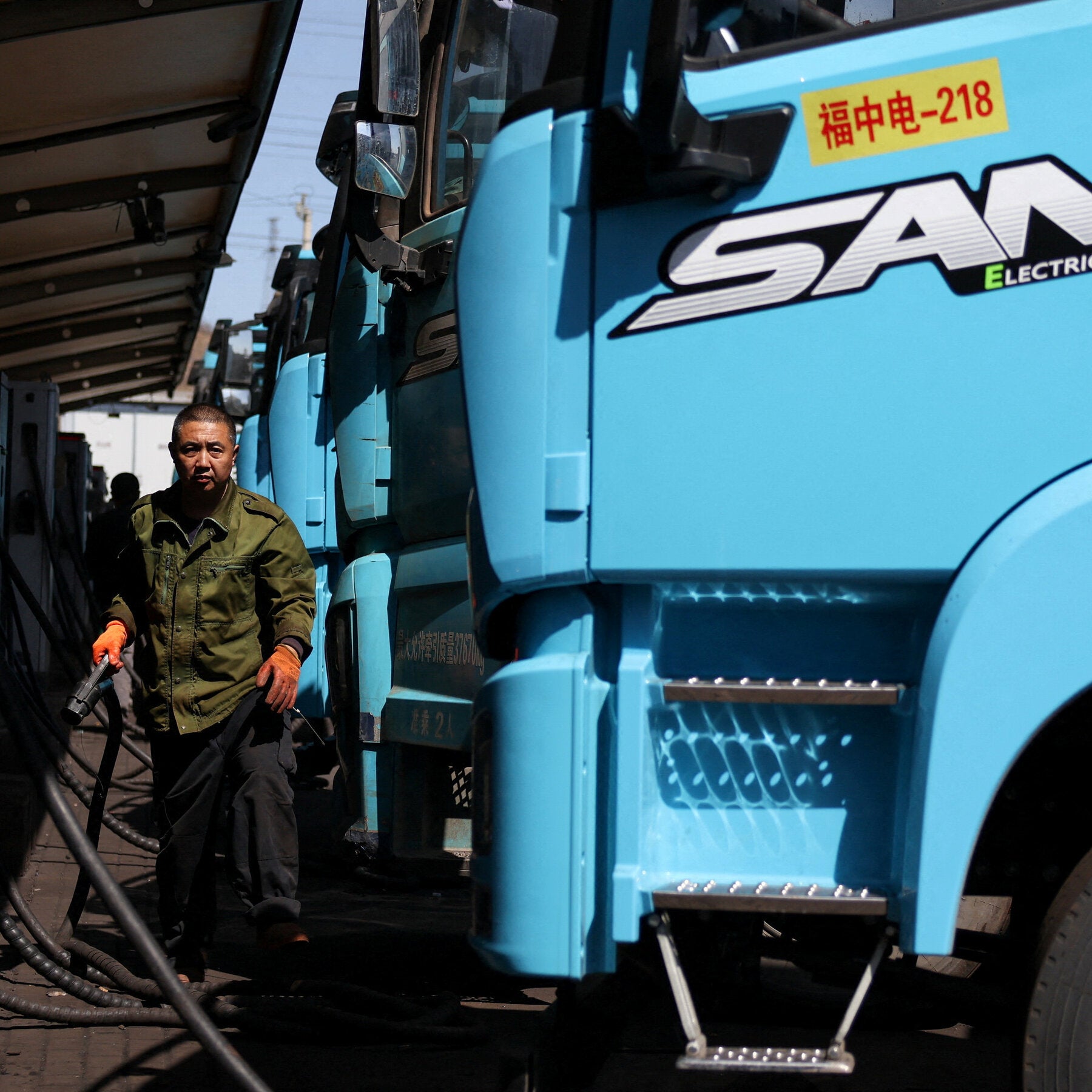
*A charging station in Hebei Province, China.Credit...Tingshu Wang/Reuters*
By Claire Brown
Nov. 19, 2026, 4:40 p.m. ET
Early this year, the start of the war in Iran caused what the International Energy Agency called “the largest supply disruption in the history of the global oil market.”
Now, months later, the agency says some of the changes are permanent.
“I don’t see any credible pathway for the energy world to return to the way it was before,” the I.E.A. executive director, Fatih Birol, said in a statement today alongside the organization’s annual World Energy Outlook.
My colleague Lisa Friedman wrote about the main takeaways for global energy markets. In short: Electrification is accelerating, drivers outside the United States are shifting rapidly to electric vehicles, and the extent to which the disruption reshapes energy policies will depend a lot on how long it lasts.
All of those changes have huge consequences for greenhouse gas emissions. So today, I’ll dive into the report’s climate implications.
The shift to E.V.s includes big trucks
The war in Iran has driven up gas and diesel prices around the world, making electric vehicles a more appealing and cost-competitive option. Globally, more than a quarter of the passenger cars sold this year will be full-electric or hybrid, the World Energy Outlook predicts. Electric vehicle sales have more than doubled in India, Australia and Brazil over the past year.
The United States has not kept up with the trend — E.V.s made up about 6 percent of domestic light-duty vehicle sales in the first eight months of the year, according to an analysis by the research group Ember. That adoption rate has been surpassed by 49 of the 56 countries where Ember tracks E.V. markets.
Claire Brown covers climate change for The Times and writes for the Climate Forward newsletter.
Unexpected Fallout From the Iran War
The war in Iran triggered what the International Energy Agency called the largest disruption in the history of the global oil market, accelerating the shift toward electric vehicles and renewable energy. A new report from the agency suggests that some of these changes are likely to be permanent.
Cross Lines newsroom
Share this article
#حرب إيران#السيارات الكهربائية#وكالة الطاقة الدولية#أسواق النفط#التحول الطاقي#تغير المناخ
Original source: New York Times