Israel has failed to meet its commitments under the Gaza ceasefire deal, allowing in only around half the agreed volume of humanitarian and commercial goods each month since March, Israeli military data shows.
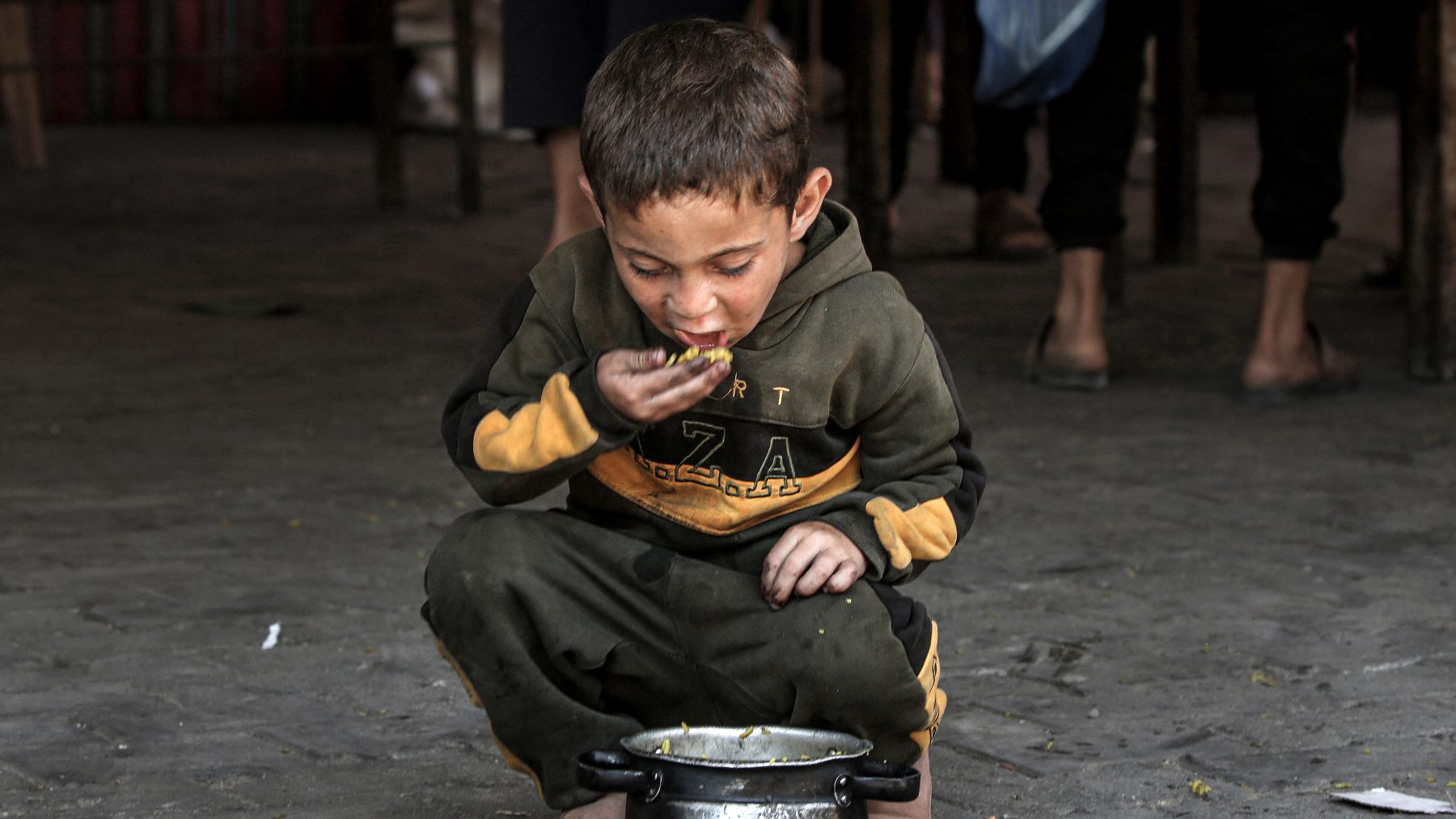
Data obtained by Haaretz newspaper showed a growing shortfall in food deliveries to Gaza, alongside severe shortages of medical supplies, tents and materials to repair damaged infrastructure. Torrential rains have flooded displacement camps, leaving hundreds of thousands of Palestinians in increasingly dire conditions.
Under the ceasefire deal, Israel pledged to allow 4,200 vehicles carrying humanitarian and commercial goods into Gaza each week, equivalent to roughly 18,200 a month.
Deliveries were to include food, fuel, medical supplies and equipment, shelter materials and equipment to repair essential infrastructure.
Data supplied by the Coordinator of Government Activities in the Territories (Cogat) to the US-led International Gaza Support Center (IGSC) show that Israel allowed about 4,700 trucks into Gaza in March, rising to 5,300 in April and more than 9,600 in May.
The number increased to more than 12,000 in June before falling to about 10,000 in both July and August.
Deliveries peaked at more than 13,000 in September, then dropped sharply to just over 6,500 in October.
Cogat disputed the findings, saying that the data presented was "inaccurate” and that Israel was meeting its humanitarian commitments “and beyond them”.
The figures mark a rare instance in which statistics supplied by Israel to the IGSC show that Israel has failed to fulfil its promises.
Cogat no longer releases detailed monthly statistics, publishing figures only for selected categories of supplies.
Flooding worsens crisis
The shortages have become more critical as winter rains flood makeshift shelters and damage displacement camps across Gaza.
The UN Office for the Coordination of Humanitarian Affairs (Ocha) said on Friday that about 46,000 households, representing an estimated 226,000 people, may have been affected by flooding.
More than 40,000 shelters were reported damaged, including over 9,000 destroyed beyond repair.
The UN warned that sewage-contaminated floodwater was creating public health risks.
Damaged health facilities, medicine shortages and disrupted services were compounding the emergency.
The World Health Organization has warned that about 950,000 displaced Palestinians are living in areas at risk of flooding, including more than 400,000 in particularly high-risk locations.
Hamas leader Khalil al-Hayya on Saturday called for an emergency international campaign to provide shelter for Palestinians and secure the entry of tents, heating supplies, fuel and equipment to repair sewage and rainwater drainage networks.
In letters to Arab and Muslim countries, Hayya urged governments to pressure Israel to implement the ceasefire agreement, including its humanitarian provisions and a full withdrawal from Gaza.
He also called for unrestricted access for UN agencies and aid organisations and urged the UN Security Council to convene an emergency meeting.
Gaza's health ministry said Israeli violations of the ceasefire had killed 1,643 Palestinians and wounded 5,964 others as of Saturday.
Israel's data shows it allowed half of the promised aid trucks into Gaza
Israeli military data shows that Israel has allowed in only about half the agreed monthly volume of humanitarian and commercial goods to Gaza since March, in breach of its ceasefire commitments. The shortfall comes as winter floods devastate displacement camps and deepen shortages of food, medicine and shelter.
Cross Lines newsroom
Share this article
#غزة#وقف إطلاق النار#المساعدات الإنسانية#إسرائيل#كوغات#الفيضانات
Original source: Middle East Eye