The Intercept Sues Texas City Over Refusal to Release Police Records on Prairieland Protest
The Intercept
T
The Intercept
Original Source
The Intercept has filed a lawsuit against Alvarado, Texas, demanding the release of police records related to a violent confrontation at an immigration detention facility. The city has refused to provide the documents despite The Intercept paying the requested fees in full.
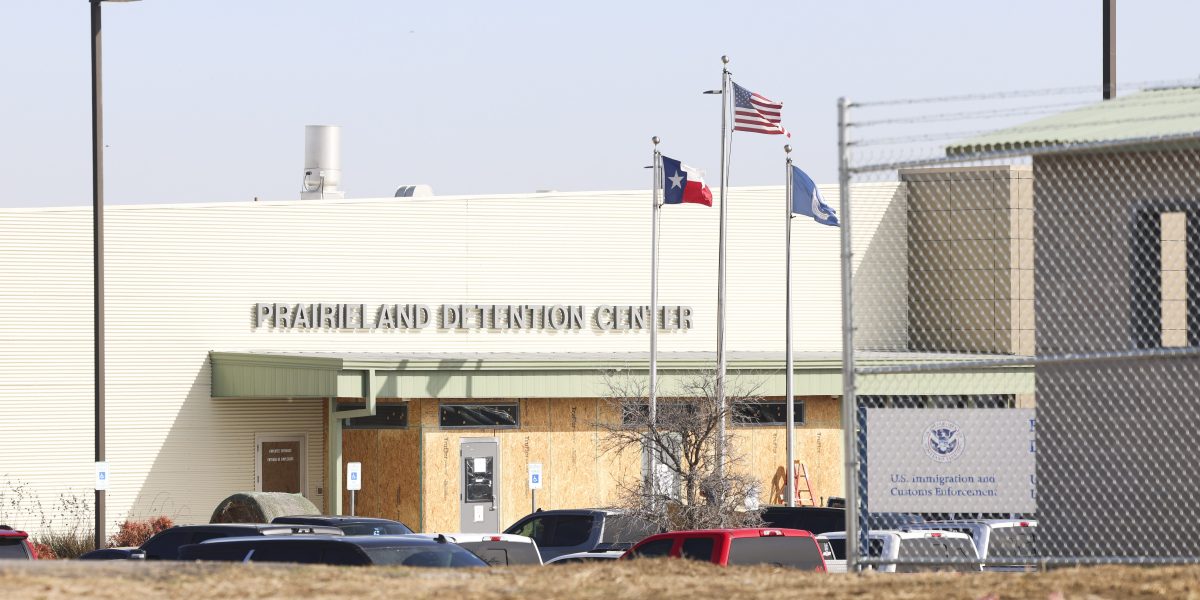
The Intercept is suing a city government in Texas in a bid to release police records related to the violent confrontation at an immigration detention facility that led to the landmark Prairieland trial earlier this year.
In a filing in state court, The Intercept accused the city of Alvarado, Texas, and its police department of refusing to release records sought under the state’s Public Information Act. The news outlet asked a judge to order the city to release records of police communications on the days before and after a noise demonstration outside U.S. Immigration and Customs Enforcement’s Prairieland detention facility that turned violent.
Despite The Intercept agreeing to pay hundreds of dollars for the records, the city has failed to process the payment and left the records request in limbo, according to the complaint and to attorney Terry Mutchler, a veteran defender of records access who is representing The Intercept in the case.
“I’ve been doing this for 30 years, and this is one of the singularly most distressing cases that I’ve seen in terms of public access to records,” Mutchler said. “This is stonewalling on steroids.”
“The Intercept cut the check, and now the city won’t cash the check and they won’t give us the records — it’s radio silence,” said Mutchler. “This is a situation where the public officials should be ashamed of themselves for forgetting who they work for.”
A representative of the Alvarado city government did not immediately respond to a request for comment.
The complaint stems from a request filed under the state’s Public Information Act by freelance journalist C. Frances, who, on behalf of The Intercept, sought records of communications by Alvarado Police Department personnel in connection to a noise demonstration on July 4, 2025, at the Prairieland facility. The protest devolved into an armed confrontation and shots were fired. An Alvarado police officer suffered non-life-threatening injuries in the shooting.
More than a dozen protesters, including people present that evening and others with varying levels of involvement in the protest, were arrested in the aftermath of the incident.
That case against the protesters became a proving ground of the Trump administration’s war on the activist left, ending with hefty sentences for many of the co-defendants, including Benjamin Song, who was sentenced to 100 years in prison for attempted murder and other charges. Song and other defendants are set to appeal their convictions.
The records saga began on February 16, when Frances submitted a request to Alvarado city government for internal and external communications to and from its police department between July 4 and July 18, 2025. Over the next month, amid a back and forth with city officials over the scope of the request, Frances eventually narrowed her request to all email communications directly related to the incident. Weeks later, the city told Frances the bill for the records, including labor hours spent processing and redacting them, would come to $854.17.
Months later, after a back and forth referred to by The Intercept’s counsel as a “tortured procedural history,” The Intercept decided to pony up for the records and issued a payment for the full amount requested in April.
“Despite receiving payment,” The Intercept wrote in its filing Friday, “neither the City nor the Police Department have produced any of the responsive emails, have not certified that no responsive information exists, have not obtained or communicated any attorney general decision authorizing continued withholding of the requested information, and have not otherwise responded substantively to the Request.”
In a filing in state court, The Intercept accused the city of Alvarado, Texas, and its police department of refusing to release records sought under the state’s Public Information Act. The news outlet asked a judge to order the city to release records of police communications on the days before and after a noise demonstration outside U.S. Immigration and Customs Enforcement’s Prairieland detention facility that turned violent.
Despite The Intercept agreeing to pay hundreds of dollars for the records, the city has failed to process the payment and left the records request in limbo, according to the complaint and to attorney Terry Mutchler, a veteran defender of records access who is representing The Intercept in the case.
“I’ve been doing this for 30 years, and this is one of the singularly most distressing cases that I’ve seen in terms of public access to records,” Mutchler said. “This is stonewalling on steroids.”
“The Intercept cut the check, and now the city won’t cash the check and they won’t give us the records — it’s radio silence,” said Mutchler. “This is a situation where the public officials should be ashamed of themselves for forgetting who they work for.”
A representative of the Alvarado city government did not immediately respond to a request for comment.
The complaint stems from a request filed under the state’s Public Information Act by freelance journalist C. Frances, who, on behalf of The Intercept, sought records of communications by Alvarado Police Department personnel in connection to a noise demonstration on July 4, 2025, at the Prairieland facility. The protest devolved into an armed confrontation and shots were fired. An Alvarado police officer suffered non-life-threatening injuries in the shooting.
More than a dozen protesters, including people present that evening and others with varying levels of involvement in the protest, were arrested in the aftermath of the incident.
That case against the protesters became a proving ground of the Trump administration’s war on the activist left, ending with hefty sentences for many of the co-defendants, including Benjamin Song, who was sentenced to 100 years in prison for attempted murder and other charges. Song and other defendants are set to appeal their convictions.
The records saga began on February 16, when Frances submitted a request to Alvarado city government for internal and external communications to and from its police department between July 4 and July 18, 2025. Over the next month, amid a back and forth with city officials over the scope of the request, Frances eventually narrowed her request to all email communications directly related to the incident. Weeks later, the city told Frances the bill for the records, including labor hours spent processing and redacting them, would come to $854.17.
Months later, after a back and forth referred to by The Intercept’s counsel as a “tortured procedural history,” The Intercept decided to pony up for the records and issued a payment for the full amount requested in April.
“Despite receiving payment,” The Intercept wrote in its filing Friday, “neither the City nor the Police Department have produced any of the responsive emails, have not certified that no responsive information exists, have not obtained or communicated any attorney general decision authorizing continued withholding of the requested information, and have not otherwise responded substantively to the Request.”
🔗 Share Article
Tags:#حرية الوصول للمعلومات#الشرطة الأمريكية#تكساس#وثائق حكومية#حقوق صحفية
Source: The Intercept
For Context
Related reads from the same topic or latest developments