‘Dire situation’: Lebanese prisoners on hunger strike for 18 days
Al Jazeera

Al Jazeera
Original Source
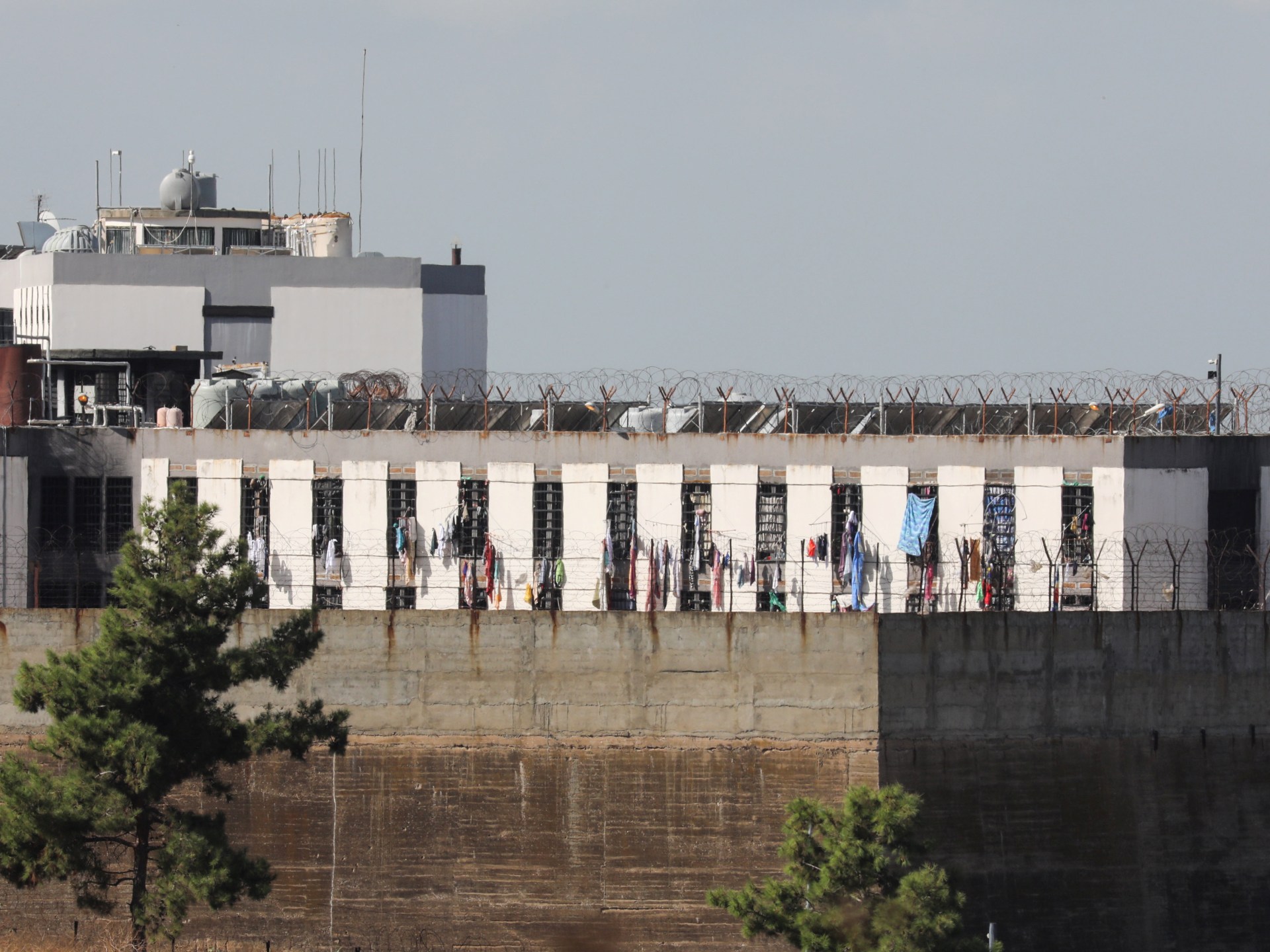
Approximately 400 inmates at Lebanon's largest prison have entered a critical health crisis after more than two weeks on hunger strike, refusing food, water and medication to protest the suspension of an amnesty law. Ambulances transport dozens of prisoners daily as their conditions deteriorate severely.
The medical condition of dozens of inmates on a hunger strike for more than two weeks inside Lebanon’s largest prison has become “dire”, according to a legal campaigner.
“About 400 prisoners are on a hunger strike for more than two weeks. Ambulances enter daily to take [dozens of] them away because their condition is dire,” Mohammed Sablouh, a Lebanese lawyer, told Al Jazeera.
Recommended Stories
list of 3 items
list 1 of 3Syria and Lebanon make ‘significant progress’ at talks on joint interests
list 2 of 3Lebanon and Syria reshape ties amid Israeli attacks and regional shifts
list 3 of 3Lebanon passes long-sought amnesty law, a day after death penalty repeal
end of list
“The prisoners are refusing medication, food and water,” Sablouh, who is also the director of the Prisoners’ Rights Center at the Tripoli Bar Association, said on Wednesday.
The inmates at Roumieh prison went on a hunger strike on September 12 in protest against the suspension of a general amnesty law, which could have granted an immediate release or reduced their sentences.
Protests have also been staged in Lebanon’s Tripoli, a Sunni-majority city, against the suspension of the law, which could have benefitted convicted prisoners and undertrials.
Most of the prisoners on hunger strike are Sunnis who were arrested for their solidarity with the Syrian revolution against President Bashar al-Assad, who was toppled in December 2024 after more than 10 years of bloody war.
The Free Patriotic Movement, one of the country’s largest parties, filed an appeal before the Constitutional Council over concerns that some of the inmates were charged with “terrorism”, including attacking the Lebanese army and planning bombings.
Hezbollah, one of the most powerful political groups, initially backed the law in the hope of getting amnesty for prisoners from the Shia community. But the group’s political arm did not vote for the bill due to its opposition to the release of Sunni prisoners, many of whom were jailed for their links to the Syrian war.
The Iran-aligned Hezbollah was a backer of al-Assad during the war, and sent thousands of its fighters to Syria to defend the Syrian regime.
The Constitutional Council is expected to issue its verdict next month.
Overcrowded prisons
Lebanese prisons are notorious for being overcrowded and thousands of inmates spend years behind bars without trial. Lebanon’s current prison population stands at more than 6,200.
The law passed on August 12 aimed to address overcrowded prison conditions in the country.
“Prison overcrowding exceeds 330 percent of the facilities’ actual capacity,” Sablouh said.
“The situation in Lebanon’s prisons is truly tragic, it can no longer withstand any … shock or any overturning of the amnesty law.”
More than 40 prisoners died in 2025. “Some died due to medical neglect, others under torture. Some died by suicide due to prolonged trials and repeated postponements,” Sablouh said.
The Lebanese lawyer blamed judicial delays for the large number of inmates, many of them arrested for petty crimes.
He pointed out the failure of the judiciary “to adhere to Article 108 of the Code of Criminal Procedure, which sets a limit for pre-trial detention: two months for misdemeanours, renewable for an equal period, and six months for felonies, renewable for an equal period [up to a maximum of one year].”
“About 400 prisoners are on a hunger strike for more than two weeks. Ambulances enter daily to take [dozens of] them away because their condition is dire,” Mohammed Sablouh, a Lebanese lawyer, told Al Jazeera.
Recommended Stories
list of 3 items
list 1 of 3Syria and Lebanon make ‘significant progress’ at talks on joint interests
list 2 of 3Lebanon and Syria reshape ties amid Israeli attacks and regional shifts
list 3 of 3Lebanon passes long-sought amnesty law, a day after death penalty repeal
end of list
“The prisoners are refusing medication, food and water,” Sablouh, who is also the director of the Prisoners’ Rights Center at the Tripoli Bar Association, said on Wednesday.
The inmates at Roumieh prison went on a hunger strike on September 12 in protest against the suspension of a general amnesty law, which could have granted an immediate release or reduced their sentences.
Protests have also been staged in Lebanon’s Tripoli, a Sunni-majority city, against the suspension of the law, which could have benefitted convicted prisoners and undertrials.
Most of the prisoners on hunger strike are Sunnis who were arrested for their solidarity with the Syrian revolution against President Bashar al-Assad, who was toppled in December 2024 after more than 10 years of bloody war.
The Free Patriotic Movement, one of the country’s largest parties, filed an appeal before the Constitutional Council over concerns that some of the inmates were charged with “terrorism”, including attacking the Lebanese army and planning bombings.
Hezbollah, one of the most powerful political groups, initially backed the law in the hope of getting amnesty for prisoners from the Shia community. But the group’s political arm did not vote for the bill due to its opposition to the release of Sunni prisoners, many of whom were jailed for their links to the Syrian war.
The Iran-aligned Hezbollah was a backer of al-Assad during the war, and sent thousands of its fighters to Syria to defend the Syrian regime.
The Constitutional Council is expected to issue its verdict next month.
Overcrowded prisons
Lebanese prisons are notorious for being overcrowded and thousands of inmates spend years behind bars without trial. Lebanon’s current prison population stands at more than 6,200.
The law passed on August 12 aimed to address overcrowded prison conditions in the country.
“Prison overcrowding exceeds 330 percent of the facilities’ actual capacity,” Sablouh said.
“The situation in Lebanon’s prisons is truly tragic, it can no longer withstand any … shock or any overturning of the amnesty law.”
More than 40 prisoners died in 2025. “Some died due to medical neglect, others under torture. Some died by suicide due to prolonged trials and repeated postponements,” Sablouh said.
The Lebanese lawyer blamed judicial delays for the large number of inmates, many of them arrested for petty crimes.
He pointed out the failure of the judiciary “to adhere to Article 108 of the Code of Criminal Procedure, which sets a limit for pre-trial detention: two months for misdemeanours, renewable for an equal period, and six months for felonies, renewable for an equal period [up to a maximum of one year].”
🔗 Share Article
Tags:#لبنان#السجون#الإضراب عن الطعام#العفو العام#حقوق الإنسان#الأزمة الإنسانية
Source: Al Jazeera
For Context
Related reads from the same topic or latest developments