Britain and France Give Up Landmark Migrant Agreement
New York Times
N
New York Times
Original Source
France and Britain have ended a landmark migration agreement that allowed London to return illegal Channel crossers in exchange for accepting those who applied through official channels. Paris sought to replace the bilateral deal with a broader EU accord rather than bear the burden alone.
Britain and France Give Up Landmark Migrant Agreement - The New York Times
Skip to contentSkip to site index
Europe
Today’s Paper
Europe|Britain and France Give Up Landmark Migrant Agreement
https://www.nytimes.com/2026/10/01/world/europe/uk-france-migrant-deal-cancelled.html
*
*
*
*
Advertisement
SKIP ADVERTISEMENT
You have a preview view of this article while we are checking your access. When we have confirmed access, the full article content will load.
Supported by
SKIP ADVERTISEMENT
Britain and France Give Up Landmark Migrant Agreement
The French government soured on a reciprocal deal that allowed the British authorities to return some migrants who crossed the English Channel illegally in small boats.
Listen · 5:27 min
*
*
*
*
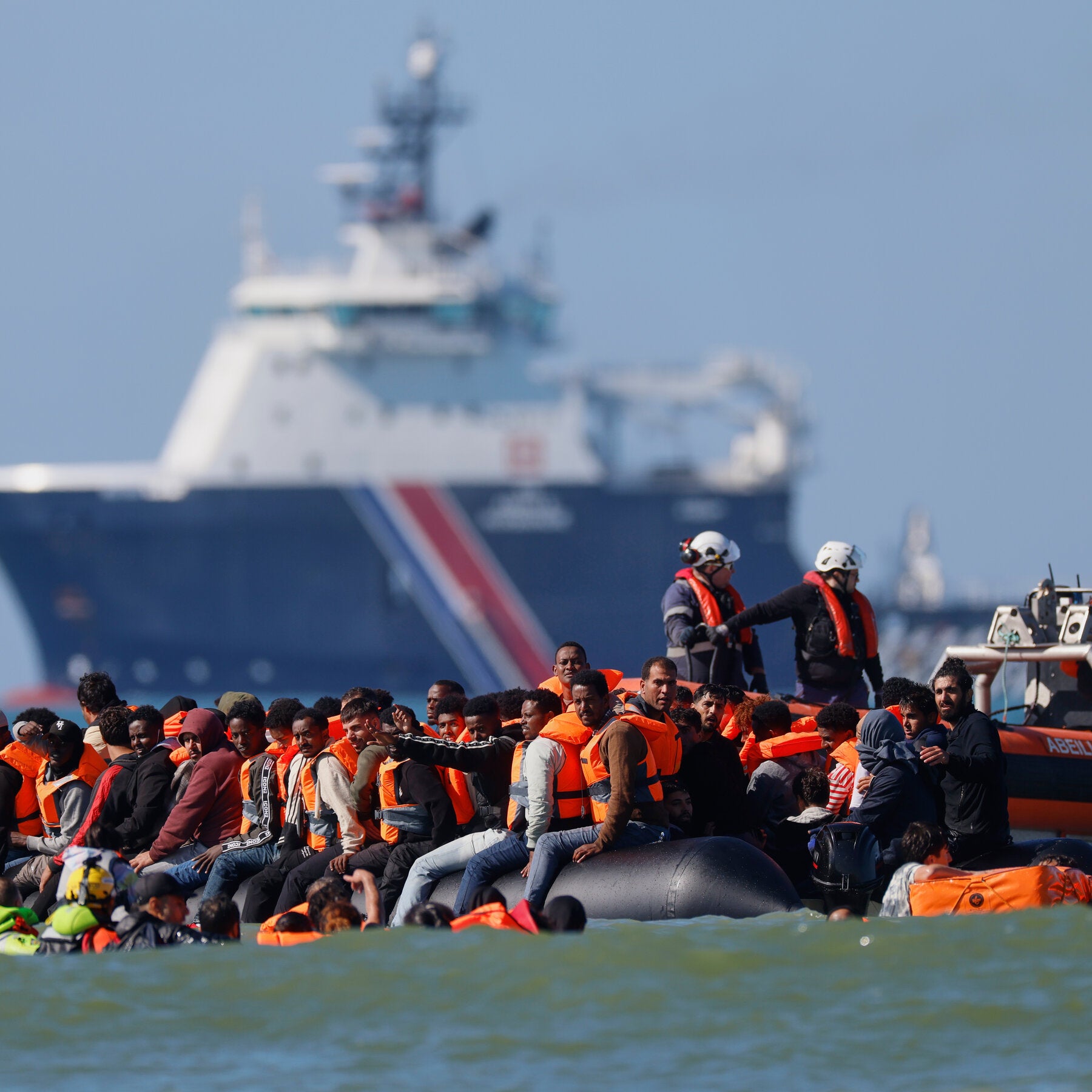
!A large inflatable boat holds many people wearing orange life vests. A massive ship looms in the distance.
*Migrants on a dinghy in the English Channel near the coast of northern France in September.Credit...Jean-Francois Badias/Associated Press*
By Mark Landler and Ségolène Le Stradic
Reporting from Paris
Oct. 1, 2026Updated 8:06 a.m. ET
See more of our coverage in your search results.Encuentra más de nuestra cobertura en los resultados de búsqueda. Add The New York Times on GoogleAgrega The New York Times en Google
France and Britain are abandoning a landmark migration deal that allowed the British to return migrants who crossed the English Channel illegally in exchange for those who applied to enter via official means.
The deal, known as “one in, one out,” struck in the summer of 2025, was intended to deter dangerous illegal crossings of the channel, which have roiled politics in Britain and raised tensions between London and Paris. The original deal was struck for one year and was extended by a month, until Oct. 1, but will not be renewed.
France pulled the plug despite entreaties from London to keep it in place, according to officials in both countries, in part because the French government wants Britain to strike a broader deportation deal with the 27 countries of the European Union.
“Why do we have to manage this border on our own?” the French interior minister, Laurent Nuñez, said at a parliamentary hearing this year. “We believe that France should not have to bear the burden alone, and that it would be better to incorporate it into an agreement between the European Union and the United Kingdom.”
British officials acknowledged they would have liked the program to continue. A spokesman for the Home Office, which oversees deportations, said on Wednesday that the department would use “lessons learned from the pilot to accelerate efforts to return small boat migrants with no right to remain in the U.K.”
Both sides hailed a sharp decline in clandestine asylum seekers reaching British shores, down 43 percent through August of this year compared with the same period in 2025. But experts said the reduction had little to do with the deal, attributing it to other factors, such as increased French policing of the beaches and weather.
---
Thank you for your patience while we verify access. If you are in Reader mode please exit and log into your Times account, or subscribe for all of The Times.
---
Thank you for your patience while we verify access.
Already a subscriber? Log in.
Want all of The Times? Subscribe.
Related Content
*
*
*
*
*
*
*
*
*
*
*
*
*
*
*
*
*
*
*
Advertisement
SKIP ADVERTISEMENT
Site Index
Site Information Navigation
* © 2026 The New York Times Company
+ NYTCo
+ Contact Us
+ Accessibility
+ Work with us
+ Advertise
+ T Brand Studio
+ Privacy Policy
+ Cookie Policy
+ Terms of Service
+ Terms of Sale
+ Site Map
+ Canada
+ International
+ Help
+ Subscriptions
+ Manage Privacy Preferences
Skip to contentSkip to site index
Europe
Today’s Paper
Europe|Britain and France Give Up Landmark Migrant Agreement
https://www.nytimes.com/2026/10/01/world/europe/uk-france-migrant-deal-cancelled.html
*
*
*
*
Advertisement
SKIP ADVERTISEMENT
You have a preview view of this article while we are checking your access. When we have confirmed access, the full article content will load.
Supported by
SKIP ADVERTISEMENT
Britain and France Give Up Landmark Migrant Agreement
The French government soured on a reciprocal deal that allowed the British authorities to return some migrants who crossed the English Channel illegally in small boats.
Listen · 5:27 min
*
*
*
*
!A large inflatable boat holds many people wearing orange life vests. A massive ship looms in the distance.
*Migrants on a dinghy in the English Channel near the coast of northern France in September.Credit...Jean-Francois Badias/Associated Press*
By Mark Landler and Ségolène Le Stradic
Reporting from Paris
Oct. 1, 2026Updated 8:06 a.m. ET
See more of our coverage in your search results.Encuentra más de nuestra cobertura en los resultados de búsqueda. Add The New York Times on GoogleAgrega The New York Times en Google
France and Britain are abandoning a landmark migration deal that allowed the British to return migrants who crossed the English Channel illegally in exchange for those who applied to enter via official means.
The deal, known as “one in, one out,” struck in the summer of 2025, was intended to deter dangerous illegal crossings of the channel, which have roiled politics in Britain and raised tensions between London and Paris. The original deal was struck for one year and was extended by a month, until Oct. 1, but will not be renewed.
France pulled the plug despite entreaties from London to keep it in place, according to officials in both countries, in part because the French government wants Britain to strike a broader deportation deal with the 27 countries of the European Union.
“Why do we have to manage this border on our own?” the French interior minister, Laurent Nuñez, said at a parliamentary hearing this year. “We believe that France should not have to bear the burden alone, and that it would be better to incorporate it into an agreement between the European Union and the United Kingdom.”
British officials acknowledged they would have liked the program to continue. A spokesman for the Home Office, which oversees deportations, said on Wednesday that the department would use “lessons learned from the pilot to accelerate efforts to return small boat migrants with no right to remain in the U.K.”
Both sides hailed a sharp decline in clandestine asylum seekers reaching British shores, down 43 percent through August of this year compared with the same period in 2025. But experts said the reduction had little to do with the deal, attributing it to other factors, such as increased French policing of the beaches and weather.
---
Thank you for your patience while we verify access. If you are in Reader mode please exit and log into your Times account, or subscribe for all of The Times.
---
Thank you for your patience while we verify access.
Already a subscriber? Log in.
Want all of The Times? Subscribe.
Related Content
*
*
*
*
*
*
*
*
*
*
*
*
*
*
*
*
*
*
*
Advertisement
SKIP ADVERTISEMENT
Site Index
Site Information Navigation
* © 2026 The New York Times Company
+ NYTCo
+ Contact Us
+ Accessibility
+ Work with us
+ Advertise
+ T Brand Studio
+ Privacy Policy
+ Cookie Policy
+ Terms of Service
+ Terms of Sale
+ Site Map
+ Canada
+ International
+ Help
+ Subscriptions
+ Manage Privacy Preferences
🔗 Share Article
Tags:#الهجرة#بريطانيا#فرنسا#بحر المانش#الاتحاد الأوروبي#السياسة الدولية
Source: New York Times
For Context
Related reads from the same topic or latest developments