Birzeit University memorial destruction aims to crush Palestinian memory
Al Jazeera

Al Jazeera
Original Source
Israeli forces stormed Birzeit University and demolished a memorial monument bearing the names of 38 students killed by Israel, in what the university describes as a violation of international law. The destruction comes as part of a broader Israeli campaign targeting Palestinian cultural and collective symbols across the West Bank.
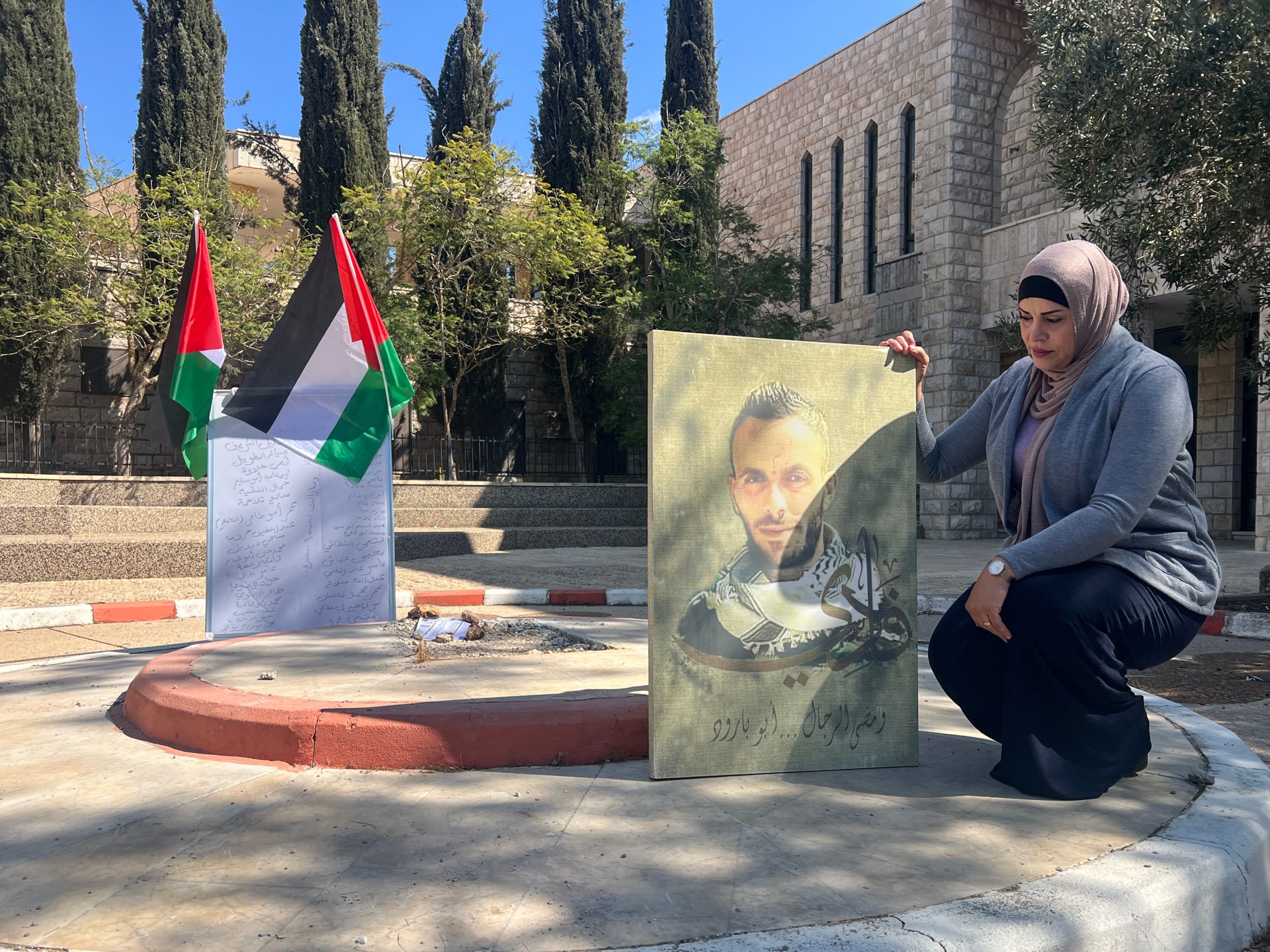
After Israeli soldiers stormed Birzeit University near Ramallah to demolish a stone memorial dedicated to dead students, Rania Washaha, 47, felt the pain of bereavement again.
Her brother, Fadi, 34, was shot in the head by an Israeli soldier near the northern entrance to el-Bireh in the central West Bank in May 2021.
Recommended Stories
list of 4 items
list 1 of 4How reconstruction became Israel’s new weapon of ‘silent transfer’ in Gaza
list 2 of 4Birzeit University raid seen as warning against Palestinian defiance
list 3 of 4Israeli assault on Palestinian university wounds dozens in West Bank raid
list 4 of 4Israeli forces raid Birzeit University in the occupied West Bank
end of list
His name was among the 38 students from the university killed by Israel and listed on the stone pillar known as the Martyrs’ Monument.
Israeli soldiers raided the university campus at dawn on Monday, accompanied by 10 military vehicles. A bulldozer demolished the pillar, and soldiers took away the marble stone. In its place, the Israelis left a planter containing a fig sapling, bearing the inscription: “Water it twice.”
Targeting the University
This raid marks the fifth Israeli incursion into the campus since the beginning of 2026 and the 28th since 2002.
Birzeit University’s administration condemned the recent raid, describing the destruction of the Martyrs’ Monument as a violation of international law and an attack on education and national memory.
“Bulldozers won’t erase the memory of the martyrs, military vehicles won’t extinguish the light of knowledge, and these assaults won’t break the university’s resolve to pursue its academic and national mission,” a statement by the university pledged.
It came 10 days after another incursion by Israeli forces during the daytime, a day before the start of the new fall semester.
Nardeen al-Memi, the university’s public relations and media officer, told Al Jazeera in the brief minutes of their incursion, Israeli soldiers approached the monument for the first time and photographed it.
The Martyrs’ Monument was erected between 1994 and 1996, bearing the names of students and alumni at Birzeit killed by Israeli forces. The list starts with Sharaf al-Tayyibi, who was shot dead by Israeli forces on the campus in 1984. The names of other students and alumni were added during the years that followed.
“The last name inscribed on the monument was that of student Omar al-Naasan, whom soldiers killed in al-Mughayyir east of Ramallah on September 2 while he was confronting settler incursions,” said Nardeen. “Days after his death, his father came and personally wrote his son’s name on the monument.”
University students organised a protest at the site of the destroyed memorial on Tuesday afternoon, most viewing it as an Israeli attempt to intimidate them.
Sami Adel, a Birzeit student who wanted to use a pseudonym due to his fear of being detained, told Al Jazeera the memorial holds a place in the heart of everyone who has attended the university since the 1990s.
In recent years, Israel has tried to suppress any student activity dedicated to commemorating the martyrs, he said.
“Soldiers detained me for several hours three weeks ago and threatened that if I participated in any political student activity on campus, I would face a long and harsh detention,” he added.
Erasing memory
The removal of the memorial is part of a broader Israeli policy targeting memorials dedicated to Palestinians killed by Israel in the occupied West Bank.
The Israeli far-right has made the issue part of its campaign to erase markers of Palestinian identity.
Zvi Sukkot, a member of the Knesset from the Religious Zionism Party, destroyed one such memorial in the village of Madama, south of Nablus, with a sledgehammer in August. The Israeli military later said that it routinely removes “symbols of incitement”.
Israeli Finance Minister Bezalel Smotrich submitted a list of approximately 40 Palestinian memorials, proposing their destruction, to Prime Minister Benjamin Netanyahu.
There has been a wider targeting of civic and cultural symbols across the West Bank, particularly in Jenin, by Israeli authorities.
“Jenin Horse”, a monument constructed from the wreckage left behind by an Israeli incursion into the city, was removed. A memorial dedicated to Al Jazeera journalist Shireen Abu Akleh in Jenin was also targeted in 2023.
A cemetery containing the bodies of Iraqi soldiers killed during the 1948 war, also located in Jenin, has been raided by Israelis from illegal settlements.
Other landmarks embedded in the city’s collective memory, including the “Watermelon Roundabout”, have also been targeted.
Crushing resistance
Israel’s targeting of Palestine’s collective memory has coincided with a wider campaign of suppression in the occupied West Bank.
Palestinian universities have been a particular target in this pressure campaign, with campuses raided, students detained, and strict restrictions on activities and events within university grounds.
Israeli authorities are likely focusing on Palestinian universities because they hold a special significance for Palestinian resistance. They historically served as spaces for anti-occupation activism and have been an integral part of the Palestinian political landscape for decades.
Political analyst Mohammed al-Qeeq, who served as president of the Birzeit University Student Council between 2006 and 2007, told Al Jazeera that Israel has targeted writers, influencers, and activists, along with students, to deter any resistance to the occupation.
Universities have historically served as a “fundamental pillar” of Palestinian resilience and identity.
“Israel had also sought to weaken Palestinian political and social cohesion inside universities by deepening divisions between factions and creating chaos”, he said.
Remembering Fadi
For Rania, the memorial served to cement the names of the martyred students in the minds of the next generation of Berzeit students, including her brother’s.
“I cannot deny that I felt a pang of anguish when the memorial was demolished,” she told Al Jazeera. “I realised the goal wasn’t simply to uproot a physical object; I felt the suppressed violence Israel inflicts upon us.”
The memorial, constructed in 1996, stood on the campus when Fadi studied at Birzeit University. He had been arrested multiple times, spending a total of eight years in detention, and Israel denied Fadi the chance to wear a graduation gown.
“He didn’t even complete two years of study due to repeated arrests and injuries from soldiers’ gunfire,” Rania said. “Yet, he loved Birzeit University dearly and would stand by the memorial, contemplating the names of the student martyrs, never knowing that his own name would one day be added to theirs.”
This year, Rania’s son enrolled at Birzeit University as a first-year student. Shortly before classes started last September, an Israeli officer phoned him, threatening him if he participated in any student activities on campus. “Remember what we did to your uncle,” they warned him.
Her brother, Fadi, 34, was shot in the head by an Israeli soldier near the northern entrance to el-Bireh in the central West Bank in May 2021.
Recommended Stories
list of 4 items
list 1 of 4How reconstruction became Israel’s new weapon of ‘silent transfer’ in Gaza
list 2 of 4Birzeit University raid seen as warning against Palestinian defiance
list 3 of 4Israeli assault on Palestinian university wounds dozens in West Bank raid
list 4 of 4Israeli forces raid Birzeit University in the occupied West Bank
end of list
His name was among the 38 students from the university killed by Israel and listed on the stone pillar known as the Martyrs’ Monument.
Israeli soldiers raided the university campus at dawn on Monday, accompanied by 10 military vehicles. A bulldozer demolished the pillar, and soldiers took away the marble stone. In its place, the Israelis left a planter containing a fig sapling, bearing the inscription: “Water it twice.”
Targeting the University
This raid marks the fifth Israeli incursion into the campus since the beginning of 2026 and the 28th since 2002.
Birzeit University’s administration condemned the recent raid, describing the destruction of the Martyrs’ Monument as a violation of international law and an attack on education and national memory.
“Bulldozers won’t erase the memory of the martyrs, military vehicles won’t extinguish the light of knowledge, and these assaults won’t break the university’s resolve to pursue its academic and national mission,” a statement by the university pledged.
It came 10 days after another incursion by Israeli forces during the daytime, a day before the start of the new fall semester.
Nardeen al-Memi, the university’s public relations and media officer, told Al Jazeera in the brief minutes of their incursion, Israeli soldiers approached the monument for the first time and photographed it.
The Martyrs’ Monument was erected between 1994 and 1996, bearing the names of students and alumni at Birzeit killed by Israeli forces. The list starts with Sharaf al-Tayyibi, who was shot dead by Israeli forces on the campus in 1984. The names of other students and alumni were added during the years that followed.
“The last name inscribed on the monument was that of student Omar al-Naasan, whom soldiers killed in al-Mughayyir east of Ramallah on September 2 while he was confronting settler incursions,” said Nardeen. “Days after his death, his father came and personally wrote his son’s name on the monument.”
University students organised a protest at the site of the destroyed memorial on Tuesday afternoon, most viewing it as an Israeli attempt to intimidate them.
Sami Adel, a Birzeit student who wanted to use a pseudonym due to his fear of being detained, told Al Jazeera the memorial holds a place in the heart of everyone who has attended the university since the 1990s.
In recent years, Israel has tried to suppress any student activity dedicated to commemorating the martyrs, he said.
“Soldiers detained me for several hours three weeks ago and threatened that if I participated in any political student activity on campus, I would face a long and harsh detention,” he added.
Erasing memory
The removal of the memorial is part of a broader Israeli policy targeting memorials dedicated to Palestinians killed by Israel in the occupied West Bank.
The Israeli far-right has made the issue part of its campaign to erase markers of Palestinian identity.
Zvi Sukkot, a member of the Knesset from the Religious Zionism Party, destroyed one such memorial in the village of Madama, south of Nablus, with a sledgehammer in August. The Israeli military later said that it routinely removes “symbols of incitement”.
Israeli Finance Minister Bezalel Smotrich submitted a list of approximately 40 Palestinian memorials, proposing their destruction, to Prime Minister Benjamin Netanyahu.
There has been a wider targeting of civic and cultural symbols across the West Bank, particularly in Jenin, by Israeli authorities.
“Jenin Horse”, a monument constructed from the wreckage left behind by an Israeli incursion into the city, was removed. A memorial dedicated to Al Jazeera journalist Shireen Abu Akleh in Jenin was also targeted in 2023.
A cemetery containing the bodies of Iraqi soldiers killed during the 1948 war, also located in Jenin, has been raided by Israelis from illegal settlements.
Other landmarks embedded in the city’s collective memory, including the “Watermelon Roundabout”, have also been targeted.
Crushing resistance
Israel’s targeting of Palestine’s collective memory has coincided with a wider campaign of suppression in the occupied West Bank.
Palestinian universities have been a particular target in this pressure campaign, with campuses raided, students detained, and strict restrictions on activities and events within university grounds.
Israeli authorities are likely focusing on Palestinian universities because they hold a special significance for Palestinian resistance. They historically served as spaces for anti-occupation activism and have been an integral part of the Palestinian political landscape for decades.
Political analyst Mohammed al-Qeeq, who served as president of the Birzeit University Student Council between 2006 and 2007, told Al Jazeera that Israel has targeted writers, influencers, and activists, along with students, to deter any resistance to the occupation.
Universities have historically served as a “fundamental pillar” of Palestinian resilience and identity.
“Israel had also sought to weaken Palestinian political and social cohesion inside universities by deepening divisions between factions and creating chaos”, he said.
Remembering Fadi
For Rania, the memorial served to cement the names of the martyred students in the minds of the next generation of Berzeit students, including her brother’s.
“I cannot deny that I felt a pang of anguish when the memorial was demolished,” she told Al Jazeera. “I realised the goal wasn’t simply to uproot a physical object; I felt the suppressed violence Israel inflicts upon us.”
The memorial, constructed in 1996, stood on the campus when Fadi studied at Birzeit University. He had been arrested multiple times, spending a total of eight years in detention, and Israel denied Fadi the chance to wear a graduation gown.
“He didn’t even complete two years of study due to repeated arrests and injuries from soldiers’ gunfire,” Rania said. “Yet, he loved Birzeit University dearly and would stand by the memorial, contemplating the names of the student martyrs, never knowing that his own name would one day be added to theirs.”
This year, Rania’s son enrolled at Birzeit University as a first-year student. Shortly before classes started last September, an Israeli officer phoned him, threatening him if he participated in any student activities on campus. “Remember what we did to your uncle,” they warned him.
🔗 Share Article
Tags:#جامعة بيرزيت#الضفة الغربية#الذاكرة الفلسطينية#الاحتلال الإسرائيلي#المقاومة الطلابية#الرموز الثقافية
Source: Al Jazeera
For Context
Related reads from the same topic or latest developments