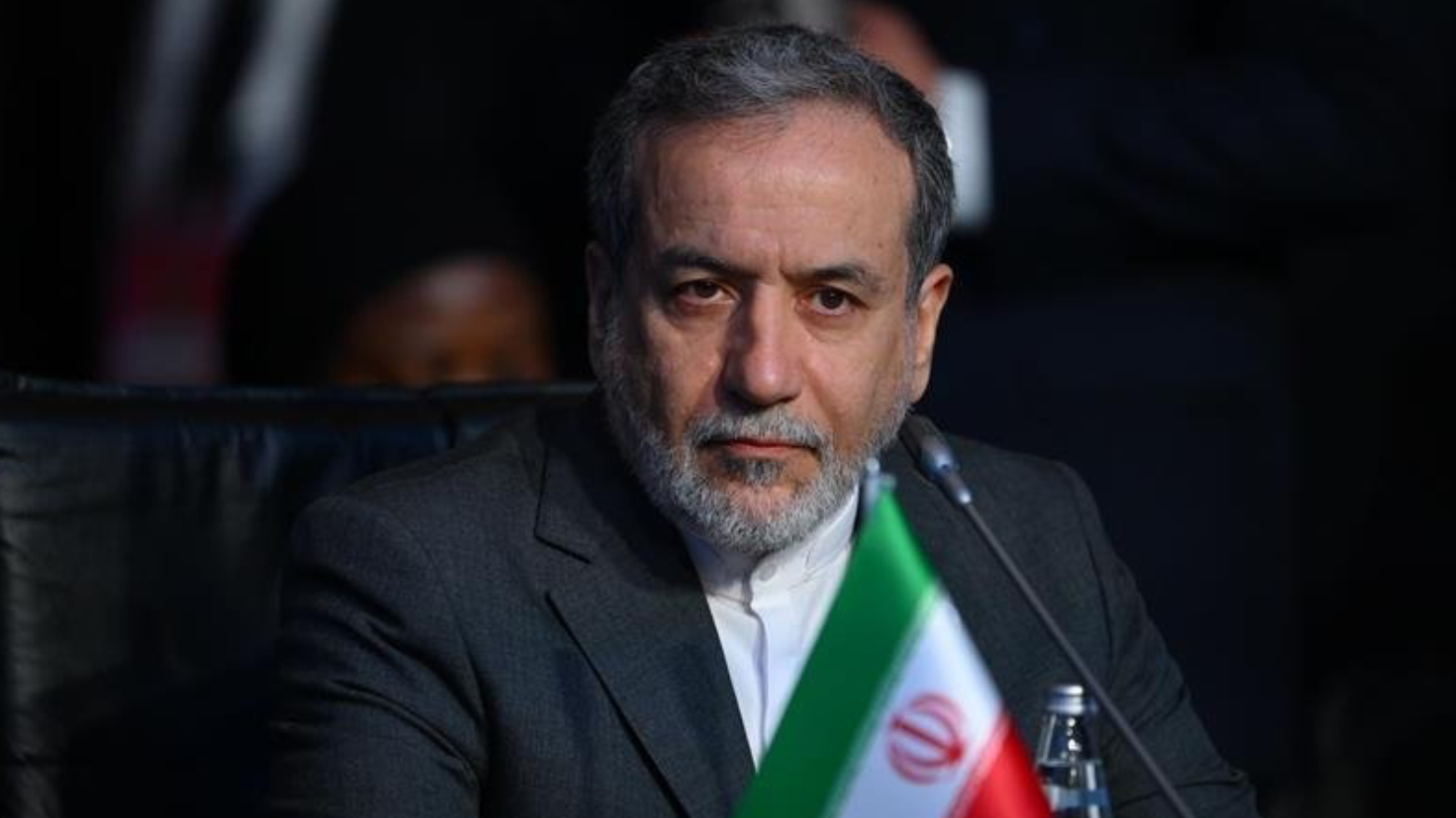
ERBIL (Kurdistan24) — Iranian Foreign Minister Abbas Araghchi said China and Russia oppose any change to Tehran’s nuclear doctrine, as debate over the country’s nuclear policy intensifies following military strikes by the United States and Israel on Iranian nuclear facilities.
In an interview published on Saturday by the state-run Iran Daily newspaper, Araghchi described the debate over changing Iran’s nuclear doctrine as a “broad, serious” issue, acknowledging that it has attracted both supporters and opponents within the country.
“Russia and China are also opposed” to changing the doctrine, Araghchi said, referring to the two countries with which Iran maintains strategic cooperation agreements.
He stressed that Tehran's official position had not changed, saying, “What matters is that, up to this point, our doctrine has not changed, and our official positions remain the same as before.”
The debate has gained momentum among Iranian political circles, particularly hardliners, following the wars with Israel and the United States, during which Iranian nuclear facilities were targeted in major military strikes.
Advocates of a policy shift argue that developing nuclear weapons could provide Tehran with a stronger deterrent against future attacks.
Araghchi acknowledged the differences within the political establishment, saying some believe the existing nuclear doctrine should remain intact, while others argue that changing it has become necessary, with both sides presenting their own justifications.
Iranian officials have continued to invoke a religious decree, or fatwa, issued by former Supreme Leader Ayatollah Ali Khamenei, which prohibited the development of weapons of mass destruction, including nuclear weapons.
Khamenei was killed in a US-Israeli strike on his compound in central Tehran on Feb. 28, triggering a regional war as Iran retaliated with missile and drone attacks across the Middle East.
His son and successor, Mojtaba Khamenei, appointed in March, has remained out of public view and has not issued a decree overturning his father's religious ruling.
Meanwhile, tensions between Tehran and the International Atomic Energy Agency (IAEA) over access to Iran's nuclear facilities remain a major obstacle to international monitoring of the country's nuclear activities.
Iran has barred the UN nuclear watchdog from inspecting its nuclear sites, citing security concerns and accusing the agency of failing to condemn the US and Israeli attacks.
Last week, the IAEA urged Tehran to take “incremental steps” toward restoring inspections, describing access to key nuclear facilities as “critical.”
Araghchi: China and Russia Oppose Changes to Iran’s Nuclear Doctrine - Kurdistan24
Iranian Foreign Minister Abbas Araghchi said China and Russia oppose any change to Tehran's nuclear doctrine, as domestic debate intensifies following US and Israeli strikes on Iranian nuclear facilities. He stressed that Iran's official position remains unchanged.
Cross Lines newsroom
Share this article
#إيران#عباس عراقجي#العقيدة النووية#الصين#روسيا#الوكالة الدولية للطاقة الذرية
Original source: أخبار إيران