In a Signal to Trump, Beijing Hosts Iranian Diplomat Ahead of U.S.-China Summit
New York Times
N
New York Times
Original Source
Beijing showcased its strategic influence over Tehran by hosting Iran's top diplomat days before President Trump's expected summit with Chinese leader Xi Jinping. The meeting signals to the White House that China holds significant leverage over Iran at a critical moment in Middle East diplomacy.
In a Signal to Trump, Beijing Hosts Iranian Diplomat Ahead of U.S.-China Summit - The New York Times
Skip to contentSkip to site index
Asia Pacific
Log in
Wednesday, September 16, 2026
Today’s Paper
* Home
* + U.S.
+ International
+ Canada
+ Español
+ 中文
War in the
Middle East
* Diplomatic Efforts
* Iran’s Aggressive Approach
* Inside the Conflict in Lebanon
* Timeline of War
Advertisement
SKIP ADVERTISEMENT
Supported by
SKIP ADVERTISEMENT
In a Signal to Trump, Beijing Hosts Iranian Diplomat Ahead of U.S.-China Summit
China renewed calls for an end to the fighting in the Middle East while demonstrating its influence over Tehran.
Listen · 2:53 min
*
*
*
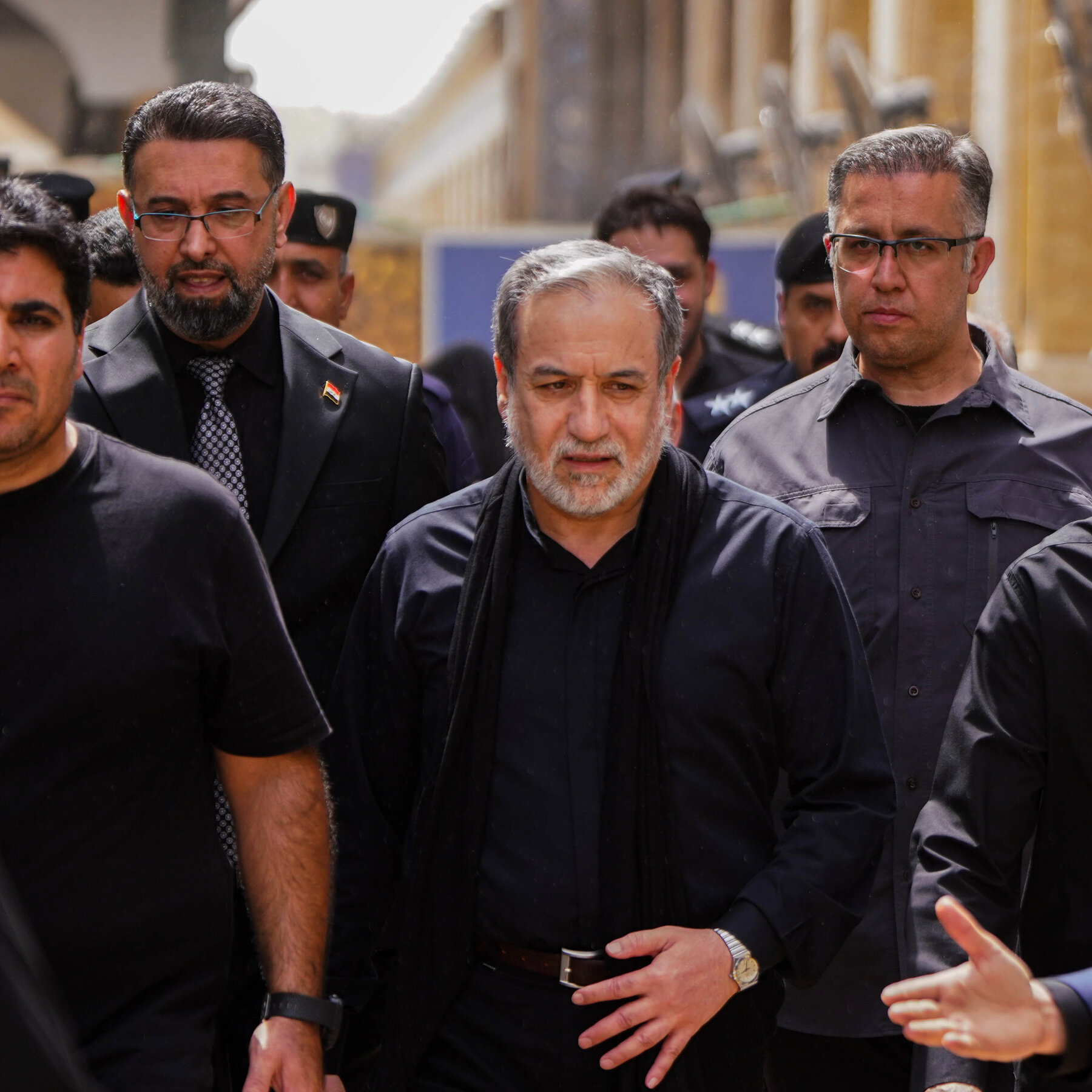
!Iran’s foreign minister, Abbas Araghchi, and several other people, all wearing black shirts, walk outside.
*Iran’s foreign minister, Abbas Araghchi, in August. In a meeting on Wednesday with Mr. Araghchi, China’s top diplomat, Wang Yi, emphasized the two countries’ partnership.
Credit...
Anmar Khalil/Associated Press*
By
David Pierson
Reporting from Hong Kong
Sept. 16, 2026
Updated 8:29 a.m. ET
See more of our coverage in your search results. Encuentra más de nuestra cobertura en los resultados de búsqueda. Add The New York Times on Google Agrega The New York Times en Google
Beijing showed off its close ties to Tehran on Wednesday by hosting Iran’s top diplomat days before an expected summit between President Trump and China’s leader, Xi Jinping.
China’s top diplomat, Wang Yi, repeated Beijing’s calls for an end to the war in Iran and for the reopening of the Strait of Hormuz in a meeting with Abbas Araghchi, the Iranian foreign minister, according to an official Chinese summary of the meeting.
The meeting between Mr. Wang and Mr. Araghchi, who also met in Beijing days before Mr. Trump’s summit with Mr. Xi in China in May, sends a signal to the White House that Beijing has leverage over Tehran at a time when Mr. Trump appears to be running out of options to bring the war to an end on favorable terms for the United States.
That influence stems from critical support that China provides to Iran, which China considers its closest strategic partner in the Middle East. Beijing supplies Tehran with technology and raw materials to build missiles and drones, and defied Western sanctions by buying over 90 percent of Tehran’s oil exports before the Strait of Hormuz closed.
“China and Iran are comprehensive strategic partners,” Mr. Wang said, invoking a phrase Beijing has used for years to describe the countries’ relationship. He added that “China is also willing to strengthen dialogue and cooperation with Iran to safeguard Iran’s legitimate rights and interests,” according to the meeting summary.
Mr. Wang did not assign blame to any country for the war and urged Iran and the United States to “remain rational and exercise restraint.” He encouraged Tehran to continue dialogue with countries it is fighting directly and indirectly in the Persian Gulf, a region where China has developed close diplomatic ties. And he expressed concern about the escalating conflict in Yemen between the internationally recognized government that is supported by Saudi Arabia and the Iran-backed Houthi militia.
Beijing’s balancing act has recently faced pressure from the United States. Mr. Trump last month threatened, but has so far refrained from imposing, “tremendous economic consequences” on countries that do business with Iran. China would have seemingly been the main target of that effort.
Mr. Trump and Mr. Xi are scheduled to meet in Washington next week. Iran is expected to feature prominently in discussions between the two sides, along with the potential extension of a U.S.-China trade truce and ways to cooperate on artificial intelligence safety.
David Pierson
covers Chinese foreign policy and China’s economic and cultural engagement with the world. He has been a journalist for more than two decades.
*
*
*
Related Content
*
*
*
*
*
*
*
*
*
*
*
*
*
*
*
*
*
*
*
Advertisement
SKIP ADVERTISEMENT
Site Index
Site Information Navigation
* ©2026 The New York Times Company
* NYTCo
* Contact Us
* Accessibility
* Work with us
* Advertise
* T Brand Studio
* Privacy Policy
* Cookie Policy
* Terms of Service
* Terms of Sale
* Site Map
* Canada
* International
* Help
* Subscriptions
*
Skip to contentSkip to site index
Asia Pacific
Log in
Wednesday, September 16, 2026
Today’s Paper
* Home
* + U.S.
+ International
+ Canada
+ Español
+ 中文
War in the
Middle East
* Diplomatic Efforts
* Iran’s Aggressive Approach
* Inside the Conflict in Lebanon
* Timeline of War
Advertisement
SKIP ADVERTISEMENT
Supported by
SKIP ADVERTISEMENT
In a Signal to Trump, Beijing Hosts Iranian Diplomat Ahead of U.S.-China Summit
China renewed calls for an end to the fighting in the Middle East while demonstrating its influence over Tehran.
Listen · 2:53 min
*
*
*
!Iran’s foreign minister, Abbas Araghchi, and several other people, all wearing black shirts, walk outside.
*Iran’s foreign minister, Abbas Araghchi, in August. In a meeting on Wednesday with Mr. Araghchi, China’s top diplomat, Wang Yi, emphasized the two countries’ partnership.
Credit...
Anmar Khalil/Associated Press*
By
David Pierson
Reporting from Hong Kong
Sept. 16, 2026
Updated 8:29 a.m. ET
See more of our coverage in your search results. Encuentra más de nuestra cobertura en los resultados de búsqueda. Add The New York Times on Google Agrega The New York Times en Google
Beijing showed off its close ties to Tehran on Wednesday by hosting Iran’s top diplomat days before an expected summit between President Trump and China’s leader, Xi Jinping.
China’s top diplomat, Wang Yi, repeated Beijing’s calls for an end to the war in Iran and for the reopening of the Strait of Hormuz in a meeting with Abbas Araghchi, the Iranian foreign minister, according to an official Chinese summary of the meeting.
The meeting between Mr. Wang and Mr. Araghchi, who also met in Beijing days before Mr. Trump’s summit with Mr. Xi in China in May, sends a signal to the White House that Beijing has leverage over Tehran at a time when Mr. Trump appears to be running out of options to bring the war to an end on favorable terms for the United States.
That influence stems from critical support that China provides to Iran, which China considers its closest strategic partner in the Middle East. Beijing supplies Tehran with technology and raw materials to build missiles and drones, and defied Western sanctions by buying over 90 percent of Tehran’s oil exports before the Strait of Hormuz closed.
“China and Iran are comprehensive strategic partners,” Mr. Wang said, invoking a phrase Beijing has used for years to describe the countries’ relationship. He added that “China is also willing to strengthen dialogue and cooperation with Iran to safeguard Iran’s legitimate rights and interests,” according to the meeting summary.
Mr. Wang did not assign blame to any country for the war and urged Iran and the United States to “remain rational and exercise restraint.” He encouraged Tehran to continue dialogue with countries it is fighting directly and indirectly in the Persian Gulf, a region where China has developed close diplomatic ties. And he expressed concern about the escalating conflict in Yemen between the internationally recognized government that is supported by Saudi Arabia and the Iran-backed Houthi militia.
Beijing’s balancing act has recently faced pressure from the United States. Mr. Trump last month threatened, but has so far refrained from imposing, “tremendous economic consequences” on countries that do business with Iran. China would have seemingly been the main target of that effort.
Mr. Trump and Mr. Xi are scheduled to meet in Washington next week. Iran is expected to feature prominently in discussions between the two sides, along with the potential extension of a U.S.-China trade truce and ways to cooperate on artificial intelligence safety.
David Pierson
covers Chinese foreign policy and China’s economic and cultural engagement with the world. He has been a journalist for more than two decades.
*
*
*
Related Content
*
*
*
*
*
*
*
*
*
*
*
*
*
*
*
*
*
*
*
Advertisement
SKIP ADVERTISEMENT
Site Index
Site Information Navigation
* ©2026 The New York Times Company
* NYTCo
* Contact Us
* Accessibility
* Work with us
* Advertise
* T Brand Studio
* Privacy Policy
* Cookie Policy
* Terms of Service
* Terms of Sale
* Site Map
* Canada
* International
* Help
* Subscriptions
*
🔗 Share Article
Tags:#الصين#إيران#الولايات المتحدة#الشرق الأوسط#ترامب#الدبلوماسية
Source: New York Times
For Context
Related reads from the same topic or latest developments