France Mocked U.S. for Human Rights Vote, Then Quietly Apologized
New York Times
N
New York Times
Original Source
France publicly criticized the U.S. over its vote against the U.N. human rights commissioner, prompting the Trump administration to freeze approval of a new French ambassador to Washington. After seven weeks of American pressure, France apologized, allowing the nomination to proceed.
France Mocked U.S. for Human Rights Vote, Then Quietly Apologized - The New York Times
Skip to contentSkip to site index
Europe
Log in
Monday, September 14, 2026
Today’s Paper
* Home
* + U.S.
+ International
+ Canada
+ Español
+ 中文
Trump
Administration
* How Trump Stifles Speech
* Voting by Mail
* U.S.-Canada Trade War
* Video: Republican Support for Trump
* Approval Rating
Advertisement
SKIP ADVERTISEMENT
You have a preview view of this article while we are checking your access. When we have confirmed access, the full article content will load.
Supported by
SKIP ADVERTISEMENT
France Mocked U.S. for Human Rights Vote, Then Quietly Apologized
After the Trump administration blocked a new ambassador to Washington, the country expressed regret for a post from a French official social media account.
Listen · 5:01 min
*
*
*
*
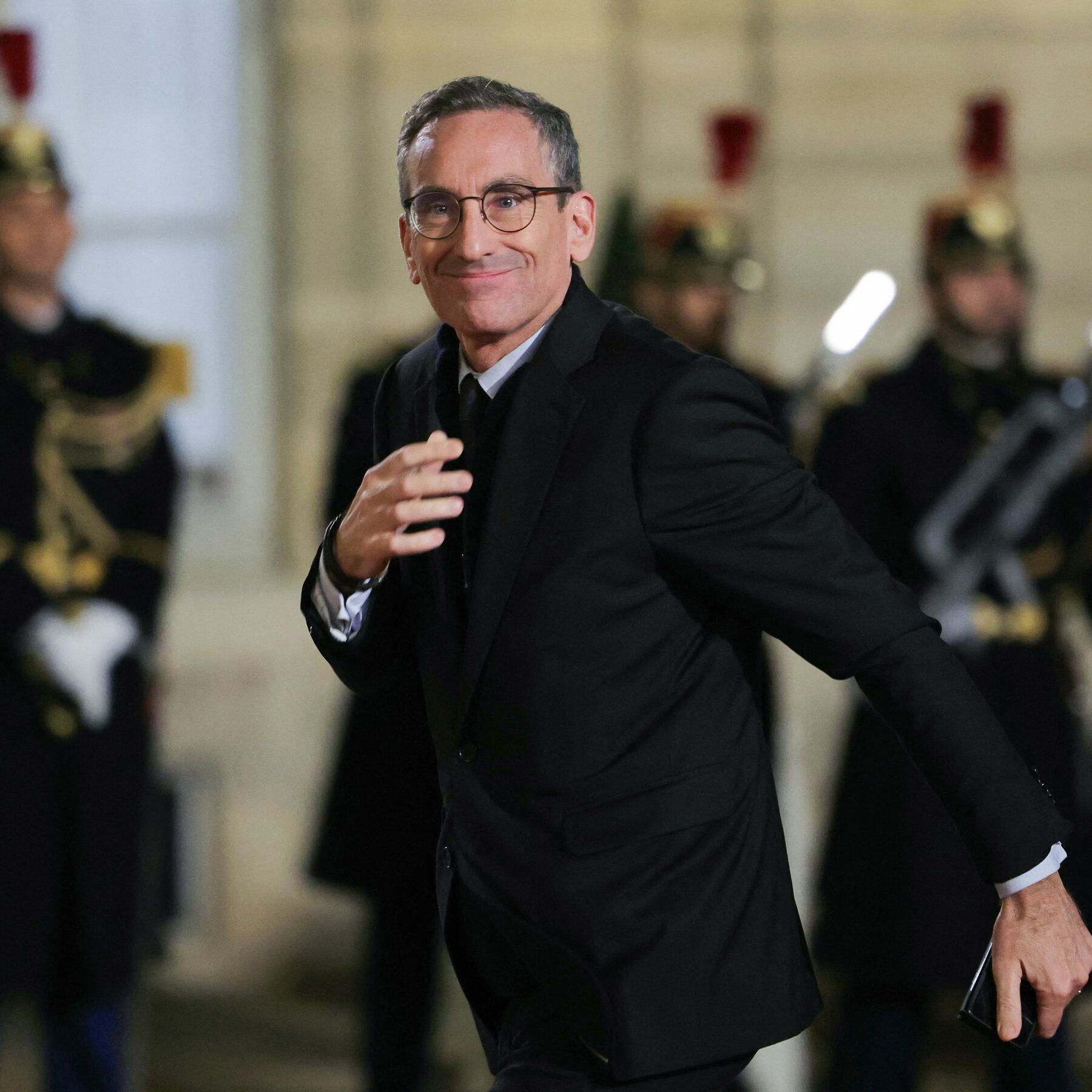
!Aurélien Lechevallier, in a black suit and glasses, walking and smiling. Blurry uniformed soldiers, with red plumes on their golden helmets, stand in the background.
*Aurélien Lechevallier, whom France has nominated as its ambassador to Washington, in Paris in 2024.
Credit...
Thomas Samson/Agence France-Presse — Getty Images*
By
Mark Landler
Reporting from Paris
Sept. 14, 2026, 8:14 a.m. ET
See more of our coverage in your search results. Encuentra más de nuestra cobertura en los resultados de búsqueda. Add The New York Times on Google Agrega The New York Times en Google
When France compared the United States to North Korea and Russia in July, the Trump administration responded by freezing the approval of a new French ambassador to Washington.
Now, after seven weeks of American pressure, France has backed down, apologizing on Friday for the social media post that set off the dispute. That will allow France’s nomination of Aurélien Lechevallier as its ambassador to Washington to move forward, according to a senior American official and a former French official with knowledge of the situation. The two spoke on the condition of anonymity, citing the delicacy of the negotiations.
The episode illustrated the strained nature of relations during the Trump era between Europe and the United States, which have diverged over the futures of Greenland, Ukraine and the postwar international order.
The dispute erupted on July 24 after the United Nations General Assembly voted 114 to 10, with 13 abstentions, to give a second four-year term to Volker Türk, an Austrian lawyer, as high commissioner of the U.N. human rights commission.
Like North Korea and Russia, the United States opposed Mr. Türk. It cited his criticism of the United States and Israel and what it said was his reluctance to condemn repressive governments in Iran and Cuba.
“The UN human rights system has been losing credibility for decades,” the United States mission to the United Nations said in a post on social media. “Volker Türk led it to its deathbed.”
---
Thank you for your patience while we verify access. If you are in Reader mode please exit andlog intoyour Times account, orsubscribefor all of The Times.
---
Thank you for your patience while we verify access.
Already a subscriber?Log in.
Want all of The Times?Subscribe.
Related Content
*
*
*
*
*
*
*
*
*
*
*
*
*
*
*
*
*
*
*
Advertisement
SKIP ADVERTISEMENT
Site Index
Site Information Navigation
* ©2026 The New York Times Company
* NYTCo
* Contact Us
* Accessibility
* Work with us
* Advertise
* T Brand Studio
* Privacy Policy
* Cookie Policy
* Terms of Service
* Terms of Sale
* Site Map
* Canada
* International
* Help
* Subscriptions
*
Skip to contentSkip to site index
Europe
Log in
Monday, September 14, 2026
Today’s Paper
* Home
* + U.S.
+ International
+ Canada
+ Español
+ 中文
Trump
Administration
* How Trump Stifles Speech
* Voting by Mail
* U.S.-Canada Trade War
* Video: Republican Support for Trump
* Approval Rating
Advertisement
SKIP ADVERTISEMENT
You have a preview view of this article while we are checking your access. When we have confirmed access, the full article content will load.
Supported by
SKIP ADVERTISEMENT
France Mocked U.S. for Human Rights Vote, Then Quietly Apologized
After the Trump administration blocked a new ambassador to Washington, the country expressed regret for a post from a French official social media account.
Listen · 5:01 min
*
*
*
*
!Aurélien Lechevallier, in a black suit and glasses, walking and smiling. Blurry uniformed soldiers, with red plumes on their golden helmets, stand in the background.
*Aurélien Lechevallier, whom France has nominated as its ambassador to Washington, in Paris in 2024.
Credit...
Thomas Samson/Agence France-Presse — Getty Images*
By
Mark Landler
Reporting from Paris
Sept. 14, 2026, 8:14 a.m. ET
See more of our coverage in your search results. Encuentra más de nuestra cobertura en los resultados de búsqueda. Add The New York Times on Google Agrega The New York Times en Google
When France compared the United States to North Korea and Russia in July, the Trump administration responded by freezing the approval of a new French ambassador to Washington.
Now, after seven weeks of American pressure, France has backed down, apologizing on Friday for the social media post that set off the dispute. That will allow France’s nomination of Aurélien Lechevallier as its ambassador to Washington to move forward, according to a senior American official and a former French official with knowledge of the situation. The two spoke on the condition of anonymity, citing the delicacy of the negotiations.
The episode illustrated the strained nature of relations during the Trump era between Europe and the United States, which have diverged over the futures of Greenland, Ukraine and the postwar international order.
The dispute erupted on July 24 after the United Nations General Assembly voted 114 to 10, with 13 abstentions, to give a second four-year term to Volker Türk, an Austrian lawyer, as high commissioner of the U.N. human rights commission.
Like North Korea and Russia, the United States opposed Mr. Türk. It cited his criticism of the United States and Israel and what it said was his reluctance to condemn repressive governments in Iran and Cuba.
“The UN human rights system has been losing credibility for decades,” the United States mission to the United Nations said in a post on social media. “Volker Türk led it to its deathbed.”
---
Thank you for your patience while we verify access. If you are in Reader mode please exit andlog intoyour Times account, orsubscribefor all of The Times.
---
Thank you for your patience while we verify access.
Already a subscriber?Log in.
Want all of The Times?Subscribe.
Related Content
*
*
*
*
*
*
*
*
*
*
*
*
*
*
*
*
*
*
*
Advertisement
SKIP ADVERTISEMENT
Site Index
Site Information Navigation
* ©2026 The New York Times Company
* NYTCo
* Contact Us
* Accessibility
* Work with us
* Advertise
* T Brand Studio
* Privacy Policy
* Cookie Policy
* Terms of Service
* Terms of Sale
* Site Map
* Canada
* International
* Help
* Subscriptions
*
🔗 Share Article
Tags:#فرنسا#الولايات المتحدة#العلاقات الدولية#إدارة ترامب#الأمم المتحدة#حقوق الإنسان
Source: New York Times
For Context
Related reads from the same topic or latest developments
