What to Know About Djibouti’s Refugee Crisis
Foreign Policy

Foreign Policy
Original Source
The United Nations warns of a rapidly escalating humanitarian crisis in Djibouti as thousands of Yemeni refugees flee by sea, driven by intensifying Houthi attacks across the Red Sea. The widening Iranian-backed campaign threatens to destabilize the Horn of Africa and deepen the region's entanglement in Middle Eastern conflict.
Djibouti's Refugee Crisis: What to Know as Houthi Attacks Ramp Up
By using this website, you agree to our use of cookies. This use includes personalization of content and ads, and traffic analytics. Review our Privacy Policy for more information.
!Foreign Policy
Foreign Policy Get analysis and alerts more quickly in the mobile app.
Install
Back to Foreign Policy Magazine home page
* Latest
* Regions
+ Asia & the Pacific
+ China
+ Middle East & Africa
+ Americas
+ Europe
* Newsletters
Editors’ Picks
Evening roundup with our editors’ favorite stories of the day
!World Brief Icon
World Brief
Your guide to the most important world stories of the day
!China Brief Icon
China Brief
The latest news, analysis, and data from the country each week
Situation Report
Weekly update on what’s driving U.S. national security policy
FP Weekend
A curation of our best book reviews, deep dives, and other reads
!Africa Brief Icon
Africa Brief
Essential analysis of the stories shaping geopolitics on the continent
!South Asia Brief Icon
South Asia Brief
Weekly update on developments in India and its neighbors
The Reading List
Curated guides on geopolitics and current affairs
FP Bookshelf
A monthly guide to FP’s book reviews, excerpts, and reading recommendations
!Latin America Brief Icon
Latin America Brief
One-stop digest of politics, economics, and culture
!Southeast Asia Brief Icon
Southeast Asia Brief
A weekly dispatch with news from the region’s 11 countries
The New Geopolitics
A five-part masterclass in IR theory with Harvard Professor Stephen M. Walt
View All Newsletters
* FP Live
* Latest
* Trending:
* Trump-Xi meeting
* United Nations General Assembly
Search this website
* Preferences
* My FP Feed
* Saved Articles
* Newsletters
* Magazine Archive
* Subscription Settings
* FAQs
* Log Out
Sign In
Sign In
Partner with FP at UNGA81 Partner with FP at UNGA81
Subscribe Subscribe Partner with FP at UNGA81 Partner with FP at UNGA81
Africa Brief: What to Know About Djibouti’s Refugee Crisis
*
*
* Facebook
* Bluesky
* X
* LinkedIn
* WhatsApp
* Reddit
Save Save
1. Create an FP account to save articles to read later.
Sign Up
ALREADY AN FP SUBSCRIBER? LOGIN
PDF PDF
1. **Downloadable PDFs** are a benefit of an FP subscription.
Subscribe Now
ALREADY AN FP SUBSCRIBER? LOGIN
Gift Gift
*
*
* WhatsApp
1. Gifting articles is a subscriber benefit.
Subscribe Now
ALREADY AN FP SUBSCRIBER? LOGIN
2. This article is an Insider exclusive.
Contact us at [email protected] to learn about upgrade options, unlocking the ability to gift this article.
Africa Brief
Lagos-based Nosmot Gbadamosi reports from across Africa on what’s driving policy, economics, and culture in the world’s fastest-growing and youngest continent. Sign up for the latest news, expert analysis, and data insights. Delivered Wednesday.
What to Know About Djibouti’s Refugee Crisis
The widening Houthi campaign along the Red Sea is further destabilizing the region.
!Gbadamosi-Nosmot-foreign-policy-columnist10
*Gbadamosi-Nosmot-foreign-policy-columnist10*
*Nosmot Gbadamosi*
By **Nosmot Gbadamosi**, a multimedia journalist and the writer of *Foreign Policy*’s weekly Africa Brief.
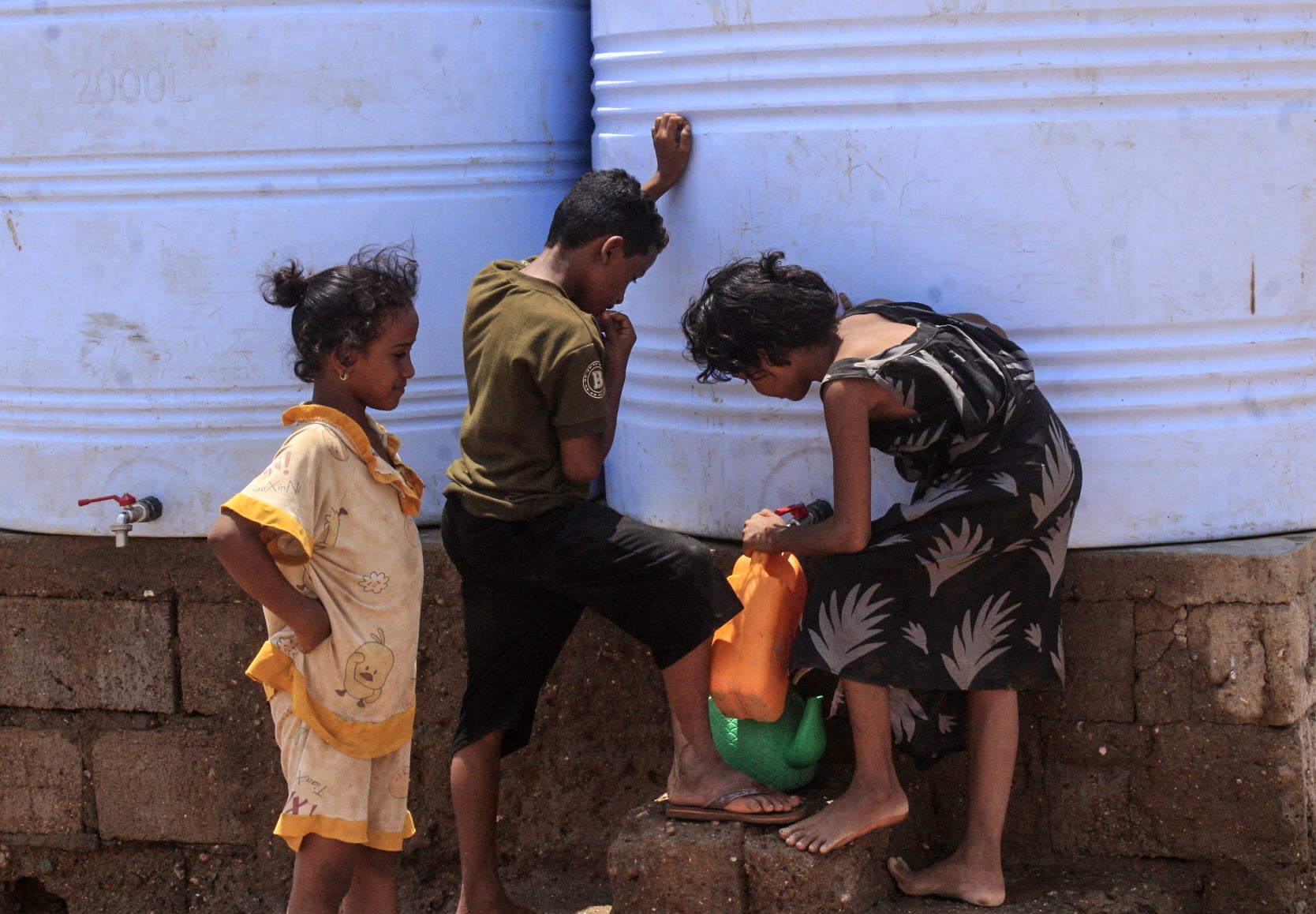
!Three young children gather in front of two large, light blue plastic water storage tanks set on a stone ledge. On the right, a child in a patterned dark dress leans down to fill colorful plastic jugs from a lower spigot, while a boy in a green shirt stands beside them leaning against the tank, and a girl in a yellow dress stands nearby watching.
*Three young children gather in front of two large, light blue plastic water storage tanks set on a stone ledge. On the right, a child in a patterned dark dress leans down to fill colorful plastic jugs from a lower spigot, while a boy in a green shirt stands beside them leaning against the tank, and a girl in a yellow dress stands nearby watching.*
Yemeni children fill water buckets after crossing the Bab el-Mandeb Strait from Yemen, seen at Markazi refugee camp in Obock, Djibouti, on Sept. 20. Guirreh Moumin/AP
My FP: Follow topics and authors to get straight to what you like. Exclusively for FP subscribers. Subscribe Now | Log In
*
*
*
September 23, 2026, 5:01 PM
Welcome to *Foreign Policy*’s Africa Brief*.*
The highlights this week: Thousands of **Yemeni refugees** flee to Djibouti amid growing Houthi attacks, Morocco holds its first **parliamentary elections** since major youth-led protests, and **fighting resurges in** **Ethiopia**’s northern Tigray region.
Welcome to *Foreign Policy*’s Africa Brief*.*
The highlights this week: Thousands of **Yemeni refugees** flee to Djibouti amid growing Houthi attacks, Morocco holds its first **parliamentary elections** since major youth-led protests, and **fighting resurges in** **Ethiopia**’s northern Tigray region.
Sign up to receive Africa Brief in your inbox every Wednesday.
---
Interconnected Crises
The United Nations is warning of a rapidly escalating humanitarian crisis in Djibouti, as more than 3,000 Yemeni refugees have fled by boat to the Horn of Africa country in recent weeks following offensives by Iranian-backed Houthi rebels along the Red Sea.
The U.N. refugee agency has said that continued fighting could cause this figure to spike to 10,000 people in the coming months, especially as rough sea conditions are forecast to improve after mid-October.
Djibouti sits directly across from Yemen on the Bab el-Mandeb Strait, a vital shipping chokepoint connecting the Red Sea to the Gulf of Aden that handles approximately 12 percent of global maritime trade. The Houthi’s recent capture of Yemen’s port city of Mokha and the strategic Mayun Island (also called Perim) has now put the rebel group just 12 miles from Djibouti’s coast.
Djiboutian President Ismail Omar Guelleh has exploited his country’s location as an economic asset for decades by leasing land to foreign powers; the United States, China, Japan, and some European nations have military bases there. But Djibouti’s strategic position has increasingly become a liability as it faces rising fallout from the Iran war.
Security experts argue that the widening Houthi campaign could draw the Horn of Africa deeper into war in the Middle East and further destabilize the region. Djibouti is not the only country receiving refugees amid the conflict; hundreds of Yemenis have also fled to the Somali breakaway regions of Somaliland and Puntland.
Djibouti already hosts around 36,000 registered refugees, mainly from Somalia and Ethiopia, which has strained public infrastructure and clean water access among a population of just 1.2 million. The country took in more than 15,700 Yemeni refugees in 2015, when Yemen’s civil war escalated. (Most of those who arrived then have since returned to Yemen or relocated.)
“Djibouti can no longer afford to carry a regional burden,” the country’s finance minister, Ilyas Dawaleh, wrote in *Addis Fortune* earlier this month. “A Horn of Africa left to absorb rising displacement alone is less able to secure its coastline or deny space to those who threaten shipping through the strait.”
Complicating matters, Israel’s recognition of Somaliland in December, a decision likely made partly in order to monitor Houthi activity across from the territory, may bring heightened insecurity to the region. Eventually, Marc Lynch wrote last week in *Foreign Policy*, it could “turbocharge Houthi ties with the Somalia-based al-Shabab terrorist group, which has been organically growing for several years, raising the risks of a transregional expansion of the war across the Horn of Africa.”
In recent months, the Houthis and al-Shabab have drastically expanded military and tactical cooperation, according to a *Wall Street Journal* report.
By using this website, you agree to our use of cookies. This use includes personalization of content and ads, and traffic analytics. Review our Privacy Policy for more information.
!Foreign Policy
Foreign Policy Get analysis and alerts more quickly in the mobile app.
Install
Back to Foreign Policy Magazine home page
* Latest
* Regions
+ Asia & the Pacific
+ China
+ Middle East & Africa
+ Americas
+ Europe
* Newsletters
Editors’ Picks
Evening roundup with our editors’ favorite stories of the day
!World Brief Icon
World Brief
Your guide to the most important world stories of the day
!China Brief Icon
China Brief
The latest news, analysis, and data from the country each week
Situation Report
Weekly update on what’s driving U.S. national security policy
FP Weekend
A curation of our best book reviews, deep dives, and other reads
!Africa Brief Icon
Africa Brief
Essential analysis of the stories shaping geopolitics on the continent
!South Asia Brief Icon
South Asia Brief
Weekly update on developments in India and its neighbors
The Reading List
Curated guides on geopolitics and current affairs
FP Bookshelf
A monthly guide to FP’s book reviews, excerpts, and reading recommendations
!Latin America Brief Icon
Latin America Brief
One-stop digest of politics, economics, and culture
!Southeast Asia Brief Icon
Southeast Asia Brief
A weekly dispatch with news from the region’s 11 countries
The New Geopolitics
A five-part masterclass in IR theory with Harvard Professor Stephen M. Walt
View All Newsletters
* FP Live
* Latest
* Trending:
* Trump-Xi meeting
* United Nations General Assembly
Search this website
* Preferences
* My FP Feed
* Saved Articles
* Newsletters
* Magazine Archive
* Subscription Settings
* FAQs
* Log Out
Sign In
Sign In
Partner with FP at UNGA81 Partner with FP at UNGA81
Subscribe Subscribe Partner with FP at UNGA81 Partner with FP at UNGA81
Africa Brief: What to Know About Djibouti’s Refugee Crisis
*
*
* Bluesky
* X
Save Save
1. Create an FP account to save articles to read later.
Sign Up
ALREADY AN FP SUBSCRIBER? LOGIN
PDF PDF
1. **Downloadable PDFs** are a benefit of an FP subscription.
Subscribe Now
ALREADY AN FP SUBSCRIBER? LOGIN
Gift Gift
*
*
1. Gifting articles is a subscriber benefit.
Subscribe Now
ALREADY AN FP SUBSCRIBER? LOGIN
2. This article is an Insider exclusive.
Contact us at [email protected] to learn about upgrade options, unlocking the ability to gift this article.
Africa Brief
Lagos-based Nosmot Gbadamosi reports from across Africa on what’s driving policy, economics, and culture in the world’s fastest-growing and youngest continent. Sign up for the latest news, expert analysis, and data insights. Delivered Wednesday.
What to Know About Djibouti’s Refugee Crisis
The widening Houthi campaign along the Red Sea is further destabilizing the region.
!Gbadamosi-Nosmot-foreign-policy-columnist10
*Gbadamosi-Nosmot-foreign-policy-columnist10*
*Nosmot Gbadamosi*
By **Nosmot Gbadamosi**, a multimedia journalist and the writer of *Foreign Policy*’s weekly Africa Brief.
!Three young children gather in front of two large, light blue plastic water storage tanks set on a stone ledge. On the right, a child in a patterned dark dress leans down to fill colorful plastic jugs from a lower spigot, while a boy in a green shirt stands beside them leaning against the tank, and a girl in a yellow dress stands nearby watching.
*Three young children gather in front of two large, light blue plastic water storage tanks set on a stone ledge. On the right, a child in a patterned dark dress leans down to fill colorful plastic jugs from a lower spigot, while a boy in a green shirt stands beside them leaning against the tank, and a girl in a yellow dress stands nearby watching.*
Yemeni children fill water buckets after crossing the Bab el-Mandeb Strait from Yemen, seen at Markazi refugee camp in Obock, Djibouti, on Sept. 20. Guirreh Moumin/AP
My FP: Follow topics and authors to get straight to what you like. Exclusively for FP subscribers. Subscribe Now | Log In
*
*
*
September 23, 2026, 5:01 PM
Welcome to *Foreign Policy*’s Africa Brief*.*
The highlights this week: Thousands of **Yemeni refugees** flee to Djibouti amid growing Houthi attacks, Morocco holds its first **parliamentary elections** since major youth-led protests, and **fighting resurges in** **Ethiopia**’s northern Tigray region.
Welcome to *Foreign Policy*’s Africa Brief*.*
The highlights this week: Thousands of **Yemeni refugees** flee to Djibouti amid growing Houthi attacks, Morocco holds its first **parliamentary elections** since major youth-led protests, and **fighting resurges in** **Ethiopia**’s northern Tigray region.
Sign up to receive Africa Brief in your inbox every Wednesday.
---
Interconnected Crises
The United Nations is warning of a rapidly escalating humanitarian crisis in Djibouti, as more than 3,000 Yemeni refugees have fled by boat to the Horn of Africa country in recent weeks following offensives by Iranian-backed Houthi rebels along the Red Sea.
The U.N. refugee agency has said that continued fighting could cause this figure to spike to 10,000 people in the coming months, especially as rough sea conditions are forecast to improve after mid-October.
Djibouti sits directly across from Yemen on the Bab el-Mandeb Strait, a vital shipping chokepoint connecting the Red Sea to the Gulf of Aden that handles approximately 12 percent of global maritime trade. The Houthi’s recent capture of Yemen’s port city of Mokha and the strategic Mayun Island (also called Perim) has now put the rebel group just 12 miles from Djibouti’s coast.
Djiboutian President Ismail Omar Guelleh has exploited his country’s location as an economic asset for decades by leasing land to foreign powers; the United States, China, Japan, and some European nations have military bases there. But Djibouti’s strategic position has increasingly become a liability as it faces rising fallout from the Iran war.
Security experts argue that the widening Houthi campaign could draw the Horn of Africa deeper into war in the Middle East and further destabilize the region. Djibouti is not the only country receiving refugees amid the conflict; hundreds of Yemenis have also fled to the Somali breakaway regions of Somaliland and Puntland.
Djibouti already hosts around 36,000 registered refugees, mainly from Somalia and Ethiopia, which has strained public infrastructure and clean water access among a population of just 1.2 million. The country took in more than 15,700 Yemeni refugees in 2015, when Yemen’s civil war escalated. (Most of those who arrived then have since returned to Yemen or relocated.)
“Djibouti can no longer afford to carry a regional burden,” the country’s finance minister, Ilyas Dawaleh, wrote in *Addis Fortune* earlier this month. “A Horn of Africa left to absorb rising displacement alone is less able to secure its coastline or deny space to those who threaten shipping through the strait.”
Complicating matters, Israel’s recognition of Somaliland in December, a decision likely made partly in order to monitor Houthi activity across from the territory, may bring heightened insecurity to the region. Eventually, Marc Lynch wrote last week in *Foreign Policy*, it could “turbocharge Houthi ties with the Somalia-based al-Shabab terrorist group, which has been organically growing for several years, raising the risks of a transregional expansion of the war across the Horn of Africa.”
In recent months, the Houthis and al-Shabab have drastically expanded military and tactical cooperation, according to a *Wall Street Journal* report.
🔗 Share Article
Tags:#جيبوتي#اللاجئون#الحوثيون#البحر الأحمر#الصراع الإقليمي#القرن الأفريقي
Source: Foreign Policy
For Context
Related reads from the same topic or latest developments