Democrats Can’t Return to Pre-Trump Foreign Policy
By using this website, you agree to our use of cookies. This use includes personalization of content and ads, and traffic analytics. Review our Privacy Policy for more information.
Foreign Policy Get analysis and alerts more quickly in the mobile app.
Install
Back to Foreign Policy Magazine home page
Evening roundup with our editors’ favorite stories of the day
World Brief
Your guide to the most important world stories of the day
China Brief
The latest news, analysis, and data from the country each week
Situation Report
Weekly update on what’s driving U.S. national security policy
FP Weekend
A curation of our best book reviews, deep dives, and other reads
Africa Brief
Essential analysis of the stories shaping geopolitics on the continent
South Asia Brief
Weekly update on developments in India and its neighbors
The Reading List
Curated guides on geopolitics and current affairs
FP Bookshelf
A monthly guide to FP’s book reviews, excerpts, and reading recommendations
Latin America Brief
One-stop digest of politics, economics, and culture
Southeast Asia Brief
A weekly dispatch with news from the region’s 11 countries
The New Geopolitics
A five-part masterclass in IR theory with Harvard Professor Stephen M. Walt
View All Newsletters
Give a gift Give a gift
Subscribe Subscribe Give a gift Give a gift
Argument: Democrats Can’t Return to Pre-Trump Foreign Policy
1. Create an FP account to save articles to read later.
Sign Up
ALREADY AN FP SUBSCRIBER? LOGIN
PDF
1. **Downloadable PDFs** are a benefit of an FP subscription.
ALREADY AN FP SUBSCRIBER? LOGIN
Gift
1. Gifting articles is a subscriber benefit.
ALREADY AN FP SUBSCRIBER? LOGIN
2. This article is an Insider exclusive.
Contact us at [email protected] to learn about upgrade options, unlocking the ability to gift this article.
Argument
An expert’s point of view on a current event.
Democrats Can’t Return to Pre-Trump Foreign Policy
The world has changed. A new approach must take that into account.
By **Rebecca Lissner**, a senior fellow for U.S. foreign policy and director of the Future of American Strategy Initiative at the Council on Foreign Relations, and **Mira Rapp-Hooper**, a visiting senior fellow at the Brookings Institution.
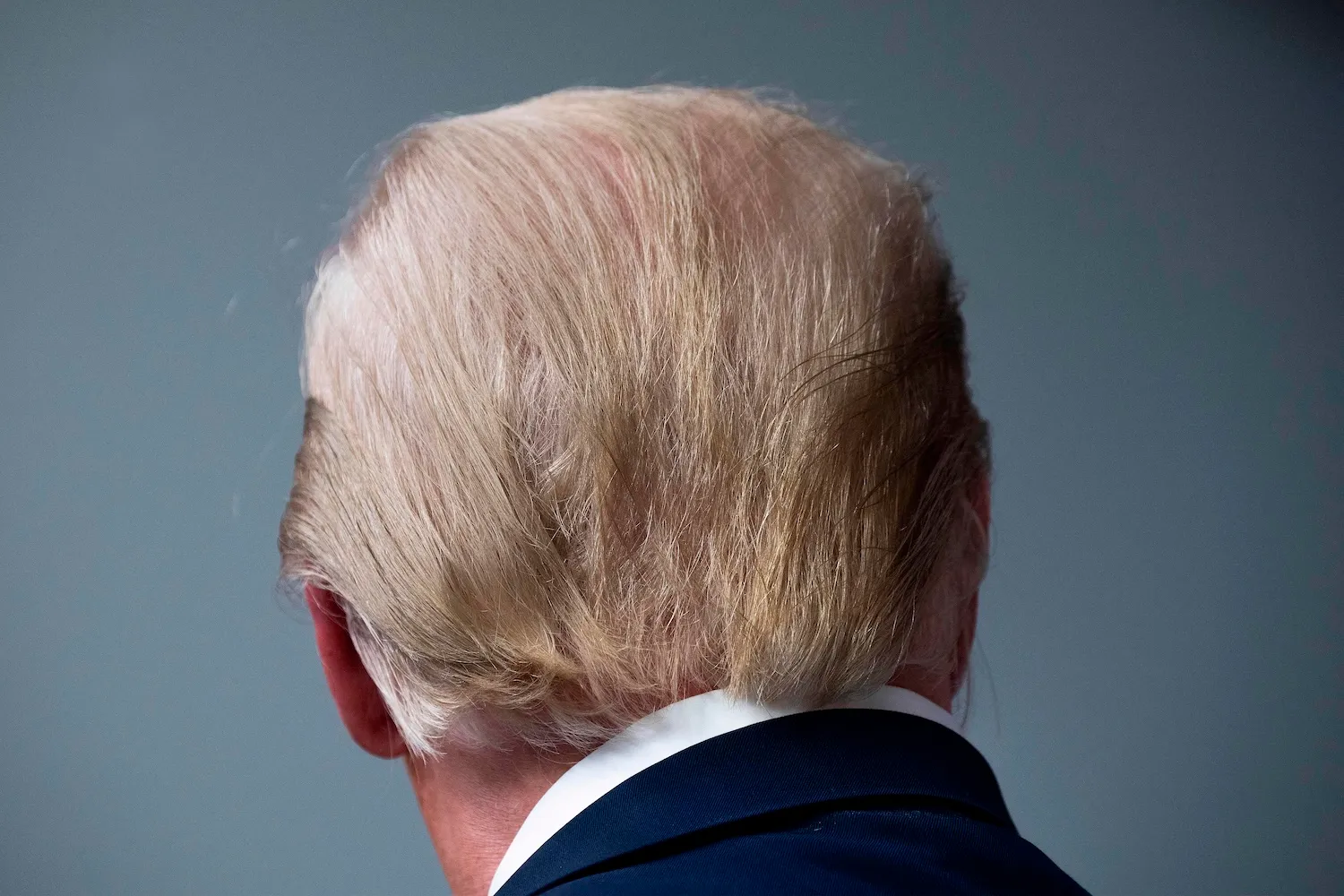
*Rear view of a person's head with blonde hair, wearing a white collared shirt and dark suit jacket against a neutral gray background.*
U.S. President Donald Trump attends a news conference at the White House in Washington on July 23, 2020. Jim Watson/AFP via Getty Images
1. Get audio access with any FP subscription.
ALREADY AN FP SUBSCRIBER? LOGIN
November 16, 2026, 7:00 AM
With Democrats in decisive control of the 120th Congress, the time has come for the party to offer a vision for what comes next for U.S. foreign policy. The country’s stunning repudiation of U.S. President Donald Trump is stoking the temptation to embrace a sharp policy reversal, on the assumption that the center of American democracy has held and the pre-Trump foreign-policy consensus can, too. However, when it comes to working with U.S. allies, that would be a grave mistake.
U.S. Midterm Elections
Analysis and arguments.
The next Congress has an important role to play in defining this new foreign-policy vision—one that the next president could build upon in 2029. In asserting its powers to conduct oversight, legislate, and conduct its own diplomacy, the Democratic majority should be seeking to put in place elements of a new U.S. approach, rather than simply reverse the Trumpian damage. Doing so will begin to reorient U.S. foreign policy in the next two years, shape foreign-policy debates in the coming presidential primary, and allow the next commander in chief to confront the world as it will be in 2029.
The impulse to reverse course on Trump’s alliance policy is understandable. The president has brought two years of vitriol and abuse upon the United States’ closest friends—from a trade war with Canada to threats to invade Greenland—with clear strategic costs. But the flaws of his approach, and its broad unpopularity with the American public, are not a mandate for reflexive reversal. Nevertheless, there is a growing view in both Washington and allied capitals that, under new congressional leadership and with a new administration just two years away, Washington should take a maximally conciliatory approach to its friends. Apology tours, day-one tariff repeals, and the reinstatement of withdrawn troops in allied countries are all cited as necessary steps to regain lost trust.
The problem with that approach is twofold. First, it prioritizes rebuilding trust with allies over something more important—transforming old alliance bargains. The U.S. alliance system was built for the early Cold War world and used conventional and nuclear deterrence to keep threats far from the country’s shores. Its record of success is remarkable: No U.S. ally has ever been attacked, and U.S. treaty guarantees were invoked just once—on Washington’s behalf following the Sept. 11 attacks. But in the post-Cold War world, the United States and its allies need to cooperate on artificial intelligence, securing vital supply chains, aligning on climate and industrial policy, and combatting threats in cyberspace. Reembracing alliances without insisting on much-needed modernization would miss the chance to update them for new opportunities and threats, leaving the U.S. alliance network far less effective.
Reflexive policy reversal also ignores the ways in which allies approach the United States differently after Trump’s reelection and punitive second term. U.S. leadership on global issues is now constrained by a four-year problem. Having seen the United States succumb to political chaos twice in a decade at the expense of its own global position, fri
Democrats Can’t Return to Pre-Trump Foreign Policy
The authors argue that the new Democratic majority in Congress should articulate a forward-looking vision for U.S. foreign policy rather than simply reversing Trump's approach. They warn that a reflexive return to the pre-Trump consensus would be a grave mistake in Washington's relations with its allies.
Cross Lines newsroom
Share this article
#السياسة الخارجية#الديمقراطيون#دونالد ترامب#التحالفات الأمريكية#الكونغرس#الانتخابات النصفية
Original source: Foreign Policy