Middle East
Netanyahu’s Bid to Stay in Power Will Test His Political Savvy
After losing ground in Israel’s election, Prime Minister Benjamin Netanyahu must draw on decades of political capital and reckon with old foes if he is to build a governing coalition.
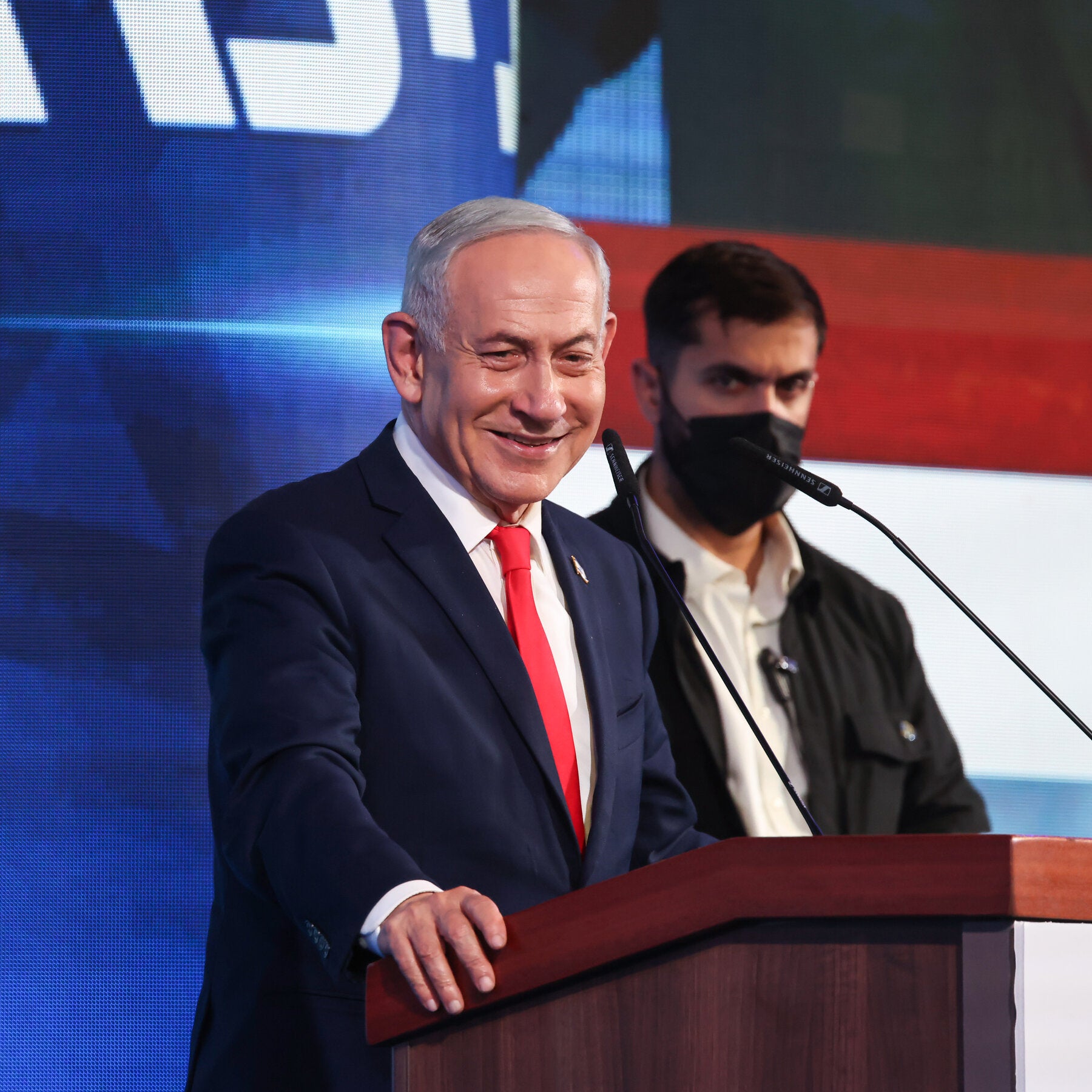
*Prime Minister Benjamin Netanyahu of Israel addressing supporters last week in Jerusalem after polls closed in a closely fought election.Credit...Chris McGrath/Getty Images*
By Isabel Kershner
Reporting from Jerusalem
Nov. 1, 2026, 5:20 a.m. ET
For Prime Minister Benjamin Netanyahu, putting together a new governing coalition after Israel’s inconclusive election would be like assembling a jigsaw puzzle with ill-fitting pieces.
Mr. Netanyahu, Israel’s longest serving leader, lost ground, with his Likud party failing to hold nearly a sixth of its seats in the Parliament, and his hawkish coalition seeing its share decline even more. But to the surprise of some political observers, Likud still emerged as the largest party with 27 seats.
If Mr. Netanyahu manages to get the green light from Israel’s president to try to form a government — not a given at this point — he will need 61 seats to retain power.
To do so, he must find a way to expand his coalition of far-right nationalist and ultra-Orthodox Jewish parties, perhaps by luring at least eight defectors from an opposition bloc that has vowed to unseat him. Or he could try to create a national unity government with Gadi Eisenkot, Israel’s former military chief who heads the center-right Yashar, the largest party in the anti-Netanyahu alliance.
To achieve either goal, Mr. Netanyahu, 77, would have to draw on decades of parliamentary savvy and political capital. He would also have to overcome a legacy of grievances he has left over a career of political skirmishes and, critics say, betrayals.
From Division to Unity?
The prime minister’s bloc now controls five more seats than the main opposition bloc, a politically diverse alliance of Jewish parties led by Mr. Eisenkot. But if Mr. Eisenkot were to partner with two predominantly Arab parties, who also oppose Mr. Netanyahu, the coalition would muster a comfortable majority of 67 seats to take power.
Netanyahu’s Bid to Stay in Power Will Test His Political Savvy
Benjamin Netanyahu's Likud lost ground in Israel's inconclusive election but remained the largest party with 27 seats. To form a government, the prime minister must draw on decades of political capital and confront old foes.
Cross Lines newsroom
Share this article
#نتنياهو#الانتخابات الإسرائيلية#الليكود#الائتلاف الحكومي#غادي آيزنكوت#إسرائيل
Original source: New York Times