DR Congo peace roadmap: Will the fighting finally end?
DW World
D
DW World
Original Source
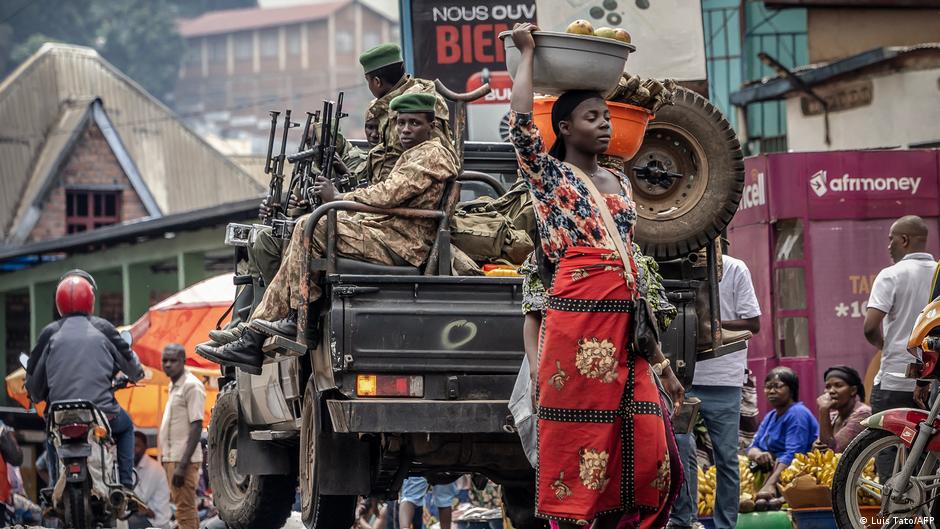
Representatives of the Democratic Republic of Congo and the Rwanda-backed M23 rebel group have agreed on a peace roadmap following negotiations in Geneva, offering fresh hope after years of bloody conflict. However, significant disagreements persist over key issues, casting doubt on whether the fragile commitment will translate into lasting peace.
Representatives of the Congolese government and the Rwanda-backed M23 rebel group agreed on a roadmap for peace after negotiations in Geneva.
It builds on the US-brokered framework signed in Doha last year, and sets out steps and timelines for negotiations and implementation: a ceasefire monitoring mechanism is also due to receive support from the UN peacekeeping mission, MONUSCO.
The United States, Qatar, the African Union (AU) and Switzerland have all expressed their support for the process as brokers of the push for peace.
However, it is not a full peace plan with bindíng resolutions and terms; rather, many aspects of the push will still need to be fine-tuned.
The new diplomatic initiative could nevertheless be offering fresh hope following years of bloody conflict in eastern DRC; fighting in the region has killed hundreds of civilians and displaced millions since 2022. The M23 rebel group continues to control large parts of North Kivu and South Kivu — two provinces in eastern DRC that are highly coveted for their minerals.
As disagreements remain over key issues, doubts continue to cast a shadow over the prospect of a lasting peace.
From signature to implementation
"There are likely to be many more bumps on the road — disagreements remain over issues including sanctions against M23, the release of detainees and the timing of political reforms. So this remains a very fragile commitment," Alex Vines, Africa program director at the European Council on Foreign Relations, told DW.
Conflict analyst Clifton Chifuwe, executive director of the Centre for Peace Research and Advocacy (CPRA), a local NGO that focuses on conflict management, agrees with that assessment, pointing to the presence of multiple armed groups in the area, the deep level of mistrust between DRC and Rwanda, and competition over eastern Congo's mineral wealth.
He believes that the biggest of the challenges across the board is to turn this roadmap into action.
"Signing it is easier than implementing it on the ground," Chifuweexplains.
Chifuwe told DW that independent monitoring mechanisms and the involvement of all key stakeholders will be essential for any peace to hold.
Rwanda's role in the conflict
Rwanda has repeatedly rejected accusations that it backs M23 rebels — though international groups maintain the view that the small neighboring nation is deeply entrechned in the conflict.
Kigali's relationship with the rebel group therefore remains central to the peace process, says Vines:
"Rwanda's good faith and its relationship with M23 is a really key consideration. Kigali's buy-in to any agreement and influence over M23 is key."
Rwandan President Paul Kagame's comments at a press conference on August 24 further underline the complexity of the issue; Kagame rejects the narrative that Rwanda is responsible for the current conflict, blaming factions within the DRC instead.
He links any Rwandan involvement in the conflict to what he describes as a longstanding security threat from the other side of the border, naming the Democratic Forces for the Liberation of Rwanda (FDLR) armed group — which fights against M23 rebels alongside the Congolese military — as his main target.
Kagame said that "if this problem of the FDLR is not resolved," Rwanda would act to protect itself "at any cost."
Mixed messages of hope and skepticism
There also are signs and reasons for cautious optimism: Chifuwe highlights that the roadmap focuses on a sequenced implementation plan, with monitoring initiatives to be put in place to help identify warning signs before any violence resumes.
These international mediators will also have to maintain pressure on the parties while ensuring regional concerns are heard.
In this context, Vines believes that US and Qatari involvement remains important, while stressing that African input through the AU must not be ignored.
All parties involved have signed off on a pledge to "pursue negotiations towards comprehensive peace and conflict resolution" — for now.
What does peace mean for the displaced?
Ultimately, the roadmap will not be measured by the signatories' attitudes but by results for thousands upon thousands of people in the eastern DRC, who remain displaced.
"The real test is ... whether ordinary Congolese people become safer and better off," Chifuwe says emphatically, highlighting also the restoration of state authority and the management of mineral resources as key objectives that need to be achieved.
For Congolese civilians, the diplomatic language carries a personal meaning: One refugee named Linda Kasongo finds herself stuck in Zambia five years into the conflict.
She told DW that she wants to return home, but can't even entertain the thought, since violence on all sides continues to wreck lives and livelihoods in her war-torn home region.
"I hope it works out because I want to go home," Kasongo says. "I want to be with my people. I miss my people. I miss my home."
Edited by: Sertan Sanderson
It builds on the US-brokered framework signed in Doha last year, and sets out steps and timelines for negotiations and implementation: a ceasefire monitoring mechanism is also due to receive support from the UN peacekeeping mission, MONUSCO.
The United States, Qatar, the African Union (AU) and Switzerland have all expressed their support for the process as brokers of the push for peace.
However, it is not a full peace plan with bindíng resolutions and terms; rather, many aspects of the push will still need to be fine-tuned.
The new diplomatic initiative could nevertheless be offering fresh hope following years of bloody conflict in eastern DRC; fighting in the region has killed hundreds of civilians and displaced millions since 2022. The M23 rebel group continues to control large parts of North Kivu and South Kivu — two provinces in eastern DRC that are highly coveted for their minerals.
As disagreements remain over key issues, doubts continue to cast a shadow over the prospect of a lasting peace.
From signature to implementation
"There are likely to be many more bumps on the road — disagreements remain over issues including sanctions against M23, the release of detainees and the timing of political reforms. So this remains a very fragile commitment," Alex Vines, Africa program director at the European Council on Foreign Relations, told DW.
Conflict analyst Clifton Chifuwe, executive director of the Centre for Peace Research and Advocacy (CPRA), a local NGO that focuses on conflict management, agrees with that assessment, pointing to the presence of multiple armed groups in the area, the deep level of mistrust between DRC and Rwanda, and competition over eastern Congo's mineral wealth.
He believes that the biggest of the challenges across the board is to turn this roadmap into action.
"Signing it is easier than implementing it on the ground," Chifuweexplains.
Chifuwe told DW that independent monitoring mechanisms and the involvement of all key stakeholders will be essential for any peace to hold.
Rwanda's role in the conflict
Rwanda has repeatedly rejected accusations that it backs M23 rebels — though international groups maintain the view that the small neighboring nation is deeply entrechned in the conflict.
Kigali's relationship with the rebel group therefore remains central to the peace process, says Vines:
"Rwanda's good faith and its relationship with M23 is a really key consideration. Kigali's buy-in to any agreement and influence over M23 is key."
Rwandan President Paul Kagame's comments at a press conference on August 24 further underline the complexity of the issue; Kagame rejects the narrative that Rwanda is responsible for the current conflict, blaming factions within the DRC instead.
He links any Rwandan involvement in the conflict to what he describes as a longstanding security threat from the other side of the border, naming the Democratic Forces for the Liberation of Rwanda (FDLR) armed group — which fights against M23 rebels alongside the Congolese military — as his main target.
Kagame said that "if this problem of the FDLR is not resolved," Rwanda would act to protect itself "at any cost."
Mixed messages of hope and skepticism
There also are signs and reasons for cautious optimism: Chifuwe highlights that the roadmap focuses on a sequenced implementation plan, with monitoring initiatives to be put in place to help identify warning signs before any violence resumes.
These international mediators will also have to maintain pressure on the parties while ensuring regional concerns are heard.
In this context, Vines believes that US and Qatari involvement remains important, while stressing that African input through the AU must not be ignored.
All parties involved have signed off on a pledge to "pursue negotiations towards comprehensive peace and conflict resolution" — for now.
What does peace mean for the displaced?
Ultimately, the roadmap will not be measured by the signatories' attitudes but by results for thousands upon thousands of people in the eastern DRC, who remain displaced.
"The real test is ... whether ordinary Congolese people become safer and better off," Chifuwe says emphatically, highlighting also the restoration of state authority and the management of mineral resources as key objectives that need to be achieved.
For Congolese civilians, the diplomatic language carries a personal meaning: One refugee named Linda Kasongo finds herself stuck in Zambia five years into the conflict.
She told DW that she wants to return home, but can't even entertain the thought, since violence on all sides continues to wreck lives and livelihoods in her war-torn home region.
"I hope it works out because I want to go home," Kasongo says. "I want to be with my people. I miss my people. I miss my home."
Edited by: Sertan Sanderson
🔗 Share Article
Tags:#الكونغو الديمقراطية#رواندا#M23#السلام والنزاعات#أفريقيا#الأزمات الإنسانية
Source: DW World
For Context
Related reads from the same topic or latest developments