The World Economy Is Becoming Wary of the U.S.
New York Times
N
New York Times
Original Source
Nearly two years into President Trump's second term, the global economy is increasingly distancing itself from the United States amid concerns over a $40 trillion debt burden and the weaponization of sanctions. Central banks and international investors are diversifying away from dollar assets as confidence in American financial stability begins to waver.
The World Economy Is Becoming Wary of the U.S. - The New York Times
Trump
Administration
* How Trump Stifles Speech
* Voting by Mail
* Video: Republican Support for Trump
* Approval Rating
*Credit...
Matt Chase*
Skip to contentSkip to site index
* Home
* + U.S.
+ International
+ Canada
+ Español
+ 中文
The World Economy Is Becoming Wary of the U.S.
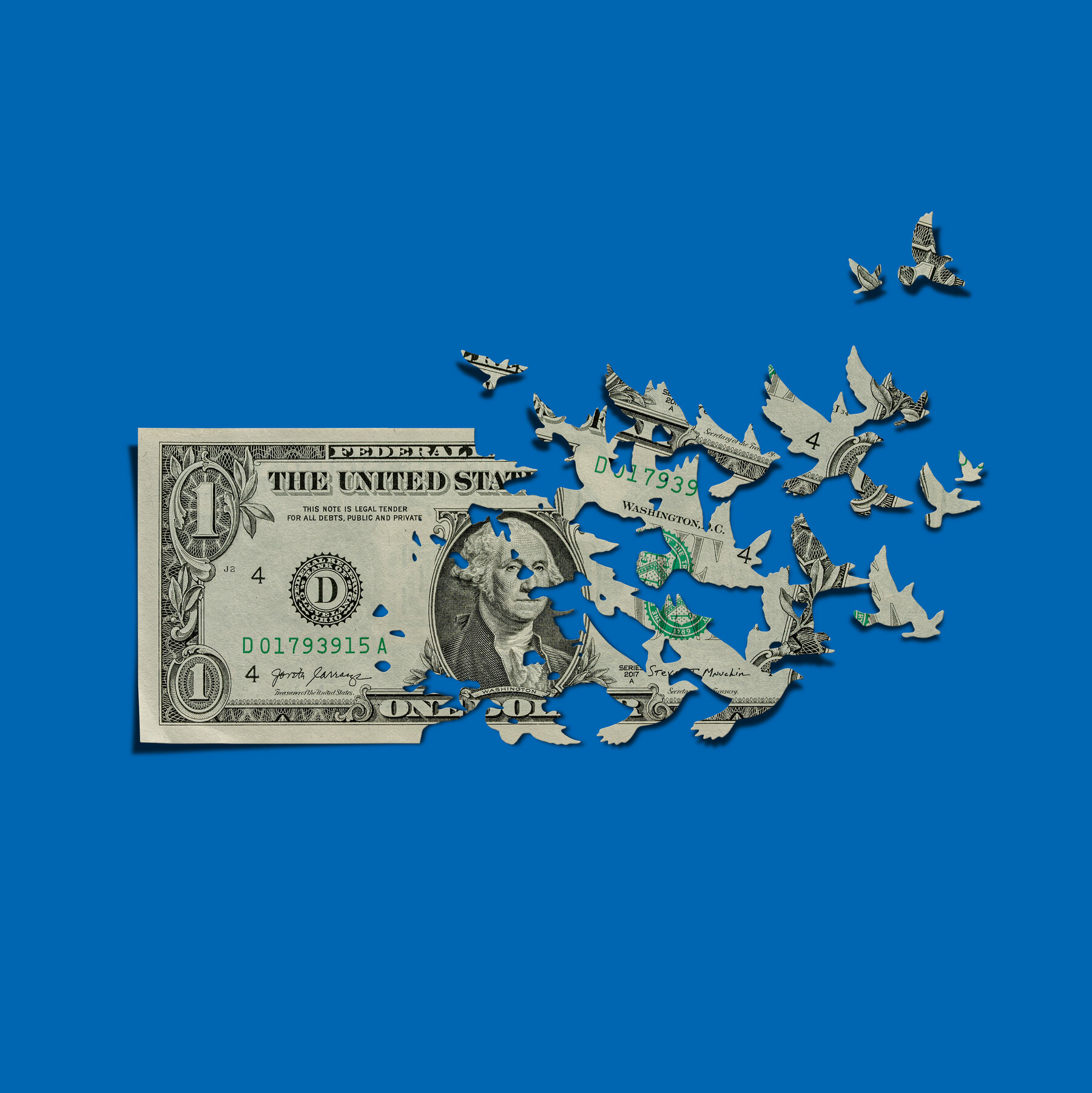
America’s position of global economic stability is starting to look shakier as the Trump administration piles on debt and doubles down on sanctions.
Credit...
Matt Chase
Supported by
SKIP ADVERTISEMENT
Listen · 9:18 min
*
*
*
*
By
Alan Rappeport
Reporting from Washington
Sept. 16, 2026
Updated 9:41 a.m. ET
Global investors are balking at U.S. bonds. Talk of the dollar’s dwindling power is getting louder. Foreign governments are hauling their gold out of American vaults.
Almost two years into President Trump’s second term, the world economy is increasingly looking for ways to distance itself from America. Concerns about a $40 trillion debt burden, the excessive use of sanctions to solve foreign policy problems and Mr. Trump’s penchant for pushing the limits of the rule of law are raising questions about the appeal of the United States as a haven for global investment.
Despite pledges by foreign companies and nations to invest in the United States — in many cases to curry favor with the White House — capital is starting to seek alternative destinations.
“Geopolitical factors and U.S. weaponization of the dollar through financial sanctions are causing central banks and other official investors to attempt to diversify away from dollar assets,” said Eswar Prasad, the former head of the International Monetary Fund’s China division.
The United States is not yet an investment pariah. Private investors are still pouring money into American financial markets and stocks, artificial intelligence infrastructure is booming and no rival currency is poised to topple the dollar imminently.
In testimony before Congress on Tuesday, Treasury Secretary Scott Bessent said that he remained confident in the credibility of the U.S. financial system, arguing that bond auctions continue to operate successfully and that the dollar is still thriving as measured by its share of global transactions.
Alan Rappeport
is an economic policy reporter for The Times, based in Washington. He covers the Treasury Department and writes about taxes, trade and fiscal matters.
*
*
*
*
Related Content
*
*
*
*
*
*
*
*
*
*
*
*
*
*
*
*
*
*
*
Advertisement
SKIP ADVERTISEMENT
Site Index
Site Information Navigation
* ©2026 The New York Times Company
* NYTCo
* Contact Us
* Accessibility
* Work with us
* Advertise
* T Brand Studio
* Privacy Policy
* Cookie Policy
* Terms of Service
* Terms of Sale
* Site Map
* Canada
* International
* Help
* Subscriptions
*
Trump
Administration
* How Trump Stifles Speech
* Voting by Mail
* Video: Republican Support for Trump
* Approval Rating
*Credit...
Matt Chase*
Skip to contentSkip to site index
* Home
* + U.S.
+ International
+ Canada
+ Español
+ 中文
The World Economy Is Becoming Wary of the U.S.
America’s position of global economic stability is starting to look shakier as the Trump administration piles on debt and doubles down on sanctions.
Credit...
Matt Chase
Supported by
SKIP ADVERTISEMENT
Listen · 9:18 min
*
*
*
*
By
Alan Rappeport
Reporting from Washington
Sept. 16, 2026
Updated 9:41 a.m. ET
Global investors are balking at U.S. bonds. Talk of the dollar’s dwindling power is getting louder. Foreign governments are hauling their gold out of American vaults.
Almost two years into President Trump’s second term, the world economy is increasingly looking for ways to distance itself from America. Concerns about a $40 trillion debt burden, the excessive use of sanctions to solve foreign policy problems and Mr. Trump’s penchant for pushing the limits of the rule of law are raising questions about the appeal of the United States as a haven for global investment.
Despite pledges by foreign companies and nations to invest in the United States — in many cases to curry favor with the White House — capital is starting to seek alternative destinations.
“Geopolitical factors and U.S. weaponization of the dollar through financial sanctions are causing central banks and other official investors to attempt to diversify away from dollar assets,” said Eswar Prasad, the former head of the International Monetary Fund’s China division.
The United States is not yet an investment pariah. Private investors are still pouring money into American financial markets and stocks, artificial intelligence infrastructure is booming and no rival currency is poised to topple the dollar imminently.
In testimony before Congress on Tuesday, Treasury Secretary Scott Bessent said that he remained confident in the credibility of the U.S. financial system, arguing that bond auctions continue to operate successfully and that the dollar is still thriving as measured by its share of global transactions.
Alan Rappeport
is an economic policy reporter for The Times, based in Washington. He covers the Treasury Department and writes about taxes, trade and fiscal matters.
*
*
*
*
Related Content
*
*
*
*
*
*
*
*
*
*
*
*
*
*
*
*
*
*
*
Advertisement
SKIP ADVERTISEMENT
Site Index
Site Information Navigation
* ©2026 The New York Times Company
* NYTCo
* Contact Us
* Accessibility
* Work with us
* Advertise
* T Brand Studio
* Privacy Policy
* Cookie Policy
* Terms of Service
* Terms of Sale
* Site Map
* Canada
* International
* Help
* Subscriptions
*
🔗 Share Article
Tags:#الاقتصاد العالمي#الدولار الأمريكي#الديون الأمريكية#العقوبات الاقتصادية#الاستثمار الأجنبي#إدارة ترامب
Source: New York Times
For Context
Related reads from the same topic or latest developments