As Russia steps up attacks on Ukrainian data centers, could Ukraine soon be offline?
DW World
D
DW World
Original Source
Russia has been systematically attacking Ukrainian data centers since early September, targeting critical digital infrastructure that supports vital national services. However, experts believe Ukraine's highly decentralized telecommunications sector will prevent a complete internet blackout despite widespread damage.
Hackers and power outages were once the largest threat to Ukraine's data centers. Now, it is the buildings themselves that are in the cross hairs.
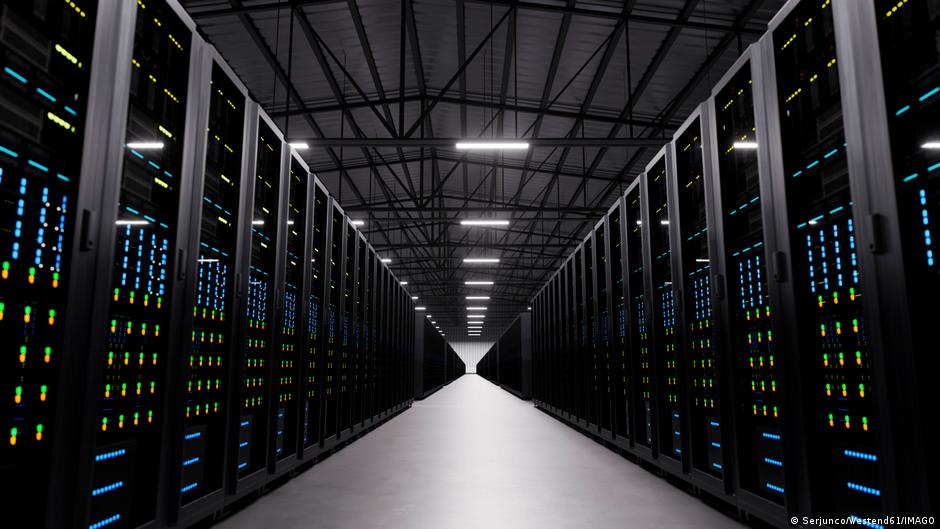
Since early September, Russia has been targeting these centers, which house the physical infrastructure needed to store digital information, systematically.
Digital infrastructure in and around the capital Kyiv was already affected but after the attacks, several television channels and streaming services were temporarily unavailable. Subscribers to several cable networks also reported that they had difficulties connecting.
Why is Russia targeting Ukrainian data centers?
The servers and computer systems needed to store data and keep online services operating smoothly are a crucial target because if they are damaged, it can have a nationwide effect. All online systems, ranging from news portals, state registries, banking and finance, need functioning data centers to operate smoothly.
Ukrainian Minister of Foreign Affairs Andrii Sybiha said Russia had targeted major Ukrainian data centers to disrupt the flow of information. "As Russia isn’t achieving its goals on the battlefield, it is seeking new ways to destabilize life in Ukraine and terrorize civilians."
Could Ukraine go offline?
Despite widespread damage caused by Russian attacks, experts do not believe the country risks having a complete internet blackout. Telecommunications expert Oleksandr Glushchenko told DW that this was because the entire sector was quite decentralized.
"The industry was never regulated in Ukraine, and no multi-million licenses were required,” he explained. "Entering the market was very affordable, which is why thousands of businesses started offering their services."
He added that Ukrainians could choose between multiple providers — and in some cases up to 10. This competition, he said, meant that Ukraine had "some of the best internet provider services in the world."
At the same time, he noted, damage caused by kinetic attacks could cause certain providers to "go dark" while repairs took place.
Meanwhile, Ukrainian lawmaker Oleksandr Fediienko, who is a member of the parliamentary Committee on National Security, Defense and Intelligence, posted similar sentiments on the social network Facebook: "Will the internet disappear in Ukraine? Of course not. The infrastructure will be restructured, and alternative sites will be established." He added that the Russian attacks made no sense because Ukrainian providers were able to restore service so quickly.
Serhii Beskrestnov, Ukrainian President Volodymyr Zelenskyy's advisor on defense technology, said that Russia's attacks on Ukrainian data centers were part of a wider campaign. "They've already been scaring us with claims that there won't be food or fuel, and now they're scaring us with the prospect of losing internet access," he wrote on Facebook.
How can data and devices be protected?
Glushchenko said that even if a server was destroyed, its data would be available from other data centers where it was stored, including abroad. "The system can automatically switch to a different data center," he explained.
He pointed out that telecommunications companies also stored copies with cloud services offered by providers such as Google and Amazon.
Oleksandr Olshanskyi, the founder of the Ukrainian web hosting provider MiroHost and also the head of the leading Ukrainian IT service company Internet Invest, told the Ukrainian news agency RBC-Ukraine that his data center had been almost totally destroyed but that this had not made a major difference. He said that the vast majority of his clients remained unaffected, as they could fall back on operation capacities in Poland and the Czech Republic. "I'm only left with about 150 out of 20,000 to 25,000 clients, who for some reason did not shift, duplicate or secure their data," he explained.
Tech experts have recommended that Ukrainian data centers place a higher priority on decentralization, saying they should be as spread out as possible geographically, and also that data should be cloned and secured in other data centers abroad. Moving infrastructure into underground spaces could also be a solution, but this would translate into extra costs for customers.
"We've grown accustomed to having the fastest and cheapest internet in Europe, and the best technical support," Fediienko said but pointed out that this was "about to change."
Beskrestnov also expected the price of internet services to rise soon, to cover the costs of repairing damage to infrastructure.
This article was originally published in Ukrainian.
Since early September, Russia has been targeting these centers, which house the physical infrastructure needed to store digital information, systematically.
Digital infrastructure in and around the capital Kyiv was already affected but after the attacks, several television channels and streaming services were temporarily unavailable. Subscribers to several cable networks also reported that they had difficulties connecting.
Why is Russia targeting Ukrainian data centers?
The servers and computer systems needed to store data and keep online services operating smoothly are a crucial target because if they are damaged, it can have a nationwide effect. All online systems, ranging from news portals, state registries, banking and finance, need functioning data centers to operate smoothly.
Ukrainian Minister of Foreign Affairs Andrii Sybiha said Russia had targeted major Ukrainian data centers to disrupt the flow of information. "As Russia isn’t achieving its goals on the battlefield, it is seeking new ways to destabilize life in Ukraine and terrorize civilians."
Could Ukraine go offline?
Despite widespread damage caused by Russian attacks, experts do not believe the country risks having a complete internet blackout. Telecommunications expert Oleksandr Glushchenko told DW that this was because the entire sector was quite decentralized.
"The industry was never regulated in Ukraine, and no multi-million licenses were required,” he explained. "Entering the market was very affordable, which is why thousands of businesses started offering their services."
He added that Ukrainians could choose between multiple providers — and in some cases up to 10. This competition, he said, meant that Ukraine had "some of the best internet provider services in the world."
At the same time, he noted, damage caused by kinetic attacks could cause certain providers to "go dark" while repairs took place.
Meanwhile, Ukrainian lawmaker Oleksandr Fediienko, who is a member of the parliamentary Committee on National Security, Defense and Intelligence, posted similar sentiments on the social network Facebook: "Will the internet disappear in Ukraine? Of course not. The infrastructure will be restructured, and alternative sites will be established." He added that the Russian attacks made no sense because Ukrainian providers were able to restore service so quickly.
Serhii Beskrestnov, Ukrainian President Volodymyr Zelenskyy's advisor on defense technology, said that Russia's attacks on Ukrainian data centers were part of a wider campaign. "They've already been scaring us with claims that there won't be food or fuel, and now they're scaring us with the prospect of losing internet access," he wrote on Facebook.
How can data and devices be protected?
Glushchenko said that even if a server was destroyed, its data would be available from other data centers where it was stored, including abroad. "The system can automatically switch to a different data center," he explained.
He pointed out that telecommunications companies also stored copies with cloud services offered by providers such as Google and Amazon.
Oleksandr Olshanskyi, the founder of the Ukrainian web hosting provider MiroHost and also the head of the leading Ukrainian IT service company Internet Invest, told the Ukrainian news agency RBC-Ukraine that his data center had been almost totally destroyed but that this had not made a major difference. He said that the vast majority of his clients remained unaffected, as they could fall back on operation capacities in Poland and the Czech Republic. "I'm only left with about 150 out of 20,000 to 25,000 clients, who for some reason did not shift, duplicate or secure their data," he explained.
Tech experts have recommended that Ukrainian data centers place a higher priority on decentralization, saying they should be as spread out as possible geographically, and also that data should be cloned and secured in other data centers abroad. Moving infrastructure into underground spaces could also be a solution, but this would translate into extra costs for customers.
"We've grown accustomed to having the fastest and cheapest internet in Europe, and the best technical support," Fediienko said but pointed out that this was "about to change."
Beskrestnov also expected the price of internet services to rise soon, to cover the costs of repairing damage to infrastructure.
This article was originally published in Ukrainian.
🔗 Share Article
Tags:#أوكرانيا#روسيا#البنية التحتية الرقمية#مراكز البيانات#الهجمات الإلكترونية#الاتصالات
Source: DW World
For Context
Related reads from the same topic or latest developments