China’s Information Control Could Hamper Flood Rescue Efforts in Tibet
New York Times
N
New York Times
Original Source
Chinese authorities removed videos of devastating floods that swept through the Tibet-Nepal border region, severely limiting the flow of critical information needed for rescue operations. Experts warn that strict information controls prevent residents from sharing vital details about trapped victims and damage extent.
China’s Information Control Could Hamper Flood Rescue Efforts in Tibet - The New York Times
Skip to contentSkip to site index
Asia Pacific
Today’s Paper
Asia Pacific
|
China’s Information Control Could Hamper Flood Rescue Efforts in Tibet
https://www.nytimes.com/2026/08/27/world/asia/flood-disaster-china-censorship.html
*
*
*
*
**LIVE** See more updates from this story Aug. 27, 2026, 2:54 p.m. ET
Advertisement
SKIP ADVERTISEMENT
Supported by
SKIP ADVERTISEMENT
China’s Information Control Could Hamper Flood Rescue Efforts in Tibet
Videos of the disaster, which tore through the border area between Tibet and Nepal, have been removed from social media by China’s censors.
Listen · 2:38 min
*
*
*
*
!A riverbank covered in debris, rocks and fallen trees
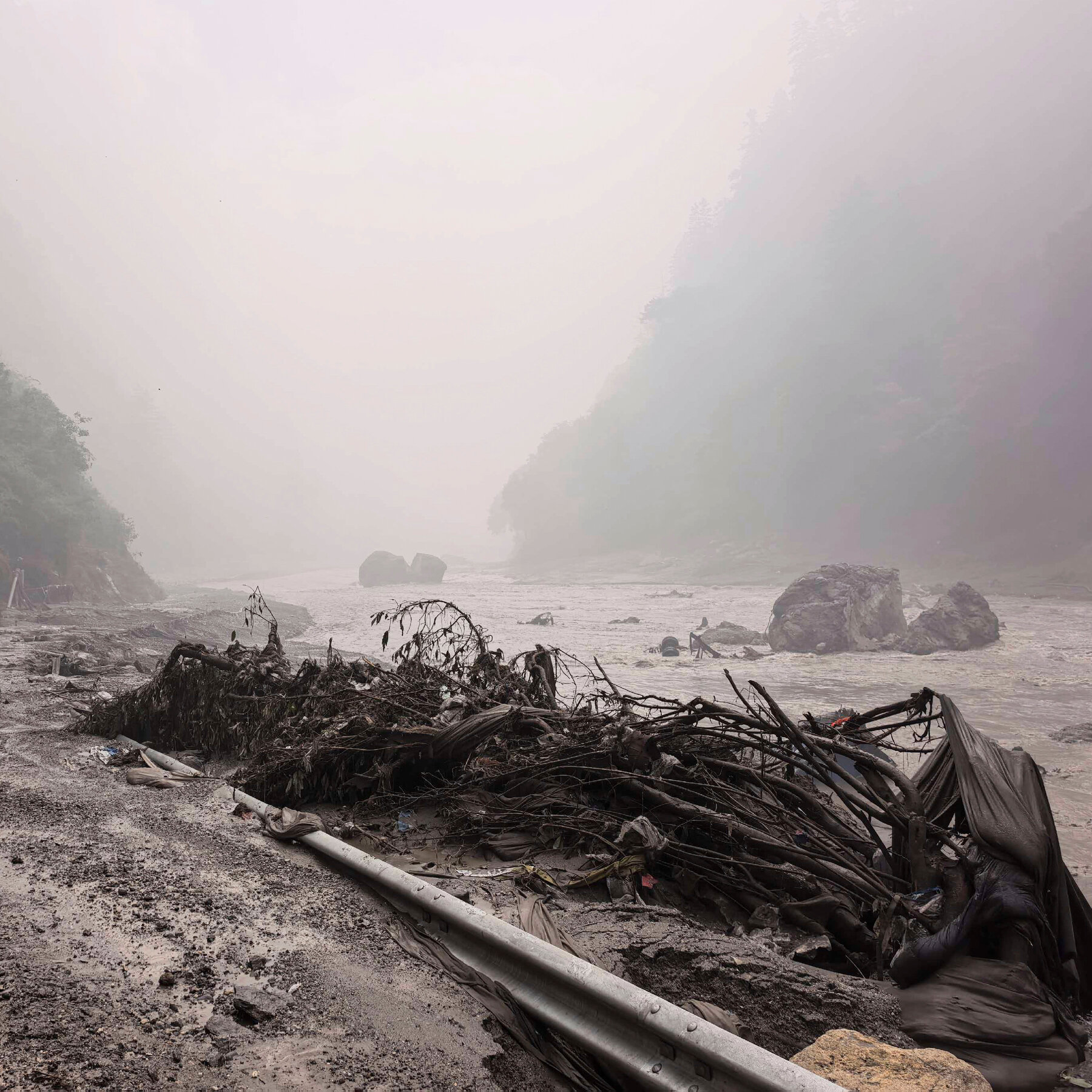
*In a photo released by Xinhua News Agency, a muddy river bank with debris was seen near Gyirong Port in southwestern China’s Tibetan Autonomous Region on Wednesday.
Credit...
Xinhua, via Associated Press*
By
Lily Kuo
Aug. 27, 2026, 4:25 a.m. ET
See more of our coverage in your search results. Encuentra más de nuestra cobertura en los resultados de búsqueda. Add The New York Times on Google Agrega The New York Times en Google
As journalists in Nepal gather eyewitness accounts and up-to-date information about the deadly flood that swept entire villages away on Wednesday, the scene across the border in China could not be more different.
By Thursday, videos taken and posted online by locals, including a widely circulated clip of a mudslide engulfing a border crossing in Gyirong County, in China’s Tibet, were censored on Chinese social media platforms. More than 500 people were missing in Gyirong, with three confirmed deaths in the county of about 2,000 people. The authorities have provided no details about which villages and settlements in the mostly rural area have been affected.
Instead, the only information has come from China’s government-controlled state media outlets, where coverage has focused mostly on the rescue efforts. The government has sent members of the Chinese military and other emergency workers into the area, the outlets report, as well as drones and helicopters. The People’s Daily, the official newspaper of the Chinese Communist Party, led on Thursday with a story about China’s leader, Xi Jinping, ordering that all-out efforts be made to help the victims in Gyirong.
Censorship and tight control of information is common throughout China, but nowhere is that more apparent than in Tibet, which has been under Chinese control since the 1950s and where calls for greater autonomy have erupted into protests.
No foreign journalists are allowed in except on heavily orchestrated government tours. Officials in Tibet have tightened restrictions on Tibetan monks and nuns and expanded policing to prevent any renewed protests. Tibetans in the region can be detained or arrested for speaking to journalists or posting anything online that is seen as counter to the government narrative, according to rights activists.
The result, according to Ryan Fioresi, the executive director of the International Campaign for Tibet, is a situation where “only the Chinese government controls the information flow.” In a disaster situation, that means that local residents, afraid of punishment, are not posting about where people are trapped or where the damage is the worst.
“If people are afraid to share that information, or if their posts are removed,” he said, “potentially useful information may not reach families, relief workers or the wider public.”
Lily Kuo is a China correspondent for The Times, based in Taipei.
*
*
*
*
Related Content
*
*
*
*
*
*
*
*
*
*
*
*
*
*
*
*
*
*
*
Advertisement
SKIP ADVERTISEMENT
Site Index
Site Information Navigation
* ©2026 The New York Times Company
* NYTCo
* Contact Us
* Accessibility
* Work with us
* Advertise
* T Brand Studio
* Privacy Policy
* Cookie Policy
* Terms of Service
* Terms of Sale
* Site Map
* Canada
* International
* Help
* Subscriptions
* Manage Privacy Preferences
Skip to contentSkip to site index
Asia Pacific
Today’s Paper
Asia Pacific
|
China’s Information Control Could Hamper Flood Rescue Efforts in Tibet
https://www.nytimes.com/2026/08/27/world/asia/flood-disaster-china-censorship.html
*
*
*
*
**LIVE** See more updates from this story Aug. 27, 2026, 2:54 p.m. ET
Advertisement
SKIP ADVERTISEMENT
Supported by
SKIP ADVERTISEMENT
China’s Information Control Could Hamper Flood Rescue Efforts in Tibet
Videos of the disaster, which tore through the border area between Tibet and Nepal, have been removed from social media by China’s censors.
Listen · 2:38 min
*
*
*
*
!A riverbank covered in debris, rocks and fallen trees
*In a photo released by Xinhua News Agency, a muddy river bank with debris was seen near Gyirong Port in southwestern China’s Tibetan Autonomous Region on Wednesday.
Credit...
Xinhua, via Associated Press*
By
Lily Kuo
Aug. 27, 2026, 4:25 a.m. ET
See more of our coverage in your search results. Encuentra más de nuestra cobertura en los resultados de búsqueda. Add The New York Times on Google Agrega The New York Times en Google
As journalists in Nepal gather eyewitness accounts and up-to-date information about the deadly flood that swept entire villages away on Wednesday, the scene across the border in China could not be more different.
By Thursday, videos taken and posted online by locals, including a widely circulated clip of a mudslide engulfing a border crossing in Gyirong County, in China’s Tibet, were censored on Chinese social media platforms. More than 500 people were missing in Gyirong, with three confirmed deaths in the county of about 2,000 people. The authorities have provided no details about which villages and settlements in the mostly rural area have been affected.
Instead, the only information has come from China’s government-controlled state media outlets, where coverage has focused mostly on the rescue efforts. The government has sent members of the Chinese military and other emergency workers into the area, the outlets report, as well as drones and helicopters. The People’s Daily, the official newspaper of the Chinese Communist Party, led on Thursday with a story about China’s leader, Xi Jinping, ordering that all-out efforts be made to help the victims in Gyirong.
Censorship and tight control of information is common throughout China, but nowhere is that more apparent than in Tibet, which has been under Chinese control since the 1950s and where calls for greater autonomy have erupted into protests.
No foreign journalists are allowed in except on heavily orchestrated government tours. Officials in Tibet have tightened restrictions on Tibetan monks and nuns and expanded policing to prevent any renewed protests. Tibetans in the region can be detained or arrested for speaking to journalists or posting anything online that is seen as counter to the government narrative, according to rights activists.
The result, according to Ryan Fioresi, the executive director of the International Campaign for Tibet, is a situation where “only the Chinese government controls the information flow.” In a disaster situation, that means that local residents, afraid of punishment, are not posting about where people are trapped or where the damage is the worst.
“If people are afraid to share that information, or if their posts are removed,” he said, “potentially useful information may not reach families, relief workers or the wider public.”
Lily Kuo is a China correspondent for The Times, based in Taipei.
*
*
*
*
Related Content
*
*
*
*
*
*
*
*
*
*
*
*
*
*
*
*
*
*
*
Advertisement
SKIP ADVERTISEMENT
Site Index
Site Information Navigation
* ©2026 The New York Times Company
* NYTCo
* Contact Us
* Accessibility
* Work with us
* Advertise
* T Brand Studio
* Privacy Policy
* Cookie Policy
* Terms of Service
* Terms of Sale
* Site Map
* Canada
* International
* Help
* Subscriptions
* Manage Privacy Preferences
🔗 Share Article
Tags:#الصين#التبت#فيضانات#رقابة إعلامية#إنقاذ#الحريات الإعلامية
Source: New York Times
For Context
Related reads from the same topic or latest developments