Tom Andrews: ICJ Genocide Ruling on Myanmar Raises a New Question—What Now?
By using this website, you agree to our use of cookies. This use includes personalization of content and ads, and traffic analytics. Review our Privacy Policy for more information.
Foreign Policy Get analysis and alerts more quickly in the mobile app.
Install
Back to Foreign Policy Magazine home page
Evening roundup with our editors’ favorite stories of the day
World Brief
Your guide to the most important world stories of the day
China Brief
The latest news, analysis, and data from the country each week
Situation Report
Weekly update on what’s driving U.S. national security policy
FP Weekend
A curation of our best book reviews, deep dives, and other reads
Africa Brief
Essential analysis of the stories shaping geopolitics on the continent
South Asia Brief
Weekly update on developments in India and its neighbors
The Reading List
Curated guides on geopolitics and current affairs
FP Bookshelf
A monthly guide to FP’s book reviews, excerpts, and reading recommendations
Latin America Brief
One-stop digest of politics, economics, and culture
Southeast Asia Brief
A weekly dispatch with news from the region’s 11 countries
The New Geopolitics
A five-part masterclass in IR theory with Harvard Professor Stephen M. Walt
View All Newsletters
Give a gift Give a gift
Subscribe Subscribe Give a gift Give a gift
Q&A: ICJ Finds Myanmar Committed Genocide. What Comes Next?
1. Create an FP account to save articles to read later.
Sign Up
ALREADY AN FP SUBSCRIBER? LOGIN
PDF
1. **Downloadable PDFs** are a benefit of an FP subscription.
ALREADY AN FP SUBSCRIBER? LOGIN
Gift
1. Gifting articles is a subscriber benefit.
ALREADY AN FP SUBSCRIBER? LOGIN
2. This article is an Insider exclusive.
Contact us at [email protected] to learn about upgrade options, unlocking the ability to gift this article.
Q&A
ICJ Finds Myanmar Committed Genocide. What Comes Next?
The top U.N. human rights expert on Myanmar unpacks what the landmark decision means going forward.
*An illustration of Alexandra Sharp, World Brief newsletter writer*
*Alexandra Sharp*
By **Alexandra Sharp**, the World Brief writer at *Foreign Policy*.
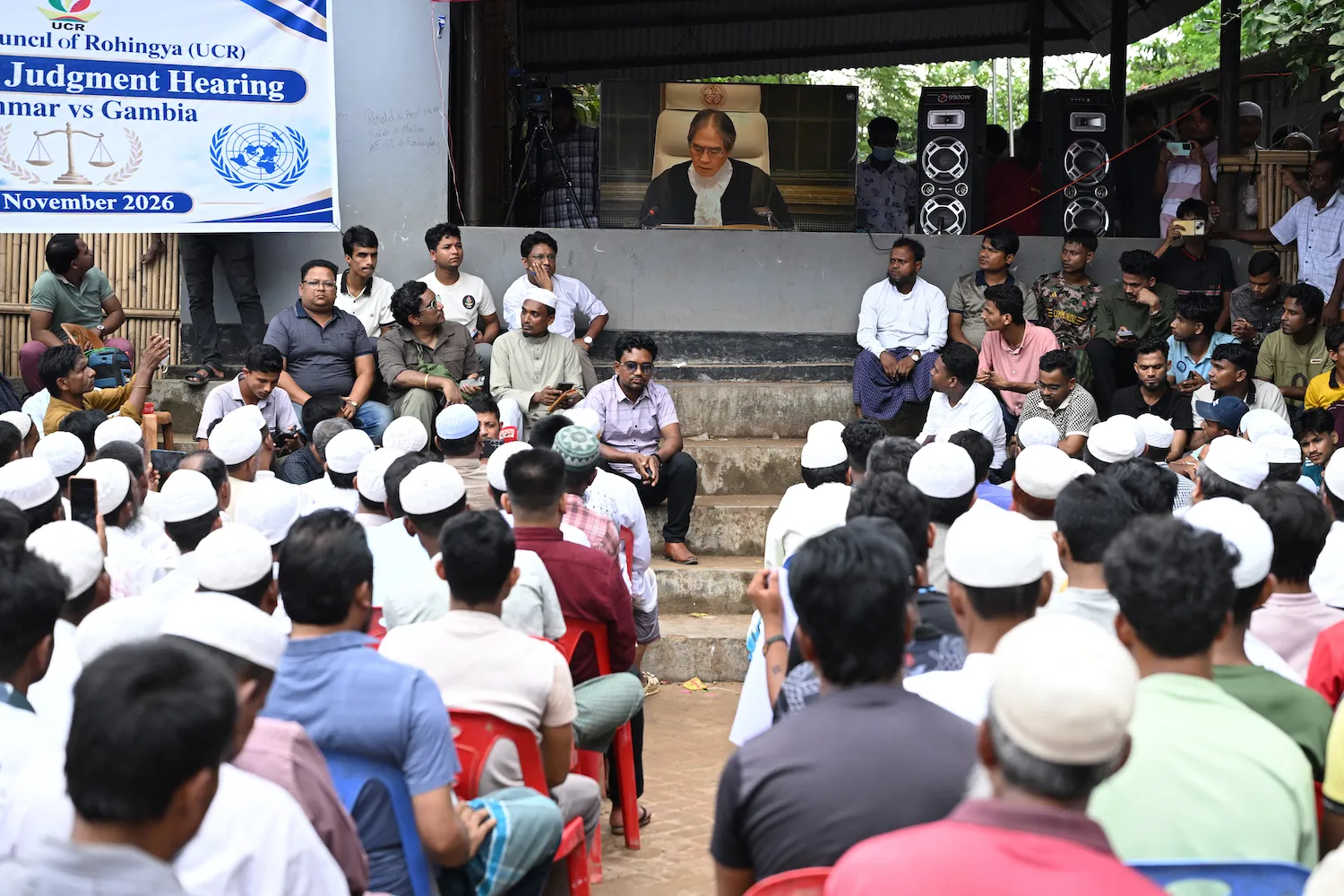
*Rohingya refugees watch the International Court of Justice ruling over whether Myanmar committed genocide against Rohingya Muslims on a screen at a camp in Bangladesh.*
Rohingya refugees watch the International Court of Justice ruling over whether Myanmar committed genocide against Rohingya Muslims on a screen at a camp in Bangladesh on Nov. 19. Salahuddin Ahmed/AFP via Getty Images
1. Get audio access with any FP subscription.
ALREADY AN FP SUBSCRIBER? LOGIN
November 20, 2026, 10:57 AM
In August 2017, Myanmar’s military launched sweeping “clearance operations” against alleged insurgents in the country’s Rakhine state. Within just three months, security forces had killed thousands of people, razed hundreds of villages, committed widespread sexual violence, and forced some 700,000 Rohingya Muslims to flee into neighboring Bangladesh.
Nine years later, the International Court of Justice (ICJ) found Myanmar guilty of genocide. The landmark ruling, delivered Thursday, marked the first time that the United Nations’ top court has found a country directly responsible for violating the 1948 Genocide Convention.
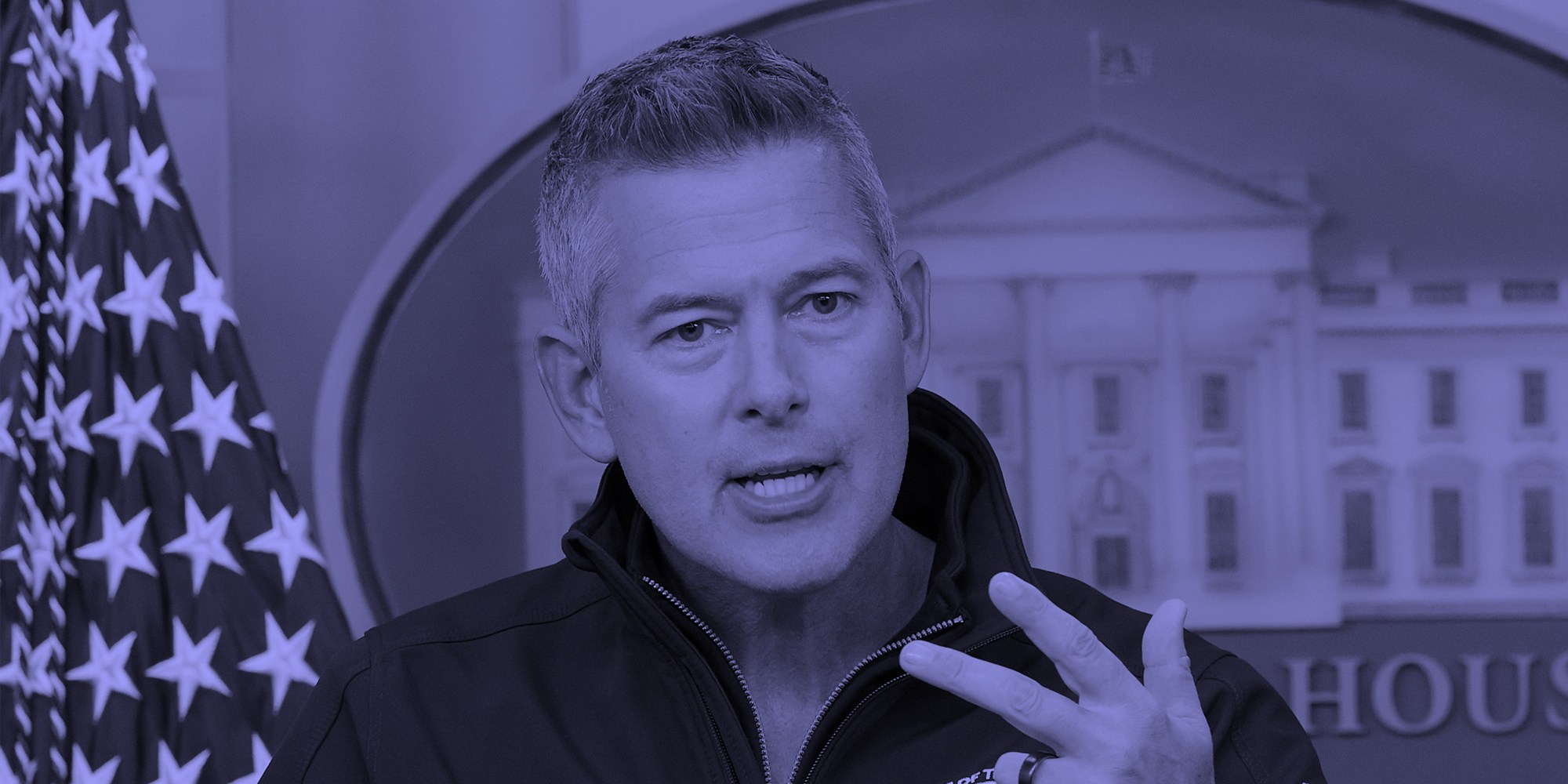
*Foreign Policy* spoke with Tom Andrews, the former U.N. special rapporteur on human rights in Myanmar, a few hours after the ruling came down. He discussed the decision’s implications, including where justice lies for the world’s largest stateless population and how the ruling could affect similar genocide cases linked to the wars in Gaza and Ukraine.
This interview has been edited for length and clarity.
**Foreign Policy:** Earlier today, the ICJ found that Myanmar’s security forces had committed genocide against the country’s minority Rohingya Muslim community. For those who aren’t aware of the case, could you give a brief primer on the court’s findings?
**Tom Andrews:** They were very explicit in their findings. They talked about the thousands and thousands of people who were killed, the thousands of women who were raped, the more than 2,000 children who were killed, the hundreds of thousands of homes that were burned.
I was in Bangladesh when people had arrived \[in 2017], and I sat and talked to many people who had literally been running for their lives. And the stories they told me were just absolutely incredible. I mean the horror, the brutality, the systematic nature of the killing, of the rapes, of the torture, was just absolutely extraordinary. And, of course, more than 700,000 people escaped into Bangladesh; we know that 1.3 million are now in Bangladesh, in the largest refugee camp in the world.
But what \[the Rohingya] did was they pushed for justice and they pushed for accountability. And there were people who were victimized by this brutality, who came to the court, the International Court of Justice, and provided their own personal testimony, told their own stories in a private session, which I believe was a very powerful, powerful part of this whole process, where it allowed the judges to focus on the actual consequences, the human element of this.
**FP:** This is the first time that the U.N.’s top court has found a nation directly responsible for genocide. What is the significance of that ruling?
**TA:** History was made today. The standard for genocide is very, very high. And that is a reason why this is so remarkable. This is the first time it’s ever been made, because the standard not only includes the acts but also the intention behind those acts—that \[the state] designed to harm a population in whole or in part.
But the question that it begs is, well, OK, now what? Now that we’ve established genocide, are there consequences for genocide, and what are they? And the court has ruled that the regime in Myanmar is responsible for providing relief and compensation for the victims.
*A large, tightly packed crowd of men and boys gathers outdoors, with several people raising their arms and holding up smartphones. Near the center, a smiling young man wearing a white polo shirt printed with flags and text raises both arms
ICJ Finds Myanmar Committed Genocide. What Comes Next?
The International Court of Justice has ruled that Myanmar committed genocide against the Rohingya Muslim minority, marking the first time the United Nations' top court has directly held a state responsible for the crime. The landmark decision raises questions about justice, compensation, and its potential impact on similar cases linked to the wars in Gaza and Ukraine.
Cross Lines newsroom
Share this article
#ميانمار#الروهينجا#محكمة العدل الدولية#الإبادة الجماعية#توم أندروز#حقوق الإنسان
Original source: Foreign Policy