Iranian press review: Principlists warn that regional mediation could be US trap
Middle East Eye
M
Middle East Eye
Original Source
Iran's principlist faction views regional mediation efforts by Pakistan and Oman with deep skepticism, regarding them as part of Washington's deception strategy. The hardliners argue that the US is leveraging regional intermediaries to escape its mounting military and economic predicaments.
Principlists warn of 'US deception' in talks
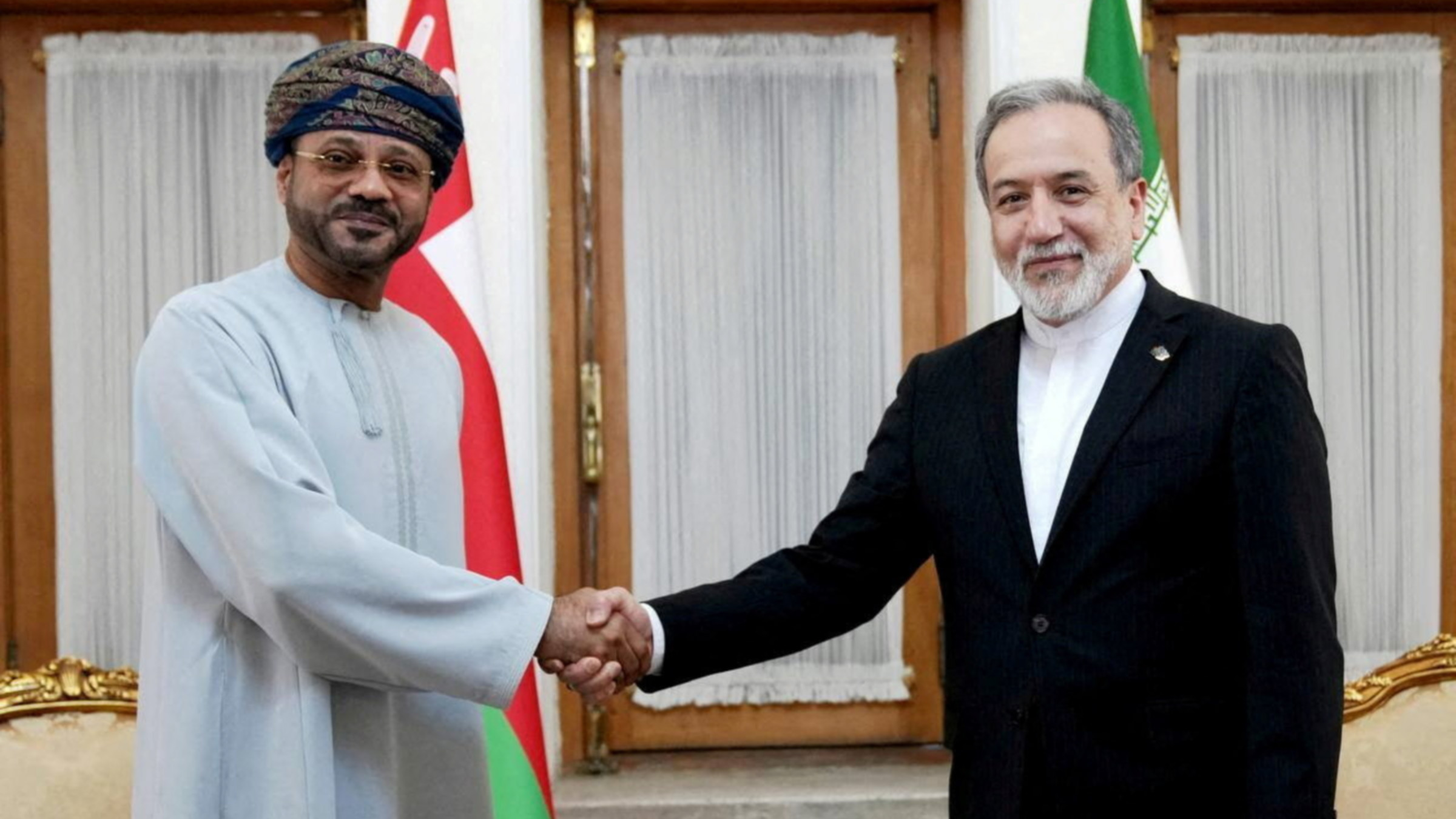
Recent efforts by Pakistan and Oman to mediate between Iran and the US have been met with scepticism from Iran’s principlist camp, which views regional diplomatic initiatives as part of Washington’s efforts to mislead Tehran and alter its calculations.
The Kayhan daily, an outlet close to this camp, described the visits by Pakistani and Omani officials to Tehran as part of a “new phase in the White House’s deception operation”.
This scepticism towards mediation stems from the fact that the US and Israel have, on two occasions so far, launched attacks while negotiations with Iran were under way; an experience that has contributed to deeper distrust of any proposal for negotiations or a ceasefire.
The daily wrote that Washington, after its failure on the battlefield with Iran, and amid increased economic pressure, is using regional mediators to find a way out of the current situation.
Kayhan went on to emphasise the need to maintain military pressure and deliver a tough response to the US. It wrote: “In the face of every suspension of US withdrawal from agreements (such as what happened in previous agreements), Washington will face broader demands and stronger conditions [from Tehran], including the complete lifting of the blockade, the release of all frozen funds, the lifting of sanctions, and the practical withdrawal of military forces.”
Farsi outlets react to latest US sanctions
Most Iranian newspapers led their front pages on Tuesday with headlines about the potential impact of new US sanctions. The coverage came a day after Washington announced the measures.
Outlets close to reformists addressed Iran's economic conditions and the need to solve these problems. Meanwhile, newspapers close to conservative and hardline groups focused on the "ineffectiveness" of the sanctions and Iran's ability to bypass them.
The pro-reformist Etemad daily reviewed the problems facing President Masoud Pezeshkian’s government, highlighting the budget deficit, a lack of investment, the US naval blockade and decades of economic sanctions as the main obstacles to improving people's livelihoods.
On the other side of the political spectrum, the Kayhan daily called the new sanctions a political bluff, writing that the US announced the measures without having the necessary tools.
The Javan daily, funded by the Islamic Revolutionary Guard Corps, echoed Kayhan's viewpoint. It covered the intensification of the US economic war under the headline: "Trump Plants 'D-Day', Reaps 'Waterloo'".
In its report, Javan wrote: "This is a boomerang that returns to America, affecting everything from inflation and interest rates to government financing costs and the treasury bond market. Tightening the rope does not only choke Iran's throat; in a long war, it also narrows America's airways."
Diplomat urges tougher policy towards Gulf
With no end in sight to the military confrontation between Washington and Tehran, the situation has rekindled debate over how Iran should deal with Arab states in the region.
Mohammad Masjed-Jamei, a former Iranian ambassador, has called for a firmer approach toward the Gulf "sheikhdoms" and criticised what he sees as excessive politeness in Iran’s policy towards them.
Speaking about the Arab states on the southern side of the Gulf, Masjed-Jamei described Saudi Arabia not as the “older brother” but as the “dominant power” in the region. He said Saudi Arabia’s foreign policy “acts as a cause of tension”. He also said that the United Arab Emirates “plays a role far beyond its real capacity”.
Masjed-Jamei suggested that one of Iran’s main problems in dealing with the Gulf states was an approach that was “too much based on courtesy, polite talk, and emphasis on brotherhood and friendship”. He added: “You should not try too hard to get a smile from the other side.”
Masjed-Jamei also cited Turkey as an example of a country that works with the Gulf states while taking a firm position towards them. He argued that Iran should also deal with the Arab states in the region according to its “weight, size, position and history”.
Pressure increases on university students
As the new academic year approaches in Iran, disciplinary proceedings continue against students at Sharif University of Technology, with expulsion orders issued against six students, local media reported.
Mahmoud Bahmanabadi, Sharif University’s deputy for student affairs, said that 236 students were referred to the disciplinary committee in connection with anti-establishment protests in January.
The university opened disciplinary cases against 115 of them after finding sufficient evidence, according to the university. Around 40 students accused of more serious violations were also summoned before the disciplinary committee.
Bahmanabadi said that “so far, six people who attempted to burn the sacred flag of the Islamic Republic or raised the flag of the monarchists at the university have received expulsion orders”.
The university also said that other disciplinary decisions included written reprimands and suspension from studies for one or two semesters.
Recent efforts by Pakistan and Oman to mediate between Iran and the US have been met with scepticism from Iran’s principlist camp, which views regional diplomatic initiatives as part of Washington’s efforts to mislead Tehran and alter its calculations.
The Kayhan daily, an outlet close to this camp, described the visits by Pakistani and Omani officials to Tehran as part of a “new phase in the White House’s deception operation”.
This scepticism towards mediation stems from the fact that the US and Israel have, on two occasions so far, launched attacks while negotiations with Iran were under way; an experience that has contributed to deeper distrust of any proposal for negotiations or a ceasefire.
The daily wrote that Washington, after its failure on the battlefield with Iran, and amid increased economic pressure, is using regional mediators to find a way out of the current situation.
Kayhan went on to emphasise the need to maintain military pressure and deliver a tough response to the US. It wrote: “In the face of every suspension of US withdrawal from agreements (such as what happened in previous agreements), Washington will face broader demands and stronger conditions [from Tehran], including the complete lifting of the blockade, the release of all frozen funds, the lifting of sanctions, and the practical withdrawal of military forces.”
Farsi outlets react to latest US sanctions
Most Iranian newspapers led their front pages on Tuesday with headlines about the potential impact of new US sanctions. The coverage came a day after Washington announced the measures.
Outlets close to reformists addressed Iran's economic conditions and the need to solve these problems. Meanwhile, newspapers close to conservative and hardline groups focused on the "ineffectiveness" of the sanctions and Iran's ability to bypass them.
The pro-reformist Etemad daily reviewed the problems facing President Masoud Pezeshkian’s government, highlighting the budget deficit, a lack of investment, the US naval blockade and decades of economic sanctions as the main obstacles to improving people's livelihoods.
On the other side of the political spectrum, the Kayhan daily called the new sanctions a political bluff, writing that the US announced the measures without having the necessary tools.
The Javan daily, funded by the Islamic Revolutionary Guard Corps, echoed Kayhan's viewpoint. It covered the intensification of the US economic war under the headline: "Trump Plants 'D-Day', Reaps 'Waterloo'".
In its report, Javan wrote: "This is a boomerang that returns to America, affecting everything from inflation and interest rates to government financing costs and the treasury bond market. Tightening the rope does not only choke Iran's throat; in a long war, it also narrows America's airways."
Diplomat urges tougher policy towards Gulf
With no end in sight to the military confrontation between Washington and Tehran, the situation has rekindled debate over how Iran should deal with Arab states in the region.
Mohammad Masjed-Jamei, a former Iranian ambassador, has called for a firmer approach toward the Gulf "sheikhdoms" and criticised what he sees as excessive politeness in Iran’s policy towards them.
Speaking about the Arab states on the southern side of the Gulf, Masjed-Jamei described Saudi Arabia not as the “older brother” but as the “dominant power” in the region. He said Saudi Arabia’s foreign policy “acts as a cause of tension”. He also said that the United Arab Emirates “plays a role far beyond its real capacity”.
Masjed-Jamei suggested that one of Iran’s main problems in dealing with the Gulf states was an approach that was “too much based on courtesy, polite talk, and emphasis on brotherhood and friendship”. He added: “You should not try too hard to get a smile from the other side.”
Masjed-Jamei also cited Turkey as an example of a country that works with the Gulf states while taking a firm position towards them. He argued that Iran should also deal with the Arab states in the region according to its “weight, size, position and history”.
Pressure increases on university students
As the new academic year approaches in Iran, disciplinary proceedings continue against students at Sharif University of Technology, with expulsion orders issued against six students, local media reported.
Mahmoud Bahmanabadi, Sharif University’s deputy for student affairs, said that 236 students were referred to the disciplinary committee in connection with anti-establishment protests in January.
The university opened disciplinary cases against 115 of them after finding sufficient evidence, according to the university. Around 40 students accused of more serious violations were also summoned before the disciplinary committee.
Bahmanabadi said that “so far, six people who attempted to burn the sacred flag of the Islamic Republic or raised the flag of the monarchists at the university have received expulsion orders”.
The university also said that other disciplinary decisions included written reprimands and suspension from studies for one or two semesters.
🔗 Share Article
Tags:#إيران#الولايات المتحدة#الوساطة الإقليمية#التيار الأصولي الإيراني#العقوبات الأمريكية#العلاقات الخليجية
Source: Middle East Eye
For Context
Related reads from the same topic or latest developments