How the U.S. Can Once Again Lead on Human Rights
Foreign Policy

Foreign Policy
Original Source
After years of U.S. retreat on human rights, Washington faces a steep challenge in restoring its credibility on the global stage. The United States can begin rebuilding by championing civic pluralism and respect for religious and ethnic diversity as a cornerstone of its renewed foreign policy.
How the U.S. Can Lead on Human Rights Post-Trump
!Foreign Policy
Foreign Policy Get analysis and alerts more quickly in the mobile app.
Install
Back to Foreign Policy Magazine home page
* Latest
* Regions
+ Asia & the Pacific
+ China
+ Middle East & Africa
+ Americas
+ Europe
* Newsletters
Editors’ Picks
Evening roundup with our editors’ favorite stories of the day
!World Brief Icon
World Brief
Your guide to the most important world stories of the day
!China Brief Icon
China Brief
The latest news, analysis, and data from the country each week
Situation Report
Weekly update on what’s driving U.S. national security policy
FP Weekend
A curation of our best book reviews, deep dives, and other reads
!Africa Brief Icon
Africa Brief
Essential analysis of the stories shaping geopolitics on the continent
!South Asia Brief Icon
South Asia Brief
Weekly update on developments in India and its neighbors
The Reading List
Curated guides on geopolitics and current affairs
FP Bookshelf
A monthly guide to FP’s book reviews, excerpts, and reading recommendations
!Latin America Brief Icon
Latin America Brief
One-stop digest of politics, economics, and culture
!Southeast Asia Brief Icon
Southeast Asia Brief
A weekly dispatch with news from the region’s 11 countries
The New Geopolitics
A five-part masterclass in IR theory with Harvard Professor Stephen M. Walt
View All Newsletters
* FP Live
* Latest
* Trending:
* Brazil's election
* Canada-EU ties
Search this website
* Preferences
* My FP Feed
* Saved Articles
* Newsletters
* Magazine Archive
* Subscription Settings
* FAQs
* Log Out
Sign In
Sign In
Team access Team access
Subscribe Subscribe Team access Team access
Argument: How the U.S. Can Once Again Lead on Human Rights
*
*
* Facebook
* Bluesky
* X
* LinkedIn
* WhatsApp
* Reddit
Save
1. Create an FP account to save articles to read later.
Sign Up
ALREADY AN FP SUBSCRIBER? LOGIN
PDF
1. **Downloadable PDFs** are a benefit of an FP subscription.
Subscribe Now
ALREADY AN FP SUBSCRIBER? LOGIN
Gift
*
*
* WhatsApp
1. Gifting articles is a subscriber benefit.
Subscribe Now
ALREADY AN FP SUBSCRIBER? LOGIN
2. This article is an Insider exclusive.
Contact us at [email protected] to learn about upgrade options, unlocking the ability to gift this article.
Argument
An expert’s point of view on a current event.
How the U.S. Can Once Again Lead on Human Rights
In the post-Trump era, Washington will need to regain credibility. Pluralism is where it should start.
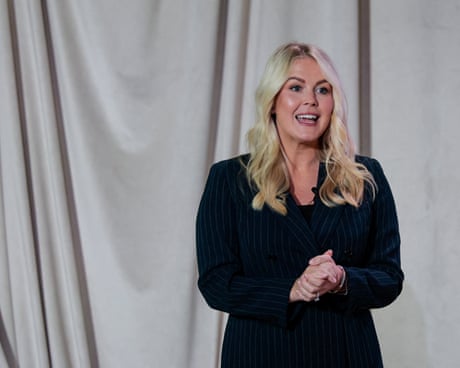
!An illustrated headshot of Suzanne Nossel
*An illustrated headshot of Suzanne Nossel*
*Suzanne Nossel*
By **Suzanne Nossel**, a columnist at *Foreign Policy* and the Lester Crown senior fellow for U.S. foreign policy and international order at the Chicago Council on Global Affairs.
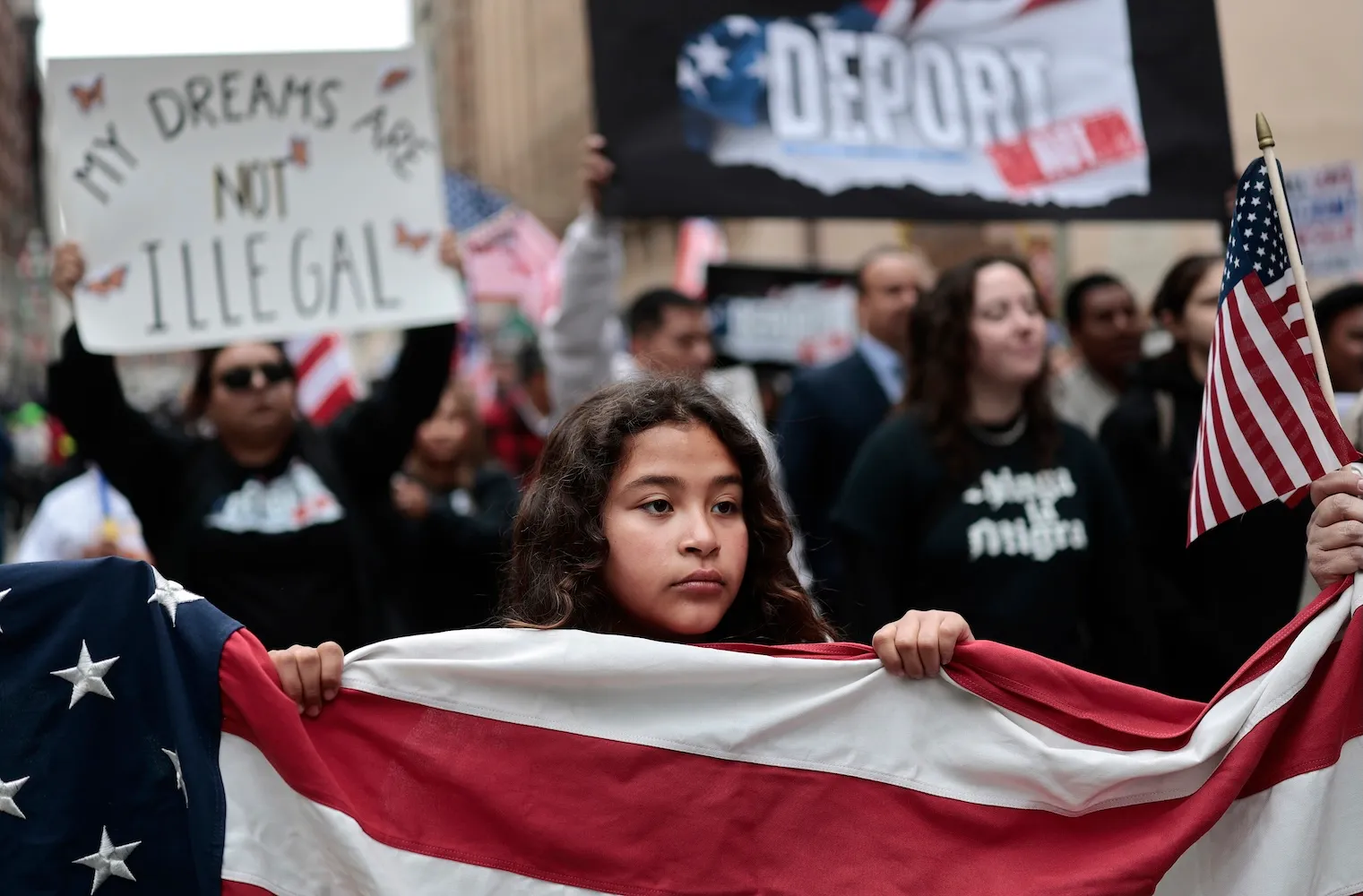
!A young person with long hair helps carry a U.S. flag at a demonstration. In the background is a sign that reads: "MY DREAMS ARE NOT ILLEGAL."
*A young person with long hair helps carry a U.S. flag at a demonstration. In the background is a sign that reads: "MY DREAMS ARE NOT ILLEGAL."*
A demonstrator helps carry a U.S. flag as immigrants' rights supporters march in Los Angeles on March 1, 2025. Mario Tama/Getty Images
1. Get audio access with any FP subscription.
Subscribe Now
ALREADY AN FP SUBSCRIBER? LOGIN
October 5, 2026, 9:20 AM
For 80 years, the United States styled itself as a defender of human rights and freedom on the global stage. While its record was never pure, the language of values cut across Republican and Democratic administrations, lending credibility and distinctiveness to Washington’s global leadership. Even routine charges of hypocrisy underscored that there were certain principles that Washington purported to stand for, though they might too often be honored in the breach.
Of the many pillars of U.S. foreign policy that President Donald Trump’s administration has sent tumbling down, values-based leadership may be among the toughest to erect anew. That’s because it is premised on firm ideals and commitments. While U.S. partners have come to expect a certain amount of wavering, fundamental betrayals are hard to overcome. By the end of Trump’s second term—12 years after he first came to power—younger generations will have little lived memory of values-based U.S. leadership. Already, when surveyed, people under 35 in traditional U.S. allied countries are especially likely to say U.S. democracy has never been a model worth following. After Trump, observers will be primed to view U.S. values as empty.
For 80 years, the United States styled itself as a defender of human rights and freedom on the global stage. While its record was never pure, the language of values cut across Republican and Democratic administrations, lending credibility and distinctiveness to Washington’s global leadership. Even routine charges of hypocrisy underscored that there were certain principles that Washington purported to stand for, though they might too often be honored in the breach.
Of the many pillars of U.S. foreign policy that President Donald Trump’s administration has sent tumbling down, values-based leadership may be among the toughest to erect anew. That’s because it is premised on firm ideals and commitments. While U.S. partners have come to expect a certain amount of wavering, fundamental betrayals are hard to overcome. By the end of Trump’s second term—12 years after he first came to power—younger generations will have little lived memory of values-based U.S. leadership. Already, when surveyed, people under 35 in traditional U.S. allied countries are especially likely to say U.S. democracy has never been a model worth following. After Trump, observers will be primed to view U.S. values as empty.
Future U.S. administrations will have to build on this cracked foundation. There will be no return to the era when the United States could plausibly cast itself as a standard-bearer for democracy and human rights. But Washington can still painstakingly earn back credibility by demonstrating sincerity, engaging partners, and delivering on commitments. Perhaps the best place to start is by rededicating the country to what it has long been known for: civic pluralism, including respect for ethnic and religious differences. By turning pluralism into a practical foreign-policy agenda, Washington can reestablish the standing it needs to lead again on democracy and human rights.
---
The notion that values should guide U.S. foreign policy goes back at least as far as Woodrow Wilson’s presidency. It ran through Franklin D. Roosevelt’s and Harry Truman’s efforts in establishing the United Nations to Jimmy Carter’s elevation of human rights as a bureaucratic and policy cornerstone to Ronald Reagan’s invocation of freedom as a Cold War rallying cry. Over the decades, Washington built an expansive global democracy and rights infrastructure, encompassing the U.S. Agency for International Development (USAID) and myriad State Department offices and emissaries focused on religious freedom, LGBTQ+ rights, international justice, and more.
By the early years of the 21st century, the so-called war on terrorism compromised Washington’s already checkered record on rights. As geopolitical competition intensified, values increasingly took a back seat in relations with China, Saudi Arabia, Egypt, and other countries. That trend accelerated when Trump returned for his second term in 2024.
Since reentering office, Trump has torched much of the U.S. infrastructure on rights and democracy. He demolished USAID and retracted billions of dollars in U.S. funding and commitments for global rights and democracy protections, undermining decades of policy and programs worldwide that had depended on Washington’s
!Foreign Policy
Foreign Policy Get analysis and alerts more quickly in the mobile app.
Install
Back to Foreign Policy Magazine home page
* Latest
* Regions
+ Asia & the Pacific
+ China
+ Middle East & Africa
+ Americas
+ Europe
* Newsletters
Editors’ Picks
Evening roundup with our editors’ favorite stories of the day
!World Brief Icon
World Brief
Your guide to the most important world stories of the day
!China Brief Icon
China Brief
The latest news, analysis, and data from the country each week
Situation Report
Weekly update on what’s driving U.S. national security policy
FP Weekend
A curation of our best book reviews, deep dives, and other reads
!Africa Brief Icon
Africa Brief
Essential analysis of the stories shaping geopolitics on the continent
!South Asia Brief Icon
South Asia Brief
Weekly update on developments in India and its neighbors
The Reading List
Curated guides on geopolitics and current affairs
FP Bookshelf
A monthly guide to FP’s book reviews, excerpts, and reading recommendations
!Latin America Brief Icon
Latin America Brief
One-stop digest of politics, economics, and culture
!Southeast Asia Brief Icon
Southeast Asia Brief
A weekly dispatch with news from the region’s 11 countries
The New Geopolitics
A five-part masterclass in IR theory with Harvard Professor Stephen M. Walt
View All Newsletters
* FP Live
* Latest
* Trending:
* Brazil's election
* Canada-EU ties
Search this website
* Preferences
* My FP Feed
* Saved Articles
* Newsletters
* Magazine Archive
* Subscription Settings
* FAQs
* Log Out
Sign In
Sign In
Team access Team access
Subscribe Subscribe Team access Team access
Argument: How the U.S. Can Once Again Lead on Human Rights
*
*
* Bluesky
* X
Save
1. Create an FP account to save articles to read later.
Sign Up
ALREADY AN FP SUBSCRIBER? LOGIN
1. **Downloadable PDFs** are a benefit of an FP subscription.
Subscribe Now
ALREADY AN FP SUBSCRIBER? LOGIN
Gift
*
*
1. Gifting articles is a subscriber benefit.
Subscribe Now
ALREADY AN FP SUBSCRIBER? LOGIN
2. This article is an Insider exclusive.
Contact us at [email protected] to learn about upgrade options, unlocking the ability to gift this article.
Argument
An expert’s point of view on a current event.
How the U.S. Can Once Again Lead on Human Rights
In the post-Trump era, Washington will need to regain credibility. Pluralism is where it should start.
!An illustrated headshot of Suzanne Nossel
*An illustrated headshot of Suzanne Nossel*
*Suzanne Nossel*
By **Suzanne Nossel**, a columnist at *Foreign Policy* and the Lester Crown senior fellow for U.S. foreign policy and international order at the Chicago Council on Global Affairs.
!A young person with long hair helps carry a U.S. flag at a demonstration. In the background is a sign that reads: "MY DREAMS ARE NOT ILLEGAL."
*A young person with long hair helps carry a U.S. flag at a demonstration. In the background is a sign that reads: "MY DREAMS ARE NOT ILLEGAL."*
A demonstrator helps carry a U.S. flag as immigrants' rights supporters march in Los Angeles on March 1, 2025. Mario Tama/Getty Images
1. Get audio access with any FP subscription.
Subscribe Now
ALREADY AN FP SUBSCRIBER? LOGIN
October 5, 2026, 9:20 AM
For 80 years, the United States styled itself as a defender of human rights and freedom on the global stage. While its record was never pure, the language of values cut across Republican and Democratic administrations, lending credibility and distinctiveness to Washington’s global leadership. Even routine charges of hypocrisy underscored that there were certain principles that Washington purported to stand for, though they might too often be honored in the breach.
Of the many pillars of U.S. foreign policy that President Donald Trump’s administration has sent tumbling down, values-based leadership may be among the toughest to erect anew. That’s because it is premised on firm ideals and commitments. While U.S. partners have come to expect a certain amount of wavering, fundamental betrayals are hard to overcome. By the end of Trump’s second term—12 years after he first came to power—younger generations will have little lived memory of values-based U.S. leadership. Already, when surveyed, people under 35 in traditional U.S. allied countries are especially likely to say U.S. democracy has never been a model worth following. After Trump, observers will be primed to view U.S. values as empty.
For 80 years, the United States styled itself as a defender of human rights and freedom on the global stage. While its record was never pure, the language of values cut across Republican and Democratic administrations, lending credibility and distinctiveness to Washington’s global leadership. Even routine charges of hypocrisy underscored that there were certain principles that Washington purported to stand for, though they might too often be honored in the breach.
Of the many pillars of U.S. foreign policy that President Donald Trump’s administration has sent tumbling down, values-based leadership may be among the toughest to erect anew. That’s because it is premised on firm ideals and commitments. While U.S. partners have come to expect a certain amount of wavering, fundamental betrayals are hard to overcome. By the end of Trump’s second term—12 years after he first came to power—younger generations will have little lived memory of values-based U.S. leadership. Already, when surveyed, people under 35 in traditional U.S. allied countries are especially likely to say U.S. democracy has never been a model worth following. After Trump, observers will be primed to view U.S. values as empty.
Future U.S. administrations will have to build on this cracked foundation. There will be no return to the era when the United States could plausibly cast itself as a standard-bearer for democracy and human rights. But Washington can still painstakingly earn back credibility by demonstrating sincerity, engaging partners, and delivering on commitments. Perhaps the best place to start is by rededicating the country to what it has long been known for: civic pluralism, including respect for ethnic and religious differences. By turning pluralism into a practical foreign-policy agenda, Washington can reestablish the standing it needs to lead again on democracy and human rights.
---
The notion that values should guide U.S. foreign policy goes back at least as far as Woodrow Wilson’s presidency. It ran through Franklin D. Roosevelt’s and Harry Truman’s efforts in establishing the United Nations to Jimmy Carter’s elevation of human rights as a bureaucratic and policy cornerstone to Ronald Reagan’s invocation of freedom as a Cold War rallying cry. Over the decades, Washington built an expansive global democracy and rights infrastructure, encompassing the U.S. Agency for International Development (USAID) and myriad State Department offices and emissaries focused on religious freedom, LGBTQ+ rights, international justice, and more.
By the early years of the 21st century, the so-called war on terrorism compromised Washington’s already checkered record on rights. As geopolitical competition intensified, values increasingly took a back seat in relations with China, Saudi Arabia, Egypt, and other countries. That trend accelerated when Trump returned for his second term in 2024.
Since reentering office, Trump has torched much of the U.S. infrastructure on rights and democracy. He demolished USAID and retracted billions of dollars in U.S. funding and commitments for global rights and democracy protections, undermining decades of policy and programs worldwide that had depended on Washington’s
🔗 Share Article
Tags:#حقوق الإنسان#السياسة الخارجية الأمريكية#الديمقراطية#التعددية#حقوق المواطنين#الشرق الأوسط
Source: Foreign Policy
For Context
Related reads from the same topic or latest developments