InternationalAvailable in English
Tensions continue to mount in Lebanon as Hezbollah challenges Beirut’s authority - The Jerusalem Post
Editorial
Cross Lines editing
Source
أخبار لبنان
أخبار لبنان
أ
أخبار لبنان
Original Source
Tensions between the Lebanese government and Hezbollah are escalating after the group tried to obstruct an Internal Security Forces operation to inspect a warehouse storing unlicensed cancer drugs. The incident coincided with protests over the seizure of explosives that reports say the group was smuggling into Beirut's southern suburbs.
Tensions between the Lebanese government and Hezbollah have escalated following theIran-backed terrorist group’srecent attempt to obstruct an Internal Security Forces (ISF) operation to inspect a warehouse storing unregulated cancer drugs, according to Lebanese media reports and officials.
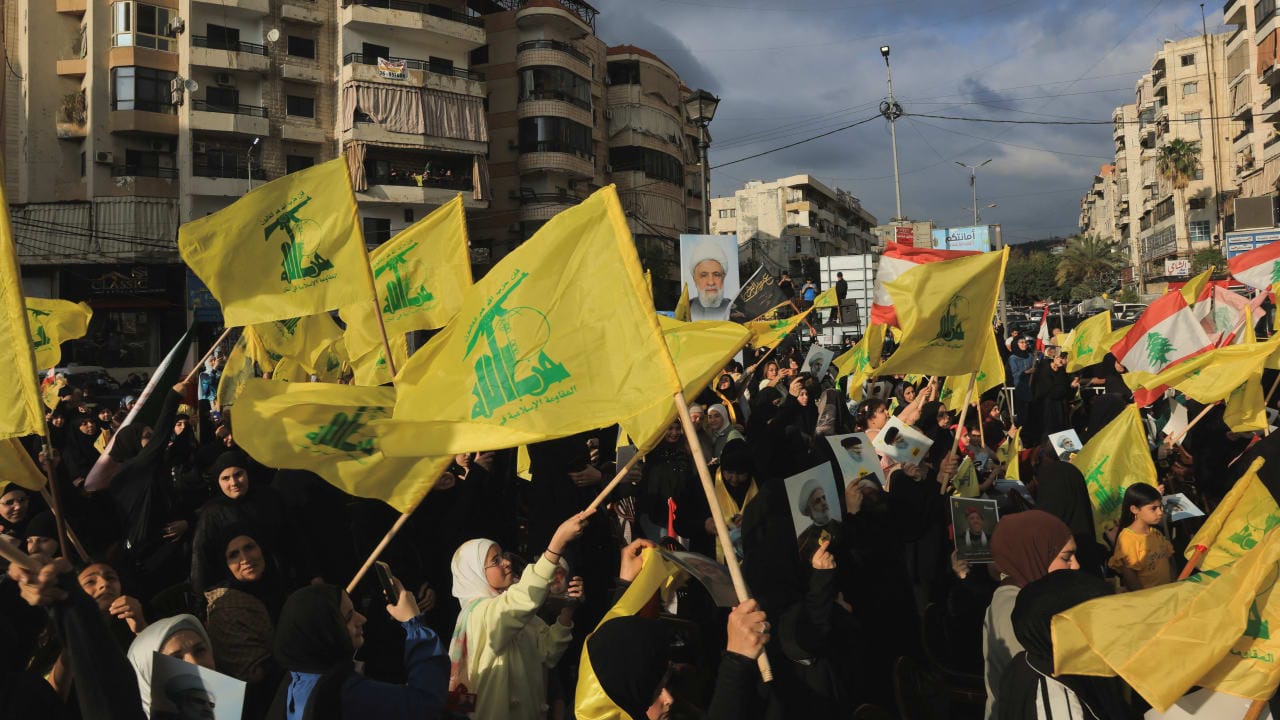
Hezbollahsupporters also protested the seizure of explosives allegedly being trafficked into southern Beirut by the group.Armed men affiliated with Hezbollah surrounded a judicial police patrol vehicle in the Galerie Semaan area on the outskirts of Beirut’s southern suburbs after the ISF arrived to raid warehouses suspected of storing unlicensed cancer medications. The armed men withdrew after the Lebanese military arrived at the scene.
Hezbollah’s political wing subsequently condemned the security forces for carrying out the operation in the area, which it described as being outside its Shi’ite stronghold, “without observing the mechanism agreed upon between Hezbollah and the security services.”
According to MTVLebanon, the ISF acted on the orders of Lebanese Prosecutor-General Ahmad Rami al-Hajj, following a referral from Public Health Minister Rakan Nasser al-Din, who insisted the medications be seized over the risk of spoilage and their failure to meet health standards.
Former parliamentarian Wahbi Qatisha, a retired Lebanese Army brigadier-general, told Al Hadath that the medications seized during the operation last week were counterfeit Iranian drugs. He alleged that the trafficking operation was overseen by the son ofHezbollah Secretary-General Naim Qassem, a claim repeated by an anonymous source to Alhurra.
There have long been reports of unregulated Iranian and Syrian medications entering Lebanon. In September, the Lebanese Health Ministry sent samples of suspected counterfeit cancer drugs to France for testing.
In 2021, Al Arabiya published an exposé on Iranian medications approved by the Health Ministry despite concerns about a lack of appropriate testing. At the time of the exposé, hospitals reportedly refused to prescribe the Iranian-manufactured drug Lenoma, which former Lebanese health minister Hamad Hassan pushed through despite significant opposition. Hassan was nominated and backed by Hezbollah for the role.
Gen. Ashraf Rifi, a former director of Lebanon’s ISF, told Alhurra that the raid on Hezbollah’s counterfeit medication warehouse could be a signal that Beirut is changing its approach to dealing with Hezbollah.
Notably, the incident came shortly after the Lebanese military seized at least 500 kg. of explosives from Hezbollah-affiliated individuals en route to Beirut.
The explosives contained metal balls and shards designed to maximize damage in an explosion. They were reportedly intended for an assassination attempt on Lebanese soil.
Hezbollah has reportedly continued to demand the release of the two individuals arrested in connection with the shipment and the return of the seized materials.
According to the independent news source This Is Beirut, armed Hezbollah security patrols have openly roamed the streets of Beirut in what has been interpreted as a rejection of the seizure.
However, the Lebanese military reported that army units had implemented security measures in Beirut and the southern suburbs, including deploying motorized and foot patrols and establishing temporary checkpoints “to pursue wanted individuals and those disrupting security.”
There are also unverified reports of minor clashes between Hezbollah-affiliated individuals and members of the Lebanese Armed Forces, though officials have not confirmed such reports.
Lebanon’s Grand Jaafari Mufti Sheikh Ahmad Qabalan stated during his sermon on Friday that Beirut’s actions against Hezbollah were a threat to Lebanese sovereignty and should be seen as in favor of Israel.
Qabalan said that Beirut’s legitimacy had derived from the legitimacy of the “resistance” and claimed that the security establishment was supporting the “American-Zionist project.”
The one email that makes sense of the Middle East. Iran, the Gulf, Syria, Turkey, and whatever moved that day, from The Jerusalem Post, every evening.
Hezbollahsupporters also protested the seizure of explosives allegedly being trafficked into southern Beirut by the group.Armed men affiliated with Hezbollah surrounded a judicial police patrol vehicle in the Galerie Semaan area on the outskirts of Beirut’s southern suburbs after the ISF arrived to raid warehouses suspected of storing unlicensed cancer medications. The armed men withdrew after the Lebanese military arrived at the scene.
Hezbollah’s political wing subsequently condemned the security forces for carrying out the operation in the area, which it described as being outside its Shi’ite stronghold, “without observing the mechanism agreed upon between Hezbollah and the security services.”
According to MTVLebanon, the ISF acted on the orders of Lebanese Prosecutor-General Ahmad Rami al-Hajj, following a referral from Public Health Minister Rakan Nasser al-Din, who insisted the medications be seized over the risk of spoilage and their failure to meet health standards.
Former parliamentarian Wahbi Qatisha, a retired Lebanese Army brigadier-general, told Al Hadath that the medications seized during the operation last week were counterfeit Iranian drugs. He alleged that the trafficking operation was overseen by the son ofHezbollah Secretary-General Naim Qassem, a claim repeated by an anonymous source to Alhurra.
There have long been reports of unregulated Iranian and Syrian medications entering Lebanon. In September, the Lebanese Health Ministry sent samples of suspected counterfeit cancer drugs to France for testing.
In 2021, Al Arabiya published an exposé on Iranian medications approved by the Health Ministry despite concerns about a lack of appropriate testing. At the time of the exposé, hospitals reportedly refused to prescribe the Iranian-manufactured drug Lenoma, which former Lebanese health minister Hamad Hassan pushed through despite significant opposition. Hassan was nominated and backed by Hezbollah for the role.
Gen. Ashraf Rifi, a former director of Lebanon’s ISF, told Alhurra that the raid on Hezbollah’s counterfeit medication warehouse could be a signal that Beirut is changing its approach to dealing with Hezbollah.
Notably, the incident came shortly after the Lebanese military seized at least 500 kg. of explosives from Hezbollah-affiliated individuals en route to Beirut.
The explosives contained metal balls and shards designed to maximize damage in an explosion. They were reportedly intended for an assassination attempt on Lebanese soil.
Hezbollah has reportedly continued to demand the release of the two individuals arrested in connection with the shipment and the return of the seized materials.
According to the independent news source This Is Beirut, armed Hezbollah security patrols have openly roamed the streets of Beirut in what has been interpreted as a rejection of the seizure.
However, the Lebanese military reported that army units had implemented security measures in Beirut and the southern suburbs, including deploying motorized and foot patrols and establishing temporary checkpoints “to pursue wanted individuals and those disrupting security.”
There are also unverified reports of minor clashes between Hezbollah-affiliated individuals and members of the Lebanese Armed Forces, though officials have not confirmed such reports.
Lebanon’s Grand Jaafari Mufti Sheikh Ahmad Qabalan stated during his sermon on Friday that Beirut’s actions against Hezbollah were a threat to Lebanese sovereignty and should be seen as in favor of Israel.
Qabalan said that Beirut’s legitimacy had derived from the legitimacy of the “resistance” and claimed that the security establishment was supporting the “American-Zionist project.”
The one email that makes sense of the Middle East. Iran, the Gulf, Syria, Turkey, and whatever moved that day, from The Jerusalem Post, every evening.
Share Article
Tags:#لبنان#حزب الله#بيروت#قوى الأمن الداخلي#الأدوية المزيفة#المتفجرات
Source: أخبار لبنان
For Context
Related reads from the same topic or latest developments