Hormuz Tanker Traffic Stalls at Two-Month Low as Attacks Escalate
Oil Price
O
Oil Price
Original Source
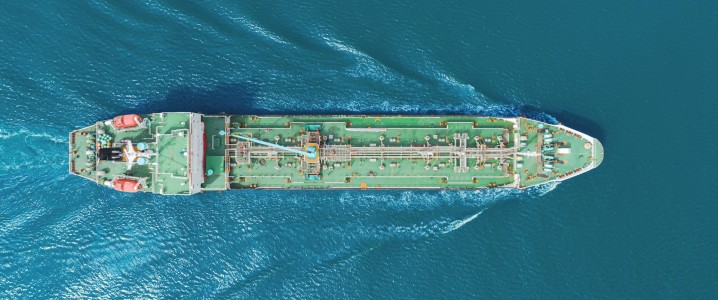
Tanker traffic at the Strait of Hormuz has plummeted to its lowest level in over two months as security threats intensify with ongoing attacks on vessels. Analysts warn that the current situation represents the worst threat to maritime trade since the crisis began.
Traffic at the Strait of Hormuz remains at the lowest in more than two months as security concerns have intensified with recent attacks on ships and persistent threats to shipping in the region.
After a brief respite between the middle of June and early July, when traffic at Hormuz rose with the tentative opening of the chokepoint as part of the now-dead U.S.-Iran memorandum of understanding, traffic of all vessels, including commodity carriers, plunged to a two-month low as of the end of July.
And it hasn't recovered, despite U.S. attempts to talk down oil prices and an announcement that talks with Iran would begin anew.
The security situation has actually deteriorated in the past two weeks, with Iran determined to exert control over vessels transiting the Strait of Hormuz and the Iran-aligned Houthis threatening Saudi-linked shipments in the Red Sea and the Bab el-Mandeb Strait leading into the Arabian Sea.
As a result, traffic at the Strait of Hormuz remained subdued as of Tuesday, according to ship-tracking data monitored by Bloomberg. The trickle of traffic is extending the period in which tanker owners are either using dark mode to transit the chokepoint, abandoning efforts to cross, or not risking transits at all.
This weekend, the Egypt Prosperity, a very large crude carrier (VLCC), aborted an attempt to exit the Persian Gulf following direct threats over radio, according to alerts by security consultancies seen by Bloomberg News. The crew on the Egypt Prosperity also reported they had heard explosions close to the vessel.
Analysts at security and vessel-tracking firms told the BBC this week that the threats to shipping in the Gulf and the Red Sea have now escalated to the worst safety situation since the Iran war began.
“In terms of threat to the trade of crude, we're at the worst period that we've been in since this since this crisis began,” Matthew Wright, an analyst at ship-tracking firm Kpler, told the BBC.
By Charles Kennedy for Oilprice.com
More Top Reads From Oilprice.com
BP Earnings Surge to $5.7 Billion on Oil Price and Refining Boom
India Expands Oil Storage Sites After Shock Supply Disruption
Pakistan Partners with Canadian Firm to Boost Domestic Heavy Crude Output
After a brief respite between the middle of June and early July, when traffic at Hormuz rose with the tentative opening of the chokepoint as part of the now-dead U.S.-Iran memorandum of understanding, traffic of all vessels, including commodity carriers, plunged to a two-month low as of the end of July.
And it hasn't recovered, despite U.S. attempts to talk down oil prices and an announcement that talks with Iran would begin anew.
The security situation has actually deteriorated in the past two weeks, with Iran determined to exert control over vessels transiting the Strait of Hormuz and the Iran-aligned Houthis threatening Saudi-linked shipments in the Red Sea and the Bab el-Mandeb Strait leading into the Arabian Sea.
As a result, traffic at the Strait of Hormuz remained subdued as of Tuesday, according to ship-tracking data monitored by Bloomberg. The trickle of traffic is extending the period in which tanker owners are either using dark mode to transit the chokepoint, abandoning efforts to cross, or not risking transits at all.
This weekend, the Egypt Prosperity, a very large crude carrier (VLCC), aborted an attempt to exit the Persian Gulf following direct threats over radio, according to alerts by security consultancies seen by Bloomberg News. The crew on the Egypt Prosperity also reported they had heard explosions close to the vessel.
Analysts at security and vessel-tracking firms told the BBC this week that the threats to shipping in the Gulf and the Red Sea have now escalated to the worst safety situation since the Iran war began.
“In terms of threat to the trade of crude, we're at the worst period that we've been in since this since this crisis began,” Matthew Wright, an analyst at ship-tracking firm Kpler, told the BBC.
By Charles Kennedy for Oilprice.com
More Top Reads From Oilprice.com
BP Earnings Surge to $5.7 Billion on Oil Price and Refining Boom
India Expands Oil Storage Sites After Shock Supply Disruption
Pakistan Partners with Canadian Firm to Boost Domestic Heavy Crude Output
🔗 Share Article
Tags:#مضيق هرمز#الملاحة البحرية#الأمن البحري#تجارة الزيت#الحوثيون#إيران
Source: Oil Price
For Context
Related reads from the same topic or latest developments


