2026 candidates target health care "corruption"
Axios
A
Axios
Original Source
U.S. candidates are centering their 2026 campaigns on accusing opponents of corruption and collusion with pharmaceutical companies and insurers, capitalizing on voter anger over soaring health care costs. The focus has shifted from traditional coverage and affordability debates to attacking the influence of corporate interests on elected leaders.
How 2026 candidates are targeting health care "corruption"
*
* Newsletters
*
* Axios Pro
* Axios Live
* The Axios Show
Axios
Axios
7 hours ago - Health
How 2026 candidates are targeting health care "corruption"
* Adriel Bettelheim
*
*
*
Add Axios on Google
Add Axios as your preferred source to
see more of our stories on Google.
Add Axios on Google
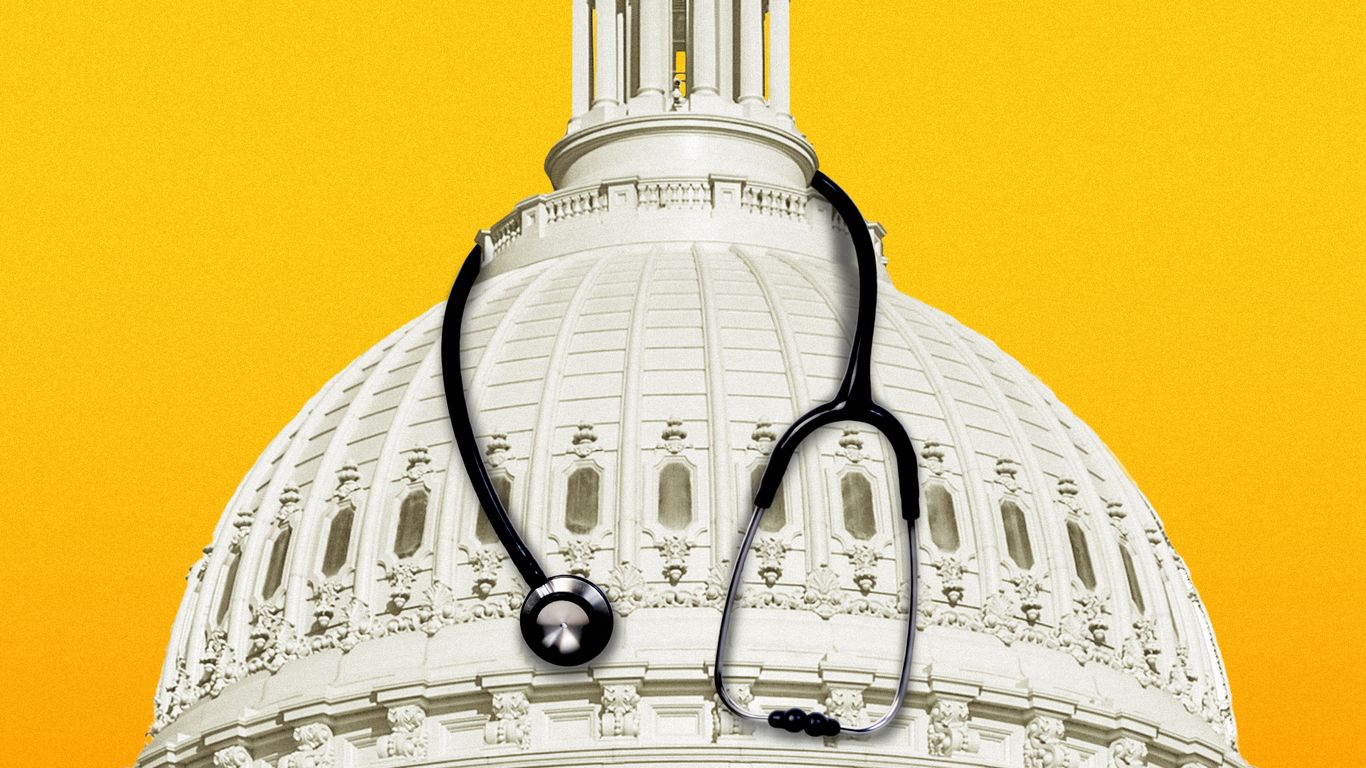
!Illustration of a stethoscope draped over the dome of the US Capitol building.
*Illustration: Gabriella Turrisi/Axios*
Campaigning on health care used to mean talking about coverage or costs. Now, in the run-up to the midterms, it's just as likely to focus on "corruption."
**The big picture:** Candidates are accusing primary or general election opponents of being in the pockets of drugmakers, insurers and other powerful health interests, to the detriment of voters.
* It's a strategy that plays into affordability concerns and voter anger at the health system — but frequently avoids addressing what about the system needs fixing.
* "Voters want leaders to lower everyday costs and firmly believe that will require taking on political corruption, corporate power and special interests' influence," public opinion firm Lake Research Partners wrote last month in a survey of attitudes about affordability and accountability.
**Zoom in:** That thinking is influencing the tone of one of the most competitive House races in the country, in Iowa's 1st Congressional District. GOP Rep. Mariannette Miller-Meeks and Democrat Christina Bohannan, along with their surrogates, have accused each other of caving to big health insurers and undermining patient care.
* In Michigan, Democratic Senate hopeful Abdul El-Sayed called his Republican opponent Mike Rogers a "pharma lobbyist," prompting Rogers' campaign to send a cease-and-desist letter and threaten legal action.
* Charges of coziness with health industries also are surfacing in key Senate races in New Hampshire and Nebraska.
* And some democratic socialists have played up drug and insurer donations to incumbents in primary challenges, as was the case when Melat Kiros knocked off 15-term Rep. Diana DeGette in Colorado's 1st Congressional District.
**Between the lines:** Polling shows medical costs are the public's top economic worry.
* Democratic challengers are trying to leverage that sentimentby focusing attention on opponents' campaign contributions, while Republicans tend to key on Democratic policies they say are handouts to certain industries.
* The Lake Research Partners survey, commissioned by the progressive PAC Indivisible Action, found voters respond to the idea that rising costs stem primarily from corporate greed, corrupt CEOs and price gouging instead of government spending and waste.
* "Voters aren't just concerned about the economy today; they are fed up with the resulting unfairness of a rigged system," it stated. "They see insiders, politicians, and corporations with too much power and elected leaders prioritizing their interests while ordinary people pay the cost."
**Flashback:** GOP lawmakers in Congress and outside conservative groups portrayed the Affordable Care Act as a profit-making machine for health insurers last year as they rallied to allow the expiration of pandemic-era enhanced subsidies.
* A recent NPR analysis of YouTube ads found Republican candidates are now trying to get ahead of criticism of the subsidy expiration, and of health spending cuts in last year's sweeping reconciliation bill, by focusing on fraud in Medicaid, rural hospitals and affordability.
* But Democrats think they can pin more health care cost issues on Republicans — and are highlighting policies in the reconciliation bill they say upended millions of lives and widened gaps in care.
* Some are also criticizing President Trump's drug pricing deals, saying they really delivered big pharmaceutical companies tax breaks, regulatory relief and other perks.
**What's next:** House Democrats have already vowed to reverse the Medicaid cuts in the reconciliation bill and restore the enhanced ACA subsidies. But there's an added oversight component some are talking up on the campaign trail.
* "We need to be doing a lot more to take on corporate power, to break up a lot of these monopolies that are rolling up — Big Pharma, insurance, private equity entering the space of health care unchecked," Rep. Alexandria Ocasio-Cortez (D-N.Y.) told NBC. "I think there's a lot here for us to really dig in on, to work on."
**What we're watching:** Whether Republicans take Trump's advice to go on offense by making insurance companies the enemy in the final months before the midterms.
* Democrats also will have to rely on more than partisan attacks and lay out a credible reform agenda and how they plan to take on corruption and hold special interests accountable, Lake Research Partners said.
*
*
*
Add Axios on Google
What to read next
*
*
*
*
*
*
Smarter, faster on what matters.
Explore Axios Newsletters
* About Axios
* Advertise with us
* Careers
* Contact us
* Newsletters
* Axios Live
* Axios HQ
* Privacy policy
* Terms of use
*
Axios Homepage
Axios Media Inc., 2026
*
* Newsletters
*
* Axios Pro
* Axios Live
* The Axios Show
Axios
Axios
7 hours ago - Health
How 2026 candidates are targeting health care "corruption"
* Adriel Bettelheim
*
*
*
Add Axios on Google
Add Axios as your preferred source to
see more of our stories on Google.
Add Axios on Google
!Illustration of a stethoscope draped over the dome of the US Capitol building.
*Illustration: Gabriella Turrisi/Axios*
Campaigning on health care used to mean talking about coverage or costs. Now, in the run-up to the midterms, it's just as likely to focus on "corruption."
**The big picture:** Candidates are accusing primary or general election opponents of being in the pockets of drugmakers, insurers and other powerful health interests, to the detriment of voters.
* It's a strategy that plays into affordability concerns and voter anger at the health system — but frequently avoids addressing what about the system needs fixing.
* "Voters want leaders to lower everyday costs and firmly believe that will require taking on political corruption, corporate power and special interests' influence," public opinion firm Lake Research Partners wrote last month in a survey of attitudes about affordability and accountability.
**Zoom in:** That thinking is influencing the tone of one of the most competitive House races in the country, in Iowa's 1st Congressional District. GOP Rep. Mariannette Miller-Meeks and Democrat Christina Bohannan, along with their surrogates, have accused each other of caving to big health insurers and undermining patient care.
* In Michigan, Democratic Senate hopeful Abdul El-Sayed called his Republican opponent Mike Rogers a "pharma lobbyist," prompting Rogers' campaign to send a cease-and-desist letter and threaten legal action.
* Charges of coziness with health industries also are surfacing in key Senate races in New Hampshire and Nebraska.
* And some democratic socialists have played up drug and insurer donations to incumbents in primary challenges, as was the case when Melat Kiros knocked off 15-term Rep. Diana DeGette in Colorado's 1st Congressional District.
**Between the lines:** Polling shows medical costs are the public's top economic worry.
* Democratic challengers are trying to leverage that sentimentby focusing attention on opponents' campaign contributions, while Republicans tend to key on Democratic policies they say are handouts to certain industries.
* The Lake Research Partners survey, commissioned by the progressive PAC Indivisible Action, found voters respond to the idea that rising costs stem primarily from corporate greed, corrupt CEOs and price gouging instead of government spending and waste.
* "Voters aren't just concerned about the economy today; they are fed up with the resulting unfairness of a rigged system," it stated. "They see insiders, politicians, and corporations with too much power and elected leaders prioritizing their interests while ordinary people pay the cost."
**Flashback:** GOP lawmakers in Congress and outside conservative groups portrayed the Affordable Care Act as a profit-making machine for health insurers last year as they rallied to allow the expiration of pandemic-era enhanced subsidies.
* A recent NPR analysis of YouTube ads found Republican candidates are now trying to get ahead of criticism of the subsidy expiration, and of health spending cuts in last year's sweeping reconciliation bill, by focusing on fraud in Medicaid, rural hospitals and affordability.
* But Democrats think they can pin more health care cost issues on Republicans — and are highlighting policies in the reconciliation bill they say upended millions of lives and widened gaps in care.
* Some are also criticizing President Trump's drug pricing deals, saying they really delivered big pharmaceutical companies tax breaks, regulatory relief and other perks.
**What's next:** House Democrats have already vowed to reverse the Medicaid cuts in the reconciliation bill and restore the enhanced ACA subsidies. But there's an added oversight component some are talking up on the campaign trail.
* "We need to be doing a lot more to take on corporate power, to break up a lot of these monopolies that are rolling up — Big Pharma, insurance, private equity entering the space of health care unchecked," Rep. Alexandria Ocasio-Cortez (D-N.Y.) told NBC. "I think there's a lot here for us to really dig in on, to work on."
**What we're watching:** Whether Republicans take Trump's advice to go on offense by making insurance companies the enemy in the final months before the midterms.
* Democrats also will have to rely on more than partisan attacks and lay out a credible reform agenda and how they plan to take on corruption and hold special interests accountable, Lake Research Partners said.
*
*
*
Add Axios on Google
What to read next
*
*
*
*
*
*
Smarter, faster on what matters.
Explore Axios Newsletters
* About Axios
* Advertise with us
* Careers
* Contact us
* Newsletters
* Axios Live
* Axios HQ
* Privacy policy
* Terms of use
*
Axios Homepage
Axios Media Inc., 2026
🔗 Share Article
Tags:#الانتخابات الأمريكية#الرعاية الصحية#الفساد السياسي#التمويل الانتخابي#شركات الأدوية#الانتخابات المقبلة
Source: Axios
For Context
Related reads from the same topic or latest developments