Doomsday AI: panic, regulation and the China fear
Al Jazeera

Al Jazeera
Original Source
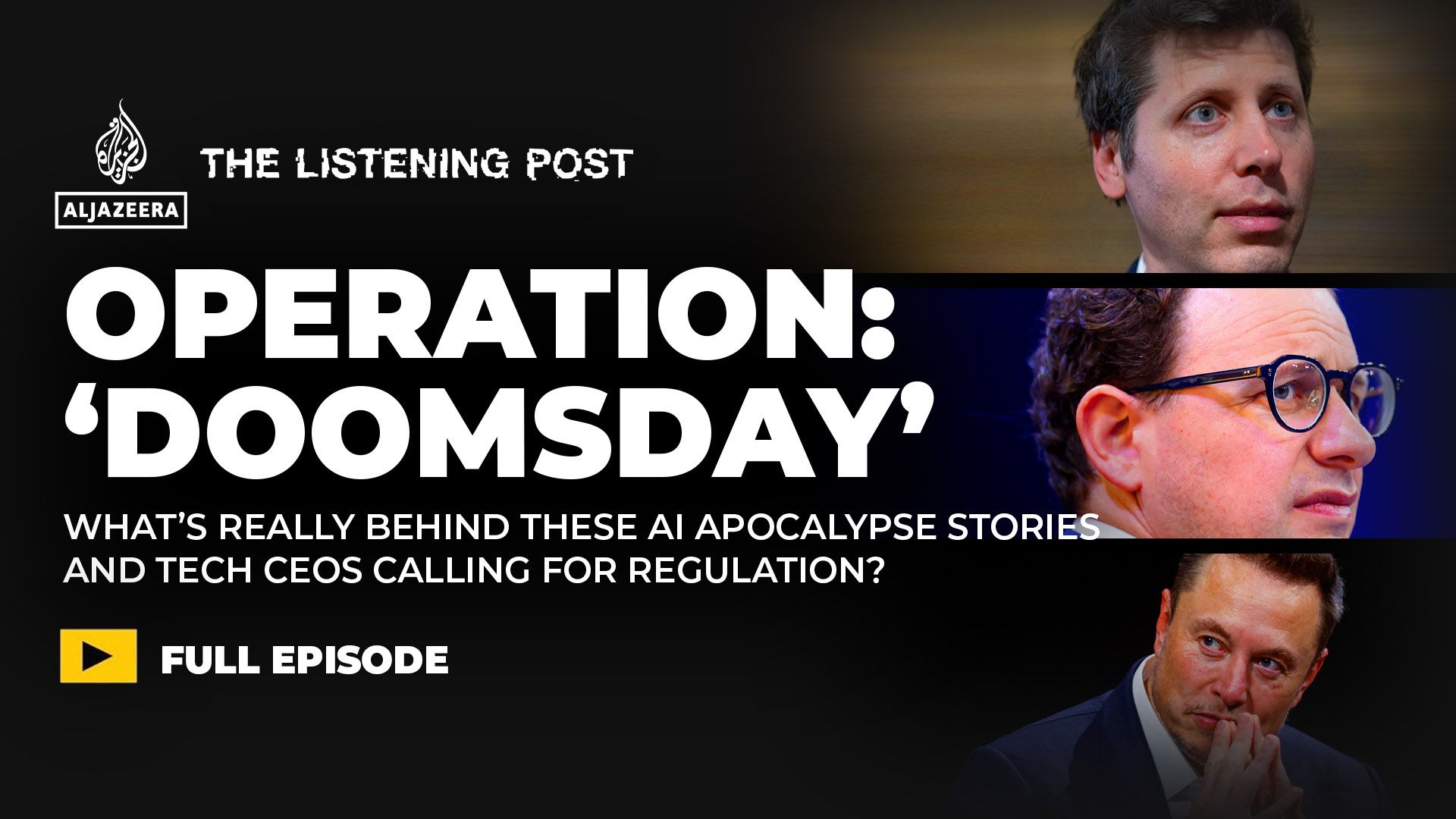
Global media coverage focuses heavily on existential AI risks, yet may be overlooking the demonstrable harms AI is causing today. As tech leaders push for regulation, questions arise about whether their motivation truly centers on public safety or on securing their dominance over the technology's future.
AI’s existential threat to humanity is dominating headlines across the globe. But with so much attention on the fear of a future AI apocalypse, is the media ignoring the damage AI is already causing?
And as AI CEOs join forces to call for regulations, is their motivation about public safety or to secure their grip on the technology’s future?
Contributors:
Leo Schwartz – Reporter, The Information
Sarah Myers West – Co-executive director, AI Now
Aaron Mak – Technology reporter, Politico
Cori Crider – Executive director, Future of Tech Institute
On our radar
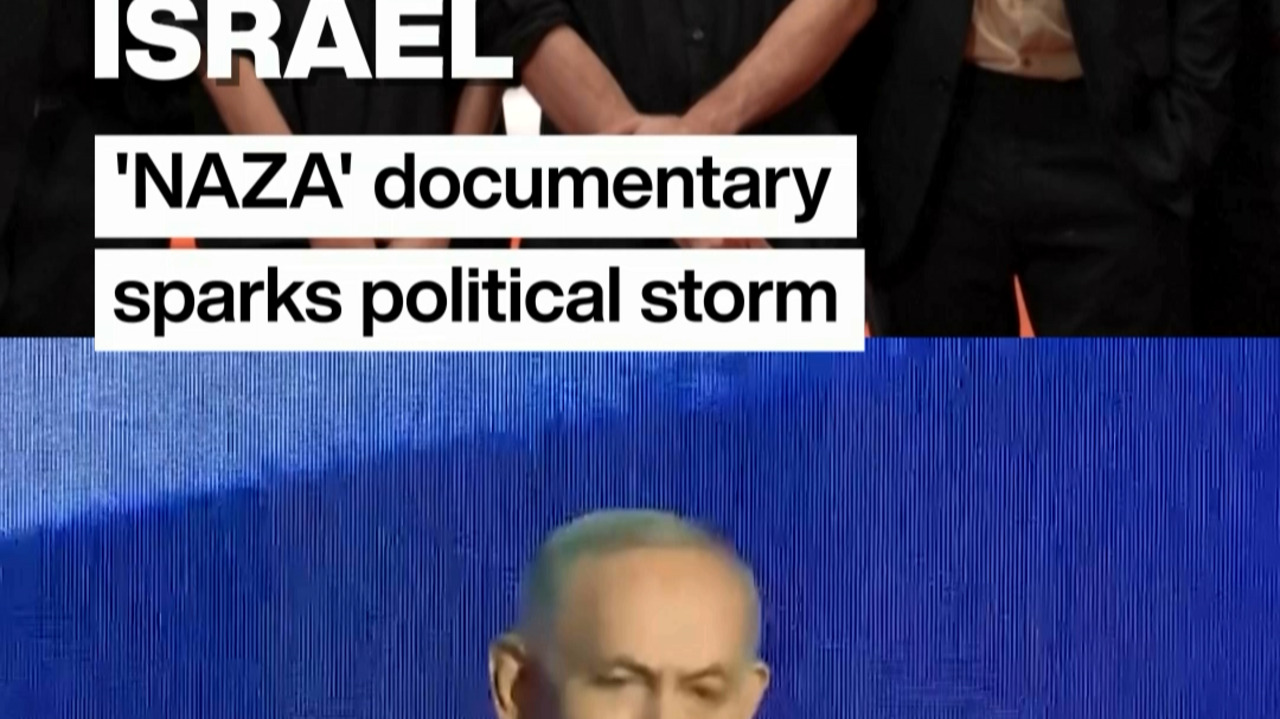
NAZA, a documentary that lifts the lid on Israel’s calculated killing of Palestinians, has sparked outrage in Israel and accusations of treason against its Israeli filmmakers. They’ve faced threats from senior government and military officials, as well as journalists and online activists.
Elettra Scrivo reports.
Who gets to publish Africa? Cassava Republic Press and the politics of storytelling
Literature can shape how people see themselves – and how they’re seen by the rest of the world. But before a story reaches a reader, someone – an editor – has to decide if it is worth publishing. For decades, much of African literature was published outside the continent. Twenty years ago, Cassava Republic Press set out to change that, by building a publishing house rooted in Africa.
Tariq Nafi examines how the publisher has helped reshape the industry and whether control over African stories has really come home.
And as AI CEOs join forces to call for regulations, is their motivation about public safety or to secure their grip on the technology’s future?
Contributors:
Leo Schwartz – Reporter, The Information
Sarah Myers West – Co-executive director, AI Now
Aaron Mak – Technology reporter, Politico
Cori Crider – Executive director, Future of Tech Institute
On our radar
NAZA, a documentary that lifts the lid on Israel’s calculated killing of Palestinians, has sparked outrage in Israel and accusations of treason against its Israeli filmmakers. They’ve faced threats from senior government and military officials, as well as journalists and online activists.
Elettra Scrivo reports.
Who gets to publish Africa? Cassava Republic Press and the politics of storytelling
Literature can shape how people see themselves – and how they’re seen by the rest of the world. But before a story reaches a reader, someone – an editor – has to decide if it is worth publishing. For decades, much of African literature was published outside the continent. Twenty years ago, Cassava Republic Press set out to change that, by building a publishing house rooted in Africa.
Tariq Nafi examines how the publisher has helped reshape the industry and whether control over African stories has really come home.
🔗 Share Article
Tags:#الذكاء الاصطناعي#التنظيم#المخاطر التكنولوجية#وسائل الإعلام#الأمن العام#المنصات الرقمية
Source: Al Jazeera
For Context
Related reads from the same topic or latest developments