After the Iran War, U.S. Intelligence Experts Are Taking Their Revenge on Trump
By using this website, you agree to our use of cookies. This use includes personalization of content and ads, and traffic analytics. Review our Privacy Policy for more information.
Foreign Policy Get analysis and alerts more quickly in the mobile app.
Install
**An error has occurred**
Sale ends in: 1d 5h 47m 35s
Midterm Flash Sale! Join FP for only $14.99. CLAIM OFFER
Back to Foreign Policy Magazine home page
Evening roundup with our editors’ favorite stories of the day
World Brief
Your guide to the most important world stories of the day
China Brief
The latest news, analysis, and data from the country each week
Situation Report
Weekly update on what’s driving U.S. national security policy
FP Weekend
A curation of our best book reviews, deep dives, and other reads
Africa Brief
Essential analysis of the stories shaping geopolitics on the continent
South Asia Brief
Weekly update on developments in India and its neighbors
The Reading List
Curated guides on geopolitics and current affairs
FP Bookshelf
A monthly guide to FP’s book reviews, excerpts, and reading recommendations
Latin America Brief
One-stop digest of politics, economics, and culture
Southeast Asia Brief
A weekly dispatch with news from the region’s 11 countries
The New Geopolitics
A five-part masterclass in IR theory with Harvard Professor Stephen M. Walt
View All Newsletters
Subscribe Subscribe Team access Team access
Analysis: The Experts Are Taking Their Revenge Again
1. Create an FP account to save articles to read later.
Sign Up
ALREADY AN FP SUBSCRIBER? LOGIN
PDF
1. **Downloadable PDFs** are a benefit of an FP subscription.
ALREADY AN FP SUBSCRIBER? LOGIN
Gift
1. Gifting articles is a subscriber benefit.
ALREADY AN FP SUBSCRIBER? LOGIN
2. This article is an Insider exclusive.
Contact us at [email protected] to learn about upgrade options, unlocking the ability to gift this article.
Analysis
The Experts Are Taking Their Revenge Again
The Iran war is the latest example of Washington disregarding intelligence—and suffering the consequences.
By **David Milne**, a professor of modern history at the University of East Anglia.
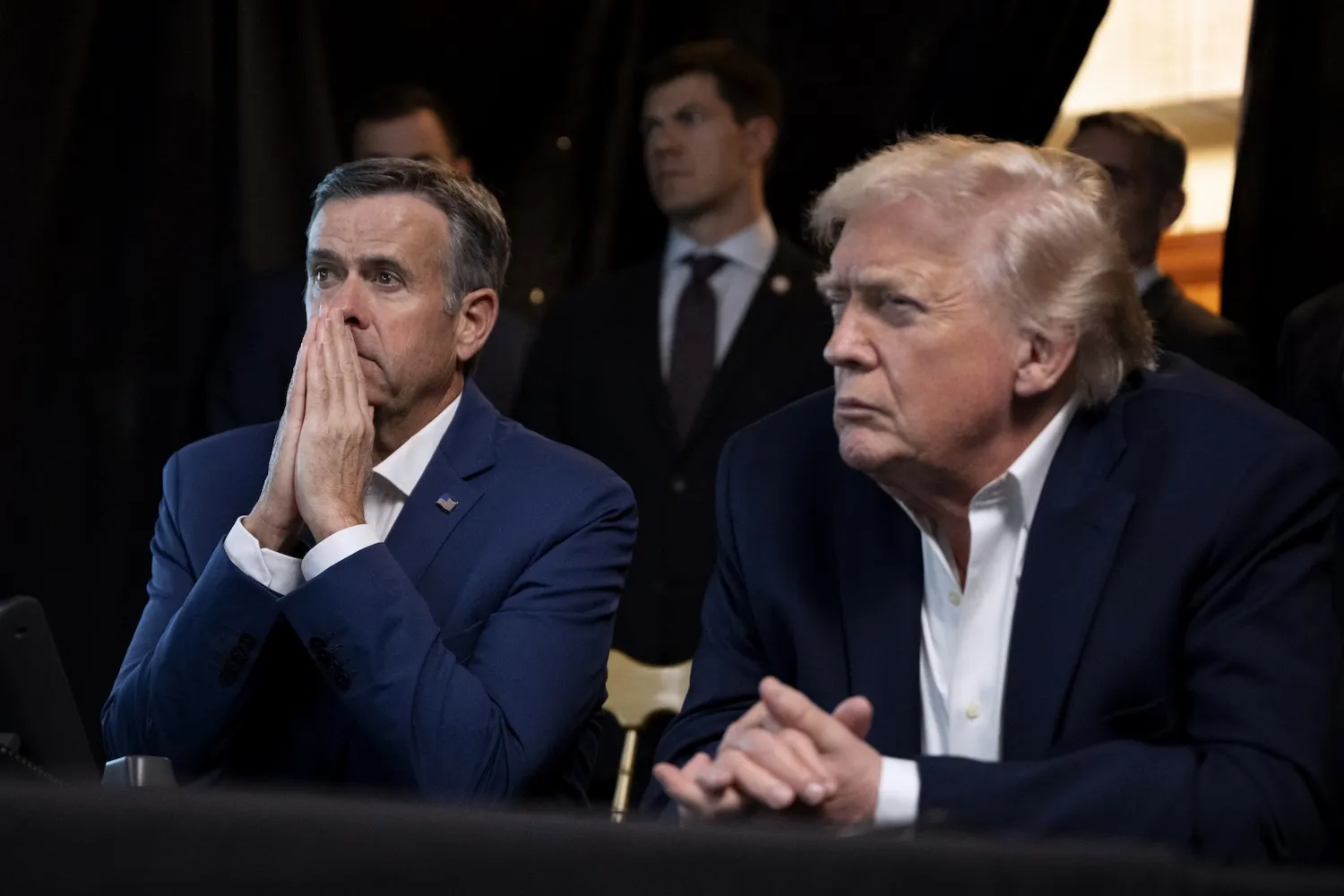
*President Donald Trump monitors U.S. military operations in Venezuela, from Mar-a-Lago Club in Palm Beach, Florida, on Saturday, January 3, 2026.*
President Donald Trump monitors U.S. military operations in Venezuela, from Mar-a-Lago Club in Palm Beach, Florida, on Saturday, January 3, 2026. Official White House Photo by Molly Riley
My FP: Follow topics and authors to get straight to what you like. Exclusively for FP subscribers. Subscribe Now | Log In
November 9, 2026, 3:08 AM
At a political rally in Arizona in October, U.S. President Donald Trump joked that he “probably went a little too far” with the U.S.-Israeli military strikes against Iran that he initiated in February. The electoral catastrophe that unfolded for Republicans in the midterms a few weeks later made this abundantly clear.
During a midnight interview with Fox News at the end of election night on Nov. 3, when asked about what had hurt the GOP most at the polls, Trump conceded that “I think a part of it was Iran.” Setting aside equivocation the following day, Vice President J. D. Vance posted on X, “The reason we lost is the war. The president himself said so last night. … And any honest conversation about where we go from here must start there.”
Energy prices had soared, and voters noticed that they weren’t being put first, punishing the incumbent party for this betrayal. The president’s most consequential foreign-policy mistake has turned out to be launching a war against a major regional power in the Middle East with a surfeit of misplaced optimism and scant consideration of what might go wrong. The irony does not need much teasing out.
It is not as if the president was not warned. As the *New York Times* journalists Maggie Haberman and Jonathan Swan detail in their book *Regime Change*, U.S. intelligence was skeptical of key elements of the case for war that Israeli Prime Minister Benjamin Netanyahu presented to Trump at the White House Situation Room on Feb. 11.
Seeing upsides everywhere he looked, the Israeli prime minister said that Iran’s ballistic missile program would be destroyed in a few weeks, that a weakened Iran would be unable to close the Strait of Hormuz, and that the risk to neighboring states was small. He also reported that Mossad intelligence suggested that an intense bombing campaign would destabilize the regime, allowing Iranian opposition forces to assume control.
The CIA’s director, John Ratcliffe, reported back to the president and his principal advisors the next day. Agency analysts believed that military action could take out Iran’s leadership and destroy its ability to threaten its neighbors. But Ratcliffe said that the suggestion that airstrikes would spark regime change was “farcical,” according to the *Times* reporters. Secretary of State Marco Rubio stepped in to paraphrase: “In other words, it’s bullshit.” Vance strongly agreed. The chairman of the Joint Chiefs of Staff, Dan Caine, told Trump, “Sir, this is, in my experience, standard operating procedure for the Israelis. They oversell, and their plans are not always well-developed. They know they need us, and that’s why they’re hard-selling.” Warning lights were flashing everywhere.
Trump ultimately decided to authorize Operation Epic Fury on the basis that decapitating Iran’s leadership and striking decisively against its offensive capabilities was sufficient cause. It was a remarkable leap of faith for a man whose opposition to reckless foreign wars—Iraq, first and foremost—had helped him secure the Republican presidential nomination in 2016.
He restated this view in defeating President Joe Biden eight years later, too. At a campaign rally in Pennsylvania in October 2024, Trump said, “I will not send you to fight and die in a foolish, never-ending foreign war.” In launching war against Iran, Trump ignored private doubts expressed by his vice president, CIA director, secretary of state, and chairman of the Joint Chiefs of Staff. Defense Secretary Pete Hegseth was the only p
The Experts Are Taking Their Revenge Again
Historian David Milne argues that the Iran war is the latest case of Washington brushing aside its own intelligence and paying for it, as seen in the Republicans' midterm rout. The CIA director, vice president, secretary of state and Joint Chiefs chairman all warned Trump that Netanyahu's case for war was oversold, yet he went ahead.
Cross Lines newsroom
Share this article
#حرب إيران#ترامب#الاستخبارات الأمريكية#انتخابات التجديد النصفي#نتنياهو#مضيق هرمز
Original source: Foreign Policy