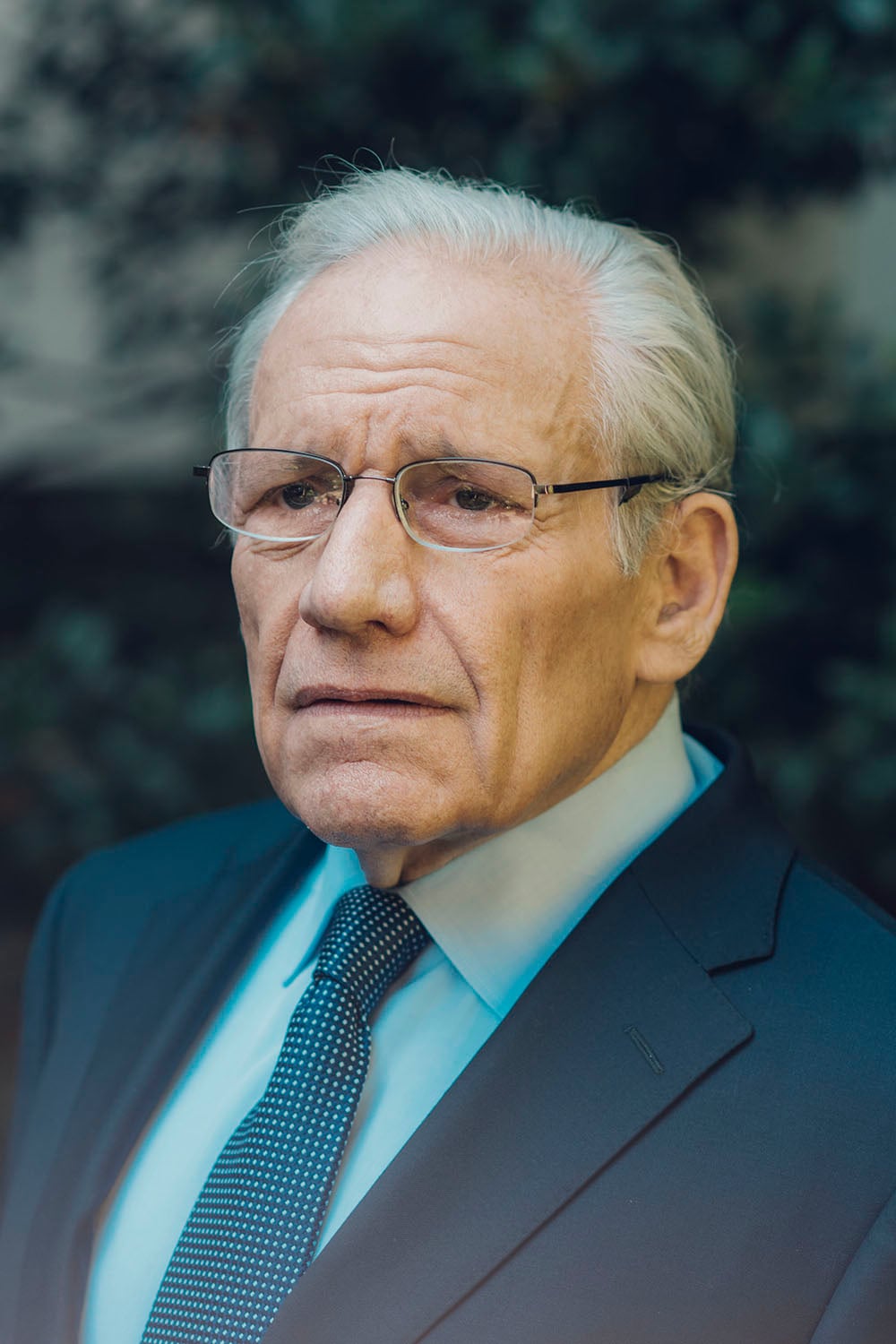
Review: David M. Sacks' 'The Realist' Shows Realism Was Forged in Trauma
By using this website, you agree to our use of cookies. This use includes personalization of content and ads, and traffic analytics. Review our Privacy Policy for more information.
Foreign Policy Get analysis and alerts more quickly in the mobile app.
Install
Back to Foreign Policy Magazine home page
Evening roundup with our editors’ favorite stories of the day
World Brief
Your guide to the most important world stories of the day
China Brief
The latest news, analysis, and data from the country each week
Situation Report
Weekly update on what’s driving U.S. national security policy
FP Weekend
A curation of our best book reviews, deep dives, and other reads
Africa Brief
Essential analysis of the stories shaping geopolitics on the continent
South Asia Brief
Weekly update on developments in India and its neighbors
The Reading List
Curated guides on geopolitics and current affairs
FP Bookshelf
A monthly guide to FP’s book reviews, excerpts, and reading recommendations
Latin America Brief
One-stop digest of politics, economics, and culture
Southeast Asia Brief
A weekly dispatch with news from the region’s 11 countries
The New Geopolitics
A five-part masterclass in IR theory with Harvard Professor Stephen M. Walt
View All Newsletters
Give a gift Give a gift
Subscribe Subscribe Give a gift Give a gift
Review: Realism Was Forged in Trauma
1. Create an FP account to save articles to read later.
Sign Up
ALREADY AN FP SUBSCRIBER? LOGIN
PDF
1. **Downloadable PDFs** are a benefit of an FP subscription.
ALREADY AN FP SUBSCRIBER? LOGIN
Gift
1. Gifting articles is a subscriber benefit.
ALREADY AN FP SUBSCRIBER? LOGIN
2. This article is an Insider exclusive.
Contact us at [email protected] to learn about upgrade options, unlocking the ability to gift this article.
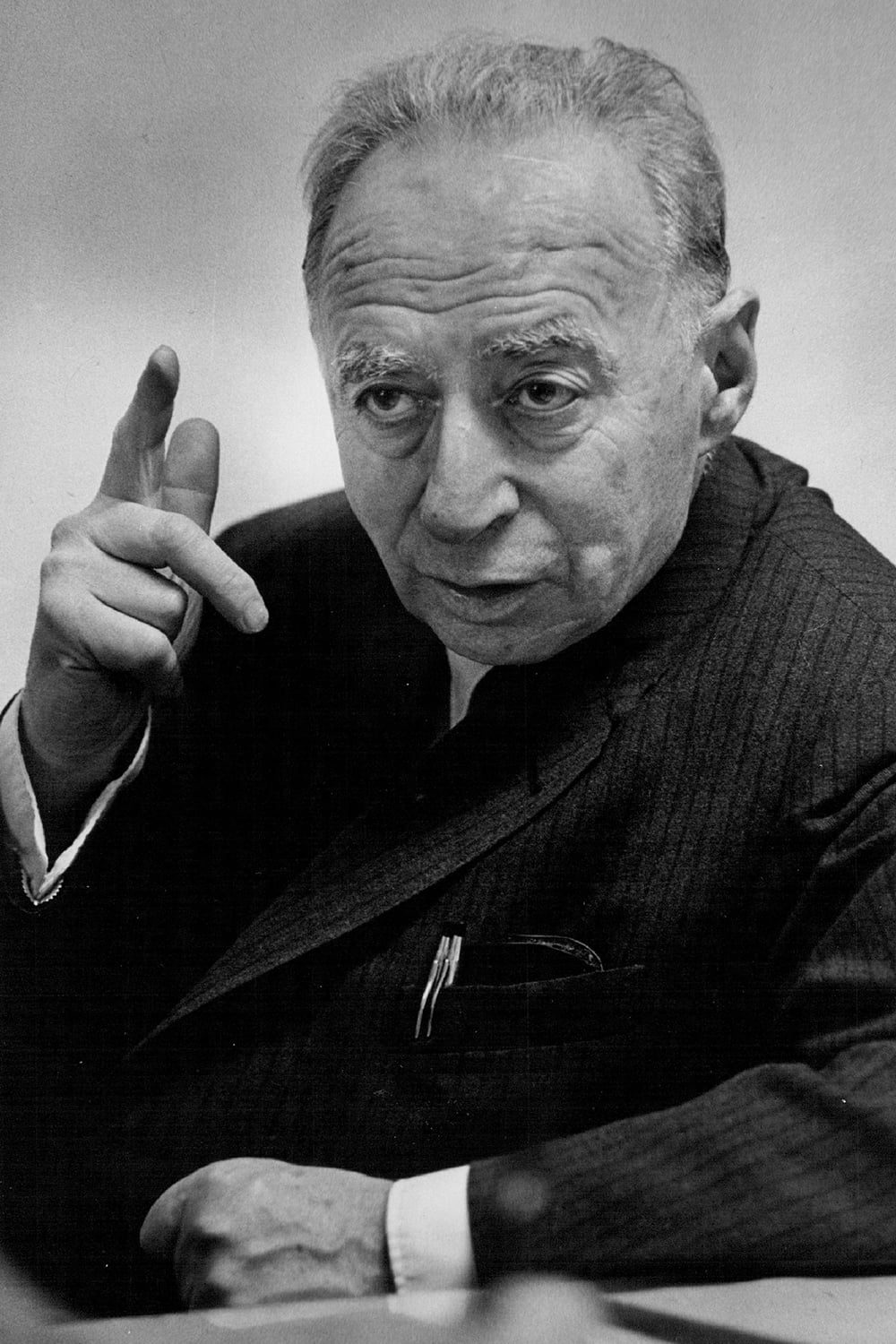
*A black-and-white portrait of an older man in a dark pinstripe suit gesturing with his right hand while speaking.*
Hans Morgenthau on April 2, 1969. Denver Post via Getty Images
Review
Realism Was Forged in Trauma
A new biography explores the intimate origins of Hans Morgenthau’s hard-boiled worldview.
November 13, 2026, 3:00 PM
Hans Morgenthau on April 2, 1969. Denver Post via Getty Images
My FP: Follow topics and authors to get straight to what you like. Exclusively for FP subscribers. Subscribe Now | Log In
By **Jon Skolnik**, an editor at MIT Press.
Some of the most enduring theories of power were born in its absence. Thucydides, exiled from Amphipolis for failing to ward off the Spartans, surmised that “the strong do what they can and the weak suffer what they must.” Thomas Hobbes, forced to flee an England consumed by civil bloodshed amid an ailing monarchy, argued that only absolute authority can tame humanity’s primal “state of nature.” Machiavelli, tortured and driven from political life by the Medicis, opined that successful rulers must sometimes be ruthless. Circumstances vary, but when the right observer falls into the pits of powerlessness, they can see in human nature what others cannot.
This is a motif that features heavily in David M. Sacks’ *The Realist: Hans Morgenthau and the Purpose of American Power*, a meticulously researched biography of the man who made international relations theory a field in its own right—by putting power at its theoretical core.
Some of the most enduring theories of power were born in its absence. Thucydides, exiled from Amphipolis for failing to ward off the Spartans, surmised that “the strong do what they can and the weak suffer what they must.” Thomas Hobbes, forced to flee an England consumed by civil bloodshed amid an ailing monarchy, argued that only absolute authority can tame humanity’s primal “state of nature.” Machiavelli, tortured and driven from political life by the Medicis, opined that successful rulers must sometimes be ruthless. Circumstances vary, but when the right observer falls into the pits of powerlessness, they can see in human nature what others cannot.
*A book cover featuring a black-and-white photo of an older man resting his chin on his hand, overlaid with yellow text reading, "The Realist: Hans Morgenthau and the Purpose of American Power" by "David M. Sacks."*
***The Realist: Hans Morgenthau and the Purpose of American Power***, David M. Sacks, Henry Holt & Co., 528 pp., $36.99, November 2026
This is a motif that features heavily in David M. Sacks’ *The Realist: Hans Morgenthau and the Purpose of American Power*, a meticulously researched biography of the man who made international relations theory a field in its own right—by putting power at its theoretical core.
*The Realist* starts with a cold open: summer 1922 in Coburg, Germany, on a day Morgenthau would later describe as the worst of his life. A high school junior ranked second in his class, Morgenthau was slated to address his peers as part of a celebratory academic tradition. “But what should have been a triumph quickly turned to humiliation,” writes Sacks. The townspeople turned their backs, spat on Morgenthau, and barraged him with antisemitic vitriol for having the gall to participate in a “Christian Day” ceremony. All because, in their eyes, he was no more than a “stinking Jew.”
While that day would leave an indelible scar on Morgenthau, it wasn’t his true awakening. Later that year, he would attend one of Hitler’s gatherings in Munich to witness with his own eyes the antisemitic tide said to be sweeping across all of Germany. It was “one of the most profound experiences of my life,” Morgenthau recalled. Soon after, the same scene played out in his own backyard: In defiance of local law, the *führer* sallied into Coburg with 800 stormtroopers and delivered two fiery philippics, whipping up a public paroxysm of threats, assaults, and mass street brawls, with tacit support from town police.
In just two days’ time, Morgenthau’s sleepy, parochial hometown became one of the Nazis’ earliest political proving grounds. From this, Morgenthau “drew a clear lesson,” writes Sacks. “He, and other powerless individuals, could not rely on the law or abstract ideals for protection.”
*A colorized vintage group photograph of men in hats and suits wearing swastika armbands, posed in front of a large red-and-white swastika flag against a light blue sky.*
Nazis in Coburg, Germany, in 1922. Universal History Archive/Universal Images Group via Getty Images
In one sense, *The Realist* is, as its title suggests, a study on an -ism—the school of thought that every international relations major must acquaint themselves with during their baptismal power-
Realism Was Forged in Trauma
David M. Sacks' new biography, The Realist, traces the personal roots of Hans Morgenthau's hard-edged view of the world. It shows how Morgenthau's early experiences under the rising Nazi movement helped shape the realist theory of international relations.
Cross Lines newsroom
Share this article
#الواقعية السياسية#هانز مورغنثاو#العلاقات الدولية#ألمانيا النازية#نظرية السلطة#ديفيد إم. ساكس
Original source: Foreign Policy