What Machiavelli Would Say About Trump
Foreign Policy

Foreign Policy
Original Source
Scholar Stephen Walt argues that President Donald Trump embodies the complete opposite of what Machiavelli prescribed for a successful prince, having lost the ability to inspire fear through his erratic conduct while becoming both hated and despised. Walt systematically shows how Trump has violated every cardinal rule Machiavelli outlined in "The Prince" for maintaining power.
What Machiavelli Would Say About Trump
!Foreign Policy
Foreign Policy Get analysis and alerts more quickly in the mobile app.
Install
Back to Foreign Policy Magazine home page
* Latest
* Regions
+ Asia & the Pacific
+ China
+ Middle East & Africa
+ Americas
+ Europe
* Newsletters
Editors’ Picks
Evening roundup with our editors’ favorite stories of the day
!World Brief Icon
World Brief
Your guide to the most important world stories of the day
!China Brief Icon
China Brief
The latest news, analysis, and data from the country each week
Situation Report
Weekly update on what’s driving U.S. national security policy
FP Weekend
A curation of our best book reviews, deep dives, and other reads
!Africa Brief Icon
Africa Brief
Essential analysis of the stories shaping geopolitics on the continent
!South Asia Brief Icon
South Asia Brief
Weekly update on developments in India and its neighbors
The Reading List
Curated guides on geopolitics and current affairs
FP Bookshelf
A monthly guide to FP’s book reviews, excerpts, and reading recommendations
!Latin America Brief Icon
Latin America Brief
One-stop digest of politics, economics, and culture
!Southeast Asia Brief Icon
Southeast Asia Brief
A weekly dispatch with news from the region’s 11 countries
The New Geopolitics
A five-part masterclass in IR theory with Harvard Professor Stephen M. Walt
View All Newsletters
* FP Live
* Latest
* Trending:
* Trump-Xi meeting
* United Nations General Assembly
Search this website
* Preferences
* My FP Feed
* Saved Articles
* Newsletters
* Magazine Archive
* Subscription Settings
* FAQs
* Log Out
Sign In
Sign In
Partner with FP at UNGA81 Partner with FP at UNGA81
Subscribe Subscribe Partner with FP at UNGA81 Partner with FP at UNGA81
Argument: What Machiavelli Would Say About Trump
*
*
* Facebook
* Bluesky
* X
* LinkedIn
* WhatsApp
* Reddit
Save
1. Create an FP account to save articles to read later.
Sign Up
ALREADY AN FP SUBSCRIBER? LOGIN
PDF
1. **Downloadable PDFs** are a benefit of an FP subscription.
Subscribe Now
ALREADY AN FP SUBSCRIBER? LOGIN
Gift
*
*
* WhatsApp
1. Gifting articles is a subscriber benefit.
Subscribe Now
ALREADY AN FP SUBSCRIBER? LOGIN
2. This article is an Insider exclusive.
Contact us at [email protected] to learn about upgrade options, unlocking the ability to gift this article.
Argument
An expert’s point of view on a current event.
What Machiavelli Would Say About Trump
The U.S. president offers a guide on how to be a very bad prince.
!Walt-Steve-foreign-policy-columnist20
*Walt-Steve-foreign-policy-columnist20*
*Stephen M. Walt*
By **Stephen M. Walt**, a columnist at *Foreign Policy* and the Robert and Renée Belfer professor of international relations at Harvard University.
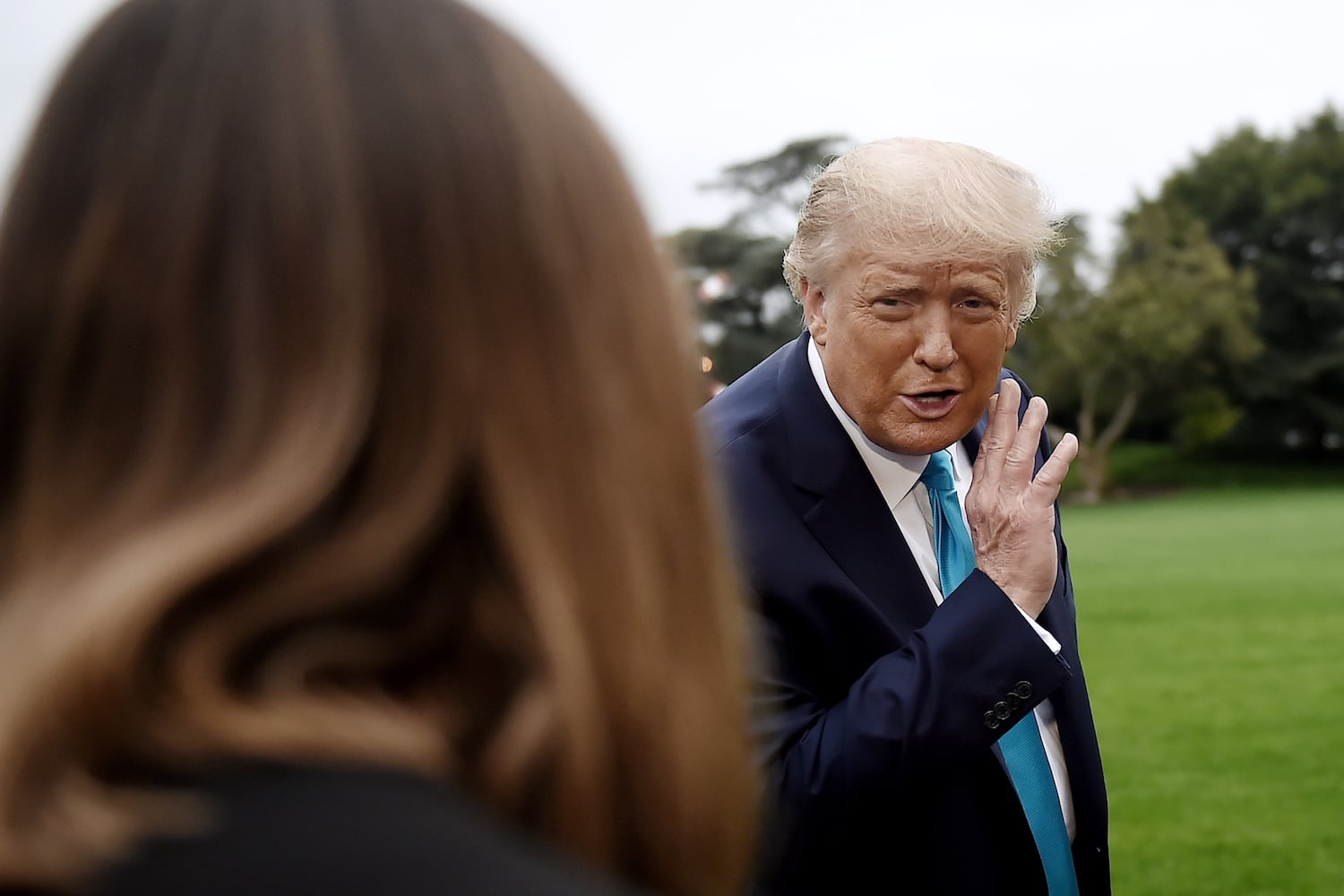
!US President Donald Trump whispers to a White House staffer as he makes his way to board Marine One from the South Lawn of the White House in Washington, DC on September 26, 2020.
*US President Donald Trump whispers to a White House staffer as he makes his way to board Marine One from the South Lawn of the White House in Washington, DC on September 26, 2020.*
US President Donald Trump whispers to a White House staffer as he makes his way to board Marine One from the South Lawn of the White House in Washington, DC on September 26, 2020. OLIVIER DOULIERY/AFP via Getty Images
*
*
September 23, 2026, 4:49 AM
Paul Krugman put up a nice post on his Substack last week, pointing out how other countries are rapidly losing their fear of U.S. President Donald Trump and starting to join forces and push back against his erratic and predatory approach to foreign policy. He’s right, but what caught my eye was when Krugman cited Niccolo Machiavelli’s dictum that to be a successful prince, “it is better to be feared than loved.” Ideally, a prince should seek to be both, but Machiavelli observes that this feat is hard to pull off. If one must choose, therefore, being feared is preferable because men are fickle and their affections are unreliable. Fear, however, is maintained “by a dread of punishment that never fails.”
As Krugman notes, Trump’s ability to threaten and intimidate others has been undermined by his own blunders (such as the war with Iran) and the general incompetence and inconstancy of his regime. I mean: What’s the point of negotiating with Trump or reaching an agreement when he might change his mind and tear it up a few months later?
Paul Krugman put up a nice post on his Substack last week, pointing out how other countries are rapidly losing their fear of U.S. President Donald Trump and starting to join forces and push back against his erratic and predatory approach to foreign policy. He’s right, but what caught my eye was when Krugman cited Niccolo Machiavelli’s dictum that to be a successful prince, “it is better to be feared than loved.” Ideally, a prince should seek to be both, but Machiavelli observes that this feat is hard to pull off. If one must choose, therefore, being feared is preferable because men are fickle and their affections are unreliable. Fear, however, is maintained “by a dread of punishment that never fails.”
As Krugman notes, Trump’s ability to threaten and intimidate others has been undermined by his own blunders (such as the war with Iran) and the general incompetence and inconstancy of his regime. I mean: What’s the point of negotiating with Trump or reaching an agreement when he might change his mind and tear it up a few months later?
And this is far from the only way in which Trump is acting contrary to Machiavelli’s advice. In fact, if you read key sections of *The Prince* carefully (as the students in my realism class did a few weeks ago), it’s clear that Trump is in many ways the poster child for How to Be a Very Bad Prince.
For starters, after arguing that it is better to be feared than loved, Machiavelli points out that there is something even worse: You could end up *hated* or *despised*. To avoid the former, he cautions the prince not to go after his subjects’ property or their women. Trump has certainly violated the former rule, having enriched himself at public expense and undermined the well-being of many Americans through his misguided economic policies. Moreover, his own sordid personal life and close association with Jeffrey Epstein betray a highly predatory attitude toward women, which may make him popular with misogynists such as the Tate brothers but has also contributed to the deep hatred felt by a sizable number of Americans.
What about being despised? Machiavelli warns that a prince is “rendered despicable by being thought changeable, frivolous, effeminate, timid, and irresolute.” Nobody would call Trump “effeminate,” but the other adjectives apply in spades. For all his macho bluster, Trump’s vacillations and inconstancy are now well-established, and leaders made of sterner stuff (e.g., Chinese President Xi Jinping) have figured this out and taken advantage of it. Corporate leaders, university presidents, and law firms that bent the knee to Trump early in his second term look both craven and foolish, while those who stood up to him now seem both courageous and farsighted. Not only is Trump no longer feared as much as he once was, but he’s also well down the road to being both hated and despised.
Machiavelli also argued that a prince should not be overly “liberal” (meaning generous) and “must care little for the reputation of being a miser.” This advice might sound counterintuitive—why would being a cheapskate help a prince retain power?—but if you read Chapter 16 of *The Prince* carefully, his central message is that a wise prince should manage his finances prudently and not try to buy his subjects’ loyalty by being profligate. If he does the latter, he will soon e
!Foreign Policy
Foreign Policy Get analysis and alerts more quickly in the mobile app.
Install
Back to Foreign Policy Magazine home page
* Latest
* Regions
+ Asia & the Pacific
+ China
+ Middle East & Africa
+ Americas
+ Europe
* Newsletters
Editors’ Picks
Evening roundup with our editors’ favorite stories of the day
!World Brief Icon
World Brief
Your guide to the most important world stories of the day
!China Brief Icon
China Brief
The latest news, analysis, and data from the country each week
Situation Report
Weekly update on what’s driving U.S. national security policy
FP Weekend
A curation of our best book reviews, deep dives, and other reads
!Africa Brief Icon
Africa Brief
Essential analysis of the stories shaping geopolitics on the continent
!South Asia Brief Icon
South Asia Brief
Weekly update on developments in India and its neighbors
The Reading List
Curated guides on geopolitics and current affairs
FP Bookshelf
A monthly guide to FP’s book reviews, excerpts, and reading recommendations
!Latin America Brief Icon
Latin America Brief
One-stop digest of politics, economics, and culture
!Southeast Asia Brief Icon
Southeast Asia Brief
A weekly dispatch with news from the region’s 11 countries
The New Geopolitics
A five-part masterclass in IR theory with Harvard Professor Stephen M. Walt
View All Newsletters
* FP Live
* Latest
* Trending:
* Trump-Xi meeting
* United Nations General Assembly
Search this website
* Preferences
* My FP Feed
* Saved Articles
* Newsletters
* Magazine Archive
* Subscription Settings
* FAQs
* Log Out
Sign In
Sign In
Partner with FP at UNGA81 Partner with FP at UNGA81
Subscribe Subscribe Partner with FP at UNGA81 Partner with FP at UNGA81
Argument: What Machiavelli Would Say About Trump
*
*
* Bluesky
* X
Save
1. Create an FP account to save articles to read later.
Sign Up
ALREADY AN FP SUBSCRIBER? LOGIN
1. **Downloadable PDFs** are a benefit of an FP subscription.
Subscribe Now
ALREADY AN FP SUBSCRIBER? LOGIN
Gift
*
*
1. Gifting articles is a subscriber benefit.
Subscribe Now
ALREADY AN FP SUBSCRIBER? LOGIN
2. This article is an Insider exclusive.
Contact us at [email protected] to learn about upgrade options, unlocking the ability to gift this article.
Argument
An expert’s point of view on a current event.
What Machiavelli Would Say About Trump
The U.S. president offers a guide on how to be a very bad prince.
!Walt-Steve-foreign-policy-columnist20
*Walt-Steve-foreign-policy-columnist20*
*Stephen M. Walt*
By **Stephen M. Walt**, a columnist at *Foreign Policy* and the Robert and Renée Belfer professor of international relations at Harvard University.
!US President Donald Trump whispers to a White House staffer as he makes his way to board Marine One from the South Lawn of the White House in Washington, DC on September 26, 2020.
*US President Donald Trump whispers to a White House staffer as he makes his way to board Marine One from the South Lawn of the White House in Washington, DC on September 26, 2020.*
US President Donald Trump whispers to a White House staffer as he makes his way to board Marine One from the South Lawn of the White House in Washington, DC on September 26, 2020. OLIVIER DOULIERY/AFP via Getty Images
*
*
September 23, 2026, 4:49 AM
Paul Krugman put up a nice post on his Substack last week, pointing out how other countries are rapidly losing their fear of U.S. President Donald Trump and starting to join forces and push back against his erratic and predatory approach to foreign policy. He’s right, but what caught my eye was when Krugman cited Niccolo Machiavelli’s dictum that to be a successful prince, “it is better to be feared than loved.” Ideally, a prince should seek to be both, but Machiavelli observes that this feat is hard to pull off. If one must choose, therefore, being feared is preferable because men are fickle and their affections are unreliable. Fear, however, is maintained “by a dread of punishment that never fails.”
As Krugman notes, Trump’s ability to threaten and intimidate others has been undermined by his own blunders (such as the war with Iran) and the general incompetence and inconstancy of his regime. I mean: What’s the point of negotiating with Trump or reaching an agreement when he might change his mind and tear it up a few months later?
Paul Krugman put up a nice post on his Substack last week, pointing out how other countries are rapidly losing their fear of U.S. President Donald Trump and starting to join forces and push back against his erratic and predatory approach to foreign policy. He’s right, but what caught my eye was when Krugman cited Niccolo Machiavelli’s dictum that to be a successful prince, “it is better to be feared than loved.” Ideally, a prince should seek to be both, but Machiavelli observes that this feat is hard to pull off. If one must choose, therefore, being feared is preferable because men are fickle and their affections are unreliable. Fear, however, is maintained “by a dread of punishment that never fails.”
As Krugman notes, Trump’s ability to threaten and intimidate others has been undermined by his own blunders (such as the war with Iran) and the general incompetence and inconstancy of his regime. I mean: What’s the point of negotiating with Trump or reaching an agreement when he might change his mind and tear it up a few months later?
And this is far from the only way in which Trump is acting contrary to Machiavelli’s advice. In fact, if you read key sections of *The Prince* carefully (as the students in my realism class did a few weeks ago), it’s clear that Trump is in many ways the poster child for How to Be a Very Bad Prince.
For starters, after arguing that it is better to be feared than loved, Machiavelli points out that there is something even worse: You could end up *hated* or *despised*. To avoid the former, he cautions the prince not to go after his subjects’ property or their women. Trump has certainly violated the former rule, having enriched himself at public expense and undermined the well-being of many Americans through his misguided economic policies. Moreover, his own sordid personal life and close association with Jeffrey Epstein betray a highly predatory attitude toward women, which may make him popular with misogynists such as the Tate brothers but has also contributed to the deep hatred felt by a sizable number of Americans.
What about being despised? Machiavelli warns that a prince is “rendered despicable by being thought changeable, frivolous, effeminate, timid, and irresolute.” Nobody would call Trump “effeminate,” but the other adjectives apply in spades. For all his macho bluster, Trump’s vacillations and inconstancy are now well-established, and leaders made of sterner stuff (e.g., Chinese President Xi Jinping) have figured this out and taken advantage of it. Corporate leaders, university presidents, and law firms that bent the knee to Trump early in his second term look both craven and foolish, while those who stood up to him now seem both courageous and farsighted. Not only is Trump no longer feared as much as he once was, but he’s also well down the road to being both hated and despised.
Machiavelli also argued that a prince should not be overly “liberal” (meaning generous) and “must care little for the reputation of being a miser.” This advice might sound counterintuitive—why would being a cheapskate help a prince retain power?—but if you read Chapter 16 of *The Prince* carefully, his central message is that a wise prince should manage his finances prudently and not try to buy his subjects’ loyalty by being profligate. If he does the latter, he will soon e
🔗 Share Article
Tags:#ترامب#مكيافيللي#السياسة الأمريكية#العلاقات الدولية#القيادة#الواقعية السياسية
Source: Foreign Policy
For Context
Related reads from the same topic or latest developments