‘An English Summer Is Not the Same Anymore’
New York Times
N
New York Times
Original Source
Britain's Met Office warns of extreme heat as this summer is forecast to become one of the hottest on record. Once known for mild, rainy summers, the country now faces scorching temperatures and drought conditions that have fundamentally transformed the season.
‘An English Summer Is Not the Same Anymore’ - The New York Times
Skip to contentSkip to site index
Europe
Log in
Thursday, August 13, 2026
Today’s Paper
* Home
* + U.S.
+ International
+ Canada
+ Español
+ 中文
Extreme Heat
* U.S. Tracker
* Europe Tracker
* How Much Hotter Is It?
* How to Stay Cool
* What Is the Heat Index?
* Heat Dome Summer
Advertisement
SKIP ADVERTISEMENT
Supported by
SKIP ADVERTISEMENT
Whatever Happened to English Summers? Scorched Britons Would Like to Know.
With forecasters issuing a warning for very high temperatures, this summer is on track to be one of the hottest yet.
Listen · 4:14 min
*
*
*
*
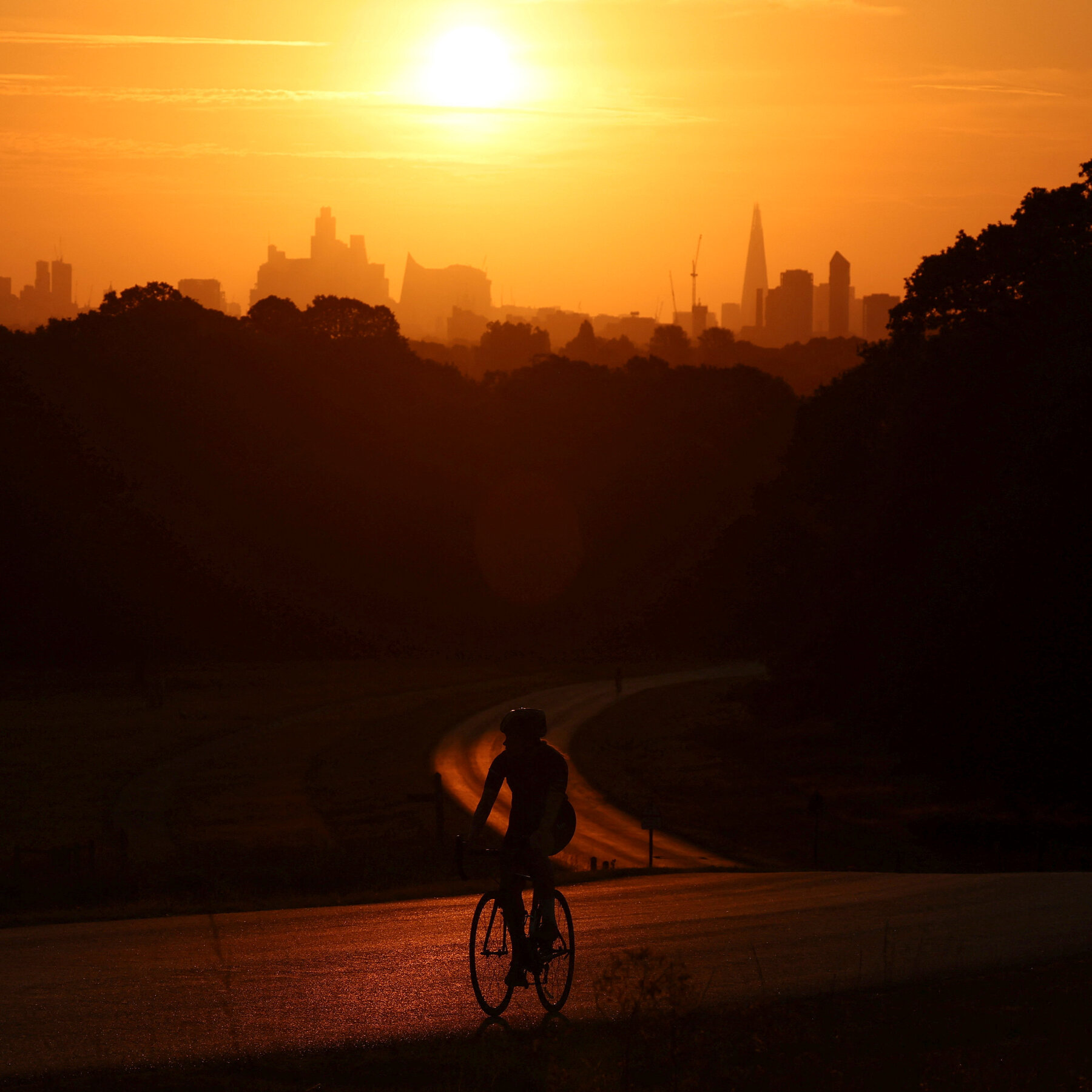
!Silhouetted against an orange sky, a person cycles on a roadway. Dark trees and a city skyline are visible in the background.
*Sunrise in London on an amber warning day last week. More extreme heat is forecast.
Credit...
Toby Melville/Reuters*
By
Lynsey Chutel
Reporting from a hot and dry London
Aug. 13, 2026
Updated 5:32 a.m. ET
See more of our coverage in your search results. Encuentra más de nuestra cobertura en los resultados de búsqueda. Add The New York Times on Google Agrega The New York Times en Google
As Britons swelter under yet another heat wave, forecasters are warning that a brutal summer is on course to become the hottest yet.
The Met Office, Britain’s weather agency, issued an amber warning — the second highest level — for Thursday in large parts of southeast England.
The extreme heat has remade summer for a country where many once escaped abroad to feel the blazing sun on their skins.
“An English summer is not the same anymore,” said Jacqui Browne, 67, as she sat on the brown grass of a London park.
On Thursday, temperatures in London are expected to reach 37 degrees Celsius (98.6 degrees Fahrenheit), according to a forecast by the Met Office.
There was a time when British summers were more temperate and marked by rain, but drought conditions have left large parts of the country parched.
Lynsey Chutel
is a Times reporter based in London who covers breaking news in Africa, the Middle East and Europe.
*
*
*
*
Related Content
*
*
*
*
*
*
*
*
*
*
*
*
*
*
*
*
*
*
*
Advertisement
SKIP ADVERTISEMENT
Site Index
Site Information Navigation
* ©2026 The New York Times Company
* NYTCo
* Contact Us
* Accessibility
* Work with us
* Advertise
* T Brand Studio
* Privacy Policy
* Cookie Policy
* Terms of Service
* Terms of Sale
* Site Map
* Canada
* International
* Help
* Subscriptions
*
Skip to contentSkip to site index
Europe
Log in
Thursday, August 13, 2026
Today’s Paper
* Home
* + U.S.
+ International
+ Canada
+ Español
+ 中文
Extreme Heat
* U.S. Tracker
* Europe Tracker
* How Much Hotter Is It?
* How to Stay Cool
* What Is the Heat Index?
* Heat Dome Summer
Advertisement
SKIP ADVERTISEMENT
Supported by
SKIP ADVERTISEMENT
Whatever Happened to English Summers? Scorched Britons Would Like to Know.
With forecasters issuing a warning for very high temperatures, this summer is on track to be one of the hottest yet.
Listen · 4:14 min
*
*
*
*
!Silhouetted against an orange sky, a person cycles on a roadway. Dark trees and a city skyline are visible in the background.
*Sunrise in London on an amber warning day last week. More extreme heat is forecast.
Credit...
Toby Melville/Reuters*
By
Lynsey Chutel
Reporting from a hot and dry London
Aug. 13, 2026
Updated 5:32 a.m. ET
See more of our coverage in your search results. Encuentra más de nuestra cobertura en los resultados de búsqueda. Add The New York Times on Google Agrega The New York Times en Google
As Britons swelter under yet another heat wave, forecasters are warning that a brutal summer is on course to become the hottest yet.
The Met Office, Britain’s weather agency, issued an amber warning — the second highest level — for Thursday in large parts of southeast England.
The extreme heat has remade summer for a country where many once escaped abroad to feel the blazing sun on their skins.
“An English summer is not the same anymore,” said Jacqui Browne, 67, as she sat on the brown grass of a London park.
On Thursday, temperatures in London are expected to reach 37 degrees Celsius (98.6 degrees Fahrenheit), according to a forecast by the Met Office.
There was a time when British summers were more temperate and marked by rain, but drought conditions have left large parts of the country parched.
Lynsey Chutel
is a Times reporter based in London who covers breaking news in Africa, the Middle East and Europe.
*
*
*
*
Related Content
*
*
*
*
*
*
*
*
*
*
*
*
*
*
*
*
*
*
*
Advertisement
SKIP ADVERTISEMENT
Site Index
Site Information Navigation
* ©2026 The New York Times Company
* NYTCo
* Contact Us
* Accessibility
* Work with us
* Advertise
* T Brand Studio
* Privacy Policy
* Cookie Policy
* Terms of Service
* Terms of Sale
* Site Map
* Canada
* International
* Help
* Subscriptions
*
🔗 Share Article
Tags:#بريطانيا#تغير مناخي#موجة حر#الطقس#أوروبا#البيئة
Source: New York Times
For Context
Related reads from the same topic or latest developments


