Israeli Operation in Gaza Kills 4, Palestinian Officials Say
New York Times
N
New York Times
Original Source
Israel's defense minister said Tuesday that Israel captured a senior Hamas figure in an operation that Palestinian officials said killed at least four people in Gaza and wounded several others. Hamas claimed Israel sent covert operatives into Gaza City, leading to clashes that resulted in a heavy Israeli bombardment of the area.
Israeli Operation in Gaza Kills 4, Palestinian Officials Say - The New York Times
Skip to contentSkip to site index
Middle East
Tuesday, September 1, 2026
Today’s Paper
* Home
* + U.S.
+ International
+ Canada
+ Español
+ 中文
Israel-Hamas
Cease-Fire
* Trump’s Gaza Plan
* Trump Official Criticizes Israel
* Palestinian Teen Killed
* Hind Rajab Investigation
* West Bank Economy
Advertisement
SKIP ADVERTISEMENT
Supported by
SKIP ADVERTISEMENT
Israeli Operation in Gaza Kills 4, Palestinian Officials Say
Israel’s defense minister said the operation resulted in the capture of a senior Hamas member. Hamas said Israel sent covert operatives into Gaza City.
Listen · 3:34 min
*
*
*
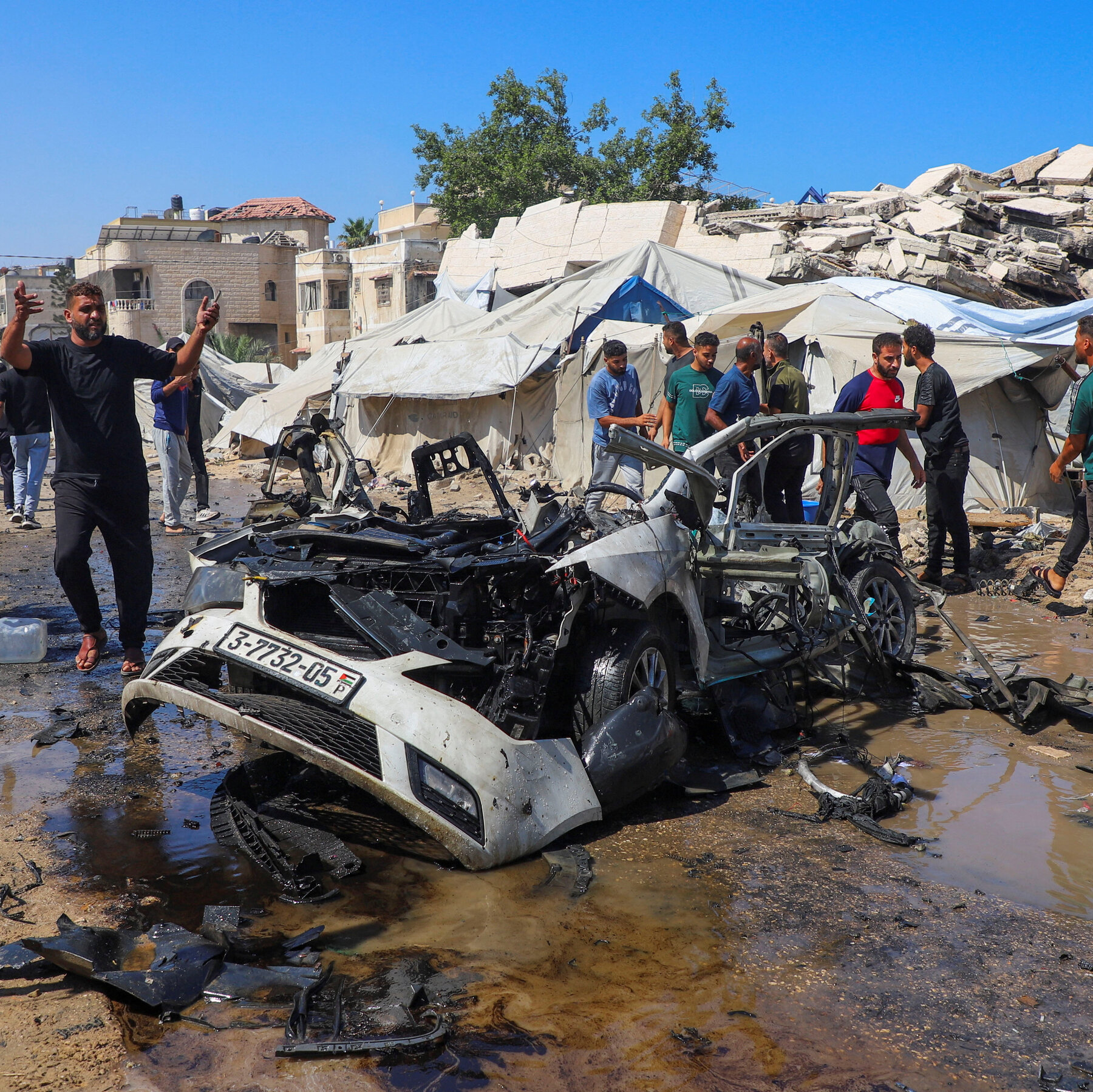
!A mangled car in muddy war. A man gestures as a group survey the wreckage. Behind them are tents with debris.
*The site of an Israeli strike in Gaza City on Tuesday.
Credit...
Ebrahim Hajjaj/Reuters*
By
Aaron Boxerman and Abu Bakr Bashir
Sept. 1, 2026
Updated 11:06 a.m. ET
See more of our coverage in your search results. Encuentra más de nuestra cobertura en los resultados de búsqueda. Add The New York Times on Google Agrega The New York Times en Google
The Israeli defense minister said Tuesday that Israel had captured a senior Hamas figure in Gaza, in an operation that local officials said had killed at least four people in the enclave and wounded several others.
The minister, Israel Katz, described the operation in a statement but many of the details — including the identity of the detained Hamas member — remained unclear on Tuesday afternoon.
The Hamas-run government in Gaza said in a statement that Israel had sent covert operatives into Gaza City but that they were subsequently discovered, leading Israeli forces to bombard the area so as to enable their escape.
Israel’s military did not respond to questions about Hamas’s account of events. It said in a statement that it had “struck several targets” in Gaza in order to “remove threat to the security forces.”
Mohammad Abu Aisha, a Palestinian living in Gaza City, described in an interview hearing gunfire and seeing a car that had been struck. Mohammad Abu Salmiya, the director of nearby Al Shifa hospital, said casualties had been brought to his facility.
Ismail Thawabteh, a spokesman for the Hamas-run government, said it was not clear whether Israeli forces had carried out the raid themselves or had worked with members of Israeli-backed Palestinian militias inside Gaza. The Israeli military declined to comment further.
Over 10 months after the Trump administration helped broker a truce in Gaza, Israel has continued to bombard the enclave on a near-daily basis. Mediators had hoped the cease-fire would lead to an end to the two-year war between Israel and Hamas, but the situation resembles war more closely than peace.
According to health officials in Gaza, more than 1,300 people have been killed in Israeli attacks since the cease-fire, which secured the release of the last hostages held by Hamas since the October 2023 attack on Israel that started the war. The officials’ tally does not say how many were combatants.
As part of the cease-fire, the Israeli military withdrew to an agreed-upon line inside Gaza but still controls more than half of the territory. That Israeli-controlled area was devastated during the war and, while most Palestinian residents were displaced, many of those who remain are affiliated with a handful of Gazan militias opposed to Hamas and backed by Israel.
Most of Gaza’s two million Palestinian residents are otherwise crowded into a small area along the coast, where Hamas remains entrenched. Aid officials say that while food is now more readily available than during the war — when many Gazans faced extreme hunger — most people are still living in squalid tent camps or half-destroyed homes.
In late July, President Trump announced a deal with Hamas that would see the group give up its weapons, a key Israeli precondition for allowing large-scale reconstruction in Gaza. Benjamin Netanyahu, the Israeli prime minister, swiftly rejected the deal, saying it would not be effective in disarming Hamas.
Saher Alghorra contributed reporting.
Aaron Boxerman
is a Times reporter covering Israel and Gaza. He is based in Jerusalem.
*
*
*
Related Content
*
*
*
*
*
*
*
*
*
*
*
*
*
*
*
*
*
*
*
Advertisement
SKIP ADVERTISEMENT
Site Index
Site Information Navigation
* ©2026 The New York Times Company
* NYTCo
* Contact Us
* Accessibility
* Work with us
* Advertise
* T Brand Studio
* Privacy Policy
* Cookie Policy
* Terms of Service
* Terms of Sale
* Site Map
* Canada
* International
* Help
* Subscriptions
*
Skip to contentSkip to site index
Middle East
Tuesday, September 1, 2026
Today’s Paper
* Home
* + U.S.
+ International
+ Canada
+ Español
+ 中文
Israel-Hamas
Cease-Fire
* Trump’s Gaza Plan
* Trump Official Criticizes Israel
* Palestinian Teen Killed
* Hind Rajab Investigation
* West Bank Economy
Advertisement
SKIP ADVERTISEMENT
Supported by
SKIP ADVERTISEMENT
Israeli Operation in Gaza Kills 4, Palestinian Officials Say
Israel’s defense minister said the operation resulted in the capture of a senior Hamas member. Hamas said Israel sent covert operatives into Gaza City.
Listen · 3:34 min
*
*
*
!A mangled car in muddy war. A man gestures as a group survey the wreckage. Behind them are tents with debris.
*The site of an Israeli strike in Gaza City on Tuesday.
Credit...
Ebrahim Hajjaj/Reuters*
By
Aaron Boxerman and Abu Bakr Bashir
Sept. 1, 2026
Updated 11:06 a.m. ET
See more of our coverage in your search results. Encuentra más de nuestra cobertura en los resultados de búsqueda. Add The New York Times on Google Agrega The New York Times en Google
The Israeli defense minister said Tuesday that Israel had captured a senior Hamas figure in Gaza, in an operation that local officials said had killed at least four people in the enclave and wounded several others.
The minister, Israel Katz, described the operation in a statement but many of the details — including the identity of the detained Hamas member — remained unclear on Tuesday afternoon.
The Hamas-run government in Gaza said in a statement that Israel had sent covert operatives into Gaza City but that they were subsequently discovered, leading Israeli forces to bombard the area so as to enable their escape.
Israel’s military did not respond to questions about Hamas’s account of events. It said in a statement that it had “struck several targets” in Gaza in order to “remove threat to the security forces.”
Mohammad Abu Aisha, a Palestinian living in Gaza City, described in an interview hearing gunfire and seeing a car that had been struck. Mohammad Abu Salmiya, the director of nearby Al Shifa hospital, said casualties had been brought to his facility.
Ismail Thawabteh, a spokesman for the Hamas-run government, said it was not clear whether Israeli forces had carried out the raid themselves or had worked with members of Israeli-backed Palestinian militias inside Gaza. The Israeli military declined to comment further.
Over 10 months after the Trump administration helped broker a truce in Gaza, Israel has continued to bombard the enclave on a near-daily basis. Mediators had hoped the cease-fire would lead to an end to the two-year war between Israel and Hamas, but the situation resembles war more closely than peace.
According to health officials in Gaza, more than 1,300 people have been killed in Israeli attacks since the cease-fire, which secured the release of the last hostages held by Hamas since the October 2023 attack on Israel that started the war. The officials’ tally does not say how many were combatants.
As part of the cease-fire, the Israeli military withdrew to an agreed-upon line inside Gaza but still controls more than half of the territory. That Israeli-controlled area was devastated during the war and, while most Palestinian residents were displaced, many of those who remain are affiliated with a handful of Gazan militias opposed to Hamas and backed by Israel.
Most of Gaza’s two million Palestinian residents are otherwise crowded into a small area along the coast, where Hamas remains entrenched. Aid officials say that while food is now more readily available than during the war — when many Gazans faced extreme hunger — most people are still living in squalid tent camps or half-destroyed homes.
In late July, President Trump announced a deal with Hamas that would see the group give up its weapons, a key Israeli precondition for allowing large-scale reconstruction in Gaza. Benjamin Netanyahu, the Israeli prime minister, swiftly rejected the deal, saying it would not be effective in disarming Hamas.
Saher Alghorra contributed reporting.
Aaron Boxerman
is a Times reporter covering Israel and Gaza. He is based in Jerusalem.
*
*
*
Related Content
*
*
*
*
*
*
*
*
*
*
*
*
*
*
*
*
*
*
*
Advertisement
SKIP ADVERTISEMENT
Site Index
Site Information Navigation
* ©2026 The New York Times Company
* NYTCo
* Contact Us
* Accessibility
* Work with us
* Advertise
* T Brand Studio
* Privacy Policy
* Cookie Policy
* Terms of Service
* Terms of Sale
* Site Map
* Canada
* International
* Help
* Subscriptions
*
🔗 Share Article
Tags:#إسرائيل#غزة#حماس#عملية عسكرية#الصراع الإسرائيلي الفلسطيني
Source: New York Times
For Context
Related reads from the same topic or latest developments


