The U.S. Economy: A Study of Its Current Reality Dr. Bilal Al-Khalifa The U.S. economy is one of the largest economies in the world, with gross national product reaching approximately $29.3 trillion.
The U.S. economy is one of the largest economies in the world, with gross national product reaching approximately $29.3 trillion. Its annual federal budget amounts to around $7 trillion, while public revenues reach approximately $5.3 trillion, resulting in a deficit of about $1.7 trillion.
Most of these revenues come from taxes, with income tax accounting for approximately 50% of total public revenues, while taxes imposed on corporations sometimes reach around 10%.
Global political and economic conditions are often transformed by wars, with conflicts marking the end of one era and the beginning of another. There are many historical examples of this.
Before World War II, the British pound sterling was the dominant international currency, while Britain was considered “Great Britain,” an empire upon which the sun never set. This continued until World War II brought an end to that era and ushered in a new one. Britain emerged from the war heavily burdened by debt, while a new country with a large economy and considerable power rose to prominence: the United States.
Britain attempted to preserve its leading position by maintaining the status of its currency, but those efforts ultimately failed. During British-German negotiations concerning the amount of reparations Germany was required to pay Britain, Britain reportedly offered to waive some debts provided that Germany continued using the pound sterling in its foreign transactions.
Britain also attempted to prevent other currencies from surpassing the pound. Nevertheless, the balance eventually shifted in favor of the Americans. International currencies were linked to the U.S. dollar, while the dollar itself was directly linked to gold at a fixed rate of $35 per ounce.
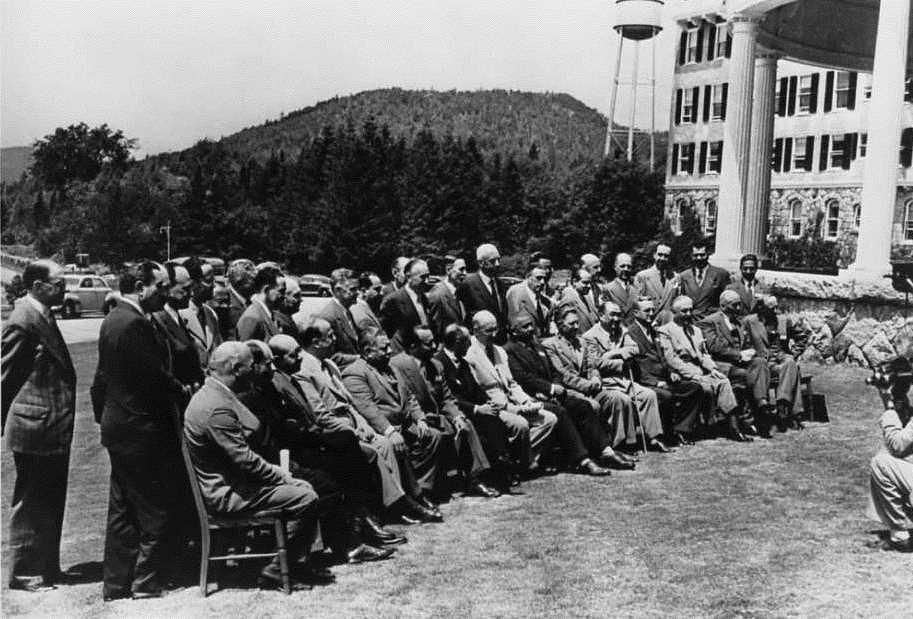
This arrangement emerged from the Bretton Woods Agreement of 1944, which established a new global financial system. Although the agreement greatly benefited the dollar, the Americans eventually came to regard the dollar's link to gold as a restriction.
Bretton Woods Agreement of 1944
Under this system, countries around the world could exchange dollars for gold. However, the United States did not fully adhere to this arrangement, as it printed currency beyond the amount backed by its gold reserves.
As the international community became increasingly aware of this situation, governments began demanding that their dollar reserves be exchanged for gold. This placed considerable pressure on the United States, particularly during the Vietnam War.
As previously noted, wars often bring an old era to an end and create a new one. At the time, the U.S. economy was facing a serious crisis as a result of the enormous costs of the war and Washington's desire to issue dollars without sufficient gold backing. This ultimately led to what became known as the Nixon Shock.
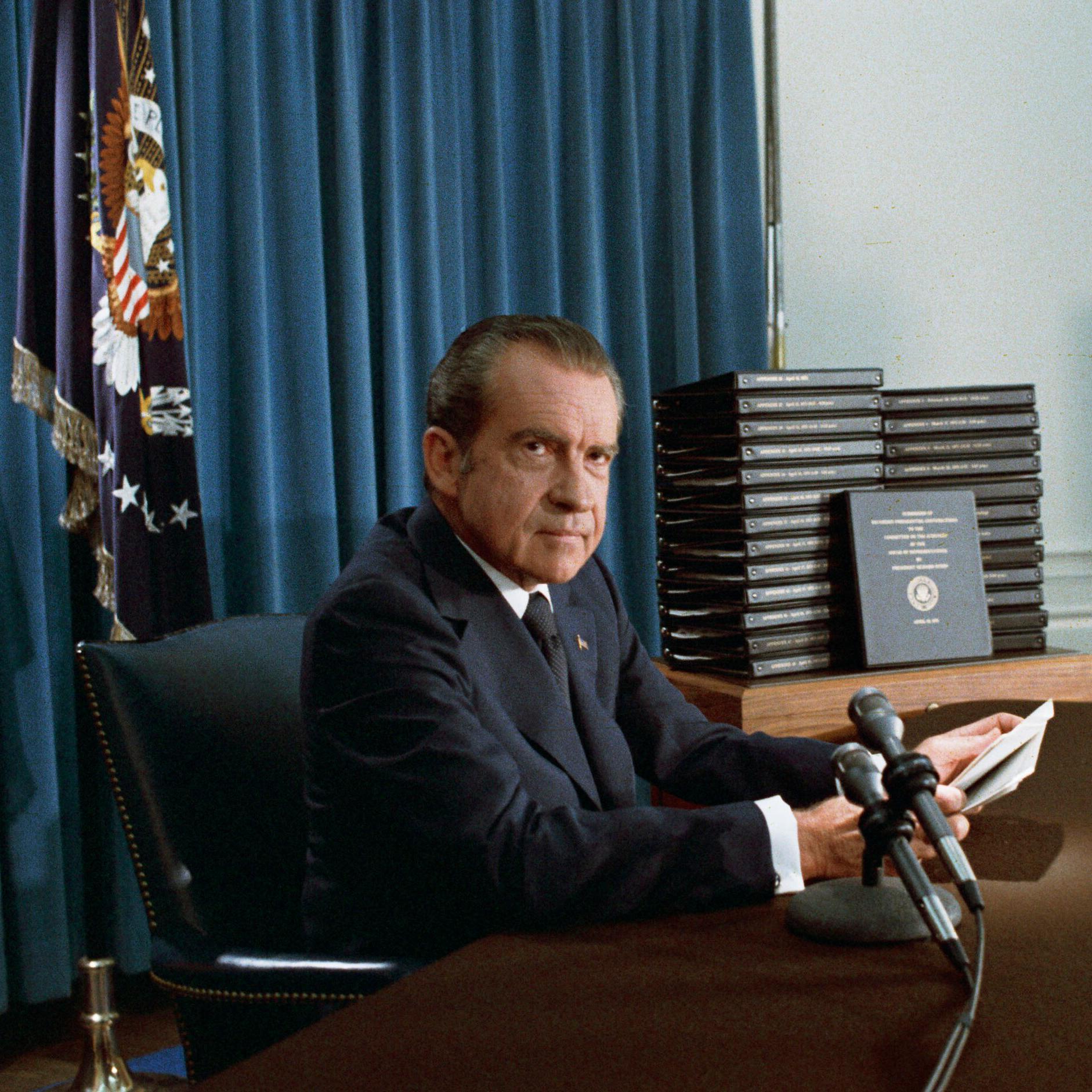
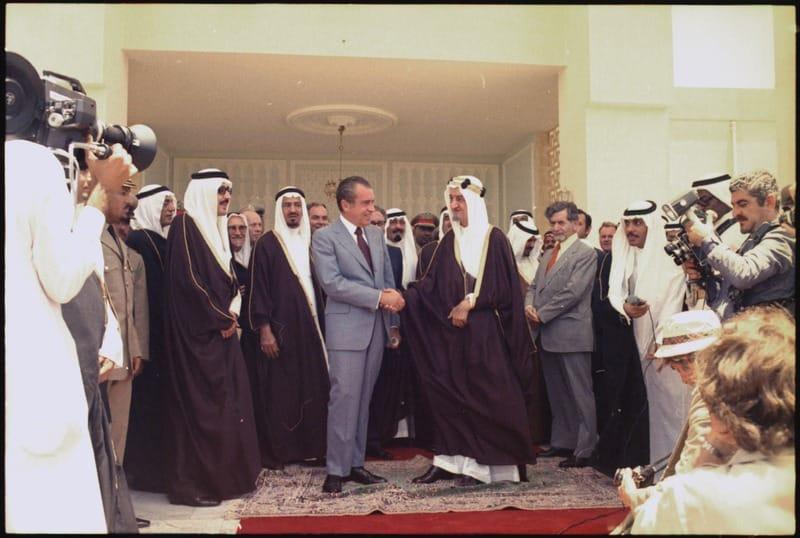
Richard Nixon
In 1971, U.S. President Richard Nixon unilaterally suspended the convertibility of the dollar into gold because of mounting economic pressures and inflation. This effectively ended the Bretton Woods system and moved the international economy toward the system of floating exchange rates that remains in place today.
However, this step posed serious risks to the U.S. economy and to international confidence in the dollar, whose value subsequently declined significantly.
The consequences included:
1. Decline and collapse of the official value
The suspension of the dollar's convertibility into gold at a fixed price of $35 per ounce, together with the end of other currencies' fixed relationship with the dollar, resulted in a significant decline in the dollar's value when measured against gold and major currencies such as the German mark and the Japanese yen.
2. Transition to a floating exchange-rate system
The dollar lost the stable value previously supported by gold, and its exchange rate began to be determined by supply and demand in international financial markets. This resulted in substantial volatility and a broader decline in the value of the dollar throughout the 1970s.
3. Rising inflation
The loss of the dollar's gold backing, combined with the printing of additional currency, contributed to a major inflationary wave in the United States and around the world, weakening the purchasing power of the dollar both domestically and internationally.
How Did the Dollar Later Restore Its Dominance?
First, despite the sharp decline in the dollar's value during the early 1970s, Washington managed to restore its strength and influence through what became known as the petrodollar system in the mid-1970s, particularly around 1974.
Under arrangements with oil-producing states — most importantly Saudi Arabia — oil was priced and sold primarily in U.S. dollars.
This development made countries around the world dependent on the dollar in order to purchase energy, creating continuous and stable global demand for the U.S. currency even after its gold backing had disappeared.
It also encouraged countries around the world to maintain large dollar reserves in order to purchase essential energy supplies, creating persistent international demand for the currency.
The United States did not rely on this arrangement alone. It also exercised geopolitical influence, economic dominance, and the world's strongest military power — elements that are sometimes described in economic literature as part of the American financial weapon.
Second, in order to strengthen American control over the globalization of the dollar, the United States took another step to consolidate its influence over the global economy by developing and dominating international financial transfer mechanisms.
The United States exercises considerable influence over the international financial architecture, including the SWIFT financial messaging system, in addition to the dollar-clearing infrastructure represented by CHIPS.
Third, the United States has also used sanctions against governments that reject American demands or refuse to comply with U.S. policies.
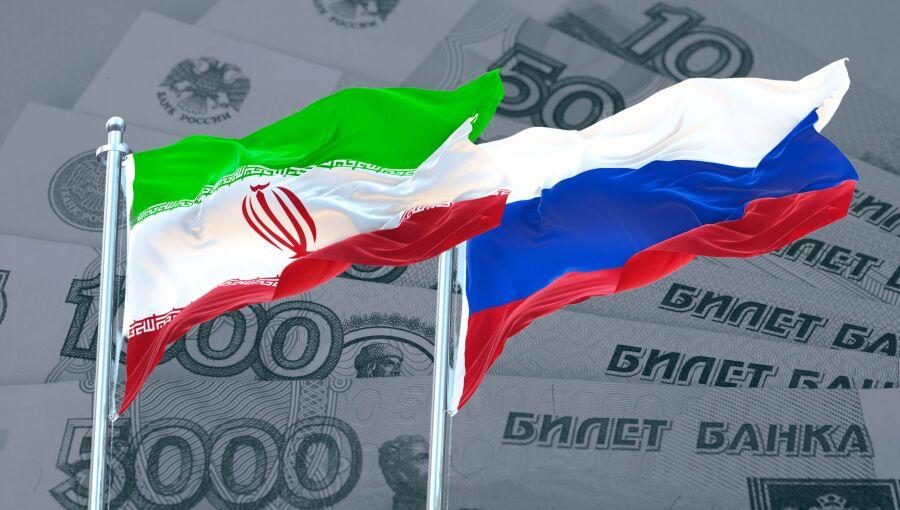
Countries attempting to prohibit the use of the dollar or withdraw from the dollar-based financial system can face isolation from international financial networks and restrictions on their banks' ability to conduct international trade, as occurred with Iran and Russia.
Fourth, direct military power and the extensive network of U.S. military bases around the world help secure global maritime trade routes and oil corridors, linking the economic security of many countries to the dollar-centered system.
Regional attempts to completely bypass the petrodollar system — such as Muammar Gaddafi's proposal for a gold-backed dinar — have faced significant political and military pressure.
The Fiscal Deficit
As previously mentioned, the U.S. fiscal deficit has reached approximately $1.7 trillion.
This situation forces the United States to search for mechanisms to finance the deficit, including the sale of U.S. Treasury securities.
As a result, many countries around the world have invested their financial surpluses in U.S. Treasury bonds and dollar-denominated assets, particularly because there are few alternative financial markets offering the same combination of size, liquidity, and perceived security.
There is, however, another interpretation of this issue.
Oil-producing Gulf countries generate enormous revenues from energy exports. According to this perspective, the United States has preferred that much of those accumulated financial surpluses be reinvested in the American financial system rather than remaining entirely within the oil-producing economies.
Consequently, a significant portion of those surpluses has been invested in U.S. Treasury securities.
For example, Saudi Arabia holds approximately $142 billion, the United Arab Emirates around $114 billion, and Kuwait approximately $68 billion in such assets.
Other countries have also invested heavily in U.S. Treasury securities and the broader American economy.
Japan provides another example. Because Japanese interest rates have historically been extremely low, investors have sometimes borrowed cheaply from Japanese banks and invested their capital in American bonds and financial institutions.
In this way, part of Japan's financial surplus has effectively moved from the Japanese economy into the U.S. economy.
What Is Happening Now? First: China's Moves 1. Settling trade in yuan
China has increasingly conducted portions of its international trade in the Chinese yuan, particularly with countries facing U.S. sanctions such as Russia and Iran.
China has also encouraged oil- and gas-producing countries — including Russia, Iran, and some Gulf states — to settle certain energy transactions in yuan rather than dollars.
Beijing has expanded its network of currency swap agreements with dozens of countries and reached yuan-based trade settlement arrangements with major partners including Brazil, Russia, and Southeast Asian states within ASEAN.
2. Developing an alternative payment system: CIPS
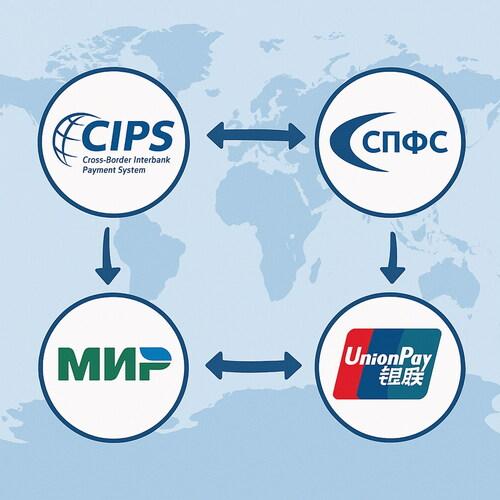
China established the Cross-Border Interbank Payment System (CIPS) as an infrastructure for cross-border yuan transactions and as an alternative to Western-dominated payment channels.
CIPS
The system enables international banks to conduct and settle transactions in yuan without relying to the same extent on U.S.-based clearing mechanisms or the dollar.
3. Reducing reliance on U.S. Treasuries and increasing gold reserves
China has significantly reduced its holdings of U.S. Treasury securities from more than $1.3 trillion to around $680–700 billion.
At the same time, China has increased its purchases of gold in an effort to strengthen its foreign reserves with tangible assets that are less vulnerable to external financial pressure.
4. Leading BRICS and expanding cross-border trade
China is developing its central bank digital currency to facilitate international trade and reduce dependence on traditional banking intermediaries.
Such systems could potentially make cross-border transactions faster and less expensive while reducing dependence on U.S.-centered financial channels.
5. The Asian Infrastructure Investment Bank
The Asian Infrastructure Investment Bank (AIIB) is a multilateral development institution initiated by China in 2015 and formally launched in 2016, with its headquarters in Beijing.
Its significance lies in China's effort to create a major development finance institution capable of competing with Western-led institutions such as the World Bank and the Asian Development Bank.
Its importance can be summarized as follows:
1. Financial arm of the Belt and Road Initiative
The bank serves as an important financier of trade, transportation, and infrastructure connectivity projects linking Asia, Africa, and Europe.
2. An alternative to Western lending standards
The institution provides loans and financing arrangements that may differ from the political and structural conditions traditionally associated with institutions such as the World Bank and International Monetary Fund.
3. Expanding the use of local currencies
The bank may gradually contribute to reducing dependence on dollar-based financing through loans and bond issuance denominated in yuan and other local currencies.
Second: Russia's Role in Reducing Reliance on the Dollar
Russia is currently among the most active and radical actors in the global movement toward de-dollarization.
While some countries seek gradually to reduce their exposure to the dollar, Russia was forced to accelerate this process as both a survival strategy and a wartime economic policy following comprehensive Western sanctions, the freezing of its foreign assets, and the exclusion of several Russian banks from SWIFT.
Russia has taken several major steps:
1. Almost completely abandoning “unfriendly currencies” Settlements in rubles and yuan
The share of the dollar and euro in Russia's foreign trade has fallen dramatically compared with pre-2022 levels.
The Chinese yuan has become one of the principal currencies used in Russian trade, reserves, and financial-market transactions.
Trade between Russia and China — worth hundreds of billions of dollars — is increasingly settled in yuan and rubles.
2. The “rubles for gas and oil” system
Russia required certain energy buyers from countries it classifies as “unfriendly states” to use mechanisms involving ruble accounts to pay for energy shipments.
At the same time, much of Russia's energy trade with China, India, and other Asian partners has increasingly been settled in yuan, Indian rupees, UAE dirhams, or other non-Western currencies.
3. Building a parallel financial and messaging infrastructure
Russia developed its own System for Transfer of Financial Messages (SPFS) as an alternative to SWIFT.
Although the system remains focused largely on domestic Russian banks and partner institutions in neighboring and selected Asian countries, it allows financial transactions to continue outside Western-controlled messaging networks.
Russia has also expanded the use of its national Mir payment-card system as an alternative to Visa and Mastercard, while seeking integration with payment systems in friendly countries.
4. Moving toward cryptocurrencies and digital assets
Russia has adopted legislation allowing the use of cryptocurrencies and the digital ruble in certain cross-border trade transactions as a means of reducing dependence on the traditional dollar-based international banking system.
5. Leadership and coordination within BRICS
Russia and China have promoted efforts within BRICS to develop payment mechanisms such as BRICS Pay.
Such initiatives envision a financial clearing infrastructure potentially based on decentralized technologies and central bank digital currencies (CBDCs) to enable member states to conduct trade without depending entirely on U.S. banking channels.
Third: Iran's Role in Reducing Reliance on the Dollar
Iran has one of the world's longest experiences with mechanisms of de-dollarization.
Decades of strict U.S. sanctions and restrictions on its access to the SWIFT financial system have forced Tehran to develop alternative financial tools and parallel networks designed to reduce its dependence on the U.S.-dominated financial system.
The most important mechanisms through which Tehran has attempted to reduce reliance on the dollar include:
1. Oil sales through local currencies and sanctions-bypassing mechanisms A. Settlement in yuan and Asian currencies
Iran increasingly relies on the Chinese yuan and other local Asian currencies in transactions associated with its oil exports.
B. Clearing mechanisms and parallel networks
Iran has developed complex trading mechanisms, including ship-to-ship transfers, changes to documentation, and financial clearing arrangements involving networks of exchange houses and intermediary companies.
These mechanisms are intended to facilitate trade in goods and local currencies while bypassing banking channels subject to U.S. control.
2. Comprehensive banking integration with Russia
Tehran has connected aspects of its domestic financial messaging infrastructure, SEPAM, with Russia's SPFS.
This has enabled Iranian and Russian banks to conduct direct banking and commercial transactions without relying entirely on SWIFT or the U.S. dollar.
Iran and Russia have also worked to connect Iran's domestic Shetab payment-card network with Russia's Mir system to facilitate tourism, commercial transactions, and payments using their national currencies — the rial and the ruble.
3. Reliance on barter arrangements
Iran uses direct barter mechanisms with neighboring countries and trading partners.
Under these arrangements, Iran can provide oil, petroleum products, or natural gas in exchange for basic commodities, medicines, industrial equipment, or engineering services without requiring payments to pass through the conventional international financial system.
Such mechanisms have been used in various forms in trade with countries including Iraq, India, and other partners.
4. Use of digital currencies and cryptocurrencies
Iran has permitted the use of cryptocurrencies such as Bitcoin for certain international import payments.
This has enabled some Iranian companies to conduct external transactions outside traditional financial channels subject to U.S. oversight.
Iran is also developing a digital rial and exploring mechanisms that could facilitate cross-border digital transactions.
5. Benefiting from regional blocs
Iran has officially joined BRICS and the Shanghai Cooperation Organisation (SCO).
It participates in initiatives aimed at expanding financial information exchange and developing alternative settlement mechanisms based increasingly on national currencies.
Fourth: The U.S.–Iran War
As discussed earlier, wars can signal the end of old eras and the beginning of new ones.
In this conflict, we focus on the impact of the war on the U.S. economy in general and the U.S. dollar in particular.
The most important effects include:
1. The enormous cost of war and the expansion of public debt
U.S. military costs associated with campaigns and operations in the region are estimated at approximately $12 billion per week, placing direct pressure on the federal budget and domestic spending priorities.
2. Public debt exceeding unprecedented levels
Rising military spending has contributed to U.S. public debt reaching record levels exceeding $40 trillion, with publicly held debt approaching approximately 100% of GDP — levels not seen during peacetime since the aftermath of World War II.
3. Accelerating de-dollarization
The war has created concerns among investors.
Increasing fiscal deficits and growing debt raise questions among countries and investors about the long-term sustainability of the American economy, potentially reducing the attractiveness of holding dollars over the long term.
4. Inflation and energy shocks
Rising prices for commodities and energy as a result of the conflict reduce the dollar's purchasing power and potentially make it less attractive as a reserve asset for international institutions and central banks.
These circumstances have encouraged several countries to expand the use of national currencies and bilateral trade-settlement mechanisms, including currency swaps, China's yuan-based CIPS system, and financial initiatives within BRICS.
5. Higher borrowing costs
The U.S. government could face greater difficulty borrowing at low interest rates if international demand for U.S. Treasury securities declines.
U.S. Decisions in Response to the Above Developments
On August 23, 2026, the U.S. president made a statement indicating that his administration had several options available to intervene if conditions in the bond market deteriorated.
For those closely following developments, this highlighted the importance of the bond market to the U.S. economy.
Its effects can be summarized as follows:
1. Supporting the dollar and foreign investment
Higher yields on U.S. Treasury securities make them more attractive to foreign investors and central banks.
To purchase those securities, investors generally need U.S. dollars, potentially increasing demand for the currency and strengthening its exchange rate against other currencies.
A stronger dollar can reduce the cost of U.S. imports but may also negatively affect American exports.
2. Determining borrowing costs, mortgages, and loans
When yields on 10-year U.S. Treasury bonds increase, mortgage rates tend to rise as well.
This can reduce home purchases and slow activity in the real-estate sector.
Borrowing costs for companies and individuals also rise, potentially reducing consumption and corporate expansion.
3. Increasing the deficit
Treasury securities carry interest obligations.
Although issuing additional debt provides liquidity to the U.S. government, increasing debt issuance also increases the amount of interest the federal government must eventually pay to investors.
Japan and U.S. Treasury Securities
Japan is the largest foreign holder of U.S. government debt, ahead of the United Kingdom and China.
According to the latest U.S. Treasury TIC data cited in the study, Japan holds approximately $1.12 trillion, specifically around $1.1167 trillion, in U.S. securities.
This represents approximately 12% of U.S. debt held by foreign entities, which totals around $9.3 trillion.
In recent days, however, the Japanese currency — the yen — has declined, prompting some Japanese investors to sell U.S. Treasury securities.
The study argues that such developments could pose risks for the United States.
Japan remains one of America's closest allies and therefore does not seek economic instability in the United States.
According to the study, the United States consequently acted to support the Japanese yen and the Japanese economy in an effort to discourage Japanese investors from continuing to sell U.S. securities.
The Impact of the U.S.–Iran War on the American Economy 1. Oil-price shock and inflation
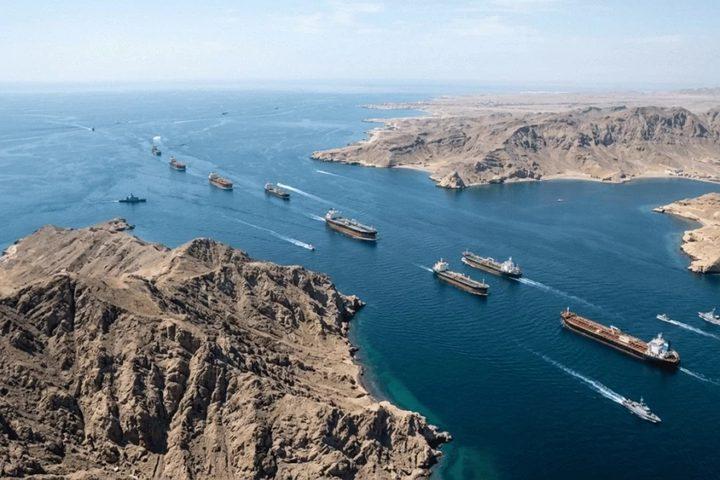
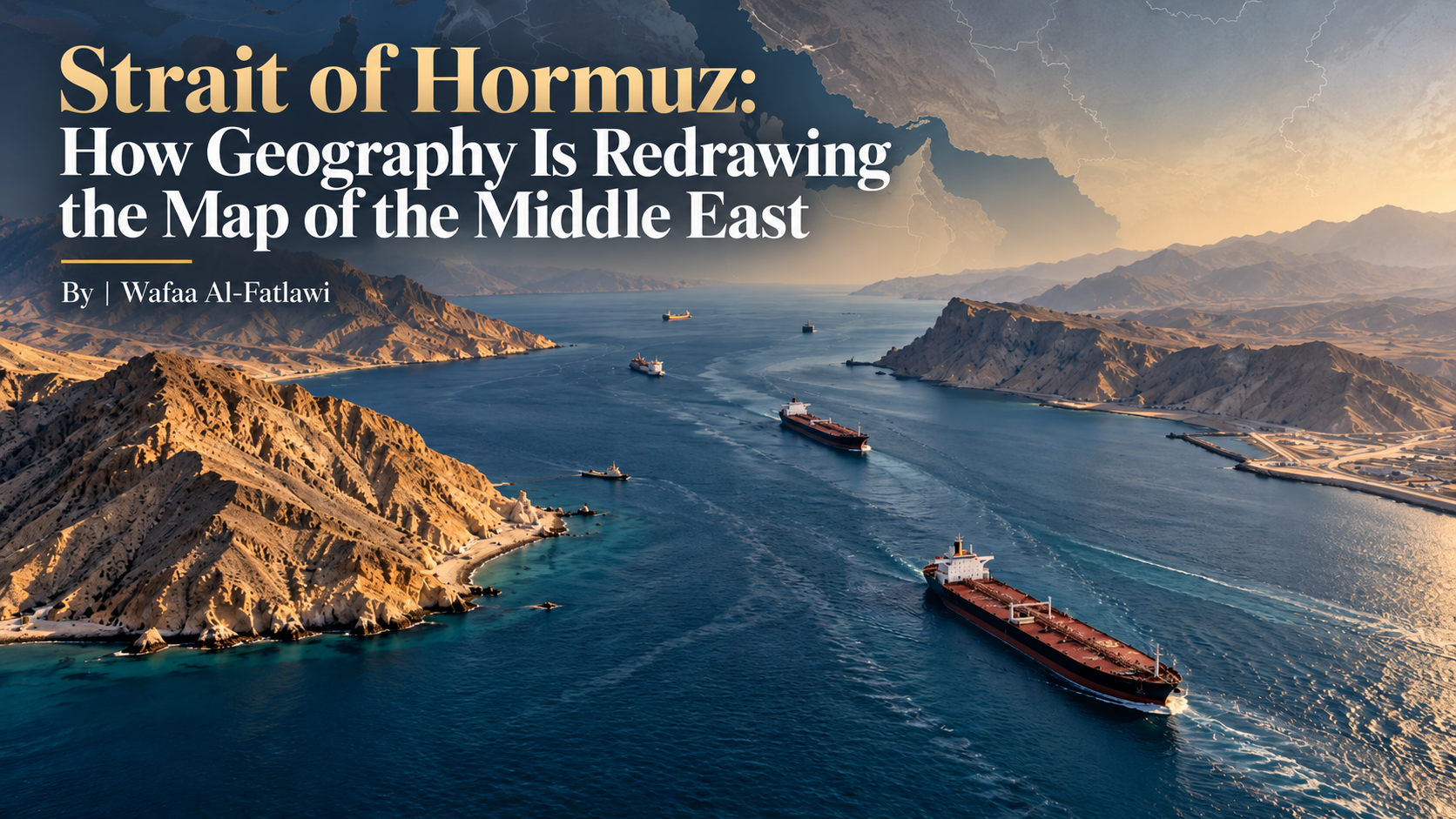
Approximately 20% of global oil and liquefied natural gas supplies pass through the Strait of Hormuz.
Any threat to, or closure of, the Strait could disrupt millions of barrels of energy supplies each day.
The resulting increase in oil prices leads directly to higher fuel costs and consequently raises the costs of shipping, aviation, and essential goods within the United States, undermining efforts to control inflation.
2. Disruption to interest rates and the bond market
With inflation rising as a result of an energy shock, the Federal Reserve could face a difficult choice.
It could raise interest rates again in order to combat inflation — which would increase the cost of servicing U.S. debt — or reduce rates to support economic growth.
This creates greater uncertainty for monetary policy.
At the same time, the United States needs continued investment in Treasury securities to finance military spending.
If investors demand higher yields to compensate for inflation risk, borrowing costs for both companies and individuals — including mortgage borrowers — would increase.
3. Rising debt and the federal deficit
Large-scale wars and military operations can cost hundreds of millions or even billions of dollars per day.
To finance expanded military expenditure, the U.S. Treasury may be required to issue additional Treasury securities.
This would increase an already elevated public-debt burden and could push annual interest costs to new record levels.
4. Investors turning to the dollar and gold
At the beginning of most armed conflicts, global investors often move toward so-called safe-haven assets.
This can cause a temporary increase in both the value of the U.S. dollar and the price of gold.
However, if the war continues and U.S. debt keeps rising, the long-term attractiveness of the dollar could weaken.
At the same time, growing pressure on Eastern countries could accelerate their search for alternatives to the dollar, particularly among states that face U.S. sanctions.
Conclusion
The war and the economic factors discussed above could produce major changes in the global economic system.
These developments may accelerate a transition toward a new international currency arrangement or significantly reduce the degree of the dollar's global dominance.
However, the eventual outcome will depend heavily on the results of the war.
Two points should be considered:
First: China and Russia have a clear interest in reducing the dollar's global dominance.
Second: Even if, hypothetically, the outcome of the war ultimately favors the West — although the study argues that current indicators point in another direction — the international community may nevertheless have learned a difficult lesson concerning dependence on the U.S. dollar and on American policy.
According to this argument, concerns arise both from the continued expansion of the dollar supply and from the perception that U.S. foreign policy may abandon allies when American national interests require it.
Share Article
For Context
Related reads from the same topic or latest developments