Hamas Agreed to Disarm. Why Did Israel Reject the Deal?
Foreign Policy

Foreign Policy
Original Source
After Hamas agreed to a U.S.-backed disarmament framework, Israel rejected the plan citing "serious security concerns." Experts attribute Israel's position to political uncertainties ahead of October elections that could unseat Prime Minister Benjamin Netanyahu.
Why Did Israel Reject the Trump-Backed Hamas Disarmament Plan?
!Foreign Policy
Foreign Policy
Get analysis and alerts more quickly in the mobile app.
Install
Back to Foreign Policy Magazine home page
* Latest
* Regions
+ Asia & the Pacific
+ China
+ Middle East & Africa
+ Americas
+ Europe
* Newsletters
Editors’ Picks
Evening roundup with our editors’ favorite stories of the day
!World Brief Icon
World Brief
Your guide to the most important world stories of the day
!China Brief Icon
China Brief
The latest news, analysis, and data from the country each week
Situation Report
Weekly update on what’s driving U.S. national security policy
FP Weekend
A curation of our best book reviews, deep dives, and other reads
!Africa Brief Icon
Africa Brief
Essential analysis of the stories shaping geopolitics on the continent
!South Asia Brief Icon
South Asia Brief
Weekly update on developments in India and its neighbors
The Reading List
Curated guides on geopolitics and current affairs
FP Bookshelf
A monthly guide to FP’s book reviews, excerpts, and reading recommendations
!Latin America Brief Icon
Latin America Brief
One-stop digest of politics, economics, and culture
!Southeast Asia Brief Icon
Southeast Asia Brief
A weekly dispatch with news from the region’s 11 countries
The New Geopolitics
A five-part masterclass in IR theory with Harvard Professor Stephen M. Walt
View All Newsletters
* FP Live
* Latest
* Trending:
* India's protests rattle Modi
* Gulf states react to Iran
Search this website
* Preferences
* My FP Feed
* Saved Articles
* Newsletters
* Magazine Archive
* Subscription Settings
* FAQs
* Log Out
Sign In
Sign In
Equip your team with FP Enterprise Equip your team with FP Enterprise
SUBSCRIBE SUBSCRIBEUpgrade & get a limited-edition tote Upgrade & get a limited-edition tote
Analysis:
Hamas Agreed to Disarm. Why Did Israel Reject the Deal?
*
*
* Facebook
* Bluesky
* X
* LinkedIn
* WhatsApp
* Reddit
Save
1. Create an FP account to save articles to read later.
Sign Up
ALREADY AN FP SUBSCRIBER? LOGIN
PDF
1. **Downloadable PDFs** are a benefit of an FP subscription.
Subscribe Now
ALREADY AN FP SUBSCRIBER? LOGIN
Gift
*
*
* WhatsApp
1. Gifting articles is a subscriber benefit.
Subscribe Now
ALREADY AN FP SUBSCRIBER? LOGIN
2. This article is an Insider exclusive.
Contact us at [email protected] to learn about upgrade options, unlocking the ability to gift this article.
Analysis
Hamas Agreed to Disarm. Why Did Israel Reject the Deal?
Experts say political uncertainty makes the Trump-backed plan untenable, for now.
By **John Haltiwanger**, a staff writer at *Foreign Policy*.
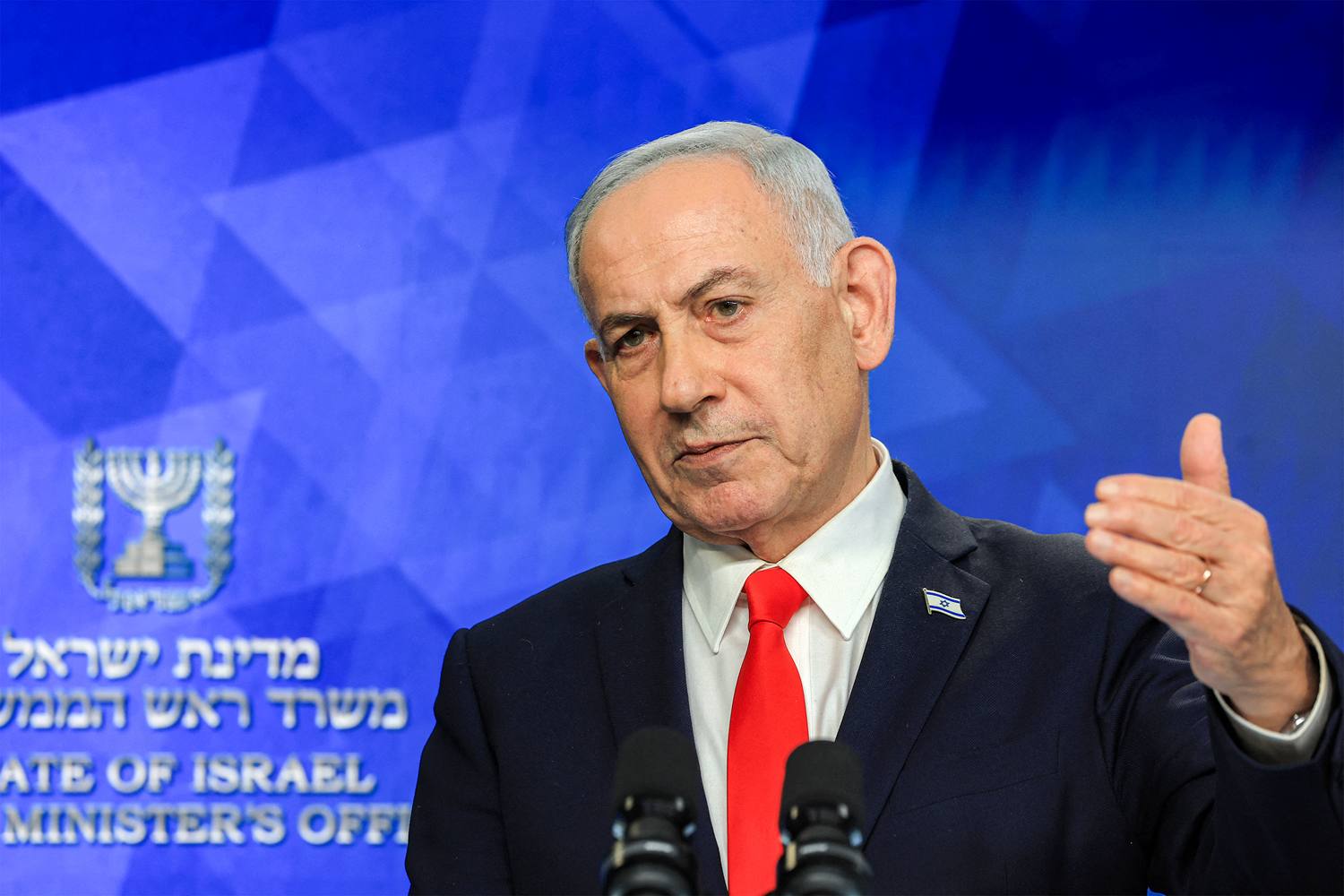
!Netanyahu gestures as he stands in front of a blue background that has the Israeli prime minister's office logo on it.
*Netanyahu gestures as he stands in front of a blue background that has the Israeli prime minister's office logo on it.*
Israeli Prime Minister Benjamin Netanyahu gives a news conference in Jerusalem on June 15. Ronen Zvulun/AFP via Getty Images
1. Get audio access with any FP subscription.
Subscribe Now
ALREADY AN FP SUBSCRIBER? LOGIN
August 6, 2026, 8:58 AM
Israel-Hamas War
MORE ON THIS TOPIC
For months, Hamas’s disarmament has been the biggest sticking point in the stalled Gaza peace process. Major aspects of U.S. President Donald Trump’s 20-point peace plan are contingent on Hamas giving up its weapons, and Gaza has remained in a painful limbo since a cease-fire began last October due to the impasse.
For a moment last week, it looked like change might be on the horizon as Hamas agreed to a U.S.-backed framework to lay down its arms. Last Thursday, Trump hailed the agreement, which was orchestrated by his Board of Peace and designed to bring about the full implementation of his 20-point plan, on social media as “HISTORIC” and “a monumental step toward lasting PEACE and SECURITY.” The next day, Trump said that Israel was “very happy” with the agreement.
For months, Hamas’s disarmament has been the biggest sticking point in the stalled Gaza peace process. Major aspects of U.S. President Donald Trump’s 20-point peace plan are contingent on Hamas giving up its weapons, and Gaza has remained in a painful limbo since a cease-fire began last October due to the impasse.
For a moment last week, it looked like change might be on the horizon as Hamas agreed to a U.S.-backed framework to lay down its arms. Last Thursday, Trump hailed the agreement, which was orchestrated by his Board of Peace and designed to bring about the full implementation of his 20-point plan, on social media as “HISTORIC” and “a monumental step toward lasting PEACE and SECURITY.” The next day, Trump said that Israel was “very happy” with the agreement.
But it’s evident that that’s far from the case.
In the days since, Israel has expressed strong opposition to the disarmament roadmap, citing “serious security concerns.” Israeli Prime Minister Benjamin Netanayhu said on Tuesday that Israel “did not agree” with the framework and won’t withdraw from its “current lines until Hamas is completely disarmed.” Israel has also conducted a series of airstrikes in Gaza since the plan was announced, angering the Board of Peace.
Experts told *Foreign Policy* that Israel’s position on the disarmament plan is extremely unlikely to change until at least after the country’s highly anticipated elections in October, which could see Netanyahu—Israel’s longest-serving prime minister—lose power.
“The problem is that politically, in Israel, and especially before elections, it’s borderline impossible for the Israeli government to accept \[the plan],” said Shira Efron, the distinguished chair for Israel policy at RAND, a security think tank. “Netanyahu and this coalition promised the Israelis absolute victory.” She added that the Israeli prime minister doesn’t want to be seen as making concessions to Hamas or giving up ground in Gaza ahead of the elections.
The deal is also unpalatable to Israel because of Qatar and Turkey’s potential role in the verification mechanism. “In the Israeli minds of today, Qatar is a borderline enemy state and Turkey the same,” Efron said, emphasizing that some in Israel view Turkey as the “new Iran.”
But even if Netanyahu loses in October, experts don’t anticipate swift changes in Israel’s position. “A new government would be hard-pressed to suddenly make major concessions in Gaza,” said Julie Norman, an associate fellow with the Middle East and North Africa program at Chatham House, a London-based think tank. “That would be a difficult move for them.”
Read More
*
*U.S. President Donald Trump gestures as he poses next to a sign at a world leaders' summit on ending the Gaza war, amid a U.S.-brokered prisoner-hostage swap and ceasefire deal between Israel and Hamas, in Sharm el-Sheikh, Egypt, October 13, 2025.*
Everyone Is Waiting for Trump’s Gaza Plan to Die
The Board of Peace has been revealed to be so flawed as to be completely unworkable.
Analysis
|
Anchal Vohra
*
*Hamas militants are seen standing between two green flags while wearing all black and holding guns.*
Does the Road to Disarming Hamas Lead Through Qatar and Turkey?
Diplomats and experts say Doha and Ankara have leverage, but it may not be enough. !This article has an audio recording
Analysis
|
John Haltiwanger
---
The disarmament framework,
which provides a 14-day window to hammer out an exact timeline after all parties approve, calls for all sides to halt military operations in Gaza and ties the process to a phased withdrawal of Israeli troops from the territory.
But there are many reasons to believe that Israel has no intention of withdrawing from Gaza anytime soon.
Israel is currently estimated to control more than 60 percent of the coastal enclave. Israeli forces have also moved the yellow line—a military demarcation indicating the area under Israeli control—further into the territory in recent weeks. The yellow line, which was established
!Foreign Policy
Foreign Policy
Get analysis and alerts more quickly in the mobile app.
Install
Back to Foreign Policy Magazine home page
* Latest
* Regions
+ Asia & the Pacific
+ China
+ Middle East & Africa
+ Americas
+ Europe
* Newsletters
Editors’ Picks
Evening roundup with our editors’ favorite stories of the day
!World Brief Icon
World Brief
Your guide to the most important world stories of the day
!China Brief Icon
China Brief
The latest news, analysis, and data from the country each week
Situation Report
Weekly update on what’s driving U.S. national security policy
FP Weekend
A curation of our best book reviews, deep dives, and other reads
!Africa Brief Icon
Africa Brief
Essential analysis of the stories shaping geopolitics on the continent
!South Asia Brief Icon
South Asia Brief
Weekly update on developments in India and its neighbors
The Reading List
Curated guides on geopolitics and current affairs
FP Bookshelf
A monthly guide to FP’s book reviews, excerpts, and reading recommendations
!Latin America Brief Icon
Latin America Brief
One-stop digest of politics, economics, and culture
!Southeast Asia Brief Icon
Southeast Asia Brief
A weekly dispatch with news from the region’s 11 countries
The New Geopolitics
A five-part masterclass in IR theory with Harvard Professor Stephen M. Walt
View All Newsletters
* FP Live
* Latest
* Trending:
* India's protests rattle Modi
* Gulf states react to Iran
Search this website
* Preferences
* My FP Feed
* Saved Articles
* Newsletters
* Magazine Archive
* Subscription Settings
* FAQs
* Log Out
Sign In
Sign In
Equip your team with FP Enterprise Equip your team with FP Enterprise
SUBSCRIBE SUBSCRIBEUpgrade & get a limited-edition tote Upgrade & get a limited-edition tote
Analysis:
Hamas Agreed to Disarm. Why Did Israel Reject the Deal?
*
*
* Bluesky
* X
Save
1. Create an FP account to save articles to read later.
Sign Up
ALREADY AN FP SUBSCRIBER? LOGIN
1. **Downloadable PDFs** are a benefit of an FP subscription.
Subscribe Now
ALREADY AN FP SUBSCRIBER? LOGIN
Gift
*
*
1. Gifting articles is a subscriber benefit.
Subscribe Now
ALREADY AN FP SUBSCRIBER? LOGIN
2. This article is an Insider exclusive.
Contact us at [email protected] to learn about upgrade options, unlocking the ability to gift this article.
Analysis
Hamas Agreed to Disarm. Why Did Israel Reject the Deal?
Experts say political uncertainty makes the Trump-backed plan untenable, for now.
By **John Haltiwanger**, a staff writer at *Foreign Policy*.
!Netanyahu gestures as he stands in front of a blue background that has the Israeli prime minister's office logo on it.
*Netanyahu gestures as he stands in front of a blue background that has the Israeli prime minister's office logo on it.*
Israeli Prime Minister Benjamin Netanyahu gives a news conference in Jerusalem on June 15. Ronen Zvulun/AFP via Getty Images
1. Get audio access with any FP subscription.
Subscribe Now
ALREADY AN FP SUBSCRIBER? LOGIN
August 6, 2026, 8:58 AM
Israel-Hamas War
For months, Hamas’s disarmament has been the biggest sticking point in the stalled Gaza peace process. Major aspects of U.S. President Donald Trump’s 20-point peace plan are contingent on Hamas giving up its weapons, and Gaza has remained in a painful limbo since a cease-fire began last October due to the impasse.
For a moment last week, it looked like change might be on the horizon as Hamas agreed to a U.S.-backed framework to lay down its arms. Last Thursday, Trump hailed the agreement, which was orchestrated by his Board of Peace and designed to bring about the full implementation of his 20-point plan, on social media as “HISTORIC” and “a monumental step toward lasting PEACE and SECURITY.” The next day, Trump said that Israel was “very happy” with the agreement.
For months, Hamas’s disarmament has been the biggest sticking point in the stalled Gaza peace process. Major aspects of U.S. President Donald Trump’s 20-point peace plan are contingent on Hamas giving up its weapons, and Gaza has remained in a painful limbo since a cease-fire began last October due to the impasse.
For a moment last week, it looked like change might be on the horizon as Hamas agreed to a U.S.-backed framework to lay down its arms. Last Thursday, Trump hailed the agreement, which was orchestrated by his Board of Peace and designed to bring about the full implementation of his 20-point plan, on social media as “HISTORIC” and “a monumental step toward lasting PEACE and SECURITY.” The next day, Trump said that Israel was “very happy” with the agreement.
But it’s evident that that’s far from the case.
In the days since, Israel has expressed strong opposition to the disarmament roadmap, citing “serious security concerns.” Israeli Prime Minister Benjamin Netanayhu said on Tuesday that Israel “did not agree” with the framework and won’t withdraw from its “current lines until Hamas is completely disarmed.” Israel has also conducted a series of airstrikes in Gaza since the plan was announced, angering the Board of Peace.
Experts told *Foreign Policy* that Israel’s position on the disarmament plan is extremely unlikely to change until at least after the country’s highly anticipated elections in October, which could see Netanyahu—Israel’s longest-serving prime minister—lose power.
“The problem is that politically, in Israel, and especially before elections, it’s borderline impossible for the Israeli government to accept \[the plan],” said Shira Efron, the distinguished chair for Israel policy at RAND, a security think tank. “Netanyahu and this coalition promised the Israelis absolute victory.” She added that the Israeli prime minister doesn’t want to be seen as making concessions to Hamas or giving up ground in Gaza ahead of the elections.
The deal is also unpalatable to Israel because of Qatar and Turkey’s potential role in the verification mechanism. “In the Israeli minds of today, Qatar is a borderline enemy state and Turkey the same,” Efron said, emphasizing that some in Israel view Turkey as the “new Iran.”
But even if Netanyahu loses in October, experts don’t anticipate swift changes in Israel’s position. “A new government would be hard-pressed to suddenly make major concessions in Gaza,” said Julie Norman, an associate fellow with the Middle East and North Africa program at Chatham House, a London-based think tank. “That would be a difficult move for them.”
Read More
*
*U.S. President Donald Trump gestures as he poses next to a sign at a world leaders' summit on ending the Gaza war, amid a U.S.-brokered prisoner-hostage swap and ceasefire deal between Israel and Hamas, in Sharm el-Sheikh, Egypt, October 13, 2025.*
Everyone Is Waiting for Trump’s Gaza Plan to Die
The Board of Peace has been revealed to be so flawed as to be completely unworkable.
Analysis
|
Anchal Vohra
*
*Hamas militants are seen standing between two green flags while wearing all black and holding guns.*
Does the Road to Disarming Hamas Lead Through Qatar and Turkey?
Diplomats and experts say Doha and Ankara have leverage, but it may not be enough. !This article has an audio recording
Analysis
|
John Haltiwanger
---
The disarmament framework,
which provides a 14-day window to hammer out an exact timeline after all parties approve, calls for all sides to halt military operations in Gaza and ties the process to a phased withdrawal of Israeli troops from the territory.
But there are many reasons to believe that Israel has no intention of withdrawing from Gaza anytime soon.
Israel is currently estimated to control more than 60 percent of the coastal enclave. Israeli forces have also moved the yellow line—a military demarcation indicating the area under Israeli control—further into the territory in recent weeks. The yellow line, which was established
🔗 Share Article
Tags:#إسرائيل#حماس#غزة#نزع السلاح#ترامب#السلام#الانتخابات#نتنياهو#الشرق الأوسط
Source: Foreign Policy
For Context
Related reads from the same topic or latest developments


