Trump unleashes swathe of sanctions on Iran 'enablers'
Middle East Eye
M
Middle East Eye
Original Source
The US Treasury Department announced sweeping new sanctions against Iran and its 'enablers', describing the move as part of an 'asphyxiation' campaign against the regime amid mounting tensions in the Strait of Hormuz. The Trump administration launched 'Operation Economic Outcast', vowing to close off all options available to Iran while threatening secondary sanctions against countries and entities supporting Tehran.
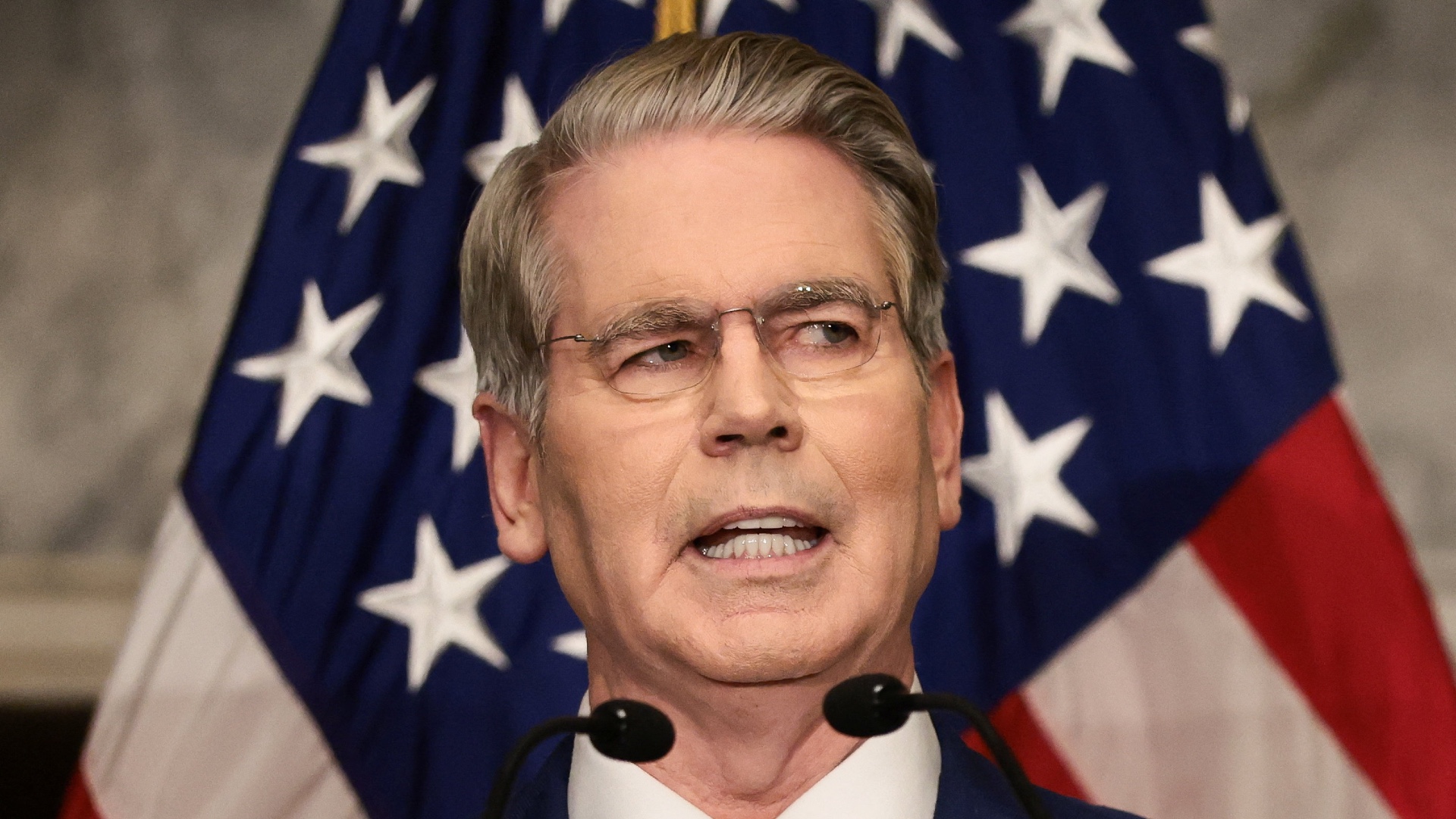
US Treasury Secretary Scott Bessent on Monday announced a new wave of sanctions against Iran and its "enablers", towards what he described as an "asphyxiation of this regime" amid the standoff in the Strait of Hormuz.
"Iran now faces a very clear choice, with only two paths before them: complete global isolation and a subsistence economy, or a path back to normalcy with an opportunity to rejoin the global economy," Bessent told reporters in Washington, DC.
It remains unclear how "a path to normalcy" may work, given the Trump administration has only ever tightened sanctions on Iran since its first iteration in the White House in 2017.
"Today, we are launching Operation Economic Outcast to foreclose every other option available to the Iranian regime," Bessent declared. "America is no longer managing the Iranian threat. We are ending it."
Using a "zero leakage approach", he said the Treasury had "mapped every node, every facilitator, and every network that Iran has used to smuggle oil and evade sanctions", and that President Donald Trump had already made phone calls to counterparts around the world "with specific requests to cease their interactions with the regime".
He would not name those countries, nor the 60 other entities and individuals that will reportedly see secondary sanctions in the coming days and weeks.
When pressed on why the sanctions were not in place with immediate effect, Bessent replied: "Why would I want to blow up the global financial system?"
"Every country has a defined timeline to shut down activities we have identified. If they do not take action, we will do so unilaterally through Treasury authorities," he said.
"For example, every branch of Bank Melli must be shuttered and dark."
Bank Melli is a major commercial bank in Iran that served as its central bank before the 1979 revolution. It has branches across parts of Europe and the Middle East.
Asked about how these sanctions could impact Washington's relationship with China, given Beijing's close partnership with Tehran, Bessent replied: "We find that the best way to engage with countries is through quiet diplomacy, and we are level setting with every country to tell them our expectations."
Chinese President Xi Jinping is expected to make a state visit to the White House next month, with China the top recipient of Iranian energy exports.
Iraq, the UAE, Turkey are also major export destinations, according to SRI International, a California-based research institute.
"It is no longer acceptable to operate in the gray spaces of this conflict," Bessent warned.
"Countries cannot claim they are blind to enabling this activity. Iran's enablers purchase [and] transport its petroleum. They facilitate the flow of its finances through exchange houses and free trade zones. They welcome Iran's flights and maintain registries on its behalf. They turn a blind eye to sea-borne fuel transfers and overland transits, they condone illicit use of their banks, all the while concealing the extent of their complicity."
Sanctioned parties are mostly blocked from participating in the global financial system, since the international network is largely driven by US banking standards and the US dollar.
Pressure
Last week Bessent vowed to impose "the toughest sanctions in history" on Tehran, as the economic toll of the US-Israeli war on Iran - now effectively in its sixth month - weighs down the global economy and significantly raises energy prices for US voters ahead of the November midterm elections.
Trump also warned that he was launching an "economic D-Day" against Iran.
"ANY country that allows its financial institutions, businesses, airports, or government entities to provide any type of lifeline to Iran will itself face TREMENDOUS Economic Consequences," Trump wrote in a social media message.
Washington's threats follow its inability to militarily assert its control over the Strait of Hormuz, with a quasi-ceasefire between the two countries all but collapsed.
The war has upended the global shipping trade, with the cost of chartering a tanker skyrocketing. BWET, an Exchange Traded Fund (ETF) that allows investors to bet on the shipping rates, has soared 98 percent over the past month.
Mohammad Bagher Ghalibaf, Iran's parliamentary speaker, said on Thursday that Tehran and Baghdad would not let foreign governments decide their futures, in what appeared to be a response to Washington's sanctions threats.
Speaking at an Arbaeen ceremony in the city of Karbala, Iraq, he argued the two countries should build on their security cooperation and "unite to achieve economic prosperity and development".
'Warning shot'
The National Iranian American Council (Niac) said on Monday that Iran would now likely escalate its tactics in the region - be it the blockade of the waterway or the attacks on Gulf energy facilities - after repeatedly stating it will "not tolerate economic warfare".
"We've been down the maximum pressure road with Iran many times," Niac said in a statement.
"What we've learned is that President Trump can impose extensive economic pain on Iran, but ordinary Iranians overwhelmingly bear the cost. The ruling elite in Iran remains largely insulated, while Tehran has repeatedly refused to capitulate to Washington's demands," said Ryan Costello, the group's policy director.
"Trump's gamble is that this time, amid the destruction of war, and with the reinforcement of a blockade, time is on his side and ultimately Iran will be forced to concede defeat."
Richard Nephew, a former national security official in the Biden administration and an architect of previous Iran sanctions, suggested Bessent's comments were mostly bluster.
"So, they took the weekend and looked at what they were going to do and thought 'hmmmmm' and are now turning this into less a 'D Day' than a 'don't make me count to 3'," he posted on X on Monday.
Gregory Brew, a senior analyst with the Eurasia Group, referred in a post on X to a "warning shot", adding the US was "trying to ratchet up pressure, without triggering significant Iranian action or angering Iran's trading partners (most notably China)".
"Iran now faces a very clear choice, with only two paths before them: complete global isolation and a subsistence economy, or a path back to normalcy with an opportunity to rejoin the global economy," Bessent told reporters in Washington, DC.
It remains unclear how "a path to normalcy" may work, given the Trump administration has only ever tightened sanctions on Iran since its first iteration in the White House in 2017.
"Today, we are launching Operation Economic Outcast to foreclose every other option available to the Iranian regime," Bessent declared. "America is no longer managing the Iranian threat. We are ending it."
Using a "zero leakage approach", he said the Treasury had "mapped every node, every facilitator, and every network that Iran has used to smuggle oil and evade sanctions", and that President Donald Trump had already made phone calls to counterparts around the world "with specific requests to cease their interactions with the regime".
He would not name those countries, nor the 60 other entities and individuals that will reportedly see secondary sanctions in the coming days and weeks.
When pressed on why the sanctions were not in place with immediate effect, Bessent replied: "Why would I want to blow up the global financial system?"
"Every country has a defined timeline to shut down activities we have identified. If they do not take action, we will do so unilaterally through Treasury authorities," he said.
"For example, every branch of Bank Melli must be shuttered and dark."
Bank Melli is a major commercial bank in Iran that served as its central bank before the 1979 revolution. It has branches across parts of Europe and the Middle East.
Asked about how these sanctions could impact Washington's relationship with China, given Beijing's close partnership with Tehran, Bessent replied: "We find that the best way to engage with countries is through quiet diplomacy, and we are level setting with every country to tell them our expectations."
Chinese President Xi Jinping is expected to make a state visit to the White House next month, with China the top recipient of Iranian energy exports.
Iraq, the UAE, Turkey are also major export destinations, according to SRI International, a California-based research institute.
"It is no longer acceptable to operate in the gray spaces of this conflict," Bessent warned.
"Countries cannot claim they are blind to enabling this activity. Iran's enablers purchase [and] transport its petroleum. They facilitate the flow of its finances through exchange houses and free trade zones. They welcome Iran's flights and maintain registries on its behalf. They turn a blind eye to sea-borne fuel transfers and overland transits, they condone illicit use of their banks, all the while concealing the extent of their complicity."
Sanctioned parties are mostly blocked from participating in the global financial system, since the international network is largely driven by US banking standards and the US dollar.
Pressure
Last week Bessent vowed to impose "the toughest sanctions in history" on Tehran, as the economic toll of the US-Israeli war on Iran - now effectively in its sixth month - weighs down the global economy and significantly raises energy prices for US voters ahead of the November midterm elections.
Trump also warned that he was launching an "economic D-Day" against Iran.
"ANY country that allows its financial institutions, businesses, airports, or government entities to provide any type of lifeline to Iran will itself face TREMENDOUS Economic Consequences," Trump wrote in a social media message.
Washington's threats follow its inability to militarily assert its control over the Strait of Hormuz, with a quasi-ceasefire between the two countries all but collapsed.
The war has upended the global shipping trade, with the cost of chartering a tanker skyrocketing. BWET, an Exchange Traded Fund (ETF) that allows investors to bet on the shipping rates, has soared 98 percent over the past month.
Mohammad Bagher Ghalibaf, Iran's parliamentary speaker, said on Thursday that Tehran and Baghdad would not let foreign governments decide their futures, in what appeared to be a response to Washington's sanctions threats.
Speaking at an Arbaeen ceremony in the city of Karbala, Iraq, he argued the two countries should build on their security cooperation and "unite to achieve economic prosperity and development".
'Warning shot'
The National Iranian American Council (Niac) said on Monday that Iran would now likely escalate its tactics in the region - be it the blockade of the waterway or the attacks on Gulf energy facilities - after repeatedly stating it will "not tolerate economic warfare".
"We've been down the maximum pressure road with Iran many times," Niac said in a statement.
"What we've learned is that President Trump can impose extensive economic pain on Iran, but ordinary Iranians overwhelmingly bear the cost. The ruling elite in Iran remains largely insulated, while Tehran has repeatedly refused to capitulate to Washington's demands," said Ryan Costello, the group's policy director.
"Trump's gamble is that this time, amid the destruction of war, and with the reinforcement of a blockade, time is on his side and ultimately Iran will be forced to concede defeat."
Richard Nephew, a former national security official in the Biden administration and an architect of previous Iran sanctions, suggested Bessent's comments were mostly bluster.
"So, they took the weekend and looked at what they were going to do and thought 'hmmmmm' and are now turning this into less a 'D Day' than a 'don't make me count to 3'," he posted on X on Monday.
Gregory Brew, a senior analyst with the Eurasia Group, referred in a post on X to a "warning shot", adding the US was "trying to ratchet up pressure, without triggering significant Iranian action or angering Iran's trading partners (most notably China)".
🔗 Share Article
Tags:#العقوبات الأمريكية#إيران#ترامب#الصراع الإقليمي#السياسة الخارجية#الاقتصاد العالمي
Source: Middle East Eye
For Context
Related reads from the same topic or latest developments