The Supreme Court’s Conservatives Have a Clear Logic on Voting - Bloomberg.com
Bloomberg
B
Bloomberg
Original Source
Four conservative justices at the U.S. Supreme Court blocked the Trump administration's plan to restrict mail-in voting ahead of Election Day, offering a measure of relief. However, the ruling leaves room for future federal attempts to interfere with state-run elections, as the justices offered limited reasoning and some conservatives indicated support for such measures.
The Supreme Court Has a Clear Logic on Election Interference - Bloomberg
Skip to content
Bloomberg the Company & Its Products The Company & its ProductsBloomberg Terminal Demo RequestBloomberg Anywhere Remote Login Bloomberg Anywhere LoginBloomberg Customer Support Customer Support
Live TV
* Markets
* Finance
* Economics
* Industries
* Tech
* Politics
* Businessweek
* Opinion
* Video
* More
US Edition
Opinion
Noah Feldman
,
Columnist
The Supreme Court’s Conservatives Have a Clear Logic on Voting
September 16, 2026 at 12:30 PM CDT
By Noah Feldman
Noah Feldman is a Bloomberg Opinion columnist. A professor of law at Harvard University, he is author, most recently, of “To Be a Jew Today: A New Guide to God, Israel, and the Jewish People."
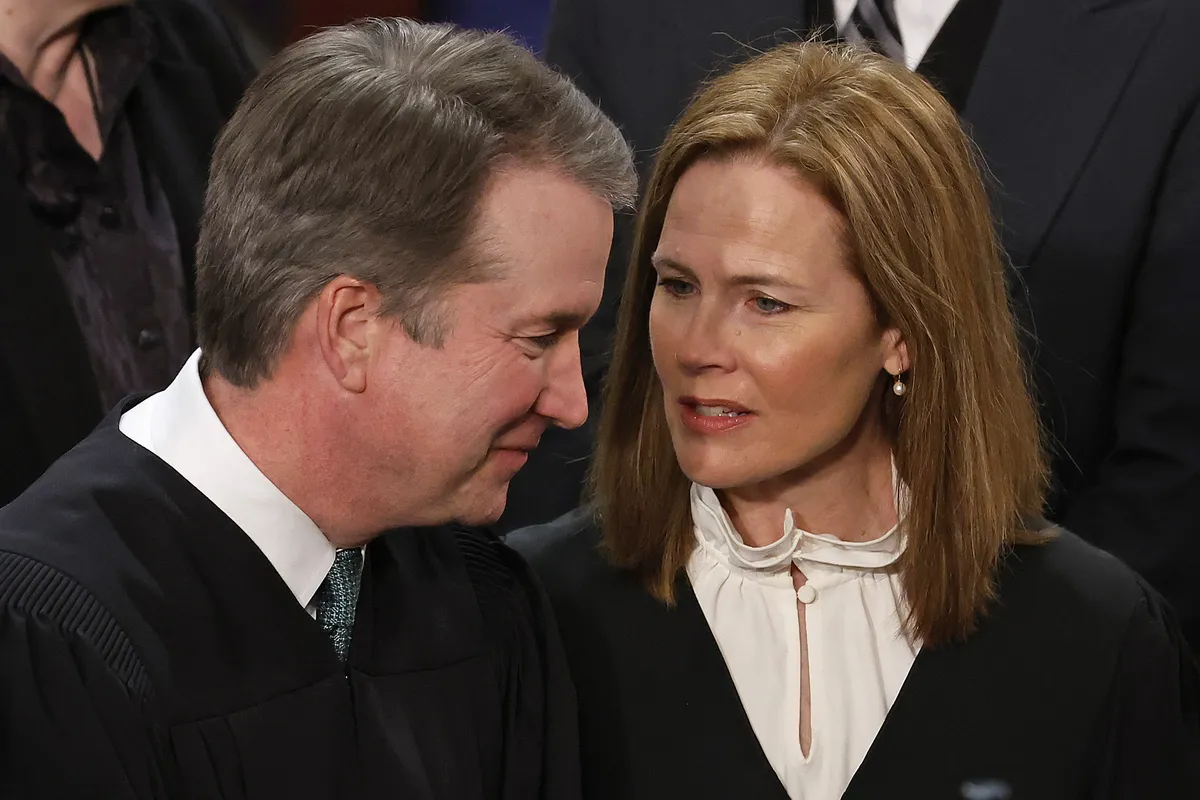
*Willing to draw a line somewhere
Photographer: Chip Somodevilla/Getty Images North America*
Contact us: Provide news feedback or report an error
Site feedback: Take our Survey
This week, four of the six conservative justices helped to block the Trump administration’s mail-in ballot scheme from going into place this Election Day. That’s a relief, but such partisan shenanigans aren’t permanently out of the question.
First, we can’t assume federal attempts to interfere with state-run elections are forever off the table. The majority didn’t give a reason for leaving in place the lower court order that prohibited the US Postal Service from implementing the plan, backed by President Donald Trump, that would have made it harder to vote by mail. One of the conservatives, Justice Brett Kavanaugh, wrote a separate concurrence to say that his only real concern was that it’s now too close to November for a new plan to go into place lawfully. Justice Samuel Alito, joined by Justice Clarence Thomas, wrote a dissent saying that he thought the plan was permissible.
Before it's here, it's on the Bloomberg Terminal
HomeBTV+Market DataOpinionAudioOriginalsMagazineEvents
News
MarketsEconomicsTechnologyPoliticsGreenCryptoAI
Work & Life
WealthPursuitsBusinessweekCityLabSportsEqualityManagement & Work
Market Data
StocksCommoditiesRates & BondsCurrenciesFuturesSectorsEconomic Calendar
Explore
NewslettersExplainersPointed News QuizAlphadots GameThe Big TakeGraphicsSubmit a TipAbout Us
Terms of ServiceTrademarksPrivacy Policy
CareersAdvertise
Ad Choices
Help©2026 Bloomberg L.P. All Rights Reserved.
Invalid domain for site key.
ERROR for site owner:
Invalid domain for site key
reCAPTCHA
Skip to content
Bloomberg the Company & Its Products The Company & its ProductsBloomberg Terminal Demo RequestBloomberg Anywhere Remote Login Bloomberg Anywhere LoginBloomberg Customer Support Customer Support
Live TV
* Markets
* Finance
* Economics
* Industries
* Tech
* Politics
* Businessweek
* Opinion
* Video
* More
US Edition
Opinion
Noah Feldman
,
Columnist
The Supreme Court’s Conservatives Have a Clear Logic on Voting
September 16, 2026 at 12:30 PM CDT
By Noah Feldman
Noah Feldman is a Bloomberg Opinion columnist. A professor of law at Harvard University, he is author, most recently, of “To Be a Jew Today: A New Guide to God, Israel, and the Jewish People."
*Willing to draw a line somewhere
Photographer: Chip Somodevilla/Getty Images North America*
Contact us: Provide news feedback or report an error
Site feedback: Take our Survey
This week, four of the six conservative justices helped to block the Trump administration’s mail-in ballot scheme from going into place this Election Day. That’s a relief, but such partisan shenanigans aren’t permanently out of the question.
First, we can’t assume federal attempts to interfere with state-run elections are forever off the table. The majority didn’t give a reason for leaving in place the lower court order that prohibited the US Postal Service from implementing the plan, backed by President Donald Trump, that would have made it harder to vote by mail. One of the conservatives, Justice Brett Kavanaugh, wrote a separate concurrence to say that his only real concern was that it’s now too close to November for a new plan to go into place lawfully. Justice Samuel Alito, joined by Justice Clarence Thomas, wrote a dissent saying that he thought the plan was permissible.
Before it's here, it's on the Bloomberg Terminal
HomeBTV+Market DataOpinionAudioOriginalsMagazineEvents
News
MarketsEconomicsTechnologyPoliticsGreenCryptoAI
Work & Life
WealthPursuitsBusinessweekCityLabSportsEqualityManagement & Work
Market Data
StocksCommoditiesRates & BondsCurrenciesFuturesSectorsEconomic Calendar
Explore
NewslettersExplainersPointed News QuizAlphadots GameThe Big TakeGraphicsSubmit a TipAbout Us
Terms of ServiceTrademarksPrivacy Policy
CareersAdvertise
Ad Choices
Help©2026 Bloomberg L.P. All Rights Reserved.
Invalid domain for site key.
ERROR for site owner:
Invalid domain for site key
reCAPTCHA
🔗 Share Article
Tags:#المحكمة العليا الأمريكية#الانتخابات#التصويت بالبريد#إدارة ترامب#القضاء الأمريكي#السياسة الأمريكية
Source: Bloomberg
For Context
Related reads from the same topic or latest developments