China’s Teapot Refineries Cut Operations to Their Lowest Level Since 2017
Oil Price
O
Oil Price
Original Source
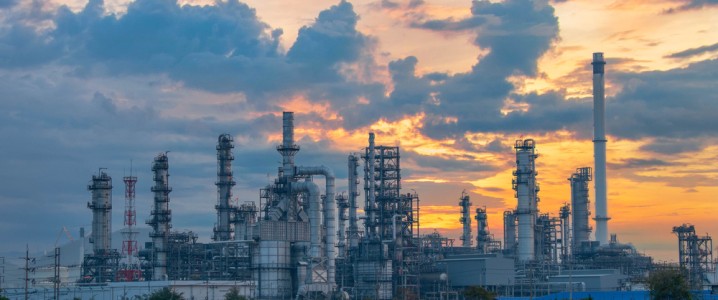
China's independent refineries have slashed utilization rates to their lowest level since 2017, driven by surging feedstock costs, weakening domestic fuel demand, and export restrictions. The sharp decline—surpassing even pandemic-era levels—reflects the sector's vulnerability to Middle East conflicts and tightening supply chains.
The independent refiners in China, the so-called teapots, have slashed their refinery run rates to the lowest level since 2017, as high feedstock prices, weak domestic fuel consumption, and restricted exports have hit margins.
Refinery runs at the refiners in the Shandong province slumped to just 50.5% last week, per data from consultancy JLC cited by Bloomberg. These run rates are even lower than in 2020, when the pandemic hit China’s fuel consumption. The current utilization rates are at the lowest level since August 2017, when the independent refiners saw their run rates crash to a low of 44%, according to the data tracked by JLC.
All Chinese refiners have slashed refinery utilization rates in recent months as imports crashed amid the high prices in the wake of the Middle East conflict.
Chinese refiners reduced their run rates to the lowest in four years as crude imports slumped to an eight-year low. The average run rate for Chinese refineries in May stood at 66.3%, with total volumes processed over the month down by 9.1% on the year to 53.72 million tons.
The independent refiners have faced an even more precarious situation—crude prices have jumped, Chinese fuel demand has slumped, and authorities have restricted fuel exports to keep sufficient domestic stocks amid the shock loss of crude supply from the Middle East.
The teapots were struggling to turn profits even before the Iran war, and the supply shock and crude price surge were the last thing the key importers of Iranian crude needed.
It’s not certain that China’s independent refiners will immediately return to raising utilization rates amid the recent drop in oil prices and the U.S. waiver authorizing the sale of Iranian crude until August 21, analysts say.
Stockpiles at Shandong are above the 2025 volumes, and Chinese fuel demand remains weak amid a broader shift to EVs, which accelerated after oil prices hit $100 per barrel and higher during the Iran war.
By Tsvetana Paraskova for Oilprice.com
More Top Reads From Oilprice.com
US Crude Oil Inventories Continue To Falter, SPR Struggling To Pick Up the Slack
Trump Orders Gas Price Gouging Probe
Saudis Turn to Russian Fuel Oil as Iran War Saps Fossil Power Supplies
Refinery runs at the refiners in the Shandong province slumped to just 50.5% last week, per data from consultancy JLC cited by Bloomberg. These run rates are even lower than in 2020, when the pandemic hit China’s fuel consumption. The current utilization rates are at the lowest level since August 2017, when the independent refiners saw their run rates crash to a low of 44%, according to the data tracked by JLC.
All Chinese refiners have slashed refinery utilization rates in recent months as imports crashed amid the high prices in the wake of the Middle East conflict.
Chinese refiners reduced their run rates to the lowest in four years as crude imports slumped to an eight-year low. The average run rate for Chinese refineries in May stood at 66.3%, with total volumes processed over the month down by 9.1% on the year to 53.72 million tons.
The independent refiners have faced an even more precarious situation—crude prices have jumped, Chinese fuel demand has slumped, and authorities have restricted fuel exports to keep sufficient domestic stocks amid the shock loss of crude supply from the Middle East.
The teapots were struggling to turn profits even before the Iran war, and the supply shock and crude price surge were the last thing the key importers of Iranian crude needed.
It’s not certain that China’s independent refiners will immediately return to raising utilization rates amid the recent drop in oil prices and the U.S. waiver authorizing the sale of Iranian crude until August 21, analysts say.
Stockpiles at Shandong are above the 2025 volumes, and Chinese fuel demand remains weak amid a broader shift to EVs, which accelerated after oil prices hit $100 per barrel and higher during the Iran war.
By Tsvetana Paraskova for Oilprice.com
More Top Reads From Oilprice.com
US Crude Oil Inventories Continue To Falter, SPR Struggling To Pick Up the Slack
Trump Orders Gas Price Gouging Probe
Saudis Turn to Russian Fuel Oil as Iran War Saps Fossil Power Supplies
🔗 Share Article
Tags:#الطاقة#الصين#مصافي التكرير#النفط الخام#الشرق الأوسط#الاقتصاد
Source: Oil Price
For Context
Related reads from the same topic or latest developments