The Energy Map Is Shifting as the World Redraws the Oil and Gas Compass

Riyam Jamal
Writer at CROSS LINES
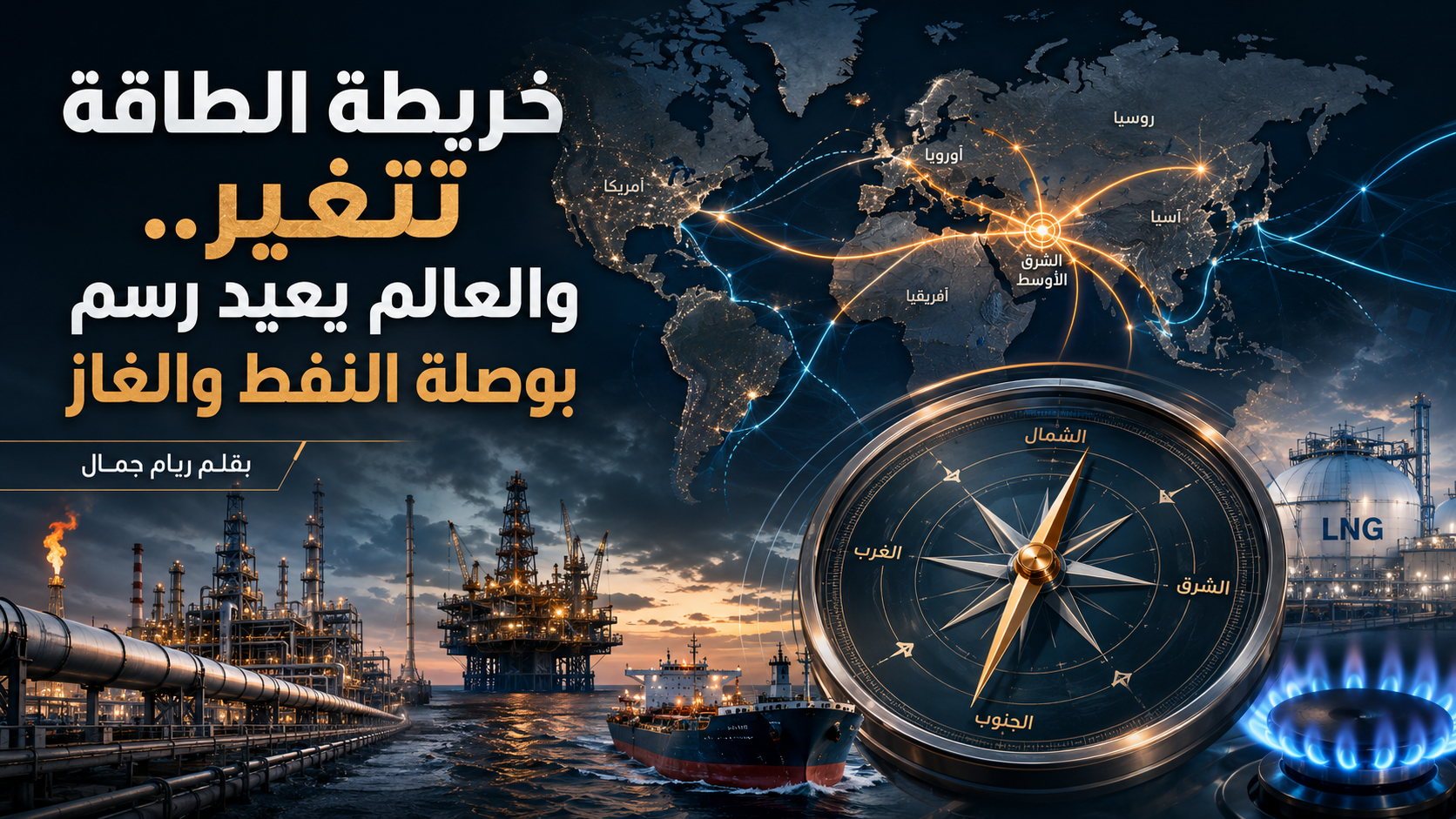
Regional tensions have reverberated across global energy markets, as supply disruptions have forced countries to redirect oil and gas trade flows. This article examines the principal beneficiaries of these changes and how regional and international developments have redrawn the global energy map.
Escalating tensions in the region have reshaped global energy trade, imposing unprecedented challenges on oil and gas markets. Attacks on Gulf oil facilities and heightened security risks in the Strait of Hormuz have disrupted supplies from the Gulf, prompting major importers to reassess and diversify their sources of energy.
As Gulf energy flows declined, Europe sought to strike a balance between American and Russian gas to secure its needs, while China and India moved quickly to increase their purchases of Russian oil to compensate for reduced supplies from the Middle East.
Meanwhile, Russia’s energy sector faced mounting pressure from Ukrainian drone attacks targeting refineries and fuel facilities. The disruptions forced Moscow to import gasoline from abroad, with India emerging as a leading supplier.
Data from the Centre for Research on Energy and Clean Air, or CREA, showed that India’s imports of Russian crude oil reached a record level in June, rising by 34 percent from the previous month, while its purchases of Iranian crude declined.
The value of India’s Russian oil imports reached approximately €4.5 billion, accounting for 83 percent of its total Russian fossil-fuel imports of €5.5 billion. This made India the second-largest buyer of Russian energy after China.
Despite lower oil prices, strong Indian demand helped increase Russian crude exports by 14 percent in June. However, Moscow’s oil revenues declined by approximately 8 percent to €348 million per day.
Refineries in India, Türkiye, and Georgia also continued exporting petroleum products to Western countries that have imposed sanctions on Russia. The value of these exports exceeded €814 million in June, including €369 million worth of products refined from Russian crude.
In a notable paradox, the European Union received two shipments of petroleum products refined in India using Russian crude. The United Kingdom also received its first shipment of aviation fuel from India’s Jamnagar refinery, benefiting from exemptions that permit the import of certain refined products.
China, meanwhile, maintained its position as the largest buyer of Russian energy, with its imports of Russian fossil fuels valued at approximately €7.3 billion. Chinese customs data also showed that imports of Russian oil rose by 11 percent year on year in April, while imports from Saudi Arabia declined by 8 percent.
The shift was not limited to the oil market. European countries continued importing Russian gas despite sanctions. The five largest importers of Russian fossil fuels within the European Union paid approximately €1.7 billion in June, with pipeline gas and liquefied natural gas accounting for nearly three-quarters of that amount.
In the global gas market, the International Energy Agency reported a sharp decline in liquefied natural gas supplies from Qatar and the United Arab Emirates between March and June 2026. Supplies fell by approximately 35 billion cubic metres compared with the same period a year earlier because of the consequences of the war and disruptions to supply routes.
A significant part of this shortfall was offset by increased production from new projects in North America and Africa, as well as higher supplies from Russia and traditional producers in Asia and Africa. As a result, liquefied natural gas exports from outside the Gulf increased by approximately 18 percent during the same period.
Despite that increase, global liquefied natural gas production fell by approximately 4 percent between March and June, reflecting the continuing pressures facing international energy markets.
As Iran redirects oil and gas trade, Russia is confronting a parallel battle on the energy front. Ukrainian attacks have deepened the country’s domestic fuel crisis, forcing Moscow to import approximately 110,000 tonnes of gasoline by sea from India.
Russia reportedly plans to increase those imports to approximately 400,000 tonnes per month, while also expanding fuel supplies from Belarus.
As Gulf energy flows declined, Europe sought to strike a balance between American and Russian gas to secure its needs, while China and India moved quickly to increase their purchases of Russian oil to compensate for reduced supplies from the Middle East.
Meanwhile, Russia’s energy sector faced mounting pressure from Ukrainian drone attacks targeting refineries and fuel facilities. The disruptions forced Moscow to import gasoline from abroad, with India emerging as a leading supplier.
Data from the Centre for Research on Energy and Clean Air, or CREA, showed that India’s imports of Russian crude oil reached a record level in June, rising by 34 percent from the previous month, while its purchases of Iranian crude declined.
The value of India’s Russian oil imports reached approximately €4.5 billion, accounting for 83 percent of its total Russian fossil-fuel imports of €5.5 billion. This made India the second-largest buyer of Russian energy after China.
Despite lower oil prices, strong Indian demand helped increase Russian crude exports by 14 percent in June. However, Moscow’s oil revenues declined by approximately 8 percent to €348 million per day.
Refineries in India, Türkiye, and Georgia also continued exporting petroleum products to Western countries that have imposed sanctions on Russia. The value of these exports exceeded €814 million in June, including €369 million worth of products refined from Russian crude.
In a notable paradox, the European Union received two shipments of petroleum products refined in India using Russian crude. The United Kingdom also received its first shipment of aviation fuel from India’s Jamnagar refinery, benefiting from exemptions that permit the import of certain refined products.
China, meanwhile, maintained its position as the largest buyer of Russian energy, with its imports of Russian fossil fuels valued at approximately €7.3 billion. Chinese customs data also showed that imports of Russian oil rose by 11 percent year on year in April, while imports from Saudi Arabia declined by 8 percent.
The shift was not limited to the oil market. European countries continued importing Russian gas despite sanctions. The five largest importers of Russian fossil fuels within the European Union paid approximately €1.7 billion in June, with pipeline gas and liquefied natural gas accounting for nearly three-quarters of that amount.
In the global gas market, the International Energy Agency reported a sharp decline in liquefied natural gas supplies from Qatar and the United Arab Emirates between March and June 2026. Supplies fell by approximately 35 billion cubic metres compared with the same period a year earlier because of the consequences of the war and disruptions to supply routes.
A significant part of this shortfall was offset by increased production from new projects in North America and Africa, as well as higher supplies from Russia and traditional producers in Asia and Africa. As a result, liquefied natural gas exports from outside the Gulf increased by approximately 18 percent during the same period.
Despite that increase, global liquefied natural gas production fell by approximately 4 percent between March and June, reflecting the continuing pressures facing international energy markets.
As Iran redirects oil and gas trade, Russia is confronting a parallel battle on the energy front. Ukrainian attacks have deepened the country’s domestic fuel crisis, forcing Moscow to import approximately 110,000 tonnes of gasoline by sea from India.
Russia reportedly plans to increase those imports to approximately 400,000 tonnes per month, while also expanding fuel supplies from Belarus.
🔗 Share Article
For Context
Related reads from the same topic or latest developments