
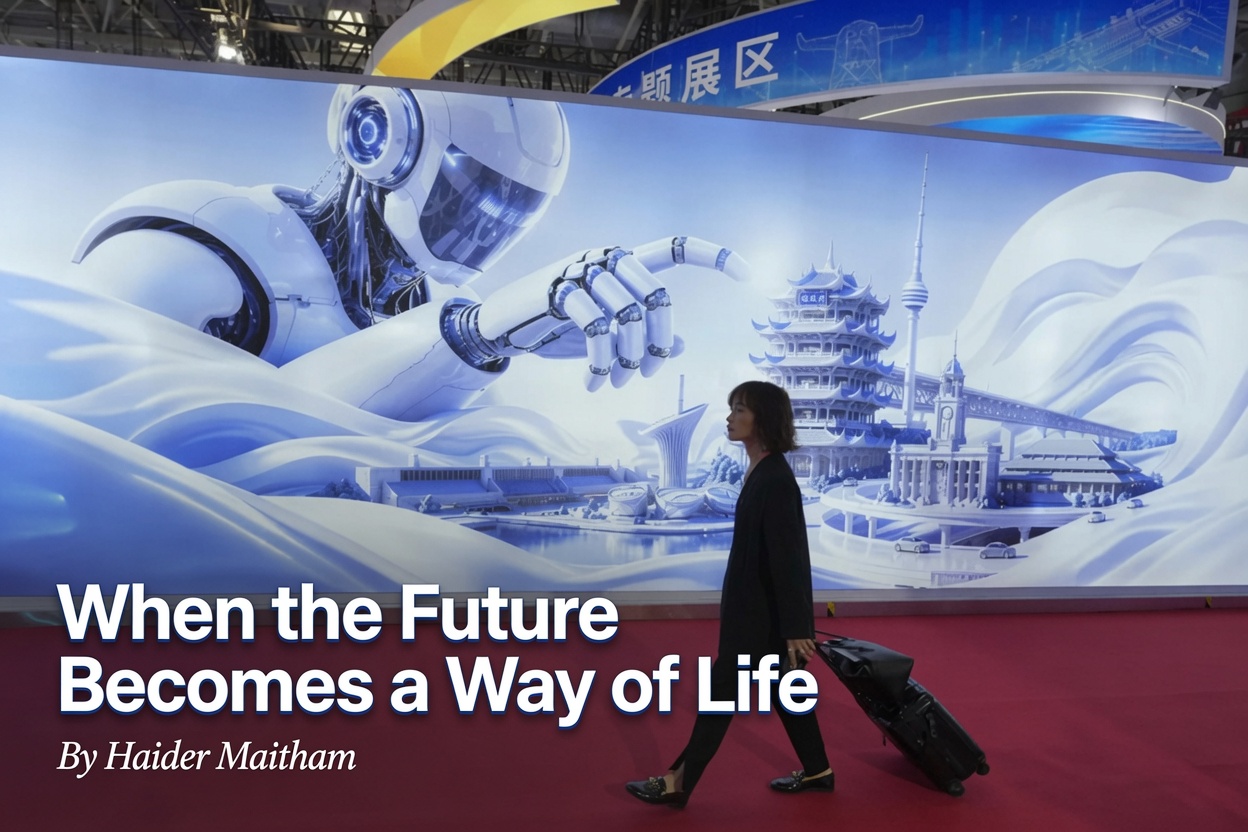
Over the past several decades, China has undergone extraordinary transformations across virtually every sector, driven by massive investments in technology, scientific research, infrastructure, and the digital economy.
Years of sustained planning and development—particularly during the past decade—have produced cities that stand among the world's leading examples of smart urban development. Advanced technologies are seamlessly integrated into everyday life, delivering public services with remarkable speed, efficiency, and organization.
This transformation is especially evident in China's modern transportation network, as well as in the widespread use of shared mobility services. Electric and conventional bicycles can be rented and returned effortlessly through smartphone applications, making urban transportation both practical and environmentally friendly.

China has also emerged as one of the world's most advanced cashless economies. A significant share of everyday purchases is completed through smartphones, QR codes, and, in some cases, facial recognition technology. These innovations have made financial transactions faster, more convenient, and have firmly embedded digital payments into daily life.
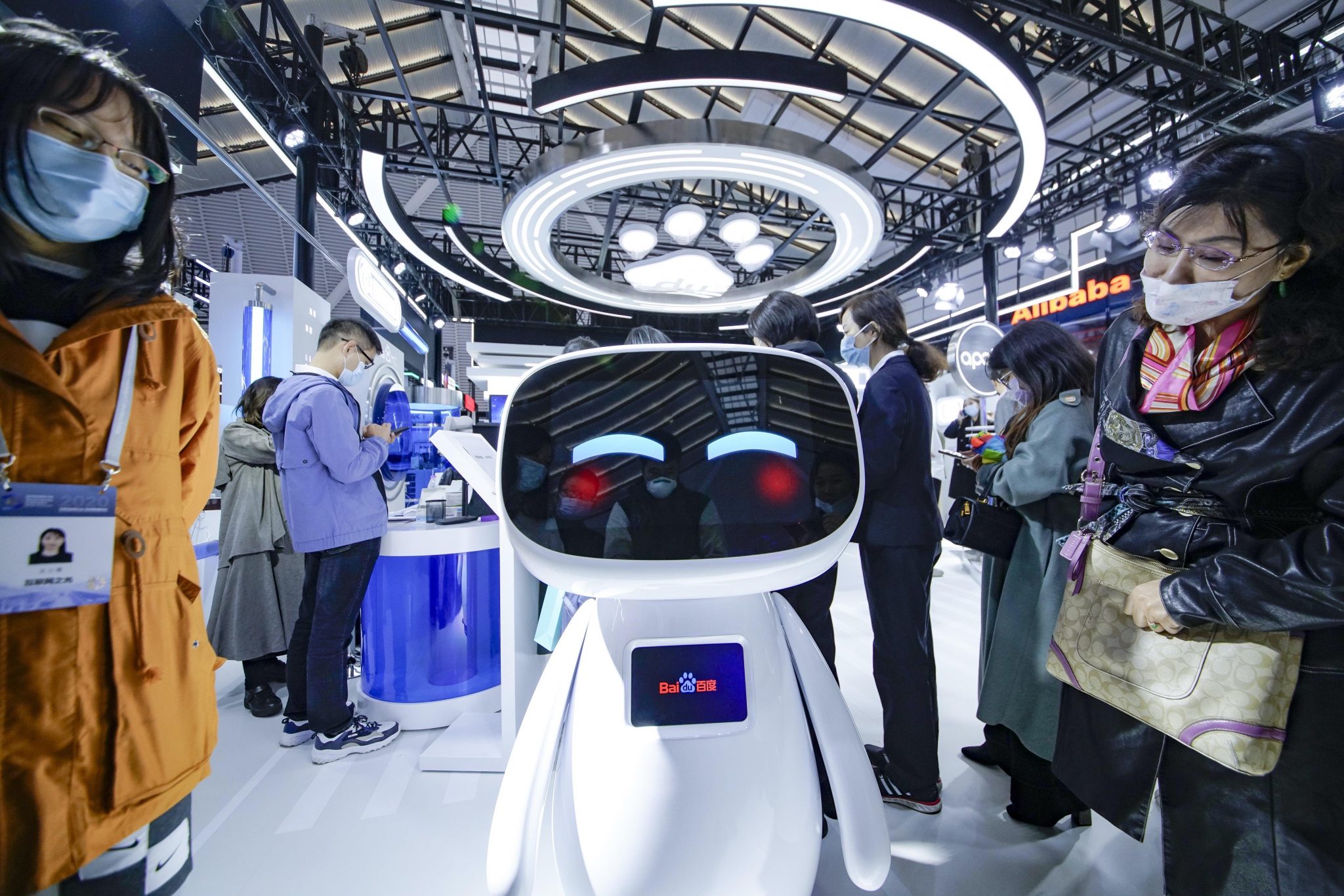
From what I witnessed firsthand, China's experience represents a compelling example of a nation that has successfully harnessed technology to drive comprehensive development. Innovation is no longer confined to research laboratories or specialized institutions; it has become an essential part of everyday life for hundreds of millions of people.
As a result, China is no longer viewed solely as an economic or industrial powerhouse. Increasingly, it is recognized for its ability to shape a future built on knowledge, technological innovation, and intelligent infrastructure.
In China, the future is not a distant destination waiting to be reached. It is a comprehensive project being built every day—gradually becoming a way of life.