A few days ago, the American news outlet Axios, citing U.S. officials, reported that the Trump administration was holding talks with Venezuela’s interim government over acquiring an ownership stake in the country’s oil resources.
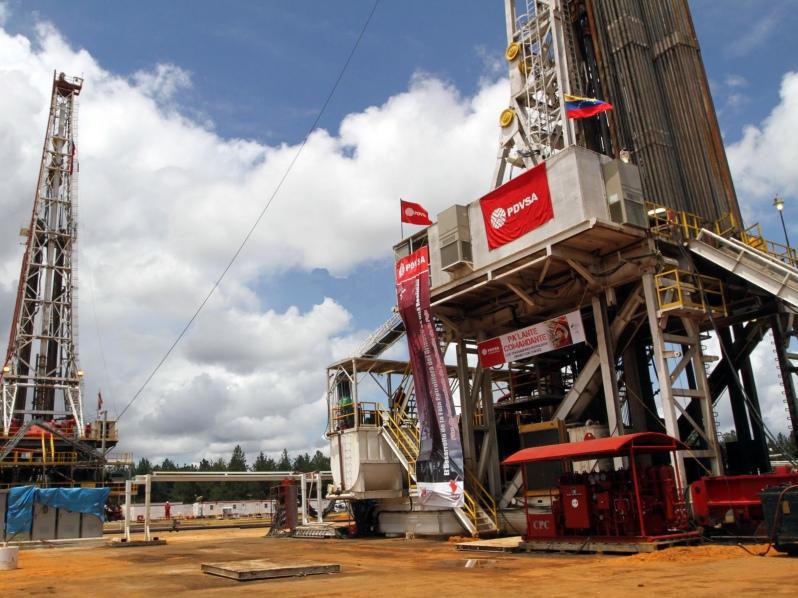
A few days ago, the American news outlet Axios, citing U.S. officials, reported that the Trump administration was holding talks with Venezuela’s interim government over acquiring an ownership stake in the country’s oil resources. Bloomberg later confirmed the discussions. Reports have circulated about the possibility of lease agreements extending for as long as 100 years, involving control over 12 producing oil fields containing an estimated 90 billion barrels of proven reserves—roughly one-third of Venezuela’s total proven reserves of around 300 billion barrels.
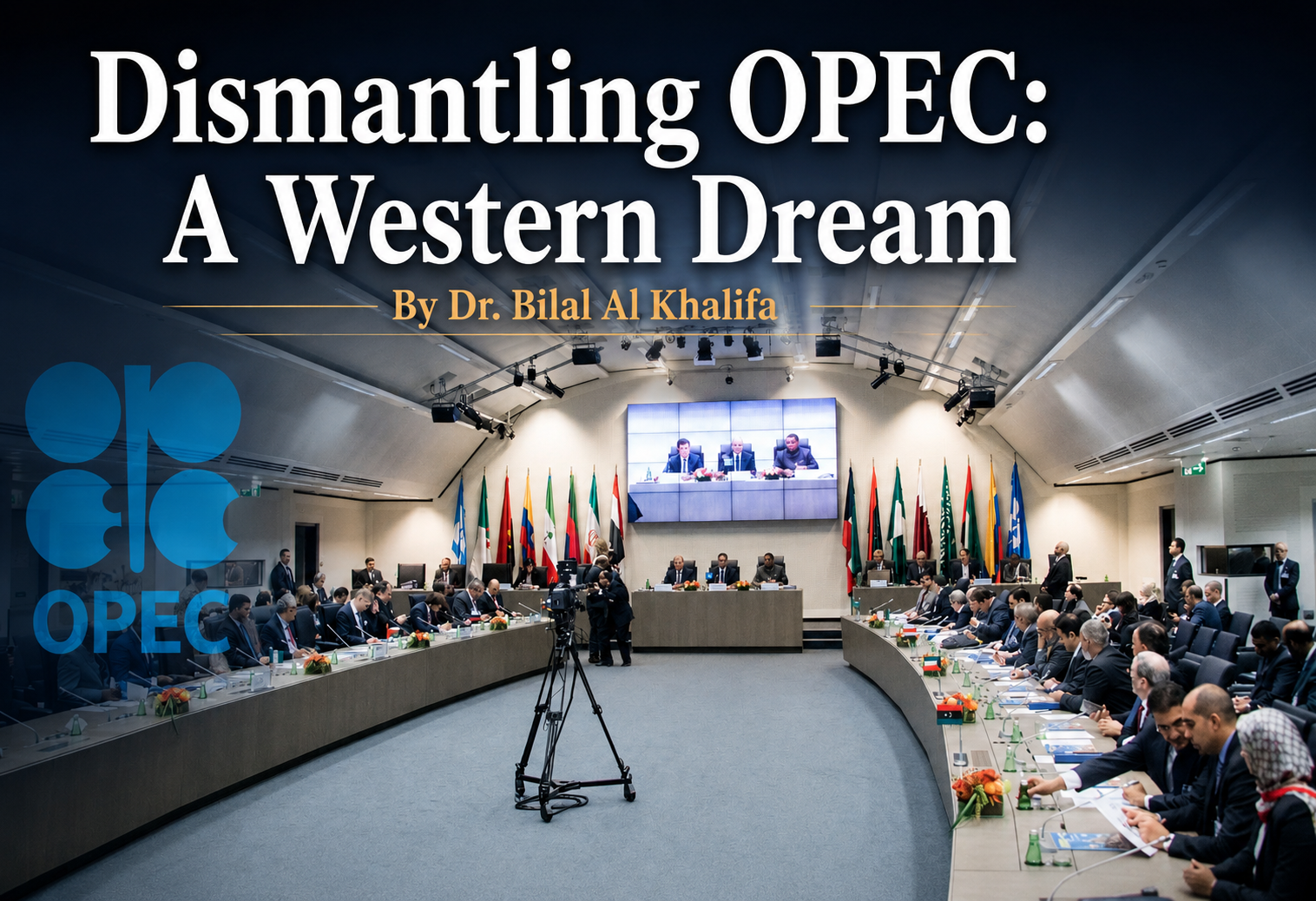
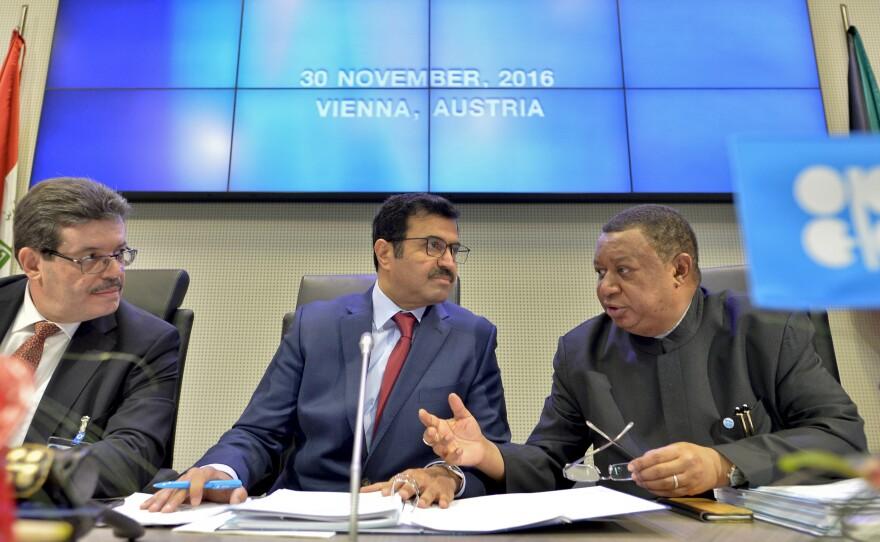
However, the most important aspect of these discussions is that the possibility of Venezuela withdrawing from the Organization of the Petroleum Exporting Countries (OPEC) was reportedly raised during talks between Venezuelan and American officials, although no final decision has yet been made. According to one source, some U.S. officials envision creating a new oil power through an alliance between the United States and Venezuela, potentially reducing OPEC’s influence over the global crude oil market.
At the outset, it is necessary to clarify several important points.
Proven U.S. reserves of crude oil and condensates stood at approximately 46 billion barrels at the end of 2024, representing a decline of about 1 percent from 2023, according to the U.S. Energy Information Administration (EIA).
Meanwhile, U.S. crude oil and natural gas liquids production continued to reach successive record levels during 2026, rising to approximately 13.93–13.94 million barrels per day in April 2026. The EIA expects annual average U.S. crude oil production in 2026 to reach approximately 13.65–13.72 million barrels per day, with production projected to exceed 14 million barrels per day in 2027.
Based on simple calculations, this would mean that the lifespan of current U.S. oil reserves, at present production rates, is approximately nine years, particularly in the absence of major new discoveries capable of replacing depleted reserves.
For this reason, alongside other factors that deserve separate discussion, the United States increasingly needs access to crude oil in order to secure its long-term energy future and maintain access to what remains one of the world’s most important strategic resources.
This helps explain Washington’s increasingly visible efforts to strengthen its position in countries possessing large oil reserves, with Venezuela being one of the clearest examples.
Venezuela was one of the five founding members of OPEC in 1960 and later played an important role in the emergence of the OPEC+ alliance with Russia in 2016. However, its influence has declined considerably because of sanctions and domestic political and economic instability, which reduced the country’s oil production to less than half of what it was roughly a decade ago.
A potential Venezuelan withdrawal could therefore raise further questions about OPEC’s ability to maintain internal cohesion and preserve its influence over oil prices, particularly amid broader changes within the organization and the departure or potential departure of other members.
The Importance of OPEC+
The OPEC+ framework carries significant strategic and economic importance for its member states for several reasons:
Countering the dominance of major oil-consuming countries and their corporations. Historically, international oil markets were heavily influenced by major Western oil companies, including the group once known as the “Seven Sisters.” Providing market studies and assessments of global conditions. The organization examines international oil markets as well as the capabilities, circumstances, and specific characteristics of member states, allowing collective decisions to be taken in a manner that attempts to accommodate the interests of all members. Maintaining relatively balanced oil prices. OPEC seeks to maintain price levels that are compatible with the prices of manufactured goods and that remain economically viable for producing countries without becoming excessively burdensome for consuming countries. Advising member states on the use of surplus oil revenues. The organization has historically encouraged the investment of excess financial revenues in economic development within producing countries. Coordinating production among member states. Such coordination helps prevent destructive competition between producers and reduces the risk of severe instability in global oil markets. Providing a collective shield against external political and legislative pressure. One example is the proposed U.S. NOPEC legislation, which seeks to remove certain sovereign immunity protections enjoyed by oil-exporting states and could potentially allow legal action against OPEC members over production coordination. Supporting member states in asserting sovereignty over their petroleum resources. Historically, OPEC played an important role in strengthening the ability of oil-producing countries to take greater control over their resources and reduce the dominance of multinational oil companies, particularly during the era of nationalization. Unifying positions on production and marketing policies. Russia, for example, had previously resisted some production-reduction recommendations, but this dynamic changed significantly with the creation of the OPEC+ framework and Moscow’s deeper coordination with OPEC producers.
The continued existence of such an organization is therefore highly significant.
The United States itself has long viewed OPEC with concern. In December 1973, one of the most influential figures in American diplomacy, Henry Kissinger, proposed that the United States and the major industrialized oil-consuming countries establish an organization capable of coordinating energy policy in response to the growing power of OPEC.
Kissinger believed that OPEC had begun to demonstrate its ability to shape the international oil market and that the major consuming countries needed an institutional mechanism capable of counterbalancing its influence.
This led to the well-known Washington Energy Conference in February 1974, attended by European countries, Japan, and other major industrialized economies.
Kissinger continued pushing for a permanent institutional framework, eventually contributing to the establishment of the International Energy Agency (IEA) on November 18, 1974.
The IEA developed what became known as the International Energy Program, designed to strengthen cooperation among major energy-consuming states and reduce their vulnerability to supply disruptions and to the market power exercised by oil-exporting countries.
From this perspective, one of the central strategic objectives behind the creation of the IEA was to counterbalance OPEC’s influence, restrict its ability to dominate global oil markets, and weaken its leverage whenever possible. These objectives were not entirely concealed; they were widely discussed within Western energy and strategic circles at the time.
Pressure by Major Powers on OPEC
Since its establishment, and particularly after OPEC began to play an increasingly influential role in global oil markets, the organization has faced continuous pressure from major industrial powers.
At one stage, OPEC members accounted for approximately 26 percent of global petroleum production. Their influence later expanded significantly, reaching around 48 percent in 2010 and approximately 51 percent by 2020, depending on the method of calculation and the categories of production included.
Before the rise of national oil companies and producer-state control, a large share of global oil production and marketing had effectively been dominated by major multinational oil corporations based in industrialized countries.
For this reason, some Western policymakers historically viewed OPEC as an organization representing developing countries that emerged during the Cold War and challenged an international energy system previously dominated by Western corporations and consuming states.
As a result, there have long been political and economic efforts to limit OPEC’s influence, weaken its ability to coordinate production, or—in the most ambitious scenarios—render the organization ineffective altogether.
Impact on the Oil Market
The immediate impact of a Venezuelan withdrawal from OPEC may appear limited in the short term because of the technical constraints facing Venezuela’s oil industry and the considerable decline in its current production compared with historical levels.
However, such a move would still represent a dangerous precedent and another potential fracture in the cohesion of the organization, particularly if it coincides with broader changes in membership or similar decisions by other producing countries.
In the coming period, we may therefore see other countries either considering withdrawal from OPEC or using the possibility of withdrawal as political leverage.
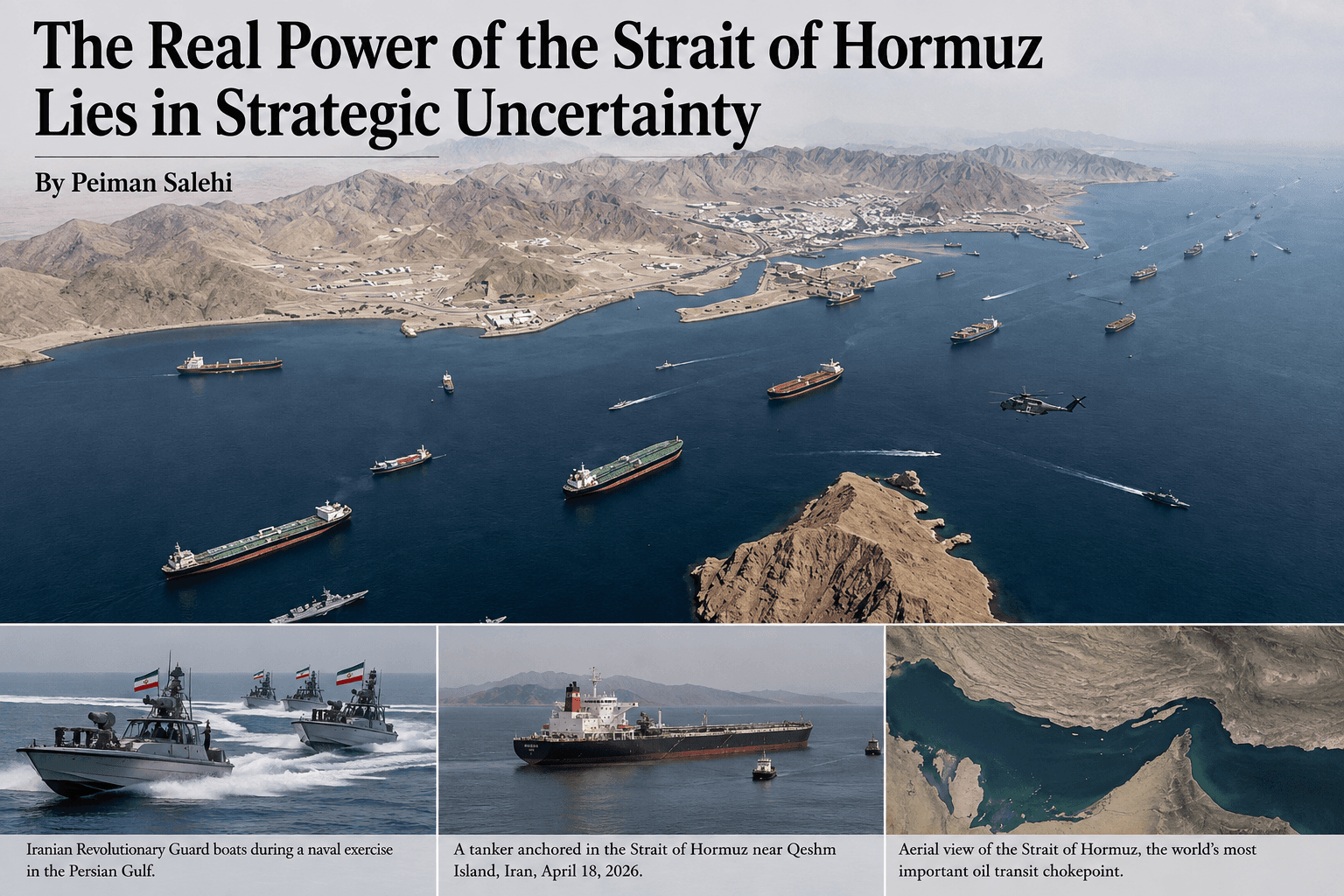
Any such development would likely occur within the context of growing Western pressure, particularly as major consuming economies seek to contain the rise in oil prices associated with the war and instability surrounding the Strait of Hormuz.
The ultimate objective would be to reduce both domestic and international economic pressure resulting from higher energy prices and the broader inflationary consequences they impose on major consuming economies.
In this sense, efforts to weaken OPEC should not be viewed merely as an isolated response to Venezuela. They form part of a much longer strategic struggle over who controls the global oil market, who determines production levels and prices, and whether producing countries can continue to exercise collective influence over the world’s most important energy resource.
🔗 Share Article
For Context
Related reads from the same topic or latest developments