Iraq at the Crossroads: Can Connectivity Replace Geopolitical Rivalry?
Editorial
Cross Lines editing
Source
CROSS LINES
CROSS LINES
Dr.Kamran Yeganegi
Writer at CROSS LINES
The article examines how Iraq can transform its strategic geography from a source of geopolitical vulnerability into an instrument of regional connectivity. It argues that the Development Road and Iraq’s wider infrastructure networks can strengthen the country’s strategic agency, provided they are governed through an inclusive framework connecting Iran, Türkiye, the Gulf states and the Levant.
Geography has always been both an opportunity and a destiny for Iraq. The country sits at the intersection of Iran, Türkiye, the Gulf and the Levant. Yet a location that could have fostered trade, transit and integration has often turned Iraq into an arena where regional and international interests collide. Today, Iraq faces a different possibility: transforming itself from a battleground for competing powers into a node connecting them. The Development Road, Grand Faw Port, energy networks, railways and digital routes could turn Iraq’s geography from a geopolitical vulnerability into a geo-economic asset. This transformation, however, will be sustainable only if connectivity does not mean excluding or bypassing any neighbour, particularly Iran. Geography not yet converted into power Iraq is one of the few countries capable of connecting the Gulf by land to Türkiye and Europe while simultaneously serving as a gateway between Iran and the Arab world. Its oil and gas resources, extensive borders and limited but strategic maritime access create a set of complementary advantages. A privileged location alone does not generate power. Geography becomes strategic leverage only when supported by efficient infrastructure, coherent governance, legal certainty and a balanced foreign policy. Iraq has so far functioned more as a passage for crises than as a conduit for goods, energy and capital. Baghdad’s opportunity is to reverse this equation: instead of allowing regional rivalries to pass through Iraqi territory, it could connect the economic interests of competing actors through Iraqi-managed networks.
The Development Road: More than a transit route
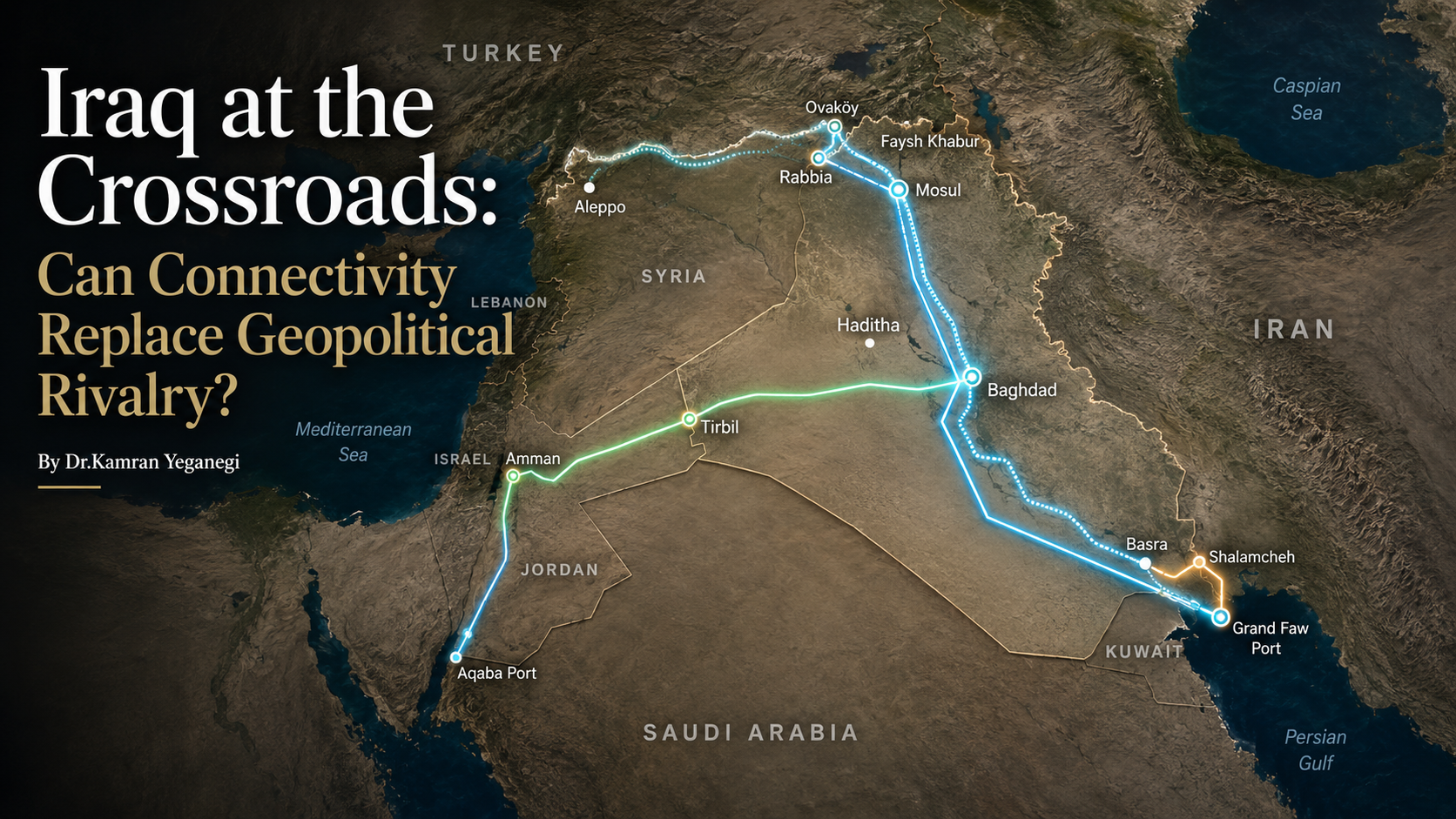
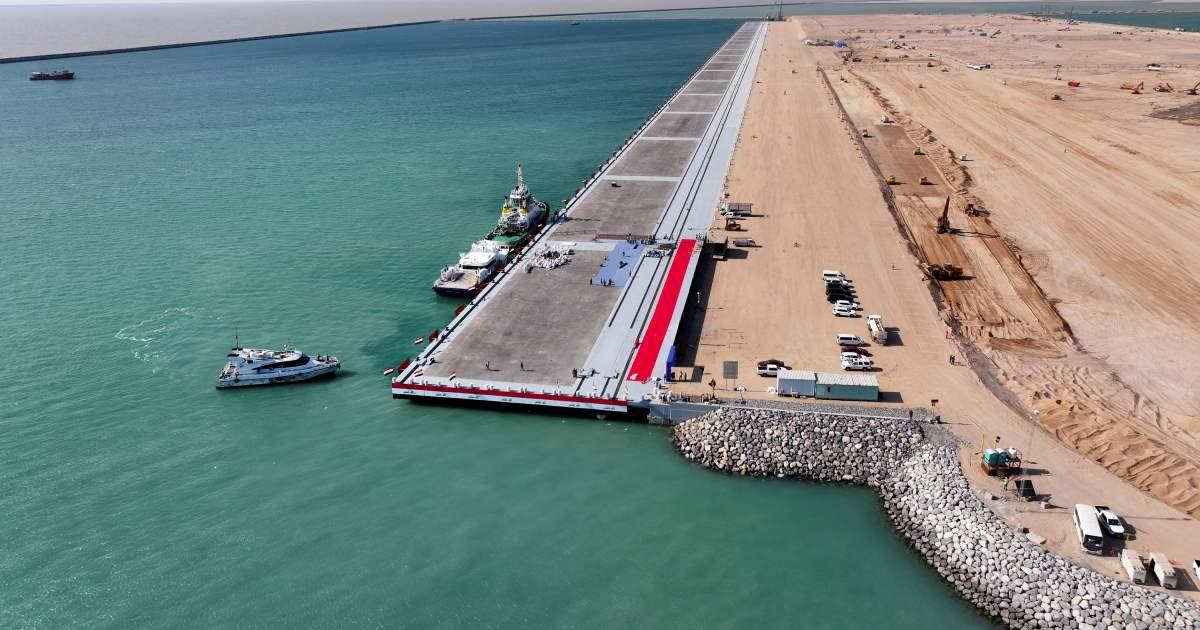
The Development Road, now at the centre of Iraq’s economic and parliamentary debates over transit, investment and revenue diversification, is intended to connect Grand Faw Port to the Turkish border and European markets through more than 1,200 kilometres of railways and motorways.
The project could shorten freight journeys between Asia, the Gulf and Europe, increase Iraq’s non-oil revenues and support logistics centres, industrial cities and employment. Its real importance, however, lies not simply in the length of the route or its transport capacity. It represents the first serious test of Iraq’s ability to convert geography into strategic agency.
Grand Faw Port
The main risk is that the project could be presented as a corridor designed to bypass certain states or strengthen one regional axis against another. Such a perception would turn an instrument of cooperation into a new source of competition and could provoke resistance from countries that consider themselves excluded.
Its success will therefore depend on Iraq presenting the Development Road as a complementary route connected to the networks of Iran, Türkiye, the Gulf states and the Levant, rather than as an alternative designed to undermine them.
Iran: Part of the connectivity architecture
No realistic vision of Iraqi regional connectivity can disregard Iran’s importance. The two countries share a long border, extensive trade, social and religious ties, and strategic complementarities across energy, transit and markets. Over time, these relations have also produced interdependence and shared security interests.
Iranian gas has supplied part of the fuel required by Iraqi power stations, while bilateral economic relations extend beyond formal trade into border economies and the daily lives of local communities. These ties are not merely a commercial dependency; they form part of the region’s economic and security reality.
This does not mean that Iraq should avoid diversifying its energy sources or economic partnerships. Diversification is essential to Iraqi national security, but diversification is not the same as exclusion. Baghdad can expand its relations with the Gulf states, Türkiye and Western partners without sacrificing its existing economic and infrastructural links with Iran.
Iraq could become a bridge connecting Iranian production and transit capacity to Arab and Mediterranean markets. In return, Iran’s rail, road and energy networks could extend Iraqi access towards Central Asia, the Caucasus and eastern trade routes. In this framework, Iran and Iraq need not be corridor rivals; they can become complementary components of a broader connectivity architecture.
Expanding these strategic complementarities could generate economic benefits while strengthening Iraqi stability and regional security by increasing the costs of confrontation and creating shared interests.
Connectivity as foreign policy
Infrastructure is never entirely neutral. The route of a railway, the origin of a pipeline and the rules governing access to a port all influence the distribution of power. To become a regional node, Iraq therefore needs more than construction projects. It needs a diplomacy of connectivity.
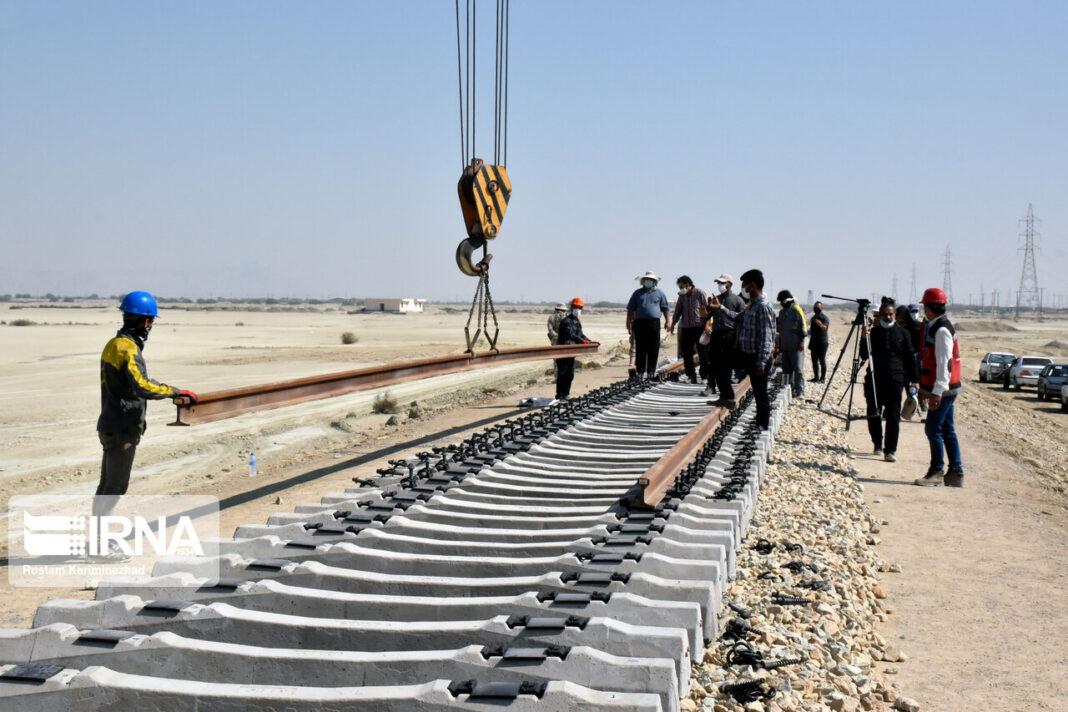
Shalamcheh–Basra Railway Link
Such diplomacy should rest on three principles. The first is inclusivity: no neighbour should believe that Iraqi projects are designed to exclude or encircle it. The second is route diversification, because dependence on a single corridor or partner creates new vulnerabilities. The third is interoperability, requiring the alignment of customs, railway, digital and energy standards with surrounding networks.
This approach would allow Baghdad to cooperate with Iran, Türkiye, Saudi Arabia, the UAE, Qatar and Jordan without confining itself to a single geopolitical bloc. Iraq’s strength could arise precisely from its ability to connect actors whose relations are not always smooth. The domestic obstacles to a regional vision The greatest obstacles to Iraq’s new role may lie not abroad but at home. Governance vulnerabilities, institutional fragmentation, corruption, customs inefficiencies, disputes between the federal government and the Kurdistan Region, legal uncertainty and shifting political priorities could deprive any corridor of its strategic value before it is completed.
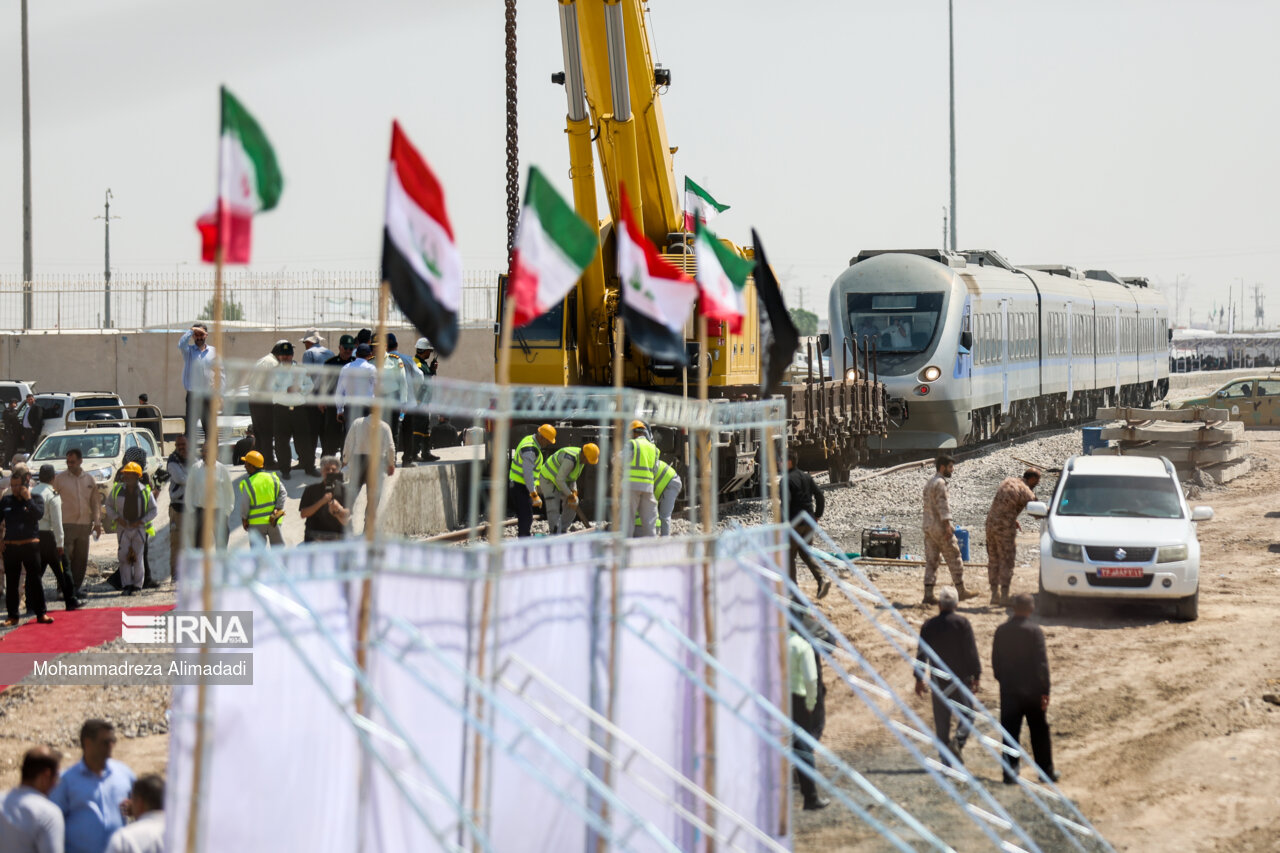
Shalamcheh–Basra Railway Project
If the Development Road merely carries foreign goods without supporting domestic industries, local employment and Iraqi value chains, the country could become a low-revenue transit space. Infrastructure produces power only when it also transforms the economy around it. Iraq also needs transparent rules for investment, tariffs, infrastructure access and dispute resolution. Without them, external competition could move inside Iraqi institutions and reproduce the very divisions that connectivity is supposed to reduce. From battleground to rule-maker Connectivity alone will not eliminate geopolitical rivalry. Railways and ports can become instruments of competition as readily as platforms for cooperation. The difference will be determined by how Iraq governs them. If Baghdad designs its projects around exclusion, bypass strategies and rival blocs, Iraqi geography will again become a theatre of competition. But if it connects Iran, Türkiye, the Gulf states and the Levant through a network of mutual interests, the costs of destabilizing Iraq will rise for every participant. Iraq’s strategic opportunity does not lie in choosing between East and West, or between Iran and the Arab world. It lies in connecting these spaces. Iraq will become a strategic actor when others depend on its stability not to control it, but to access the networks that Baghdad manages. Connectivity may not replace geopolitical rivalry altogether. It can, however, contain it and turn it into an interdependence in which cooperation becomes less costly—and more rewarding—than confrontation.
Share Article
For Context
Related reads from the same topic or latest developments