The Price of Being a Woman: Paying More, Earning Less
Editorial
Cross Lines editing
Source
CROSS LINES
CROSS LINES
Shai Aram
Writer at CROSS LINES
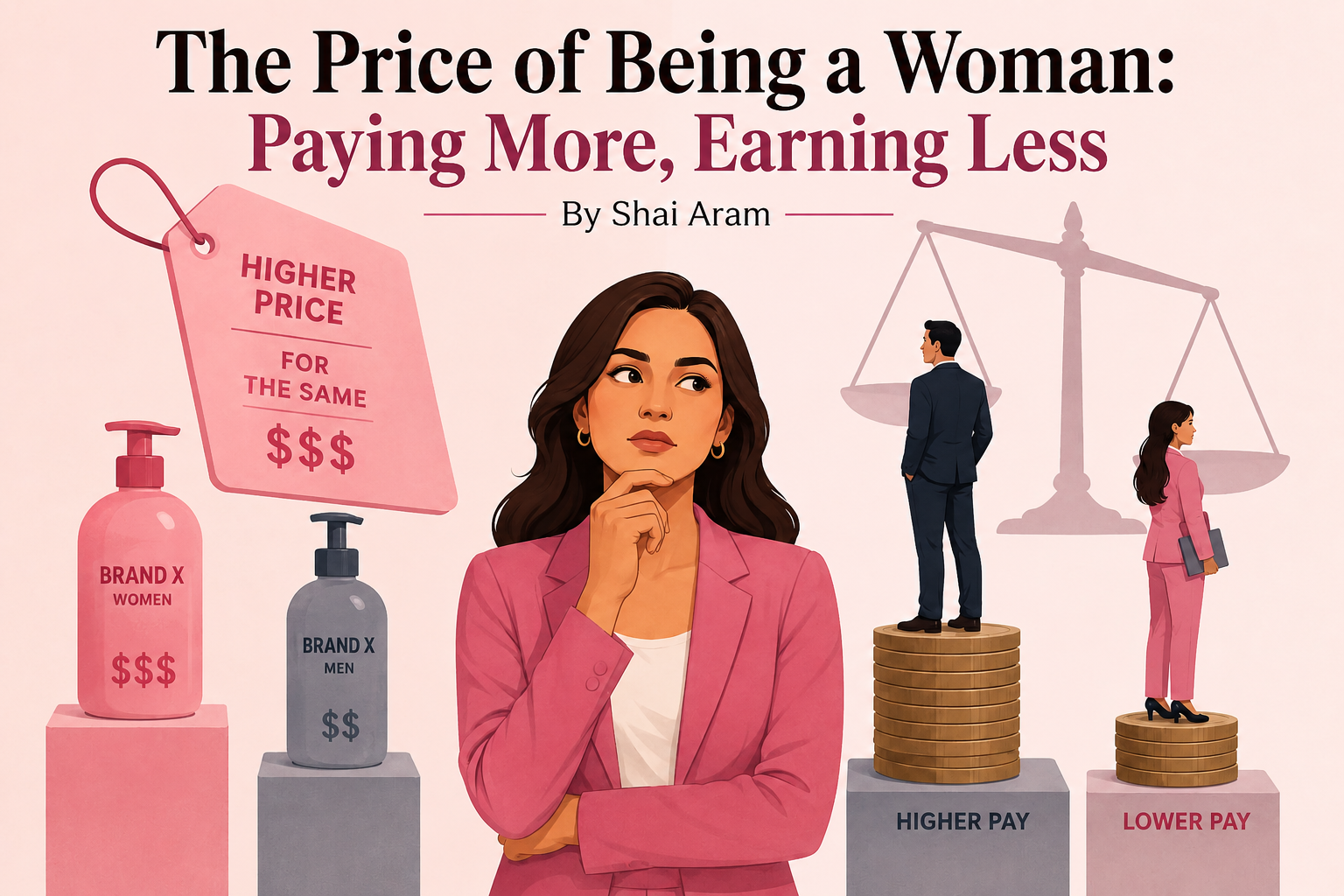
This article examines the hidden economic costs women face through the “Pink Tax” and persistent wage disparities. It explores how paying more for everyday goods while earning less can deepen financial inequality and limit women’s economic independence.
Pink Tax and Wage Discrimination: Two Poles of Women's Economic Exploitation
In a world where slogans of sustainable development and social justice are continuously echoed, being female still carries a heavy financial toll. Women and girls around the globe—in addition to facing social hurdles and gender-based violence—bear the burden of an unfair economic system. This system not only discriminates against them in pay, but also charges them more for purchasing simple, daily essentials.
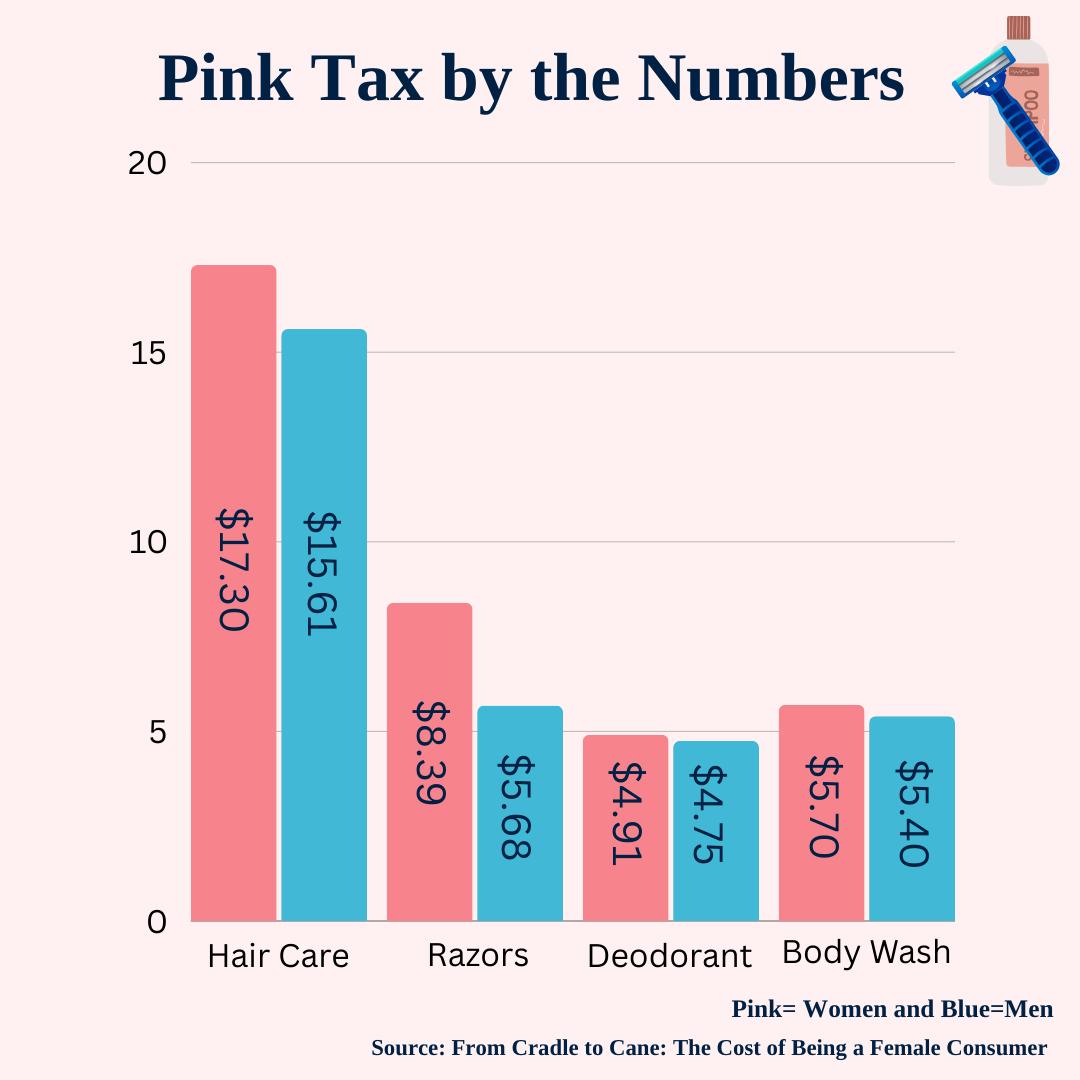
This systematic discrimination is known in economic jargon as the "Pink Tax"—a term describing the extra amount added to products and services tailored for women, while identical items produced for men carry lower prices. This phenomenon operates on gender-based marketing: companies inflate prices significantly just by changing packaging to pink or tweaking designs to look "delicate," generating massive profits in the process.
This inequality begins in childhood and extends through all stages of life, covering personal hygiene items, clothing, and even children's toys. Based on economic data from 2025 and 2026—sourced from periodic reports by the United Nations Department of Economic and Social Affairs (UN DESA), the Organization for Economic Co-operation and Development (OECD), and financial tracking by the National Consumers League—the following table outlines the price markups on women's goods compared to men's:
Product or Service Type
Average Price Difference (Percentage)
Nature of Market Discrimination
Personal Care Products
+13% higher for women
Shampoos, soaps, deodorants, and razors differ in price solely due to color and fragrance.
Clothing and Footwear
+8% higher for women
Women's clothing made from the same fabric and quality costs more due to design adjustments.
Children's Toys and Supplies
+7% higher for girls
Toys colored pink are priced higher than the exact same toys in blue or red.
Services (e.g., Haircuts)
+40% higher for women
Rates are higher even when the time and effort required by the stylist are identical.
Higher Taxes
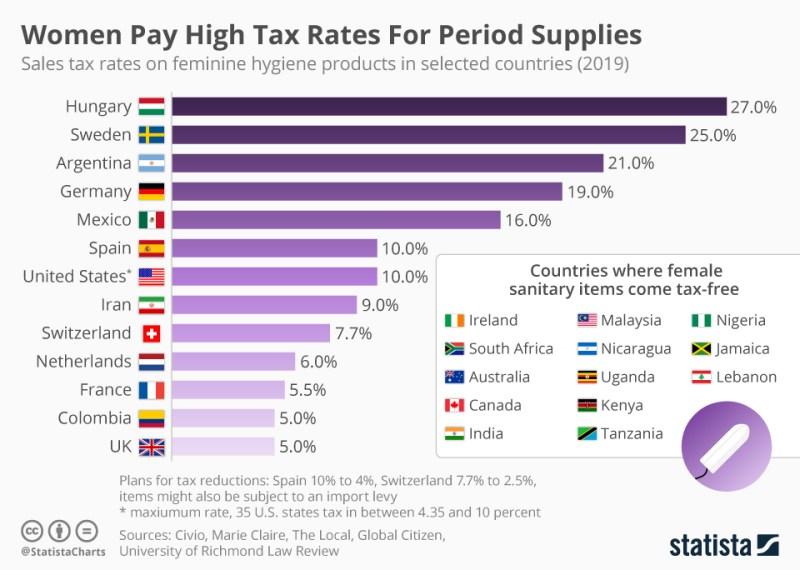
One of the most contentious dimensions of this issue is the Value Added Tax (VAT) imposed on menstrual hygiene products—commonly referred to as the "Tampon Tax." In many countries, tax codes still treat these essential supplies as "luxury or discretionary goods" rather than health necessities. As a result, women pay an extra 2% to 4% in taxes monthly, spending roughly $20,000 over their biological lifetime just for gender-specific health needs.
According to World Bank data on poverty mapping and 2025–2026 World Health Organization (WHO) monitoring reports, this disparity extends even to over-the-counter medications. The same painkiller with identical chemical effects costs 0.5% to 1% more if packaged in pink or marketed specifically for women's pain—a finding confirmed by Consumers International field studies.
Higher prcies comparing to men products
The true danger of the Pink Tax is that these extra costs are imposed on women while they already earn less, as the global gender pay gap remains unresolved. According to U.S. Department of Labor statistics, women earn an average of 82 cents for every dollar earned by men in the same role with equal responsibilities. In the UK, 8 out of 10 companies pay men higher wages. Meanwhile, in the European Union, the average wage gap stands documented at 13%, with women continuing to face major hurdles in accessing labor markets and senior positions.
Imposing these artificial costs alongside income disparities further drags down women's economic standing—especially when compounded by unpaid domestic labor, such as housework and childcare, which carries no recognized financial value. This cycle of lower income and higher expenses keeps many women financially dependent, posing a major barrier to gaining free will, economic autonomy, and personal development in society.
Tax rates between the countries
To curb this, governments must equalize import taxes, enact laws banning gender-based price discrimination, and fully exempt menstrual products from sales tax. Concurrently, raising consumer awareness among women is crucial so they can recognize and avoid items marked up solely for their color. Achieving economic independence for women and eliminating hidden taxes is not only a basic human right, but the essential path toward building a healthy and balanced society.
Share Article
For Context
Related reads from the same topic or latest developments