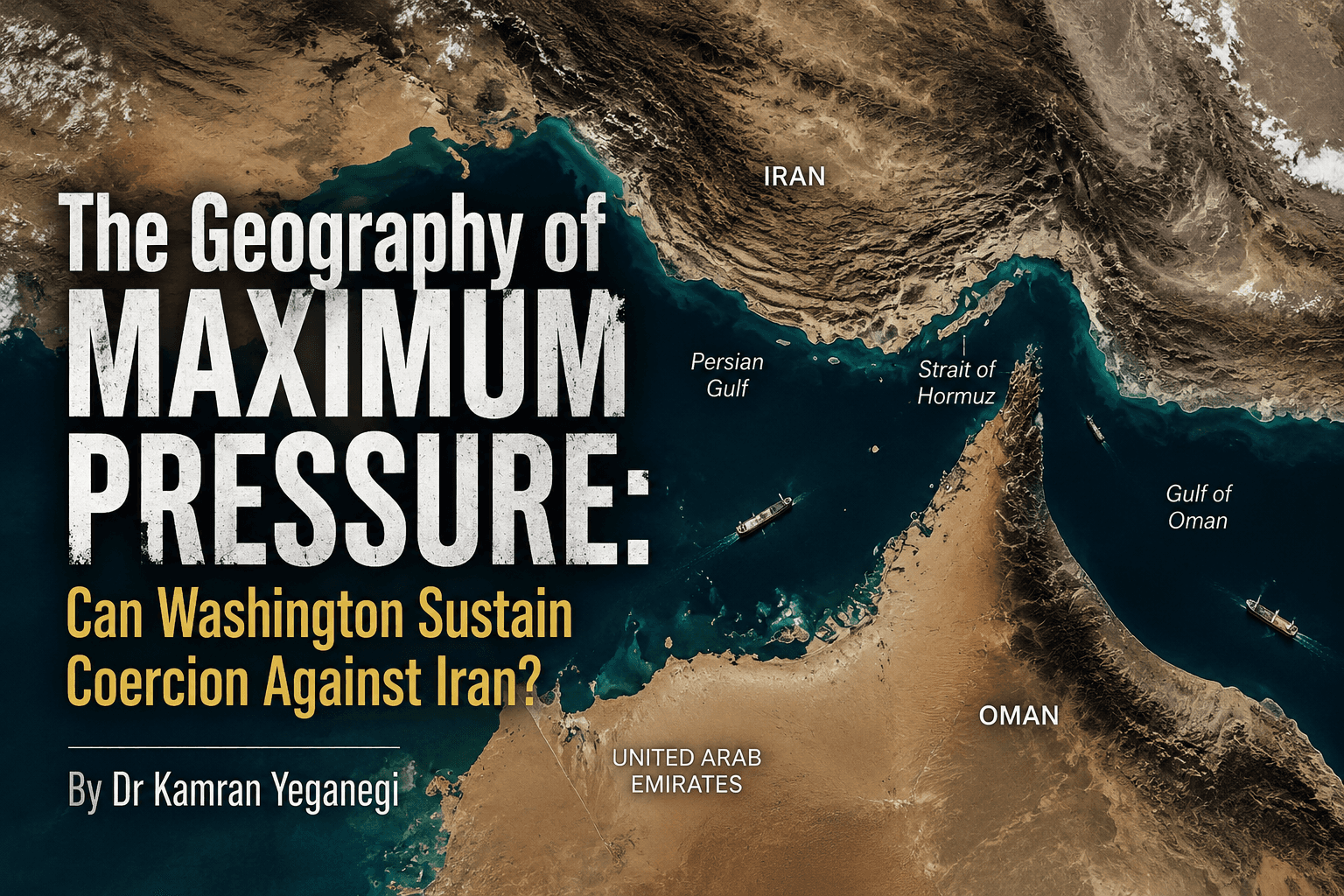
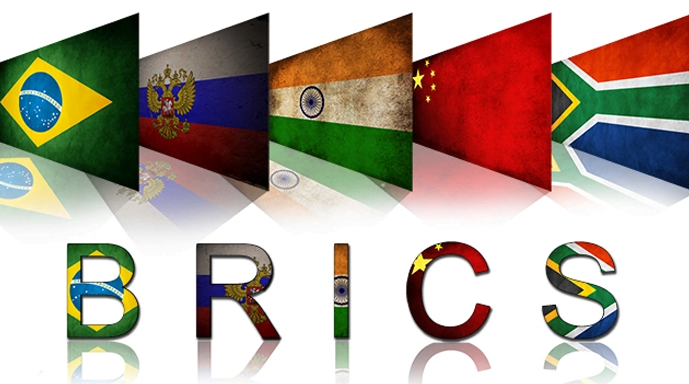
BRICS: The desire to form a multipolar system clashes with the leader's anger.
From our correspondents
فراس البدر
بغداد

Firas Majid Al-Badr
Writer at CROSS LINES
The focus is on the outcomes of the BRICS economic summit and efforts to establish a new economic system to replace the global financial order—currently dominated by the United States and the dollar—while exploring the inner workings of these meetings to achieve desired goals independent of "Uncle Sam's" agendas.
At first glance, the details and outcomes of the 18th BRICS economic summit suggest a bloc established to counter the unipolarity through which the United States dominates the global landscape, imposing its will wherever and however it chooses. The call to establish a multipolar economic order—one that supersedes U.S. hegemony, its sanctions regime, and its direction of global affairs—represents a challenge that must succeed; otherwise, the consequences in the near term could be grave.
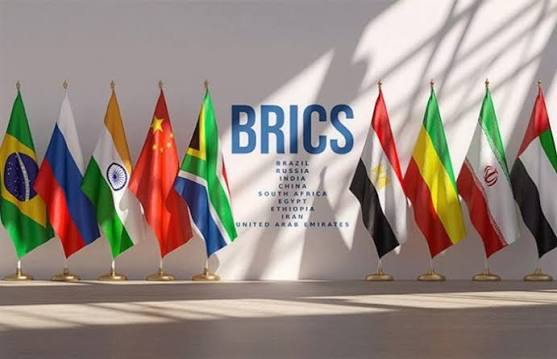
The publicly declared stance of the BRICS summit—held in New Delhi with the participation of Brazil, Russia, India, China, and South Africa, alongside Egypt, Ethiopia, Indonesia, Iran, and the UAE—emphasized the peaceful resolution of international disputes. It underscored the importance of prioritizing dialogue and diplomacy to resolve outstanding issues and conflicts, fostering global stability, and adopting a multilateral approach that respects diverse perspectives on key global matters. Furthermore, the statement highlighted the necessity of joint action to maintain the smooth flow of global trade and ensure the stability of supply chains and energy flows amidst the mounting challenges and disruptions facing the global economy. The final statement also expressed concern regarding the repercussions of growing nuclear threats and escalating conflicts across various regions of the world, calling for strengthened international efforts to reduce tensions and maintain international peace and security. Meanwhile, the Indian leader emphasized—in a speech characterizing the upcoming phase—the necessity of translating BRICS unity and consensus into tangible results; therein lies the greatest challenge: confronting the "white man"—represented by the United States—and its global dominance.
Observers of the international landscape believe that the BRICS group will struggle to challenge the US dollar, which dominates the vast majority of global trade, financial exchanges, and the overall economic order. This is one aspect of the situation; the other involves the group's efforts to establish an economic alliance capable of offering an alternative to US hegemony. This includes creating a new currency and a proprietary "SWIFT-like" system for member states and future adherents, effectively decoupling from the US currency and financial systems linked to it.
While the primary objective of the BRICS summit is to explore ways to boost trade and investment and address global conflicts, the bloc’s ultimate goal is to play a more significant role in shaping the global agenda for emerging and developing nations. It seeks to control trade routes and commercial exchanges, while extending Chinese, Russian, and Indian influence across the Middle East and Asia—independent of the US and the West. The aim is to eliminate reliance on the West, particularly given that the West depends heavily on industries supplied by BRICS nations—a dependency that outweighs the bloc's own need for the West. Analysts believe that the greatest risk facing the ten BRICS nations is the potential imposition of US sanctions should they pursue decisions that force Washington to cede some of its global influence. This occurs amidst a confrontation with established rivals—such as the formidable China and Russia, and the rising power of India—alongside other nations seeking to flex their economic muscles while fearing a new, fiery clash with the United States.
Many question the bloc's ability to break free from the US orbit and escape the global dominance established by the unipolar order. They doubt the feasibility of transitioning to a new multipolar system capable of withstanding the economic "earthquakes" the US might trigger against these nations. Meanwhile, others view potential new US measures with suspicion, seeing them as a punitive tool to crush any defiance of Washington’s authority and its economic hegemony over the West and the wider world.
Some analyses suggest that the formation of such blocs—independent of the US—is a reaction to the rigid economic policies Washington employs to enforce its dominance and control the global economic system. This is compounded by the erratic decisions made by US President Trump—both during his first term and his current one—ranging from the imposition of economic sanctions to the escalation of tariffs, policies that have become increasingly difficult for other nations to bear. The question arises: Will the BRICS nations succeed in standing as a peer to the world's greatest power, or will this bloc—like the Warsaw Pact, the Non-Aligned Movement, and others—ultimately fail when confronted by the might of the US financial system and the conflicting internal interests of its own members? After all, it is difficult to challenge the preeminent global economic power—a nation that dictates the workings of the international economic order and monitors every development on the global stage—even if its position has been slightly compromised by recent wars and policies in the Middle East.
The publicly declared stance of the BRICS summit—held in New Delhi with the participation of Brazil, Russia, India, China, and South Africa, alongside Egypt, Ethiopia, Indonesia, Iran, and the UAE—emphasized the peaceful resolution of international disputes. It underscored the importance of prioritizing dialogue and diplomacy to resolve outstanding issues and conflicts, fostering global stability, and adopting a multilateral approach that respects diverse perspectives on key global matters. Furthermore, the statement highlighted the necessity of joint action to maintain the smooth flow of global trade and ensure the stability of supply chains and energy flows amidst the mounting challenges and disruptions facing the global economy. The final statement also expressed concern regarding the repercussions of growing nuclear threats and escalating conflicts across various regions of the world, calling for strengthened international efforts to reduce tensions and maintain international peace and security. Meanwhile, the Indian leader emphasized—in a speech characterizing the upcoming phase—the necessity of translating BRICS unity and consensus into tangible results; therein lies the greatest challenge: confronting the "white man"—represented by the United States—and its global dominance.
Observers of the international landscape believe that the BRICS group will struggle to challenge the US dollar, which dominates the vast majority of global trade, financial exchanges, and the overall economic order. This is one aspect of the situation; the other involves the group's efforts to establish an economic alliance capable of offering an alternative to US hegemony. This includes creating a new currency and a proprietary "SWIFT-like" system for member states and future adherents, effectively decoupling from the US currency and financial systems linked to it.
While the primary objective of the BRICS summit is to explore ways to boost trade and investment and address global conflicts, the bloc’s ultimate goal is to play a more significant role in shaping the global agenda for emerging and developing nations. It seeks to control trade routes and commercial exchanges, while extending Chinese, Russian, and Indian influence across the Middle East and Asia—independent of the US and the West. The aim is to eliminate reliance on the West, particularly given that the West depends heavily on industries supplied by BRICS nations—a dependency that outweighs the bloc's own need for the West. Analysts believe that the greatest risk facing the ten BRICS nations is the potential imposition of US sanctions should they pursue decisions that force Washington to cede some of its global influence. This occurs amidst a confrontation with established rivals—such as the formidable China and Russia, and the rising power of India—alongside other nations seeking to flex their economic muscles while fearing a new, fiery clash with the United States.
Many question the bloc's ability to break free from the US orbit and escape the global dominance established by the unipolar order. They doubt the feasibility of transitioning to a new multipolar system capable of withstanding the economic "earthquakes" the US might trigger against these nations. Meanwhile, others view potential new US measures with suspicion, seeing them as a punitive tool to crush any defiance of Washington’s authority and its economic hegemony over the West and the wider world.
Some analyses suggest that the formation of such blocs—independent of the US—is a reaction to the rigid economic policies Washington employs to enforce its dominance and control the global economic system. This is compounded by the erratic decisions made by US President Trump—both during his first term and his current one—ranging from the imposition of economic sanctions to the escalation of tariffs, policies that have become increasingly difficult for other nations to bear. The question arises: Will the BRICS nations succeed in standing as a peer to the world's greatest power, or will this bloc—like the Warsaw Pact, the Non-Aligned Movement, and others—ultimately fail when confronted by the might of the US financial system and the conflicting internal interests of its own members? After all, it is difficult to challenge the preeminent global economic power—a nation that dictates the workings of the international economic order and monitors every development on the global stage—even if its position has been slightly compromised by recent wars and policies in the Middle East.
🔗 Share Article
For Context
Related reads from the same topic or latest developments