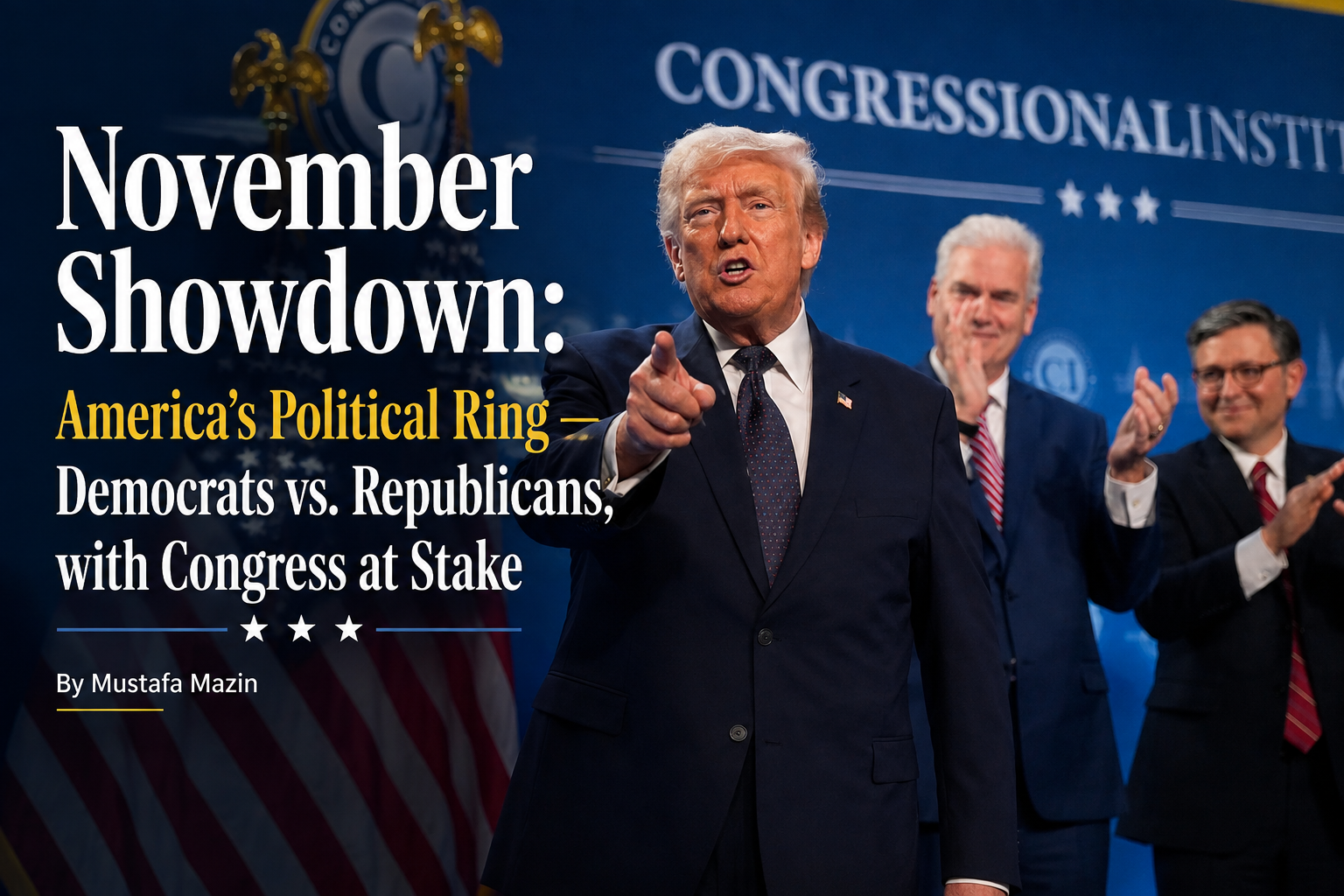
Before American voters head to the polls on November 3, the United States already appears to have entered the election ring. This is not merely a battle over who will control Congress; it is a larger contest over the political future of Donald Trump’s second term and whether voters will give the president more room to govern—or place new political barriers in his path.
The Democrats have chosen two powerful weapons: the war with Iran and the rising cost of everyday life.
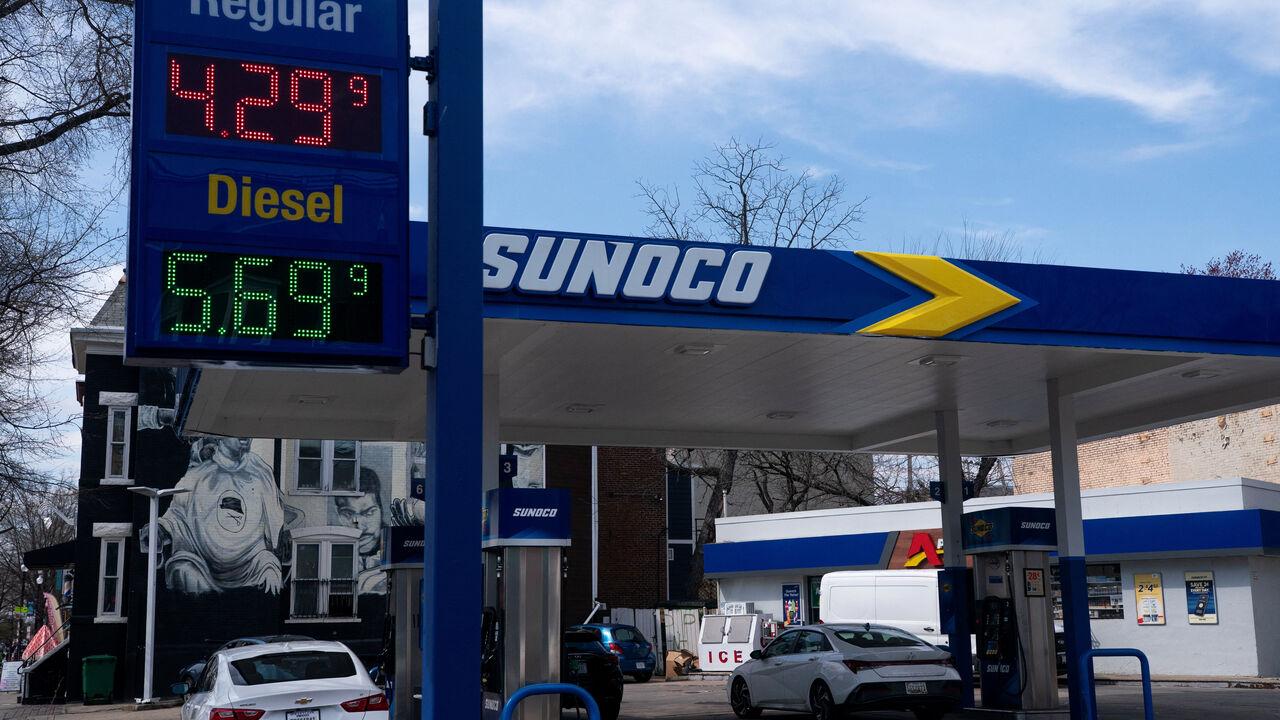
Gas Prices in the US
As the conflict enters its sixth month, Democratic lawmakers have increasingly portrayed the war as more than a foreign-policy crisis. They argue that its costs are now reaching American households. Pentagon figures cited by The Washington Post show that 18 U.S. service members have been killed and 756 wounded, bringing the combined number of American military casualties to 774.
Democrats have placed those figures alongside another number that may matter even more to voters: the price of gasoline.
The war and disruptions to oil flows through the Strait of Hormuz have pushed fuel prices sharply higher, adding another burden to American households. The Trump administration has been forced to engage with refiners and fuel retailers as it searches for ways to bring prices down.
But the Democratic offensive goes beyond prices.
Their central argument is that Trump promised a short war, while the conflict has now entered its sixth month. The lack of a clear endgame, combined with Iran’s continued ability to retaliate, has allowed Democrats to portray the conflict as an open-ended strategic crisis rather than a limited military operation.
Recent polling reflects some of that public unease. A Reuters/Ipsos poll found that only 31% of Americans supported the war, while Trump’s approval rating stood at 33%.
The Republicans, meanwhile, are fighting on a very different battlefield: national security, immigration and fear of the political left.
Republican candidates and allies have sought to turn the rise of the progressive wing of the Democratic Party into a central campaign issue. Figures such as Zohran Mamdani have been presented by conservatives as evidence of what they describe as a new socialist direction within the Democratic Party.
The GOP is also leaning heavily on immigration and border security, while highlighting what it considers economic achievements under Trump, including job creation and improvements in the economy.
Yet the economic argument is more complicated. The U.S. national debt has surpassed $40 trillion, a historic level that cannot be attributed to a single administration. It reflects years of accumulated deficits, spending and fiscal policies under multiple presidents.
In congressional polling, the political winds currently appear to favor Democrats. The Silver Bulletin average on August 28 showed Democrats leading Republicans by 6.6 percentage points on the generic congressional ballot.
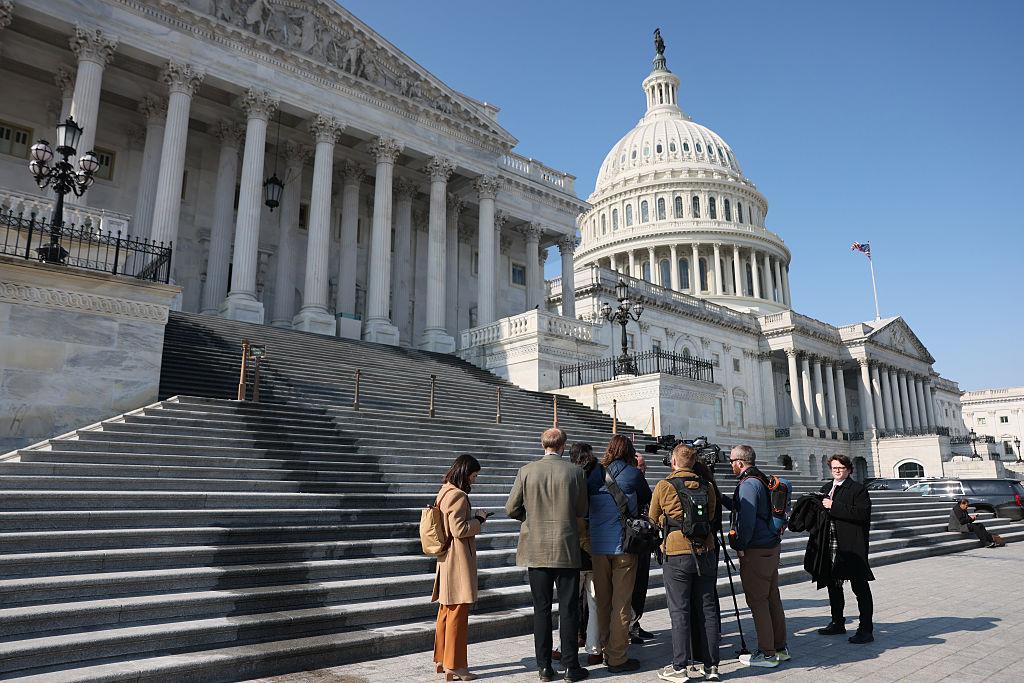
But that does not mean control of Congress or the Senate is guaranteed. American elections are ultimately decided through individual races, battleground states and competitive districts—not simply by the national popular-vote average. That is what makes November so consequential.
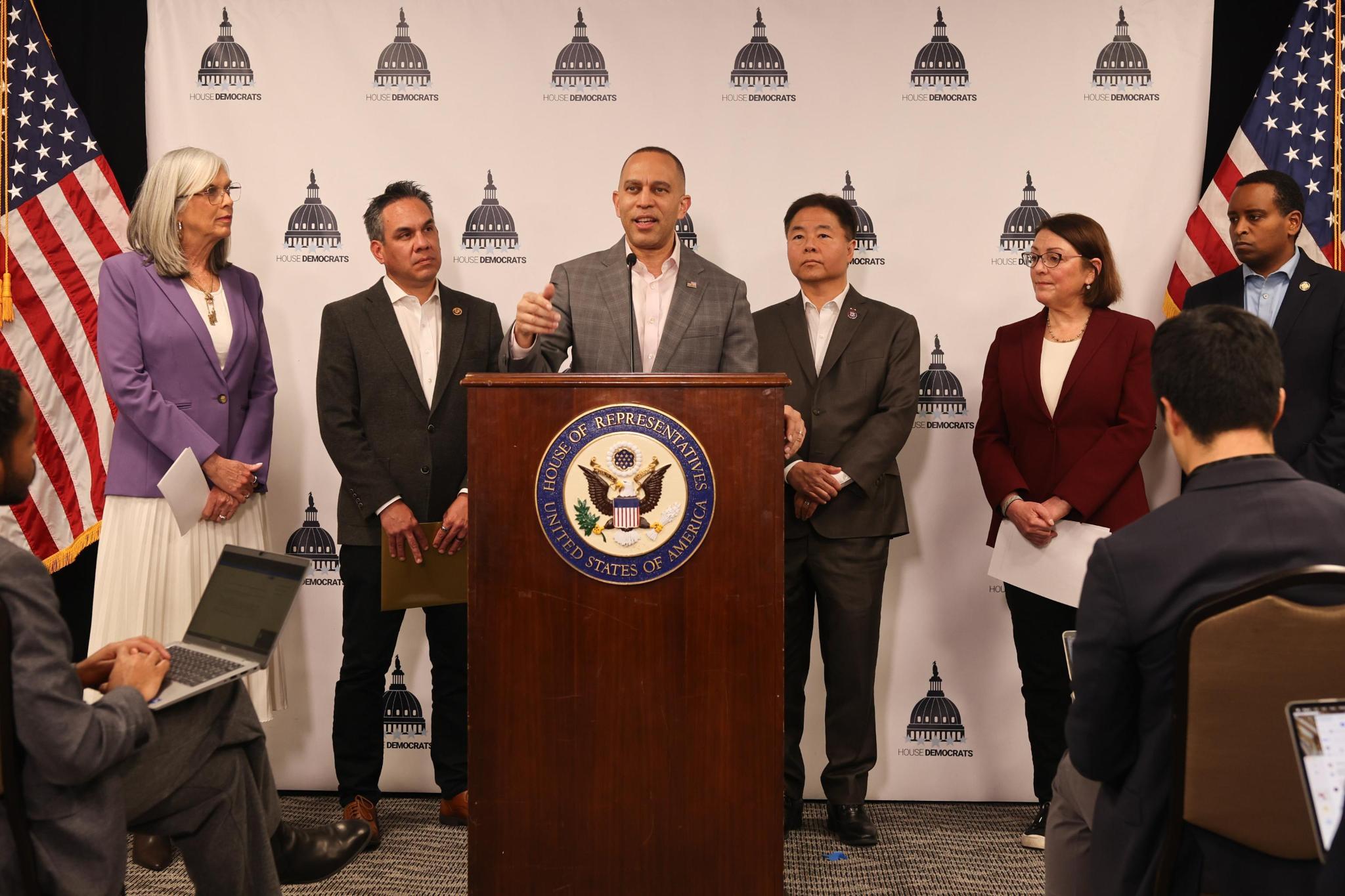
If Democrats regain control of the House, they would gain greater authority to conduct investigations and exercise oversight over the Trump administration. Democratic Leader Hakeem Jeffries has also left the door open to possible impeachment proceedings, while stressing that any such action would depend on facts, the law and the Constitution rather than political calculations alone.
For ordinary Americans, however, the election may be less about ideological battles and more about very practical questions:
How much will I pay for gasoline? Will the war end? Will I have a better job? And is America safer than it was before?
A Reuters/Ipsos poll in August found that 58% of Americans expected gasoline prices to rise further, while only 15% expected them to fall.
Beyond America’s borders, allies and rivals are watching the election closely. U.S. allies want to know whether Washington will continue Trump’s confrontational foreign-policy approach, while America’s adversaries—including Iran, China and Russia—will be watching to see whether the election gives Trump greater political freedom or imposes new domestic constraints.
Ultimately, the 2026 election is about more than congressional seats. It is a battle over which political narrative Americans will believe.
The Republican narrative is that America needs stronger borders, tougher security policies and resistance to the rise of the political left.
The Democratic narrative is that Americans have already paid too high a price for war—and are now paying its economic bill at the gas pump and in their daily lives.
Between these two narratives stands the American voter.
And when the bell rings in November, the real question may not simply be who will win?
It may be:
Will Americans give Trump another political mandate—or give Congress the power to put the brakes on him
Share Article
For Context
Related reads from the same topic or latest developments